







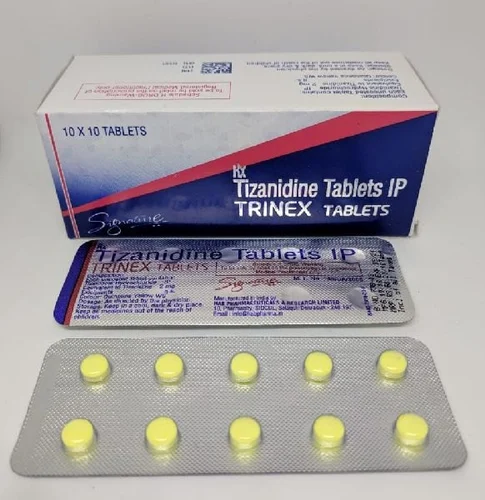
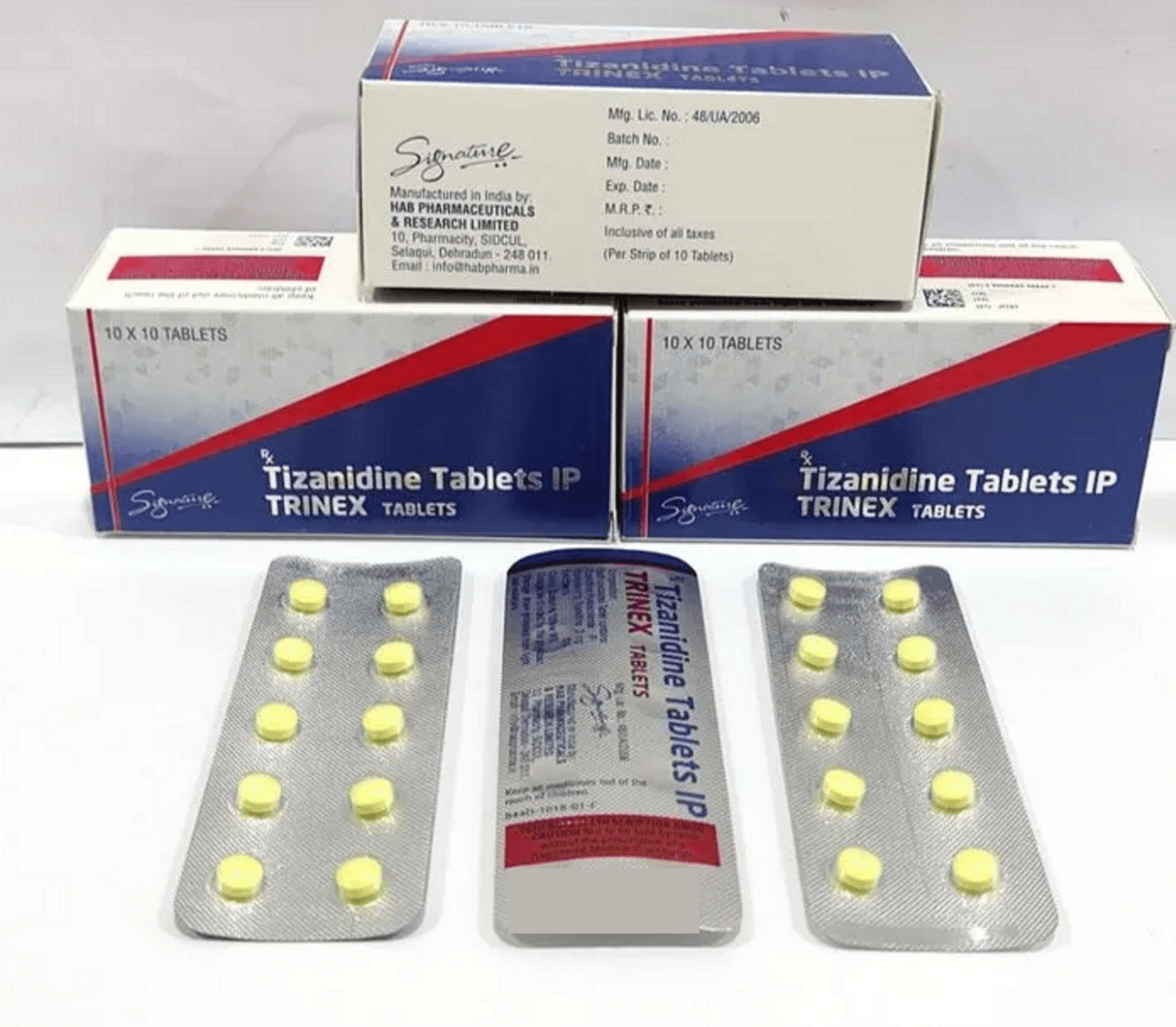
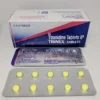
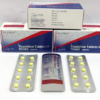
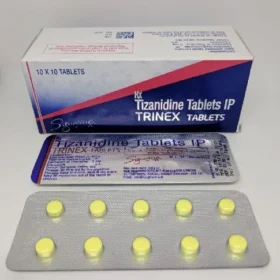
Trinex
✅ Reduce spasmele musculare
✅ Reduce rigiditatea musculară
✅ Sporește mobilitatea
✅ Ameliorează durerea
✅ Îmbunătățește funcția musculară
Trinex conține Tizanidine.
✓ Verificat medical de Morgan Ellis — Cercetător farmaceutic · 8 ani de experiență · Ultima recenzie: mai 2026
⚡ Răspuns rapid — Ce este Trinex?
Trinex este un comprimat de tizanidină 2 mg, un agonist adrenergic alfa-2 cu acțiune centrală relaxant muscular utilizat pentru spasticitate (rigiditate musculară cauzată de boli ale neuronului motor superior) și spasm muscular dureros acut. Doza inițială obișnuită este 2 mg de trei ori pe zi, ajustată lent până la un maxim de 36 mg/zi în 3–4 doze divizate. Tizanidina are o perioadă de înjumătățire scurtă (~2,5 ore), deci este necesară administrarea frecventă. Cel mai frecvent efect secundar este somnolența; nu combinați niciodată cu ciprofloxacina sau fluvoxamina (crește de 10 ori nivelul sanguin).
📦 Fiecare comandă este acoperită de politica noastră de Politica noastră de Reexpediere Garantată — dacă coletul dumneavoastră nu sosește în 20 de zile lucrătoare, îl relivrăm.
De ce să comanzi de la MedsBase
Medicamentele noastre generice sunt procurate de la producători certificați WHO-GMP și expediate la nivel mondial în ambalaje discrete și simple — fără denumirea medicamentului pe exteriorul coletului. Plățile cu cardul sunt procesate printr-un procesor reglementat (descrierile de pe extrasul de cont includ un procesor de plăți cu card reglementat — niciodată “MedsBase” sau numele vreunui medicament). Acceptăm și criptomonede și transferuri bancare SEPA. Fiecare comandă este susținută de Politica noastră de Asigurare pentru Relivrare.
Trinex 2 mg este un comprimat oral de tizanidina, un relaxant muscular scheletic cu acțiune centrală. Spre deosebire de ciclobenzaprina (un depresant CNS derivat din triciclice) sau metocarbamol și metaxalon (depresante polisinaptice-reflexe generale), tizanidina acționează printr-un mecanism diferit și mai țintit: este un agonist al receptorilor adrenergici alfa-2, înrudit strâns cu clonidina antihipertensivă, dar cu un efect mai selectiv asupra reflexelor motorii spinale.
Tizanidina este unul dintre medicamentele de primă linie pentru spasticitate — rigiditatea musculară care apare în scleroza multiplă, leziunile măduvei spinării, accidentul vascular cerebral, paralizia cerebrală și leziunile traumatice ale creierului. Este utilizată și pentru spasmul musculoscheletic acut dureros (dureri lombare, dureri de gât, întinderi musculare) și ca adjunct în gestionarea durerii cronice.
Pentru ce se utilizează Trinex?
- Spasticitate în scleroza multiplă — una dintre cele mai frecvente indicații
- Spasticitate după accident vascular cerebral (spasticitate hemiplegică)
- Spasticitate după leziunea măduvei spinării
- Spasticitate în paralizia cerebrală (copii, sub îngrijire specializată pediatrică)
- Durere lombară acută și spasm muscular
- Durere acută de gât, entorsă cervicală, torticolis
- Cefalee de tip tensional cu componentă musculară cervicală prominentă
- Sindromul durerii miofasciale — ca adjunct
- Fibromialgie — utilizare off-label, administrare la culcare
- Neuralgie trigeminală — ca adjunct la carbamazepină
- Durere neuropatică cronică — terapie adjunctivă off-label
Cum funcționează Tizanidina?
Tizanidina este un agonist al receptorilor adrenergici alfa-2 centrali. Acționează la nivelul măduvei spinării, unde receptorii alfa-2 de pe terminalele presinaptice ale interneuronilor excitatori reduc eliberarea aminoacizilor excitatori (glutamat, aspartat) pe neuronii motori. Acest lucru scade excitabilitatea reflexă a neuronilor motori spinali, reducând tonusul muscular și spasticitatea fără a afecta semnificativ forța musculară sau joncțiunea nerv-mușchi în sine.
Spre deosebire de baclofen (agonist GABA-B, utilizat și pentru spasticitate), tizanidina nu provoacă același grad de slăbire musculară — motiv pentru care pacienții o preferă adesea atunci când încă trebuie să folosească membrul afectat.
Doza Trinex
- Doza inițială: 2 mg de trei ori pe zi
- Titrarea: creștere cu 2–4 mg la fiecare 1–4 zile, în funcție de toleranță
- Interval de doză eficientă: 2–8 mg de trei până la patru ori pe zi
- Maximum: 36 mg pe zi, în 3–4 doze divizate, nu mai mult de 12 mg pe doză
- Timp de înjumătățire: aproximativ 2,5 ore — de aceea administrarea trebuie să fie frecventă (3–4 ori pe zi) pentru un efect susținut
- Insuficiență renală (CrCl < 25 mL/min): începeți cu 2 mg o dată pe zi; titrați cu mare precauție
- Afectare hepatică: utilizați cu precauție; monitorizați enzimele hepatice
- Vârstnici: începeți cu 2 mg o dată sau de două ori pe zi; titrați cu grijă
Luați tizanidina în mod constant: fie întotdeauna cu mâncare, fie întotdeauna fără mâncare — nu ambele. Mâncarea modifică concentrația maximă plasmatică cu până la 30%, iar trecerea între stări de săturare și post în timpul tratamentului va provoca efecte imprevizibile. Majoritatea pacienților o tolerează mai bine cu mâncare.
Interacțiuni medicamentoase critice. Tizanidina este metabolizată aproape exclusiv de enzima hepatică CYP1A2. Medicamentele care blochează CYP1A2 pot crește nivelul tizanidinei în sânge de 10 ori sau mai mult — provocând hipotensiune severă, somnolență extremă sau pierdere a cunoștinței. Nu combinați niciodată tizanidina cu: ciprofloxacină, fluvoxamină (SSRI). Folosiți cu extremă precauție: norfloxacină, mexiletină, zileuton, contraceptive orale, cimetidină, propafenonă, amiodaronă și ticlopidină. Spuneți întotdeauna oricărui medic nou că luați tizanidină.
Cine nu ar trebui să ia Trinex?
- Hipersensibilitate cunoscută la tizanidină
- Utilizarea concomitentă cu ciprofloxacina sau fluvoxamina — contraindicație absolută
- Insuficiență hepatică severă
- Utilizarea concomitentă cu agonisti alfa-2 (clonidină, guanfacină, dexmedetomidină) — hipotensiune aditivă
- Folosiți cu extremă precauție în: hipotensiune, bradicardie, prelungire QT, insuficiență renală severă, pacienți în vârstă
- Sarcina și alăptarea — date insuficiente; evitați dacă nu este clar necesar
Efecte Secundare
- Foarte frecvente (> 10%): somnolență (mai ales în prima săptămână), gură uscată, oboseală, amețeli
- Frecvente: hipotensiune (posturală, mai ales în primele 2 săptămâni), bradicardie, slăbiciune musculară, astenie, insomnie (paradoxală), constipație
- Mai puțin frecvente: enzime hepatice crescute, halucinații (vizuale, mai ales în prima săptămână), frecvență urinară crescută
- Rare dar grave: hepatotoxicitate severă, hepatită acută (reversibilă la întreruperea tratamentului), sincop, prelungire a intervalului QT
Nu întrerupeți brusc tizanidina după utilizare prelungită. Întreruperea tratamentului poate provoca hipertensiune de rebond, tahicardie și creștere acută a spasticității. Orice tratament mai lung de 2–3 săptămâni trebuie redus progresiv pe o perioadă de 1–2 săptămâni sub supraveghere medicală.
Trinex vs Alte Relaxante Musculare
| Medicament | Mecanism de acțiune | Cel mai potrivit pentru | Efect secundar principal |
|---|---|---|---|
| Tizanidină (Trinex) | agonist α2-adrenergic | Spasticitate (SM, accident vascular cerebral, leziuni ale măduvei spinării); spasm acut | Somnolență, hipotensiune |
| Baclofen | agonist GABA-B | Spasticitate (neuron motor superior) | Slăbiciune musculară, somnolență |
| Ciclobenzaprină (Flexabenz) | Nivelul trunchiului cerebral | Spasm musculoscheletal acut | Somnolență, efect anticolinergic |
| Metocarbamol (Robinax) | Reflex polisinaptic spinal | Spasm acut, utilizare pe timpul zilei | Somnolență, amețeli |
| Metaxalon (Flexura) | Reflex polisinaptic spinal | Spasm acut, necesitate scăzută de sedare | Ușoară somnolență |
| Tolperison (Synaptol) | Modularea canalelor Na⁺/Ca²⁺ | Spasticitate; spasm acut; fără efect sedativ | Sedare minimă |
Comandă și Livrare
MedsBase oferă transport la nivel mondial pentru fiecare comandă. Comenzile sunt expediate în ambalaje discrete și ajung în cutii originale ale producătorului. Dacă doza sau dimensiunea ambalajului preferat nu este în stoc, contactați serviciul de asistență pentru a afla termenul de livrare.
Notă medicală. Informațiile de pe această pagină sunt furnizate doar în scop educativ general. Nu înlocuiesc sfatul medicului sau farmacistului dumneavoastră. Consultați un profesionist calificat în domeniul sănătății înainte de a începe, întrerupe sau modifica o terapie.
Întrebări frecvente
Pentru ce este utilizat Trinex?
Trinex (tizanidină 2 mg) este utilizat pentru spasticitate — rigiditate musculară cauzată de scleroză multiplă, accident vascular cerebral, leziune a măduvei spinării sau paralizie cerebrală — și pentru spasm musculoscheletal acut dureros (dureri lombare, dureri de gât). Este utilizat off-label și pentru cefalee de tip tensional și fibromialgie.
Cum diferă tizanidina de alte relaxante musculare?
Tizanidina este un agonist adrenergic alfa-2 (ca clonidina), în timp ce majoritatea altor relaxante musculare orale sunt depresante generale ale SNC. Diferența mecanistică înseamnă că tizanidina este mai direcționată spre spasticitate și provoacă o sedare mai puțin generalizată decât ciclobenzaprina, dar mai multă hipotensiune și mai multe interacțiuni medicamentoase decât metaxalonul sau metocarbamolul.
De ce spune medicul meu să evit ciprofloxacina cu Trinex?
Ciprofloxacina blochează enzima hepatică CYP1A2, care este singura cale care descompune tizanidina. Combinarea celor două poate crește nivelurile de tizanidină de 10 ori sau mai mult, provocând hipotensiune severă, sedare puternică sau inconștiență. Aceasta este o contraindicare absolută.
Cât durează până începe să acționeze Trinex?
Efectul de relaxare musculară începe în 1–2 ore după administrare și atinge vârful în aproximativ 1 oră. Deoarece timpul de înjumătățire este scurt (~2,5 ore), efectul dispare în 4–6 ore — motiv pentru care dozarea este de 3–4 ori pe zi.
Trebuie să iau Trinex cu mâncare?
Fiți consecvent — fie întotdeauna cu mâncare, fie întotdeauna fără mâncare. Mâncarea modifică concentrația plasmatică maximă cu până la 30%, iar trecerea între stări cu și fără mâncare va provoca efecte imprevizibile. Majoritatea pacienților consideră că este mai tolerabil să o iau cu mâncare.
Trinex provoacă somnolență?
Da — somnolența afectează mai mult de 1 din 3 utilizatori, mai ales în primele 1–2 săptămâni și după fiecare creștere de doză. De obicei, se îmbunătățește cu utilizarea continuă. Nu conduceți sau operați utilaje până nu știți cum răspundeți.
Pot lua Trinex cu medicamente pentru tensiune arterială?
Da, dar cu prudență. Tizanidina poate scădea tensiunea arterială, în special atunci când este combinată cu inhibitori ACE, BRA, blocante ale canalelor de calciu sau diuretice. Monitorizați tensiunea arterială îndeaproape în primele 1–2 săptămâni și în timpul oricărei creșteri de doză.
Pot să opresc brusc Trinex?
Nu — nu după utilizare prelungită. Întreruperea bruscă poate provoca hipertensiune de rebound, tahicardie și o creștere bruscă a spasticității. Tratamentele mai lungi de 2–3 săptămâni trebuie reduse progresiv pe o perioadă de cel puțin 1–2 săptămâni.
Este Trinex dependent?
Tizanidina nu este o substanță controlată și nu provacă același tip de dependență fizică ca benzodiazepinele sau opioidele. Cu toate acestea, terapia pe termen lung necesită reducerea progresivă din motive fiziologice (rebound).
Pot să consum alcool în timp ce iau Trinex?
Evitați alcoolul. Acesta intensifică somnolența, amețelile și hipotensiunea — inclusiv riscul de căderi.
Este Trinex sigur în sarcină?
Datele sunt limitate. Evitați în timpul sarcinii și alăptării, cu excepția cazului în care medicul dumneavoastră consideră că este clar necesar.
Pentru pacienții care iau tizanidină și doresc să evite hipotensiunea și somnolența comune agonilor alfa-2, Synaptol (tolperisonă 150 mg) oferă ameliorarea spasmelor musculare printr-un mecanism diferit, cu un profil de efecte adverse mult mai blând.
Vezi și: Synaptol 150 mg — alternativă la tolperisonă când sedația ciclobenzaprinei este inacceptabilă — acționează central fără somnolența antihistaminică H1.
Alternative conexe
Alte produse din Afecțiuni cronice pe care clienții le vizualizează de asemenea:
Mai multe opțiuni în medicamente pentru durere
Clasificate în funcție de volumul recent de comenzi MedsBase — ce aleg alți clienți în această categorie.

| Concentrație | 2 mg |
|---|---|
| Cantitate | 30 Comprimat/e, 60 Comprimat/e, 90 Comprimat/e, 180 Comprimat/e |
 Trinex
Întrebări și răspunsuri
Trinex
Produse similare










Recenzii
Nu există recenzii încă