








Calcirol
✅ Höjer D-vitaminnivåerna
✅ Stärker benen
✅ Stödjer kalciumupptag
✅ Förbättrar immunsystemet
✅ Främjar generell hälsa
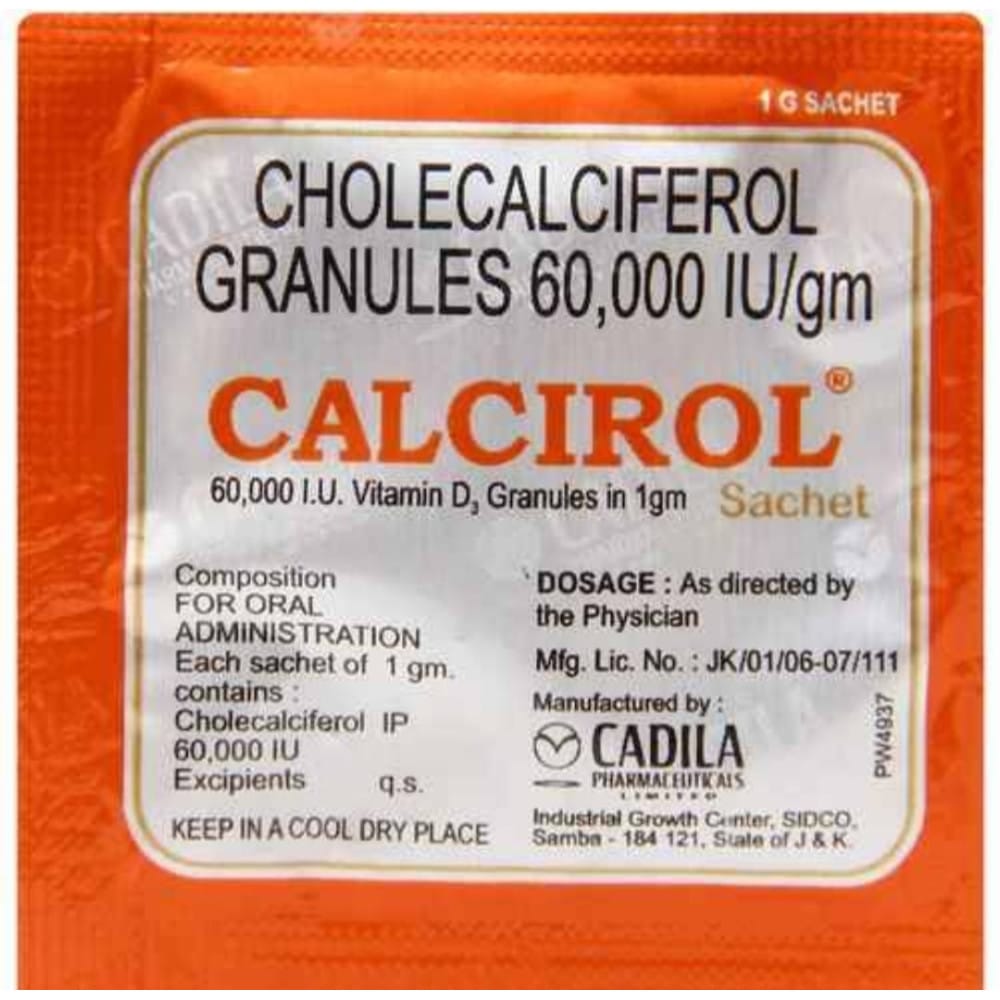
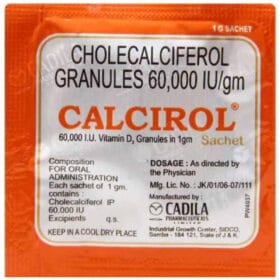
Calcirol Sachet innehåller Cholecalciferol.
✓ Medicinskt granskad av Morgan Ellis — Apoteksforskare · 8 års erfarenhet · Senast granskad: maj 2026
Quick Answer
Calcirol (cholecalciferol 60 000 IU oral påse (Cipla)) är en högdos av vitamin D3 som används för att behandla och förebygga vitamin D-brist. Standardbehandlingen är en påse med 60 000 IU varje vecka i 8 veckor (uppladdning), sedan en påse per månad som underhållsdos.
- Högdos oral cholecalciferol — 60 000 IU per påse, granulat som blandas i mjölk eller vatten
- WHO-GMP-certifierad tillverkare (Cipla)
- Uppladdningsdos: 1 påse/vecka × 8 veckor; underhåll: 1 påse/månad
- Diskret världsomspännande leverans · täcks av Reshipment Assurance Policy
📦 Varje beställning omfattas av vår Reshipment Assurance Policy — om din försändelse inte anländer inom 20 arbetsdagar, skickar vi om den.
Varje beställning omfattas av vår Reshipment Assurance Policy.
Varför beställa från MedsBase
Calcirol kommer från en WHO-GMP-certifierad tillverkare. Varje order skickas i diskret, omärkt förpackning över hela världen och täcks av vår Reshipment Assurance Policy. Betala säkert med kreditkort, SEPA-banköverföring eller kryptovaluta. Se vår 1 400+ verifierade kundrecensioner.
Vad är Calcirol?
Calcirol är högdosoral cholekalciferol (vitamin D3) som levereras som 60 000 IU granulatpåsar av Cipla. Det är det mest använda vitamin D-laddningsregimet på den indiska subkontinenten och fungerar lika bra i alla populationer med dokumenterad brist. Cholekalciferol är samma molekyl som huden syntetiserar från 7-dehydrokolesterol vid UV-B-exponering; den hydroksyleras till 25-hydroxyvitamin D i levern och till 1,25-dihydroxyvitamin D (kalcitriol) i njuren.
Indikationer
- Vitamin D-brist (serum 25-OH-D < 20 ng/ml eller < 50 nmol/l)
- Vitamin D-otillräcklighet (20–30 ng/ml eller 50–75 nmol/l)
- Osteomalaci hos vuxna och rakit hos barn (specialistövervakning)
- Komplement vid osteoporosbehandling tillsammans med bisfosfonater och kalcium
- Graviditet och amning vid dokumenterad brist (lägre underhållsdos efter laddning)
- Efter bariatrisk kirurgi malabsorption
- Långtidsbehandling med antikonvulsiva läkemedel (fenytoin, karbamazepin, fenobarbital ökar vitamin D-katabolismen)
| Population / nivå | Laddningsdos | Underhåll | Kontrollera igen |
|---|---|---|---|
| Vuxna, brist (<20 ng/ml) | 1 påse (60 000 IE) per vecka i 8 veckor | 1 påse per månad | 12 veckor efter laddningsdos |
| Vuxna, otillräckligt (20–30 ng/ml) | 1 påse i veckan × 4 veckor | 1 påse per månad | 12 veckor |
| Graviditet (brist) | 1 påse i veckan × 4–8 veckor (under obstetrisk ledning) | 1 000–2 000 IE/dag eller 1 påse per månad | Upprepa vid 24–28 veckor |
| Äldre (fall- och frakturprevention) | Hoppa ofta över inledande dos; börja med underhållsdos | 800–2 000 IE/dag eller 1 påse per månad | Årligen |
| Bariatrisk/kronisk malabsorption | Högre doser behövs ofta (specialist) | Specialisttitrerad | 12 veckor |
| Allvarlig brist med rakit/osteomalaci | Specialistövervakning; överväg IM-depå | Specialisttitrerad | Specialisttitrerad |
Hur man tar
Töm innehållet i påsen i ett glas mjölk eller vatten, rör om och drick. Bäst att ta tillsammans med den största måltiden på dagen som innehåller fett — vitamin D är fettlösligt och upptaget blir betydligt bättre med fett i måltiden.
Långvarigt intag över 4 000 IE/dag (EU:s övre säkra gräns) utan 25-OH-D-övervakning kan orsaka hyperkalcemi (anorexi, illamående, polyuri, njurstenar, mjukdelsförkalkning). Calcirols veckovis-sedan-månatliga schema ligger väl under denna nivå; problem uppstår när patienter av misstag tar en påse dagligen eller kombinerar flera D-innehållande kosttillskott. Kontrollera 25-OH-D-nivåer 12 veckor efter start och varje 6–12 månader under underhållsbehandling.
Biverkningar
Vid standarddosering tolereras Calcirol exceptionellt bra. Vid höga kumulativa doser eller vid övervakningsbrister:
- Hyperkalcemi — illamående, anorexi, förstoppning, polyuri, polydipsi, förvirring (sällsynt vid korrekt dosering)
- Hyperkalciuri — kan framkalla njurstenar
- Mjukdelskalcifiering vid långvarigt toxiska nivåer
Läkemedelsinteraktioner
- Tiaziddiuretika — ökar risken för hyperkalcemi; övervaka kalcium
- Antikonvulsiva (fenytoin, karbamazepin, fenobarbital) — ökar vitamin D-katabolismen, kan kräva högre doser
- Glukokortikoider — motverkar vitamin D-verkan; långtidsanvändare av steroider behöver ofta högre doser
- Kolestyramin, orlistat, mineralolja — minskar upptaget av fettlösliga vitaminer; ta med 4 timmars mellanrum
- Digoxin — hyperkalcemi ökar risken för digoxintoxicitet
Kontraindikationer
- Hyperkalcemi av vilken orsak som helst
- Hypervitaminos D
- Aktiv sarkoidos eller annan granulomatös sjukdom (extrarenell 1-α-hydroxylering kan orsaka svår hyperkalcemi)
- Svår njursvikt (använd alfacalcidol — se Alphadol — eller kalcitriol istället)
Förvaring
Förvara under 25°C. Håll torrt. Använd omedelbart efter att påsen öppnats.
Vanliga frågor
Varför 60 000 IE och inte ett dagligt 1 000 IE-tablett?
Båda fungerar. En veckovis dos på 60 000 IE uppnår adekvata 25-OH-D-nivåer snabbare (vanligtvis vid vecka 8 jämfört med 3–6 månader för dagliga 1 000 IE) och följsamheten är mycket bättre — en veckovis påse är svårare att glömma än ett dagligt tablett. Efter uppladdning är valet en fråga om preferens: månatlig påse eller daglig dos på 1 000–2 000 IE.
Bör jag ta kalcium tillsammans med Calcirol?
Endast om kosthalten av kalcium är låg eller om osteoporos behandlas. D-vitamintillskott räcker för att korrigera brist hos de flesta patienter med tillräcklig kosthalt av kalcium (>700 mg/dag från mejeriprodukter, gröna bladgrönsaker, tofu, sardiner).
Hur snart kommer jag att må bättre?
Om symptom (trötthet, benvärk, muskelvärk) beror på bekräftad brist, kan partiell förbättring förväntas efter 4–6 veckor och full effekt efter 12 veckor. Många patienter med diffusa besvär har INTE bristrelaterade symptom — kontrollera nivån först istället för att anta.
Kan jag ta Calcirol under graviditet?
Ja, vid dokumenterad brist under obstetrisk uppsikt. D-vitamin under graviditet stöder fostrets benutveckling, minskar risken för graviditetsdiabetes och är säkert i doser upp till 4 000 IE/dag. Undvik megadoser utan övervakning.
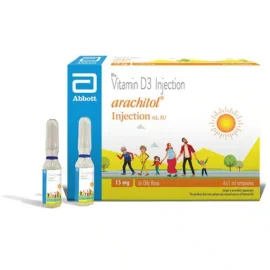
Hur skiljer sig Calcirol från Arachitol 6L-injektion?
Calcirol tas oralt (granulpåse, 60 000 IE per dos, veckovis). Arachitol 6L-injektion ges intramuskulärt (6 00 000 IE = 600 000 IE per dos, en årlig injektion i utvalda fall av svår brist). IM-depån är reserverad för svår malabsorption, mycket dålig följsamhet eller när snabb uppladdning behövs.
Hur skiljer det sig från Alphadol (alfakalcidol)?
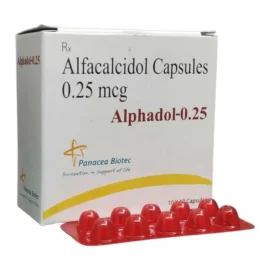
Calcirol är kolekalciferol — en föregångare som kräver aktivering i lever och njurar. Alphadol är alfakalcidol — förktypad genom att hoppa över njurens 1-α-hydroxyleringssteg. Alphadol används vid kronisk njursjukdom där njuren inte kan aktivera kolekalciferol; alla andra använder Calcirol.
Vilket är målnivån för 25-OH-D?
De flesta riktlinjer anger 30–50 ng/ml (75–125 nmol/l). Över 50 ng/ml ger inga bevisade ytterligare fördelar. Över 100 ng/ml närmar sig toxicitet och bör leda till dosreducering.
Är det säkert att ta långsiktigt?
Ja, vid underhållsdoser med periodisk 25-OH-D-kontroll. Många patienter med begränsad solexponering (höga breddgrader, inomhusyrken, blygsam klädsel, mörk hud) behöver livslång substitution. Vecko- och sedan månadsvisa Calcirol-regimen är bekväm att upprätthålla i åratal.
Förhindrar Calcirol COVID-19?
Nej. Påståendet under pandemins början att D-vitamintillskott förhindrar COVID-19 har inte bekräftats av randomiserade studier. Att korrigera brist är värt det för etablerade fördelar (ben, muskler, fallprevention); att supplementera redan tillräckliga patienter ger inget.
Kan barn ta Calcirol?
Ja, under pediatrisk uppsikt vid dokumenterad brist eller rakit. Doseringen är viktbaserad och lägre än för vuxna. Rutinprofylax hos friska barn är vanligtvis 400 IE/dag från födseln (UK/WHO-riktlinjer), inte högdosepåsar.
Andra vitaminer och mineraler
- Calcirol — kolekalciferol 60 000 IU påse
- Arachitol 6L Injektion — kolekalciferol 6,00,000 IU IM depot
- Alphadol — alfacalcidol för CKD-relaterad brist
- Cipcal — kalciumkarbonat + vitamin D
- Topcal M — kalcium + magnesium + vitamin D
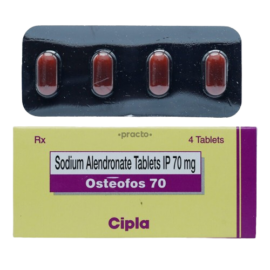
- Osteofos — alendronsyra mot osteoporos
Medicinsk ansvarsfriskrivning
Fler alternativ inom vitaminer och mineraler
Rangerade efter senaste ordervolym på MedsBase — vad andra kunder i denna kategori väljer.
| Styrka | 1 g |
|---|---|
| Kvantitet | 5 Sachet/s, 10 Sachet/s, 15 Sachet/s, 30 Sachet/s |
 Calcirol
Frågor & svar
Calcirol
Relaterade produkter


Recensioner
Det finns inga recensioner än