








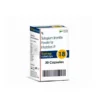
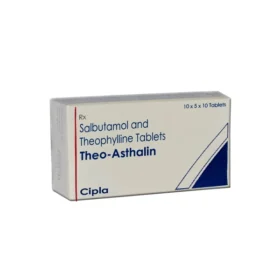
Theo-Asthalin
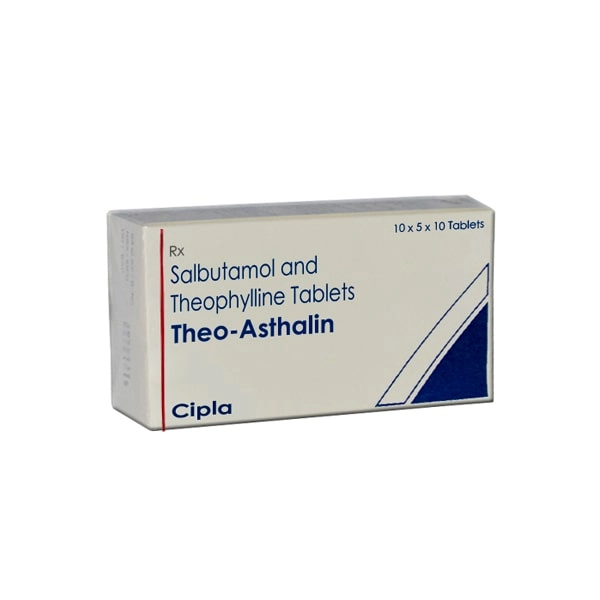
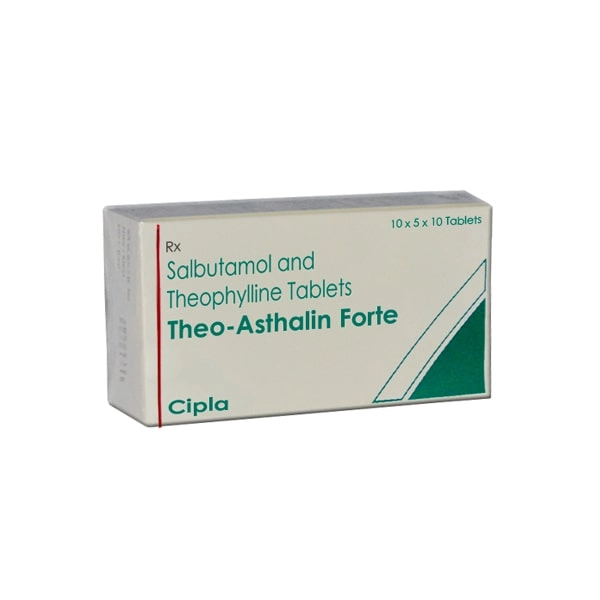
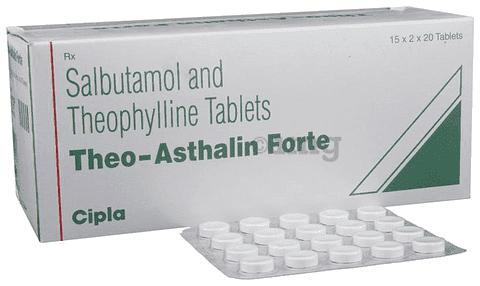
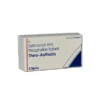
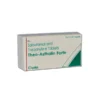
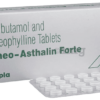
✅ Hatékony asztmatünetek kezelése
✅ Gyors hörgőspazmus-csillapítás
✅ Javult tüdőfunkció
✅ Életminőség javítása
Salbutamolt és Teofilint tartalmaz
✓ Orvosi ellenőrzés Morgan Ellis — Gyógyszerkutató · 8 év tapasztalat · Utolsó felülvizsgálat: 2026 május
⚡ Gyors válasz — Mi az Theo-Asthalin?
Theo-Asthalin tartalmaz teofilin + salbutamol, amely metilxantin bronchodilatátor gyulladáscsökkentő hatással, krónikus asztma és COPD kiegészítő terápiájaként használják. A teofilin több célpontra hat — foszfodieszteráz gátlás (cAMP szint növelése), adenozin receptor antagonizmus és HDAC2 aktiválás (gyulladáscsökkentés). kesz terápiás index (cél szérumkoncentráció 10–20 mg/L; toxicitás 20 mg/L felett) és számos gyógyszerkölcsönhatás, miatt óvatos adagolás és (egyes betegeknél) vérszint-monitorozás szükséges. Minden tabletta tartalmaz teofillin 100 mg + szalbutamol 2 mg, 10 ml-es üvegben forgalmazott. A szuszpenziós forma lehetővé teszi a pontos testsúlyalapú adagolást még a tablettát nem tudó gyermekeknél is, valamint hasznos felnőtteknél is nyelési nehézségek esetén. Cipla WHO-GMP tanúsított létesítményekben.
📦 Minden rendelést fedez a Újraküldési Garancia — ha a csomagod nem érkezik meg 20 munkanapon belül, újraküldjük.
Miért rendelj a MedsBase-ról
Generikus gyógyszereink WHO-GMP minősítésű gyártóktól származnak, és diszkrét, egyszerű csomagolásban szállítjuk őket világszerte — a csomagon nem szerepel a gyógyszer neve. A kártyás fizetések egy szabályozott feldolgozón keresztül történnek (a számlaleírások egy szabályozott kártyafizetési feldolgozót tartalmaznak — soha nem “MedsBase” vagy bármilyen gyógyszer neve). Kriptovalutát és SEPA banki átutalást is elfogadunk. Minden rendelést a Reshipment Assurance Policy biztosíték fedez.
Mi a Theo-Asthalin?
A Theo-Asthalin egy orális metilxantin bronchodilatátor. A metilxantinok természetes alkaloidokból származnak (a teofillin a teában található dimetilxantin). Használatuk az 1990-es évek óta csökkent, mióta az inhalált β2-agonisták és kortikoszteroidok lettek az elsővonalbeli kezelés – de továbbra is fontos szerepet töltenek be harmadik vonalbeli kiegészítő terápiaként nehezen kezelhető asztmában és COPD-ben.
Hogyan működik a Theo-Asthalin?
- A foszfodiészteráz gátlása (PDE3, PDE4) — növeli a ciklikus AMP-t a légúti simaizmokban és a gyulladásos sejtekben; a végeredmény hörgésdilatáció és csökkentett mediátorfelszabadítás.
- Adenozin receptor antagonizmus — blokkolja az adenozin közvetített bronchoconstrictort és a mastsejt mediátorfelszabadítást.
- HDAC2 aktiválás (teofillin alacsony szérum szinten 5–10 mg/L) – helyreállítja a kortikoszteroid érzékenységet COPD-ben és súlyos asztmában, ahol a szteroid rezisztencia részben csökkent HDAC2 által mediált.
- Rekeszizom összehúzódóképesség – a metilxantinok csökkentik a rekeszizom fáradtságot, hasznos COPD-ben súlyos légúti korlátozással.
Felhasználás és indikációk
- Súlyos krónikus asztma – kiegészítés nagy dózisú ICS-LABA mellett, ahol további hörgőtágításra van szükség
- COPD karbantartó kezelés – kiegészítés LAMA-LABA vagy hármas terápia mellett
- Nokturnális asztma – lassú felszabadulású készítmény éjszakai hörgőtágítást biztosít
- Koraszülött apnoe (teofillin) – újszülöttkori használat
- Cor pulmonale és tüdői hypertonia — kiegészítő terápia
Theo-Asthalin adagolás
| Betegek | Dose | Gyakoriság |
|---|---|---|
| Felnőttek | 1 tablettát | Naponta háromszor-négyszer |
| Gyermekek >12 éves kor felett | 1 tablettát | Naponta háromszor |
Theo-Asthalin mellékhatásai
- Hányinger, hányás, gyomorfájás
- Fejfájás
- Tremor
- Álmatlanság, nyugtalanság
- Tachycardia, palpitatio
- Enyhe hipokalémia magas adagoknál
Toxikus szint (>20 mg/L) – vészhelyzet:
- Súlyos hányinger, kitartó hányás
- Szívritmuszavar (pitvarfibrilláció, szupraventrikuláris tachycardia)
- Roham (gyakran figyelmeztetés nélkül)
- Hypotónia, hiperglikémia, hipokáliémia, hiperkalcémia
Figyelmeztetések és elővigyázatosság
- Keskeny terápiás index. Célszerum 10–20 mg/L. Ellenőrizze a vérszintet kezdés után 5 nappal, adagváltoztatás után, új interakcióba lépő gyógyszer esetén, dohányzás abbahagyásakor és betegség/láz alatt (a clearance csökken).
- Számos gyógyszerkölcsönhatás — lásd az interakciós táblázatot. Főleg CYP1A2 metabolizálja; számos gátló és indukáló anyag jelentősen módosítja a szintet.
- Dohányzás indukálja a CYP1A2-t és ~50%-kal csökkenti a teofillin szintet — újra titrálás szükséges a dohányzás abbahagyásakor.
- Szívbetegség: óvatosan alkalmazni szívritmuszavaroknál, szívelégtelenségnél, súlyos hypertoniánál.
- Hyperthyreosis: fokozott clearance és erősödött adrenerg hatások.
- Terhesség és szoptatás: általában kerülendő; csak nyilvánvaló haszon esetén alkalmazható.
- Májbetegség: csökkentse az adagot — a metilxantinok májban metabolizálódnak.
Ellenjavallatok
- Theophylline vagy más xantinokra (koffein, theobromin) érzékenység
- Aktív peptikus fekélybetegség
- Nem kontrollált tachyarrhythmiák
- Súlyos szívelégtelenség (NYHA IV)
Gyógyszerkölcsönhatások
| Interakcióba lépő gyógyszer | Hatás | Teendők |
|---|---|---|
| Ciprofloxacin, erythromycin, clarithromycin, fluvoxamine | Gátolják a CYP1A2-t → emelkedik a teofillin szint → toxicitás (hányinger, szívritmuszavar, görcsök) | Kerülje vagy csökkentse a teofillin adagot 50%-kal; ellenőrizze a szérum szintet |
| Cimetidin, allopurinol | Növeli a teofillin szintjét | Csökkentse az adagot; monitorozza a szinteket |
| Fenitoin, karbamazepin, rifampicin | CYP-indukáló — alacsonyabb szintek | Nagyobb adagra lehet szükség |
| Dohányzás | CYP1A2-indukáló — alacsonyabb szintek | Dózis újratitrációja a dohányzás abbahagyásakor |
| β-agonisták, diuretikumok | Additív hypokalaemia | Figyelje a kálium szintjét |
Tárolás
- Tárolás 25°C alatt 25°C hűvös, száraz helyen, közvetlen napfénytől távol.
- Az eredeti csomagolásban tartva használatig, hogy védve legyen a nedvességtől és a fénytől.
- Ne használja a csomagoláson feltüntetett lejárati dátum lejárta után.
- Tartsa gyermekektől elérhetetlen helyen.
Kapcsolódó alternatívák a MedsBase-en
- Asthalin Inhaler — salbutamol gyorshatású hörgőtágító
- Budecort Inhaler — budesonide tartalmú megelőző inhalációs szteroid
- Foracort Inhaler — budesonid + formoterol ICS-LABA
- Tiova Inhaler — tiotropium LAMA COPD kezelésére
- Montair — montelukast LTRA tabletta
Gyakran Ismételt Kérdések
Miért kombinálják a theophylline-t salbutamollal?
A kombináció egy tablettában biztosít β2-agonista hatást (hörgőtágítás) és metilxantin hatást (további hörgőtágítás, gyulladáscsökkentés, rekeszizom-összehúzódás) – történelmileg kényelmes a betartás szempontjából.
Még használják ezt a kombinációt?
Kevesebbet, mint a különálló komponenseket. A modern gyakorlat az inhalációs terápiát részesíti előnyben (β2-agonist + ICS) az orális kombinációkkal szemben, mind a biztonság (alacsonyabb szisztémás expozíció), mind a hatékonyság szempontjából.
Összeadódnak-e mindkét gyógyszer mellékhatásai?
Igen – a remegés, tachycardia, fejfájás, álmatlanság, hipokáliémia mindkét komponens által felerősödik. Figyelemmel kell kísérni a kardiovaszkuláris toleranciát.
Milyen gyorsan hat a Theo-Asthalin?
A szalbutamol komponens 15–30 perc alatt hat; a teofillin napok alatt éri el az állandó szintet.
Bevehetem az inhalálómmal együtt?
Lehetséges — beszélje meg a felíró orvosával. Az orális és inhalált β2-agonisták együttes használata növelheti a remegést, a tachycardia-t és a hypokalaemia-t.
Hatással lesz a szívgyógyszereimre?
A teofillin sok gyógyszerrel lép kölcsönhatásba (lásd a kölcsönhatási táblázatot). Mindig mondja el az orvosának, hogy milyen gyógyszereket szed.
Biztonságos terhesség alatt?
Általában kerülik; az inhalálós kezelés az előnyösebb.
Mennyi ideig hat egy tabletta?
Mindkét komponens 4–6 órán át hat; a beadás naponta 3–4 alkalommal történik.
Összetörhetem a tablettát?
A szabványos tabletták összetörhetők; a lassan felszabaduló változatok nem. Ellenőrizze a címkét.
Kapcsolódó alternatívák
Egyéb termékek a Krónikus betegségek vásárlók által szintén megtekintett termékek:
További lehetőségek az asztma/COPD kezelésében
Rangsorolva a MedsBase legutóbbi rendelési adatai alapján — hogy ebben a kategóriában más vásárlók mit választanak.

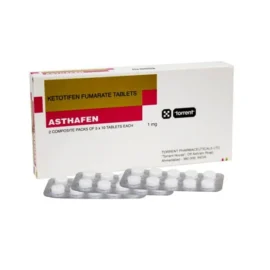

| Erősség | 2mg + 100mg, 4mg + 200mg |
|---|---|
| Mennyiség | 30 tabletta, 60 tabletta, 90 tabletta |
| Gyógyszerforma | Tabletta |
| Gyártó | Cipla Inc |
| Kezelés | Asztma |
 Theo-Asthalin
Kérdések és válaszok
Theo-Asthalin
Kapcsolódó termékek





Vélemények
Még nincsenek vélemények