







Seroquit


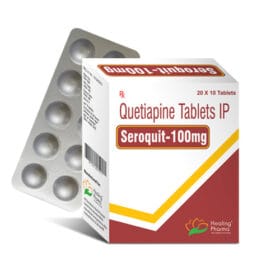
Seroquit (Quetiapine 25–300 mg) — IR atípusos antipszichotikum szkizofrénia, bipoláris mániás, bipoláris depresszió, MDD kiegészítő kezelésére. Dózisfüggő receptorprofil a 25–800 mg tartományban.
✓ Orvosi ellenőrzés Morgan Ellis — Gyógyszerkutató · 8 év tapasztalat · Utolsó felülvizsgálat: 2026 május
⚡ Gyors válasz
Seroquit (Quetiapine 25 / 50 / 100 / 200 / 300 mg, azonnali hatású) atípusos antipszichotikum szkizofrénia, bipoláris mániás, bipoláris depresszió, MDD kiegészítő és GAD kiegészítő kezelésére. Erősen nyugtató és anyagcserére nehéz — de egyedülállóan hatékony bipoláris depresszióban. Gyakran visszaélnek vele “altatóként” — elítélendő az anyagcsere terhelés miatt.
📦 Minden rendelést fedez a Újraküldési Garancia — ha a csomagod nem érkezik meg 20 munkanapon belül, újraküldjük.
Miért rendelj a MedsBase-ról
A MedsBase-en kapható Seroquit közvetlenül egy WHO-GMP tanúsított gyártótól származik egyszerű, diszkrét csomagolásban. Minden rendelést a mi Újraküldési Garancia — 20 üzleti napos érkezési ablak vagy ingyenes újraszállítás — és jogosult a mi hűségprogramunkra. Világszerte szállítunk a legtöbb célállomásra.
Mi a Seroquit és hogyan működik
A Seroquit egy quetiapine azonnali hatású tabletta, amelyet a Cipla szállít. Elérhető erősségek: 25 / 50 / 100 / 200 / 300 mg. A quetiapine laza D2 kötődéssel rendelkezik (a gyors disszociáció magyarázza az alacsony EPS-t), erős 5-HT2A antagonizmus, nagyon erős H1 antihisztamin hatás (sedáció, súlygyarapodás), α1-adrenerg antagonizmus (orthosztatikus hypotónia) és α2 antagonizmus. Aktív metabolitja, a norquetiapine noradrenalin transzporter gátló hatású — ez alapozza meg az antidepresszáns hatást bipoláris depresszióban.
Az IR-t BID vagy TID adagolják. Az erős nyugtatás hatása 1–2 órával az adagbevétel után tetőzik.
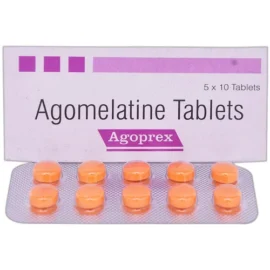
What Agoprex is and how it works
| Agoprex is a 25 mg agomelatine tablet supplied by Sun Pharma. Agomelatine is mechanistically unique among antidepressants: it acts as an agonist at melatonin MT1 and MT2 receptors and an antagonist at 5-HT2C serotonin receptors. The dual mechanism resynchronises disrupted circadian rhythms (a feature of major depression) while indirectly increasing dopamine and noradrenaline release in the frontal cortex. | Agomelatine has no SERT activity, no anticholinergic effects, and no histaminergic effects — explaining its very different side-effect profile from SSRIs and TCAs. | Indications and dosing | Indication |
|---|---|---|---|
| Szkizofrénia (IR) | Max | 400–800 mg/nap | 800 mg |
| Bipoláris mániás epizód | 50 mg napi kétszer (IR) vagy 300 mg lefekvéskor (SR) | 400–800 mg/nap | 800 mg |
| Bipoláris depresszió | Max | 300 mg lefekvés előtt | 600 mg |
| MDD kiegészítő terápia (SR) | Max | 150–300 mg lefekvéskor | 300 mg |
| GAD kiegészítő terápia (off-label) | Max | 50–150 mg lefekvéskor | — |
| Idősek | Target | 50–200 mg/nap | tolerancia alapján |
Fontos biztonsági megfontolások
Az összes atípusos antipszichotikum hordoz egy FDA fekete doboz figyelmeztetést a megnövekedett halálozási kockázat miatt (főleg cardiovascularis és fertőzéses okokból), amikor idős, demenciában szenvedő betegek viselkedészavarainak kezelésére használják. Az atípusos antipszichotikumok nincsenek jóváhagyva demenciával összefüggő pszichózis vagy agitáció kezelésére. Használatuk ebben a populációban off-label, utolsó lehetőség, időkorlátozott, és kifejezett kockázat-haszon beszélgetést igényel.
Súlygyarapodás, inzulinrezisztencia, diszlipidémia – az atípusos antipszichotikumok közül csak az olanzapin és a klozapin előzi meg ebben a tekintetben. Kötelező monitorozás kezdéskor, 12 héttel később, majd félévente: testsúly, éhomi vércukor/HbA1c, éhomi lipidprofil, vérnyomás. Tájékoztatni a beteget étrendről és testmozgásról a kezelés kezdetétől.
Az α1-antagonizmus ortosztatikus hypotóniát okoz, különösen idősebb betegeknél és a kezelés kezdetén. Lassan titrálni. Ülő és álló vérnyomás ellenőrzése a kontrollvizsgálatokon.
Az alacsony dózisú kvetiapin (25–50 mg lefekvéskor) széles körben használt off-label altatóként. A metabolikus terhelés ugyanakkora, függetlenül az indikációtól – a kvetiapin szedő betegek ugyanúgy híznak és fejlődik ki náluk inzulinrezisztencia, akár pszichózisra, akár alvászavarokra szedik. Az erre a célra kifejlesztett altatók (Z-agonista, alacsony dózisú doxepin, melatonin agonisták, viselkedésterápiás alvásjavító módszerek) általában biztonságosabb választás az elsődleges insomniában.
Antidepresszívumként történő alkalmazáskor a 25 év alattiaknál figyelemmel kísérni kell az öngyilkossági kockázatot.
Gyakori mellékhatások
- Sedation — univerzális; hasznosítható lefekvés előtti előnyként.
- Testsúlygyarapodás és anyagcserezavar — súlyos.
- Ortosztatikus hypotónia és szédülés — gyakori kezdetben.
- Szájszárazság, székrekedés — mérsékelt antikolinerg hatás.
- Tachycardia — gyakran észlelhető.
- EPS / akathisia — kevésbé gyakori, mint a riszperidon vagy az olanzapin esetében.
- Prolaktin — általában normális vagy alacsony.
- QT — szerény dózisfüggő meghosszabbodás.
Gyógyszerkölcsönhatások
- Erős CYP3A4 gátlók (azolok, klaritromicin, ritonavir, grépfrútlé) — többszörösére növelik a kvetiapin szintjét; csökkentse az adagot vagy kerülje.
- Erős CYP3A4 indukálók (rifampicin, karbamazepin, fenitoin, orbáncfű) — csökkentik a szintet; magasabb adag vagy váltás szükséges lehet.
- Egyéb QT-idejét meghosszabbító gyógyszerek – kumulatív kockázat.
- KNS depresszánsok — erős additív nyugtató hatás.
- Antihipertenzív szerek — additív ortosztatikus hatás.
Terhesség, szoptatás, gyermekkori kor
Terhesség: korlátozott adat; a késői terhesség alatti expozíció újszülöttkori EPS-t okozhat. Szoptatás: kis mennyiségben átkerül a tejbe; általában kompatibilis monitorozással. Gyermekkori: engedélyezett 13 éves kortól (skizofrénia), 10 éves kortól (bipoláris mániás epizód).
Tárolás
15–30 °C között tároljuk eredeti csomagolásban.
Gyakran Ismételt Kérdések
Miért olyan nyugtató a Seroquit?
Erős H1 antihisztamin hatás plusz α1-adrenerg blokád — ez a domináns farmakológia alacsony adagoknál. Az antipszichotikus dopamin-D2 hatás csak magasabb adagoknál dominál. A klinikai következtetés: 25–100 mg főleg altató hatású; 200–400 mg-nál kezdődik az antipszichotikus hatás; 600–800 mg az antipszichotikus dózistartomány.
Jó ötlet a Seroquit használata alvásra?
Valószínűleg nem. A quetiapin anyagcsere-terhelése azonos 25 mg és 800 mg esetén is — az alacsony dózisú quetiapint szedő betegek is ugyanúgy híznak, inzulinrezisztenciát fejlesztenek ki és kardio-metabolikus kockázatot halmoznak fel, mint a teljes antipszichotikus dózist szedők. A Z-ágenszek, alacsony dózisú doxepin, melatonin agonisták és a CBT-I általában biztonságosabbak elsődleges álmatlanság esetén.
Miért hatékony a Seroquit bipoláris depresszióban?
A norquetiapin metabolit gátolja a noradrenalin transzportert — antidepresszáns komponenst adva a szülőgyógyszer nyugtató-stabilizáló profiljához. A quetiapin és a lurasidon a két fő atípusos antipszichotikum, amelyek FDA jóváhagyást kaptak bipoláris depresszióra; a quetiapin nyugtatóbb, a lurasidon anyagcsere szempontjából kedvezőbb.
A Seroquit hízást okoz?
Igen — általában 3–7 kg-t 6 hónap alatt, néha többet. Dózisfüggő, de minden dózisnál jelentkezik. Kövesse nyomon a testsúlyt minden vizitnél és tanácsoljon táplálkozási/edzési intézkedéseket már az első héttől.
Mennyi idő, amíg a Seroquit hatni kezd?
Alváshatás: aznap éjszaka. Hangulat/szorongáscsökkentő hatás: 1–2 hét. Antipszichotikus hatás: 2–6 hét megfelelő dózis mellett. Bipoláris depresszióra gyakorolt hatás: 2–6 hét.
Mi a különbség az IR és SR quetiapin között?
Mindkettő ugyanazt a molekulát és ugyanazt az aktív metabolitot tartalmazza. Az SR/XR lassabban szállítja, ami laposabb nyugtatócsúcsot eredményez — jobb napi funkcionáláshoz és egyszerűbb egyszeri napi adagoláshoz. Az IR erősebb azonnali nyugtató hatással rendelkezik, ami hasznos lehet, ha esti nyugtatásra van szükség.
Lehet hirtelen abbahagyni a Seroquit szedését?
Fokozatosan csökkentse 2–4 hét alatt. A hirtelen abbahagyás kolinerg visszahatást okozhat (hányinger, izzadás, álmatlanság) és pszichotikus relapszust. Soha ne hagyja abba az orvosi utasítás nélkül.
Mi a helyzet a vezetéssel Seroquit szedése közben?
Kerülje a vezetést legalább az első 1–2 hétben minden új dózisnál. Sok beteg stabil esti adag mellett napközben normálisan vezet; néhányan a magasabb napi adagok vagy BID adagolás mellett túl nyugtatottak maradnak a biztonságos vezetéshez.
Összevehető a Seroquit SSRI-val?
Igen — a quetiapine SR az FDA által jóváhagyott kiegészítő terápia SSRI/SNRI mellett MDD-ben alacsony dózisokban (50–300 mg HS). Néha kezelésrezisztens szorongásban is használják.
Miért kerüljük a grapefruit levét?
A grapefruitlé erősen gátolja a bélrendszer CYP3A4 enzimjét. A kvetiapin CYP3A4 szubsztrát; a grapefruit jelentősen növeli a szintjét, ezzel fokozva a nyugtató hatást, az ortosztázist és a metabolikus terhelést. Kerülje a grapefruitot és grapefruitlevet Seroquit kezelés alatt.
Egyéb Pszichés Egészségügyi Gyógyszerek
- Aripicon (Aripiprazole — D2 részleges agonista)
- Olanzap (Olanzapin — erős antipszichotikum)
- Risdone (Risperidon)
- Seroquit (Kvetiapin — bipoláris depresszió)
- Atlura (Lurasidon — metabolikusan kedvező)
További lehetőségek a Pszichés Egészségügyi és Pszichiátriai Gyógyszerek között
Rangsorolva a MedsBase legutóbbi rendelési adatai alapján — hogy ebben a kategóriában más vásárlók mit választanak.
| Erősség | 25 mg, 50 mg, 100 mg |
|---|---|
| Mennyiség | 30 tabletta, 60 tabletta, 90 tabletta, 180 tabletta |
 Seroquit
Kérdések és válaszok
Seroquit
Kapcsolódó termékek

Vélemények
Még nincsenek vélemények