








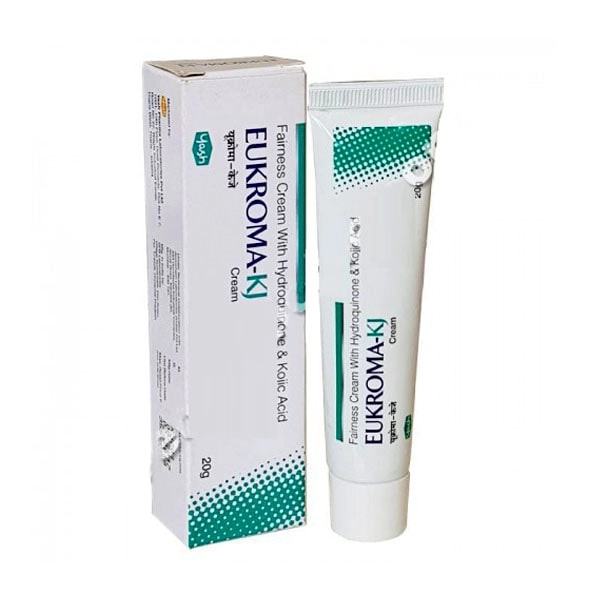
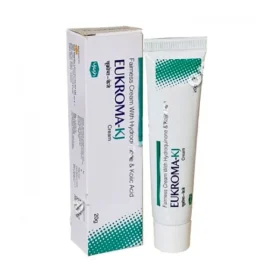
Eukroma Kj Cream
✅ Rozjaśnia koloryt skóry
✅ Zmniejsza pigmentację
✅ Leczy zaburzenia skóry
✅ Poprawia wygląd skóry
✅ Wspiera zdrowie skóry
✓ Zweryfikowany medycznie przez Morgan Ellis — Badacz farmaceutyczny · 8 lat doświadczenia · Ostatnia weryfikacja: maj 2026
⚡ Szybka odpowiedź — Co to jest krem Eukroma-KJ?
Eukroma-KJ Cream to miejscowy krem odbarwiający od Yash Pharma łączący hydrochinon 4% z kwas kojowy 2%. Dwa składniki aktywne hamują produkcję melaniny poprzez uzupełniające się mechanizmy — hydrochinon blokuje miejsce wiązania substratu enzymu tyrozynazy, podczas gdy kwas kojowy chelatuje miedź jako kofaktor — zapewniając silniejsze odbarwienie niż sam hydrochinon. Stosowany w przypadku melasma (ostuda), przebarwienia pozapalne (PIH) po trądziku oraz plam soczewicowatych. Nałóż cienką warstwę na ciemne plamy raz na noc; maksymalny ciągły cykl leczenia 4–6 miesiącach przed obowiązkową przerwą, aby uniknąć egzogennej ochronozy. Codzienne stosowanie szerokiego spektrum SPF 50+ jest obowiązkowe — ekspozycja na UV niweluje efekt w ciągu kilku dni. Przeciwwskazane w ciąży i podczas karmienia piersią. Od 2020 roku FDA ograniczyła stosowanie hydrochinonu do nadzoru specjalisty.
📦 Każde zamówienie jest objęte naszą Polityka Gwarancji Ponownej Wysyłki — jeśli Twoja przesyłka nie dotrze w ciągu 20 dni roboczych, wysyłamy ją ponownie.
Dlaczego warto zamawiać z MedsBase
Nasze leki generyczne pochodzą od producentów posiadających certyfikat WHO-GMP i są wysyłane na cały świat w dyskretnym, zwykłym opakowaniu — bez nazwy leku na zewnątrz przesyłki. Płatności kartami są kierowane przez regulowanego procesora (opis wyciągu zawiera nazwę regulowanego procesora płatności — nigdy “MedsBase” ani żadnej nazwy leku). Akceptujemy również kryptowaluty i przelewy bankowe SEPA. Każde zamówienie jest objęte naszą Reshipment Assurance Policy.
Co to jest Eukroma-KJ Cream?
Eukroma-KJ Cream to miejscowy krem odbarwiający od Yash Pharma, który łączy hydrochinon 4% — złoty standard wśród miejscowych środków odbarwiających — z kwas kojowy 2%, inhibitor tyrozynazy pochodzący z Aspergillus oryzae fermentacji. Przyrostek “-KJ” w nazwie handlowej oznacza Kformulację kwasu kojowego + hydrochinonu (czasem zapisywanego jako HJ); nie jest to wieloskładnikowa “mieszanka Kligmana” (która dodatkowo zawiera tretynoinę i kortykosteroid miejscowy).
Połączenie hydrochinonu z kwasem kojowym zajmuje pozycję pomiędzy jednoskładnikowym hydrochinonem (łagodniejszym, wolniejszym) a mieszanką Kligmana (szybszą, z większą liczbą działań niepożądanych). Kwas kojowy wzmacnia hamowanie tyrozynazy przez hydrochinon bez ryzyka atrofii sterydowej i odczynowego zapalenia skóry związanego z kremem zawierającym kortykosteroid, dlatego bezpieczny czas stosowania wynosi 4–6 miesiącach (porównywalny z jednoskładnikowym hydrochinonem), a nie 8-tygodniowy limit mieszanki Kligmana. Krem Eukroma-KJ jest produktem na receptę przeznaczonym do cyklicznego stosowania pod nadzorem lekarza — nie do nieograniczonego kosmetycznego rozjaśniania skóry.
Jak działa krem Eukroma-KJ?
Oba składniki aktywne oddziałują na enzym ograniczający tempo produkcji melaniny, tyrozynazę, ale w różnych punktach enzymu — dlatego połączenie jest silniejsze niż każdy składnik z osobna:
- Hydrochinon 4% konkuruje z naturalnym substratem enzymu (tyrozyna / DOPA) w miejscu aktywnym, blokując syntezę melaniny na etapie limitującym szybkość reakcji. W tym stężeniu powoduje również selektywną cytotoksyczność melanocytów, zmniejszając ogólną aktywność melanocytów w leczonym obszarze.
- Kwas kojowy 2% cheluje jon miedzi który znajduje się w centrum aktywnego miejsca tyrozynazy. Bez swojego kofaktora miedziowego tyrozynaza nie może katalizować syntezy melaniny. Kwas kojowy również wychwytuje wolne rodniki indukowane promieniowaniem UV, które aktywują melanocyty.
Widocznym efektem jest rozjaśnienie po 4–8 tygodniach, szczyt korzyści po 3–4 miesiącach, oraz utrzymanie efektu pod warunkiem przestrzegania protokołu cyklicznego. Efekt jest całkowicie zależne od UV — bez rygorystycznego codziennego stosowania SPF 50+, każda poprawa cofa się w ciągu kilku dni po ekspozycji na słońce bez ochrony, a kontynuowanie stosowania kremu na już reaktywowanej skórze paradoksalnie zwiększa ryzyko ochronozy.
— wzmacnia normalną odpowiedź fizjologiczną, a nie wywołuje ją sztucznie.
- Melasma (ostuda) — symetryczne brązowe plamy na policzkach, czole, górnej wardze, często spowodowane hormonami (ciąża, stosowanie COCP, okres okołomenopauzalny)
- Przebarwienia pozapalne (PIH) po trądziku, egzemie, oparzeniach lub laserze; szczególnie przydatny w przypadku skóry Fitzpatrick III–VI, gdzie PIH jest uporczywy
- Plamy soczewicowate słoneczne (plamy starcze, plamy słoneczne) na twarzy i grzbietach dłoni
- Przebarwienia okołoustne i okołogałkowe (stosować oszczędnie, unikając brzegów powiek i czerwieni wargowej)
- Terapia podtrzymująca po cyklu potrójnym wg Kligmana — przy zmniejszaniu dawki po 8-tygodniowej terapii potrójnej, krem Eukroma-KJ jest rozsądnym wyborem jako produkt podtrzymujący przez kolejne 4–6 miesięcy
Krem Eukroma-KJ nie jest odpowiedni dla: głębokiego melasmy skórno-pigmentowego (lepiej reaguje na laser lub peelingi chemiczne niż na preparaty miejscowe), uszkodzonej lub egzematycznej skóry, długotrwałego codziennego rozjaśniania skóry w celach kosmetycznych (grupa o najwyższym ryzyku ochronozy), piegów (ephelides — wywołane promieniowaniem UV i mają tendencję do nawrotów) lub stanów wymagających przepisania kortykosteroidów (dla których lepszym wyborem byłby krem potrójny Kligmana).
Dawkowanie i sposób stosowania kremu Eukroma-KJ
Krem Eukroma-KJ jest dostępny w postaci kremu w opakowaniach po 1, 3 lub 6 tubek zawierających 4% hydrochinonu i 2% kwasu kojowego. Nakładać wyłącznie na dotknięte ciemnymi plamami obszary, nie na całą twarz lub ciało.
Jak prawidłowo stosować krem Eukroma-KJ
- Delikatnie umyj delikatnym, niepieniącym się środkiem myjącym i osusz delikatnie. Odczekaj 20–30 minut aż skóra całkowicie wyschnie — nałożenie hydrochinonu na wilgotną skórę zwiększa uczucie pieczenia i nieprzewidywalne wchłanianie.
- Najpierw wykonaj test płatkowy. Nałóż ilość wielkości groszku na wewnętrzną stronę przedramienia raz dziennie przez 48–72 godziny przed zastosowaniem na twarz. Kwas kojowy powoduje alergiczne kontaktowe zapalenie skóry u 5–10% użytkowników — częściej niż sam hydrochinon — a pozytywny wynik testu płatkowego oznacza, że nie można stosować tego kremu.
- Nałóż cienką warstwę tylko na ciemne plamy, a nie na otaczającą zdrową skórę. Do precyzyjnego nakładania na małe obszary (np. okolice oczu lub ust) użyj patyczka kosmetycznego.
- Unikać oczy, powieki, kąciki ust, nozdrza, usta, błony śluzowe oraz przednią część szyi.
- Stosuj raz na noc to standardowy schemat stosowania. Niektórzy dermatolodzy zwiększają częstotliwość do dwóch razy dziennie (rano + wieczorem) po 2–3 tygodniach, jeśli krem jest dobrze tolerowany, ale zwiększa to ryzyko ochronozy i nie jest zalecane dla osób stosujących go po raz pierwszy.
- Maksymalny ciągły kurs: 4–6 miesięcy. Następnie zrób 2–3 miesięczną przerwę przed kolejnym cyklem stosowania. Nie przekraczaj 8 miesięcy całkowitego stosowania hydrochinonu w dowolnym 12-miesięcznym okresie.
- Codzienne stosowanie szerokospektralnego filtra SPF 50+ rano jest obowiązkowe — nie tylko podczas leczenia, ale także na stałe po jego zakończeniu. W przypadku melazmy preferowane są filtry mineralne (tlenek cynku lub dwutlenek tytanu) lub hybrydowe. Nakładaj ponownie co 2–3 godziny na zewnątrz. Noś kapelusz z szerokim rondem i całkowicie unikaj solarium.
- Przerwij natychmiast, jeśli jeśli zauważysz niebiesko-czarne lub szaro-szare przebarwienia w leczonych obszarach, uporczywe pieczenie, pęcherze lub nawrót ciemnienia. Nie kontynuuj leczenia przy tych objawach ostrzegawczych.
Skutki uboczne kremu Eukroma-KJ
Częste (łagodne; ustępują w ciągu pierwszych 2–3 tygodni):
- Lekkie przesuszenie lub łuszczenie się leczonego obszaru
- Pieczenie lub uczucie palenia podczas aplikacji (najsilniejsze w 1–2 tygodniu)
- Lekkie zaczerwienienie wokół leczonego obszaru
- Zwiększona wrażliwość na słońce leczonej skóry
Rzadsze:
- Kontaktowe zapalenie skóry o podłożu alergicznym — 5–10% przy tej kombinacji (kwas kojowy jest częstszym czynnikiem uczulającym niż sam hydrochinon)
- Efekt halo — rozjaśnienie zdrowej skóry bezpośrednio otaczającej leczoną plamę, tworząc widoczny pierścień. Zapobiegaj, stosując produkt wyłącznie na plamę.
- Przejściowy nawrót hiperpigmentacji po nagłym odstawieniu kremu bez produktu podtrzymującego lub SPF
Rzadkie, ale wymagają przerwania i konsultacji dermatologicznej:
- Ochronoza egzogenna — paradoksalna niebiesko-czarna lub szaro-szara pigmentacja; rozwija się przy ciągłym stosowaniu powyżej 6 miesięcy, szczególnie u osób z fototypem skóry Fitzpatrick V–VI przy stężeniach hydrochinonu 4% i wyższych. Może być trwała. Przerwij stosowanie kremu przy pierwszych podejrzeniach.
- Ciężkie kontaktowe zapalenie skóry z pęcherzami, sączeniem lub uporczywym pieczeniem
- Depigmentacja okolicy oczodołowej (spowodowana przeniesieniem produktu na powieki)
Ostrzeżenia i środki ostrożności
- Ciąża i karmienie piersią: przeciwwskazany. Hydrochinon jest w kategorii C FDA dla ciąży z 35% wchłanianiem systemowym po aplikacji na twarz. W przypadku melasmy ciążowej, przejdź na kwas azelainowy 15–20% (Kategoria B w ciąży) ze ścisłym SPF 50+.
- Ekspozycja na słońce: codzienne stosowanie szerokospektralnego SPF 50+ jest obowiązkowe. Bez niego efekt depigmentujący cofa się w ciągu kilku dni, a ryzyko ochronozy gwałtownie wzrasta.
- Protokół cykliczny: nigdy nie stosuj ciągle dłużej niż 6 miesięcy. Zrób 2–3 miesięczną przerwę między kuracjami. Nie przekraczaj 8 miesięcy stosowania hydrochinonu w żadnym 12-miesięcznym okresie.
- Działanie FDA w 2020 roku: wszystkie dostępne bez recepty produkty z hydrochinonem zostały wycofane z rynku amerykańskiego we wrześniu 2020. Hydrochinon jest obecnie dostępny wyłącznie pod nadzorem specjalisty w USA, UE, Japonii i większości Azji.
- Wrażliwość na kwas kojowy: pacjenci z wcześniejszym alergicznym kontaktowym zapaleniem skóry wywołanym przez kosmetyki zawierające kwas kojowy nie powinni stosować kremu Eukroma-KJ. Zamiast tego należy wybrać krem z jednoskładnikowym hydrochinonem.
- Skóra w typie Fitzpatricka V–VI: większe ryzyko ochronozy. Rozważ rozpoczęcie od niższego stężenia hydrochinonu (2%) przez 2–3 miesiące przed zwiększeniem do 4%.
- Nie nakładać na uszkodzoną skórę, czynne wypryski, silne oparzenia słoneczne ani otwarte rany.
- Woskowanie, nitkowanie, laserowe usuwanie owłosienia, dermabrazja, mikronakłuwanie, peelingi chemiczne: przerwij stosowanie kremu Eukroma-KJ na 7–10 dni przed którymkolwiek z tych zabiegów i nie wznawiaj stosowania, aż skóra całkowicie się zregeneruje.
- Dzieci poniżej 12 roku życia: nie stosować u dzieci.
Przeciwwskazania — Kto NIE powinien stosować kremu Eukroma-KJ
- Znana nadwrażliwość na hydrochinon, kwas kojowy lub jakikolwiek składnik preparatu
- Ciąża, planowanie ciąży lub karmienie piersią
- Aktywne wypryski, ciężkie trądzik różowaty, sączące się zapalenie skóry lub otwarte rany w miejscu, które ma być leczone
- Stwierdzona egzogenna ochronoza (niebiesko-czarne przebarwienia wywołane hydrochinonem)
- Wcześniej udokumentowane alergiczne kontaktowe zapalenie skóry wywołane przez produkt zawierający kwas kojowy
- Dzieci poniżej 12 roku życia
- Pacjenci niechętni do codziennego stosowania SPF 50+ i przestrzegania protokołu cyklicznego — stosunek ryzyka do korzyści nie uzasadnia stosowania
Interakcje leków i produktów do pielęgnacji skóry
| Łączyć z | Efekt | Co robić |
|---|---|---|
| Retinoidy miejscowe (tretynoina, adapalen, tazaroten) | Synergia — retinoid zwiększa penetrację hydrochinonu i przyspiesza wymianę pigmentu | Noc 1: Krem Eukroma-KJ na ciemne plamy. Noc 2: retinoid na całą twarz. Stosować naprzemiennie co noc lub nakładać warstwowo z 30-minutowym odstępem. Nie mieszać w dłoni. |
| Witamina C 10–15% (kwas L-askorbinowy) | Kompatybilne — uzupełniające hamowanie tyrozynazy + przeciwutleniacz UV | Witamina C rano pod SPF; krem Eukroma-KJ w nocy. |
| Niacynamid 5% | Kompatybilny — zmniejsza transfer melanosomów i wspiera barierę | Doskonałe uzupełnienie, zarówno w dzień, jak i w nocy. |
| Kwas azelainowy 15–20% | Kompatybilny — uzupełniające mechanizmy działania; także opcja podtrzymująca podczas przerwy w cyklu | Kwas azelainowy rano; krem Eukroma-KJ wieczorem. |
| Topikale na bazie arbutyny, deoksyarbutyny, rezorcynolu i fenolu | Nakładające się działanie depigmentujące + zwiększone ryzyko ochronozy | Unikaj łączenia podczas aktywnego stosowania kremu Eukroma-KJ. |
| Wysokoprocentowe serum AHA/BHA do pozostawienia na skórze (glikolowy >10%, salicylowy >2%) | Skumulowane podrażnienie, uszkodzenie bariery, ryzyko ochronozy | Ogranicz do rzadkiego, cotygodniowego peelingu podczas kuracji hydrochinonem. |
| Nadtlenek benzoilu / nadtlenek wodoru na tej samej powierzchni | Przyspiesza utlenianie hydrochinonu — zmniejsza skuteczność i może tymczasowo zabarwić skórę na żółto-brązowo | Stosuj BPO tylko rano; krem Eukroma-KJ wieczorem. Nigdy nie mieszaj ani nie nakładaj warstwowo. |
| Codzienny szerokospektralny SPF 50+ | Obowiązkowy dodatek — nie opcjonalny | Stosuj każdego ranka. Ponownie nakładaj co 2–3 godziny na zewnątrz. Używaj mineralnego/hybrydowego SPF przy melasmie. |
Instrukcja przechowywania
- Przechowywać w temperaturze pokojowej, 15–25°C. Trzymaj tubkę szczelnie zamkniętą i z dala od bezpośredniego światła słonecznego.
- Hydrochinon utlenia się (staje się brązowy lub szary) pod wpływem powietrza i światła oraz szybko traci skuteczność po przebarwieniu. Jeśli krem ściemniał, wyrzuć tubkę.
- Wyrzuć 6 miesięcy po pierwszym otwarciu, nawet jeśli produkt pozostaje.
- Przechowywać w miejscu niedostępnym dla dzieci.
Powiązane alternatywy w MedsBase
Inne produkty do depigmentacji i przeciw trądzikowi dostępne na MedsBase:
- Melrio Cream (hydrochinon + tretynoina + fluocinolon)
- Melacare Forte Cream (hydrochinon + tretynoina + mometazon)
- Kojiglo Forte Cream (hydrochinon + tretynoina + mometazon)
- Epilite Liquid (hydrochinon 2%)
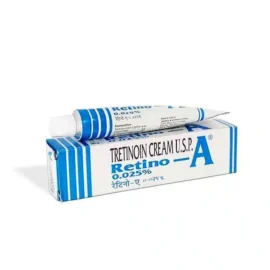
- Retino-A Cream (tretinoin 0.025% / 0.05%)
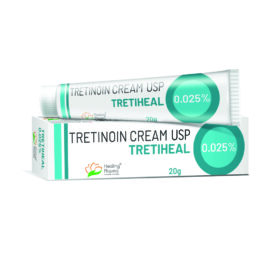
- Krem Tretiheal (tretinoina 0,025% / 0,05% / 0,1%)
- Isotroin (izotretynoina doustna 5/10/20/30 mg)
Przydatne lektury: Krem z tretynoiną vs żel · Tretinoina vs retinol · Wszystko, co chcesz wiedzieć o trądziku.
Najczęściej zadawane pytania
Kiedy zobaczę efekty kremu Eukroma-KJ?
Widoczne rozjaśnienie zaczyna się po 4–8 tygodniach; maksymalne korzyści po 3–4 miesiącach. Jeśli po 8 tygodniach nie widzisz żadnego rozjaśnienia, najprawdopodobniej albo pomijasz codzienny SPF (najczęstsza odwracalna przyczyna niepowodzenia), nakładasz na wilgotną lub niedawno umytą skórę, albo masz głęboką melasmę skórno-pigmentową, która wymaga lasera lub peelingu chemicznego zamiast preparatu miejscowego.
Dlaczego łączyć hydrochinon z kwasem kojowym?
Te dwa składniki aktywne hamują tyrozynazę (enzym limitujący szybkość syntezy melaniny) na różnych punktach enzymu. Hydrochinon konkuruje z naturalnym substratem tyrozynazy w miejscu aktywnym; kwas kojowy chelatuje miedź, która jest niezbędna do funkcjonowania enzymu. Działanie na oba te punkty jednocześnie jest silniejsze niż każde z osobna, a kwas kojowy dodatkowo neutralizuje wolne rodniki indukowane promieniowaniem UV, które aktywują melanocyty. W zamian za to obserwuje się nieco wyższe ryzyko alergicznego kontaktowego zapalenia skóry wywołanego kwasem kojowym (5–10% w porównaniu z 3–5% dla samego hydrochinonu).
Czym krem Eukroma-KJ różni się od kremu potrójnego według Kligmana (Melrio, Melacare, Kojiglo)?
Krem potrójny według Kligmana zawiera tretynoina (retinoid) oraz kortykosteroid miejscowy dodatkowo do hydrochinonu. Działa szybciej i silniej niż krem Eukroma-KJ, ale obecność sterydu ogranicza bezpieczne stosowanie do 8-tygodniowych cykli (dłuższe stosowanie powoduje atrofię skóry, teleangiektazje i trądzik różowaty wywołany sterydami). Krem Eukroma-KJ nie zawiera sterydów ani retinoidów, dlatego można go stosować w cyklach trwających 4–6 miesięcy. Wielu dermatologów przepisuje krem potrójny według Kligmana w agresywnej 8-tygodniowej fazie indukcyjnej, a następnie przechodzi na krem z hydrochinonem i kwasem kojowym, taki jak Eukroma-KJ, w fazie podtrzymującej.
Czy mogę stosować krem Eukroma-KJ w czasie ciąży lub karmienia piersią?
Nie. Hydrochinon jest sklasyfikowany przez FDA jako kategoria C w ciąży, z wchłanianiem ogólnoustrojowym do 35% przy aplikacji na twarz. W przypadku melasmy ciążowej należy przejść na kwas azelainowy 15–20% (Kategoria ciąży B) z rygorystycznym stosowaniem SPF 50+, co jest bezpieczne zarówno w ciąży, jak i podczas karmienia piersią.
Czym jest egzogenna ochronoza i jak jej uniknąć?
Egzogenna ochronoza to paradoksalne przebarwienie w kolorze niebiesko-czarnym lub szaro-szarym spowodowane ciągłym stosowaniem hydrochinonu dłużej niż 6 miesięcy, zwłaszcza w stężeniu 4% i na skórze typu V–VI w skali Fitzpatricka. Może to być trwała. Zapobieganie: (1) ścisłe maksymalne 4–6-miesięczne ciągłe stosowanie, (2) 2–3-miesięczna przerwa między cyklami, (3) codzienne stosowanie SPF 50+ bez wyjątków, (4) aplikacja tylko na zmienione miejsca — nigdy na zdrową skórę wokół — oraz (5) natychmiastowe zaprzestanie stosowania, jeśli leczone miejsca ciemnieją zamiast jaśnieć.
Dlaczego potrzebuję SPF 50+ każdego dnia?
Ekspozycja na UV reaktywuje melanocyty i cofa wszystkie efekty uzyskane dzięki kremowi Eukroma-KJ w ciągu kilku dni. Nawet przypadkowa ekspozycja na słońce (jazda samochodem, spacer do sklepu, siedzenie przy oknie) wystarczy, aby zniweczyć tygodnie stosowania kremu. Szerokospektralny SPF 50+ jest ważniejszy niż sam krem w długotrwałej kontroli hiperpigmentacji. Mineralne lub hybrydowe filtry przeciwsłoneczne (tlenek cynku i/lub dwutlenek tytanu) działają lepiej niż filtry chemiczne w przypadku melazmy, ponieważ blokują zarówno światło widzialne wywołujące pigmentację, jak i UV.
Czy mogę nakładać krem Eukroma-KJ razem z tretynoiną na noc?
Tak, ale nie jednocześnie na tej samej skórze. Nakładanie obu produktów bezpośrednio po sobie zwiększa ryzyko pieczenia i ochronozy. Praktyczne opcje to: (a) naprzemienne noce — krem Eukroma-KJ w noc 1, tretynoina w noc 2; lub (b) warstwowe nakładanie z 30-minutową przerwą między aplikacjami, aby pierwszy produkt w pełni się wchłonął. Nie mieszaj obu produktów w dłoni przed nałożeniem.
Co oznacza “efekt halo” i jak go uniknąć?
Efekt halo to niepożądane rozjaśnienie zdrowej skóry bezpośrednio wokół leczonej ciemnej plamy, co powoduje widoczny jaśniejszy pierścień. Jest to bezpośrednia konsekwencja nakładania kremu Eukroma-KJ poza krawędź ciemnej plamy na otaczającą skórę o normalnym kolorze. Zapobiegaj temu, stosując krem ściśle na plamie — używaj wacika do małych plam, nakładaj krem czystym opuszkiem palca do większych plam i nigdy nie “rozprowadzaj” na marginesie.
Czy mogę używać kremu Eukroma-KJ na szyi, klatce piersiowej lub dłoniach?
Tak. Stosowanie poza twarzą jest odpowiednie dla plam soczewicowatych na grzbiecie dłoni, przebarwień typu “nasłoneczniony naszyjnik” na przedniej części klatki piersiowej oraz pozapalnych śladów na kończynach. Ta sama procedura cykliczna (maksymalnie 4–6 miesięcy ciągłego stosowania) obowiązuje, a codzienne stosowanie SPF 50+ na leczonych obszarach jest obowiązkowe. Potrójne kombinacje Kligmana są otrzymuje, przechowuje, nie ma dostępu ani wglądu w dane osobowe przekazywane przez Ciebie dostawcy płatności. Proces weryfikacji odbywa się w całości na platformie dostawcy i podlega jego własnej polityce prywatności oraz standardom bezpieczeństwa. zalecane do stosowania poza twarzą, ponieważ steroid powoduje atrofię przy długotrwałej ekspozycji na obszarach ciała — krem Eukroma-KJ (bez steroidu) jest bezpieczniejszym wyborem poza twarzą.
Czy hydrochinon jest bezpieczny? Widziałam doniesienia, że powoduje raka.
IARC klasyfikuje hydrochinon jako Grupa 3 — nie można zaklasyfikować pod względem rakotwórczości u ludzi. Sygnał rakotwórczy w badaniach na zwierzętach nie potwierdził się w przypadku miejscowego stosowania u ludzi przez dziesięciolecia stosowania w dermatologii w stężeniu 2–4%. Prawdziwym problemem bezpieczeństwa jest egzogenną ochronozę (efekt uboczny w postaci przebarwień), a nie rak, i można go całkowicie uniknąć, stosując się do protokołu cyklicznego i codziennej ochrony SPF 50+.
Więcej opcji w kategorii Pielęgnacja skóry i urody
Ranking według liczby ostatnich zamówień MedsBase — co wybierają inni klienci w tej kategorii.


| Moc | 4%w/w + 2%w/w |
|---|---|
| Ilość | 1 Tubka, 3 Tubki, 6 Tubaek |
| Postać farmaceutyczna | Krem/y |
| Producent | Yash Pharma |
| Leczenie | Hiperpigmentacja, Melasma |
| Marka generyczna | Hydrochinon + Tretynoina + Mometazon |
 Eukroma Kj Cream
Pytania i odpowiedzi
Eukroma Kj Cream
Produkty powiązane



Opinie
Nie ma jeszcze opinii