








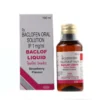
Bacloford 25 mg (baklofen) — ulga w spastyczności mięśni i skurczach

✅ Łagodzi skurcze mięśni
✅ Rozluźnia napięcie mięśniowe
✅ Wspiera elastyczność mięśni
✅ Poprawia ruchomość mięśni
✅ Ułatwia poruszanie się
Bacloford zawiera baklofen.
✓ Zweryfikowany medycznie przez Morgan Ellis — Badacz farmaceutyczny · 8 lat doświadczenia · Ostatnia weryfikacja: maj 2026
Szybka odpowiedź
Bacloford 25 mg zawiera baklofen, agonistę receptora GABA-B stosowanego w celu łagodzenia spastyczności i sztywności mięśni w stwardnieniu rozsianym, urazach rdzenia kręgowego, mózgowym porażeniu dziecięcym i innych schorzeniach neurologicznych. Tabletka 25 mg to opcja o wyższej sile działania dla pacjentów, którzy stopniowo zwiększali dawkę z niższych dawek (5–20 mg). Przyjmuje się ją trzy razy dziennie z posiłkiem, a zmiany dawkowania muszą być zawsze stopniowe — nagłe odstawienie może wywołać drgawki, halucynacje i nawrót spastyczności.
📦 Każde zamówienie jest objęte naszą Polityka Gwarancji Ponownej Wysyłki — jeśli Twoja przesyłka nie dotrze w ciągu 20 dni roboczych, wysyłamy ją ponownie.
Dlaczego warto zamawiać z MedsBase
Nasze leki generyczne pochodzą od producentów posiadających certyfikat WHO-GMP i są wysyłane na cały świat w dyskretnym, zwykłym opakowaniu — bez nazwy leku na zewnątrz przesyłki. Płatności kartami są kierowane przez regulowanego procesora (opis wyciągu zawiera nazwę regulowanego procesora płatności — nigdy “MedsBase” ani żadnej nazwy leku). Akceptujemy również kryptowaluty i przelewy bankowe SEPA. Każde zamówienie jest objęte naszą Reshipment Assurance Policy.
Co to jest Bacloford?
Bacloford to generyk produkowany w Indiach, będący odpowiednikiem baklofen, ośrodkowo działającego leku zwiotczającego mięśnie szkieletowe. Każda tabletka Bacloford zawiera 25 mg baklofenu, przeznaczonego dla pacjentów wymagających wyższych dawek niż standardowe dawki początkowe 10 mg lub 20 mg. Bacloford jest bioekwiwalentny w stosunku do międzynarodowych produktów markowych zawierających baklofen.
Jak działa Bacloford?
Baclofen jest strukturalnym analogiem hamującego neuroprzekaźnika kwasu gamma-aminomasłowego (GABA). Selektywnie aktywuje receptory GABA-B w rdzeniu kręgowym, zmniejszając uwalnianie pobudzających neuroprzekaźników (glutaminianu, asparaginianu) na zakończeniach presynaptycznych i powodując hiperpolaryzację neuronów ruchowych postsynaptycznych. Efektem netto jest tłumienie odruchów monosynaptycznych i polisynaptycznych, co klinicznie przekłada się na zmniejszenie napięcia mięśniowego, rzadsze mimowolne skurcze i poprawę mobilności u pacjentów z chorobą górnego neuronu ruchowego.
Wskazania
- Stwardnienie rozsiane (SM) — doustny lek pierwszego wyboru w leczeniu spastyczności
- Uraz rdzenia kręgowego — pourazowy i nieurazowy (zapalenie poprzeczne rdzenia, demielinizacja)
- Mózgowe porażenie dziecięce — dorośli i dzieci (pod nadzorem specjalisty)
- Spastyczność po udarze — lek drugiego wyboru po fizjoterapii
- Neuralgia trójdzielna — jako leczenie wspomagające poza wskazaniami rejestracyjnymi, gdy karbamazepina jest źle tolerowana
- Czkawka (oporna) — stosowanie poza wskazaniami rejestracyjnymi poparte seriami przypadków
Dawkowanie i sposób podania
| Grupa pacjentów | Dawka początkowa | Tytracja | Dawka podtrzymująca | Maksymalnie |
|---|---|---|---|---|
| Spastyczność u dorosłych (doustnie) | 5 mg trzy razy dziennie | +5 mg na dawkę co 3 dni | 30–80 mg/dobę w 3–4 dawkach podzielonych | 100 mg/dzień (pod nadzorem specjalisty) |
| Osoby w podeszłym wieku (>65 lat) | 5 mg dwa razy dziennie | Wolniejsze zwiększanie dawki | Najniższa skuteczna dawka | Ostrożność przy dawkach powyżej 60 mg/dzień |
| Niewydolność nerek (CrCl <30 ml/min) | 5 mg raz dziennie | Ostrożne zwiększanie dawki | Zmniejszona dawka | Unikać w ciężkiej niewydolności nerek; baklofen jest wydalany przez nerki. |
Jak stosować: połykać w całości z wodą, z posiłkiem lub krótko po nim, aby zmniejszyć nudności. Dawki należy równomiernie rozłożyć w ciągu dnia. Dawka 25 mg jest odpowiednia dla pacjentów już przyjmujących łączne dawki 60–75 mg na dobę. Nie rozpoczynać leczenia od dawki 25 mg — grozi to głęboką sedacją, depresją oddechową i upadkami.
Częste działania niepożądane
- Senność, sedacja (≈10–63%, zależne od dawki)
- Zawroty głowy, vertigo
- Osłabienie mięśni lub zmęczenie
- Nudności, suchość w ustach
- Zaparcia lub biegunka
- Ból głowy, łagodne zaburzenia świadomości
- Bezsenność u niektórych pacjentów (paradoksalna)
Poważne działania niepożądane — wymagają pomocy medycznej
- Silna senność lub trudności w oddychaniu — szczególnie przy jednoczesnym stosowaniu opioidów lub alkoholu
- Drgawki — zwłaszcza podczas odstawienia lub u pacjentów z padaczką
- Halucynacje lub nowo pojawiająca się dezorientacja
- Nowa lub nasilająca się depresja z myślami samobójczymi
- Zatrzymanie moczu
- Znaczna bradykardia lub hipotensja
Przeciwwskazania
- Znana nadwrażliwość na baklofen
- Aktywna choroba wrzodowa
- Niekontrolowana padaczka (względne przeciwwskazanie — może obniżyć próg drgawkowy)
Stosować ze szczególną ostrożnością w przypadku: niewydolności nerek, ciężkich zaburzeń psychicznych, choroby Parkinsona, autonomicznej dysrefleksji, historii nadużywania substancji, ciąży i karmienia piersią.
Interakcje lekowe
- Depresanty OUN — opioidy, benzodiazepiny, środki nasenne, leki przeciwhistaminowe, alkohol — dodatkowe działanie sedatywne i depresja oddechowa
- Trójpierścieniowe leki przeciwdepresyjne — dodatkowe osłabienie mięśni
- Leki przeciwnadciśnieniowe — nasilone obniżenie ciśnienia krwi
- Levodopa / karbidopa — możliwe działanie toksyczne na OUN, halucynacje
- Lithium — zgłaszano nasilenie objawów hiperkinetycznych
Przechowywanie
Przechowywać w temperaturze poniżej 25°C w suchym miejscu, z dala od bezpośredniego światła słonecznego. Przechowywać w oryginalnym opakowaniu blisterowym do momentu użycia. Przechowywać w miejscu niedostępnym dla dzieci. Nie stosować po upływie daty ważności wydrukowanej na opakowaniu.
Najczęściej zadawane pytania
Czy Bacloford 25 mg to to samo co Lioresal?
Tak — zarówno Bacloford, jak i Lioresal zawierają baklofen jako substancję czynną. Bacloford to generyczny lek indyjski certyfikowany przez WHO-GMP; cząsteczka, mechanizm działania i efekt kliniczny są identyczne przy stosowaniu w tej samej dawce.
Jak szybko działa baklofen na skurcze mięśni?
Początkowa ulga w napięciu mięśniowym jest zwykle odczuwalna w ciągu 60–90 minut po pierwszej dawce, ale maksymalne korzyści rozwijają się przez 1–2 tygodnie regularnego stosowania w miarę zwiększania dawki. Leczenie spastyczności rzadko przynosi natychmiastową poprawę.
Czy mogę pić alkohol podczas przyjmowania Baclofordu?
Unikaj alkoholu. Zarówno alkohol, jak i baklofen działają depresyjnie na ośrodkowy układ nerwowy; ich połączenie znacznie zwiększa ryzyko głębokiej sedacji, upadków, spowolnienia oddechu i zaburzeń koordynacji.
Co się stanie, jeśli nagle odstawię Bacloford?
Nagłe odstawienie może wywołać drgawki, żywe halucynacje, silny nawrót spastyczności, gorączkę i dezorientację — szczególnie jeśli przyjmowałeś lek dłużej niż kilka tygodni. Zawsze zmniejszaj dawkę stopniowo pod nadzorem lekarza.
Czy baklofen można stosować na ból nerwowy?
Baklofen jest zarejestrowany głównie do leczenia spastyczności, ale istnieją dowody na jego stosowanie poza wskazaniami w neuralgii trójdzielnej (zwłaszcza gdy karbamazepina jest źle tolerowana) oraz w niektórych zespołach bólu neuropatycznego z komponentą spastyczności. Nie jest lekiem pierwszego wyboru w czystej neuropatii obwodowej — preferowane są gabapentyna lub pregabalina.
Czy Bacloford jest bezpieczny w ciąży?
Baklofen przenika przez łożysko. Badania na zwierzętach wykazują niskie ryzyko, ale dane dotyczące ludzi są ograniczone. Stosuj tylko wtedy, gdy korzyść dla matki wyraźnie przewyższa potencjalne ryzyko dla płodu. Skonsultuj się z ginekologiem.
Czy mogę prowadzić samochód przyjmując Bacloford?
Senność i zawroty głowy są bardzo częste, szczególnie podczas ustalania dawki i przy maksymalnym stężeniu we krwi (2–3 godziny po każdej dawce). Nie prowadź pojazdów ani nie obsługuj maszyn, dopóki nie wiesz, jak lek na Ciebie wpływa.
Czym różni się Bacloford od Baclofordu 10 mg?
Zawierają tę samą substancję czynną, baklofen — różni się jedynie dawka. Tabletka 25 mg jest odpowiednia dla pacjentów wymagających wyższych dawek podtrzymujących (60 mg/dzień i więcej). Większość dorosłych zaczyna od 5 mg trzy razy dziennie, a następnie stopniowo zwiększa dawkę.
Czy baklofen wchodzi w interakcje z moimi lekami na ciśnienie?
Baklofen może nasilać działanie leków przeciwnadciśnieniowych, szczególnie u pacjentów w podeszłym wieku. Należy monitorować ciśnienie krwi przy rozpoczynaniu terapii, zwiększaniu dawki lub dodawaniu nowego leku na nadciśnienie oraz zgłaszać zawroty głowy przy wstawaniu.
Czy baklofen może pomóc w zmniejszeniu ochoty na alkohol?
Wysokie dawki baklofenu były badane pod kątem leczenia zaburzeń związanych z używaniem alkoholu, ale wyniki są niejednoznaczne. Nie jest on zarejestrowany do tego wskazania i powinien być stosowany wyłącznie pod nadzorem specjalisty — stosowane dawki są znacznie wyższe niż standardowe dawki przeciwkurczowe.
Czy Bacloford jest substancją kontrolowaną w jakimś kraju?
Baklofen nie jest substancją kontrolowaną w większości jurysdykcji. Istnieje ryzyko nadużycia i przedawkowania, szczególnie u osób z historią nadużywania substancji, ale nie podlega on standardowej klasyfikacji narkotyków.
Zobacz też: Gabasign 300 / 600 mg — generyczna postać gabapentyny firmy Cipla — ta sama cząsteczka zatwierdzona przez FDA, pełny zakres dawek od 300 mg na początek do 600 mg w leczeniu podtrzymującym.
Zobacz też: Synaptol 150 mg — alternatywa dla tolperyzonu, gdy sedacja wywołana cyklobenzapryną jest nieakceptowalna — działa ośrodkowo bez senności związanej z blokadą receptora H1.
Pacjenci, którzy źle tolerują Bacloford 25 mg (baklofen) z powodu zmęczenia lub sedacji często przechodzą na Synaptol (tolperyzon 50 mg) — niesedatywna alternatywa na spastyczność i bolesne skurcze mięśni, która pozwala na normalną jazdę samochodem i pracę.
Powiązane alternatywy
Inne produkty w Choroby przewlekłe które klienci również przeglądają:
Więcej opcji w leczeniu bólu neuropatycznego
Ranking według liczby ostatnich zamówień MedsBase — co wybierają inni klienci w tej kategorii.
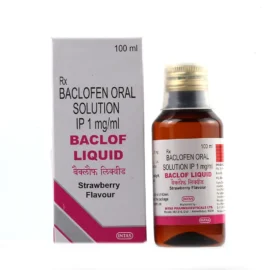

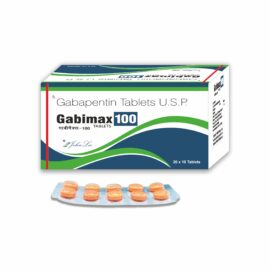

| Moc | 25 mg |
|---|---|
| Ilość | 30 tabletek, 60 tabletek, 90 tabletek, 180 tabletek |
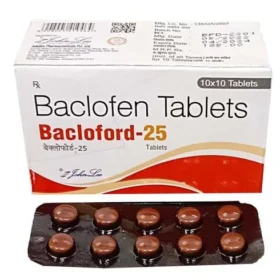 Bacloford 25 mg (Baclofen) — łagodzenie spastyczności i skurczów mięśni
Pytania i odpowiedzi
Bacloford 25 mg (Baclofen) — łagodzenie spastyczności i skurczów mięśni
Produkty powiązane


Opinie
Nie ma jeszcze opinii