







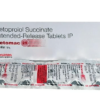
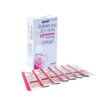
Mefque
✅ Zapobiega malarii
✅ Skuteczny wobec malarii opornej na chlorochinę
✅ Wygodne dawkowanie raz w tygodniu
✅ Dobrze tolerowany przez większość osób
✅ Nadaje się do długotrwałego stosowania
Mefque zawiera Meflochinę.
✓ Zweryfikowany medycznie przez Morgan Ellis — Badacz farmaceutyczny · 8 lat doświadczenia · Ostatnia weryfikacja: maj 2026
Szybka odpowiedź
Mefque zawiera meflochina 250 mg (Cipla). Jest to opcja chemioprofilaktyki przyjmowana raz w tygodniu w przypadku malarii opornej na chlorochinę w Afryce Subsaharyjskiej, Indiach, Azji Południowo-Wschodniej (z wyłączeniem granicy tajlandzko-kambodżańskiej i tajlandzko-birmańskiej) oraz w Amazonii. Dawka dla dorosłych: 250 mg raz w tygodniu, rozpoczęta 2–3 tygodnie przed podróżą (w celu zidentyfikowania nietolerancji i osiągnięcia stanu stabilnego), kontynuowane podczas podróży oraz kontynuowane 4 tygodnie po powrocie. Przyjmować z pełnym posiłkiem i wodą. Obowiązkowa próbna dawka przed podróżą 3 tygodnie przed wyjazdem — jeśli wystąpią działania niepożądane neuropsychiatryczne, należy przejść na doksycyklinę lub atowakwon-proguanil przed lotem. Przeciwwskazane u pacjentów z obecną lub przeszłą depresją, uogólnionym zaburzeniem lękowym, psychozą, schizofrenią, zaburzeniem afektywnym dwubiegunowym, zaburzeniami napadowymi lub znaczną nieprawidłowością przewodzenia serca.
🛡️ Każde zamówienie jest objęte naszą Polityka Gwarancji Ponownej Wysyłki — jeśli Twoja przesyłka nie dotrze w ciągu 20 dni roboczych, wysyłamy bezpłatną wymianę kurierem EMS lub ITPS.
Dlaczego warto zamawiać z MedsBase
Mefque pochodzi od producenta certyfikowanego przez WHO-GMP i jest wysyłany na całym świecie w dyskretnym opakowaniu. Każde zamówienie jest objęte naszą Polityka Gwarancji Ponownej Wysyłki i wspierane przez naszą Ponad 1400 opinii klientów. Wysyłka na całym świecie bez wymaganej recepty.
O Mefque
Mefque to tabletka zawierająca 250 mg chlorowodorku meflochiny, wyprodukowana przez Cipla w warunkach certyfikowanych przez WHO-GMP. Meflochina została opracowana przez Walter Reed Army Institute of Research w USA w latach 70. XX wieku i pozostaje jednym z trzech nowoczesnych opcji (obok doksycykliny i atowakwon-proguanilu) w profilaktyce na obszarach opornych na chlorochinę. Długi okres półtrwania umożliwia dawkowanie raz w tygodniu — co jest wygodne podczas długich podróży.
Jak działa meflochina
Meflochina jest lekiem przeciwmalarycznym z grupy 4-chinolinometanoli. Podobnie jak chlorochina, zakłóca detoksykację hemu przez pasożyta w wodniczce pokarmowej, ale jest aktywna wobec wielu szczepów opornych na chlorochinę, ponieważ nie zależy od tego samego mechanizmu transportu pasożyta. Ma również aktywność wobec krwinkowych postaci P. falciparum, P. vivax, P. ovale i P. malariae. Meflochina ma znaczną penetrację do OUN — pożądaną dla skuteczności parazytologicznej, ale będącą źródłem jej działań niepożądanych neuropsychiatrycznych.
Okres półtrwania wynosi ~ 2–3 tygodnie. Dawkowanie raz w tygodniu osiąga stan stabilny w 7–9 tygodniu; dlatego większość władz zaleca rozpoczęcie 2–3 tygodnie przed podróżą.
Wskazania i dawkowanie
| Wskazanie | Dawka | Harmonogram |
|---|---|---|
| Chemioprofilaktyka, dorośli | 250 mg raz w tygodniu | Rozpocząć 2–3 tygodnie przed wejściem na obszar malaryczny; kontynuować co tydzień podczas narażenia; kontynuować 4 tygodnie po powrocie. |
| Chemioprofilaktyka pediatryczna (≥ 5 kg) | 5 mg/kg raz w tygodniu (maks. 250 mg) | Ten sam harmonogram rozpoczęcia/kontynuacji/zakończenia. Połowa tabletki dla mniejszych dzieci — dokładna dawka mg/kg ma znaczenie. |
| Ostra niepowikłana malaria chlorochinooporna P. falciparum, dorośli | 750 mg w pojedynczej dawce, następnie 500 mg po 6–12 h (łącznie 1250 mg) | Dawki terapeutyczne powodują znacznie więcej skutków ubocznych niż dawki profilaktyczne. Współczesne zalecenia WHO preferują terapię skojarzoną z artemizyniną, jeśli jest dostępna. |
| Doraźne samoleczenie awaryjne w przypadku podejrzenia malarii | 750 mg + 500 mg jak powyżej | Dla podróżujących w obszarach bez szybkiego dostępu do opieki medycznej, u których wystąpiła gorączkowa choroba zgodna z malarią. Nie zastępuje oceny lekarskiej. |
Efekty uboczne
- Częste (10–25%): nudności, zawroty głowy, żywe sny, łagodna bezsenność, ból głowy.
- Mniej częste (5–10%): niepokój, zmiany nastroju, zmęczenie, dolegliwości żołądkowo-jelitowe, łagodne wypadanie włosów, nadwrażliwość na światło.
- Rzadkie, ale istotne: depresja (czasem ciężka), myśli samobójcze, paranoja, halucynacje, ataki paniki, objawy dysocjacyjne — często utrzymują się po odstawieniu leku.
- Rzadkie, ale poważne: drgawki, encefalopatia, blok przedsionkowo-komorowy, bradykardia, ciężkie reakcje skórne (zespół Stevensa-Johnsona, toksyczna nekroliza naskórka), agranulocytoza, ciężka hepatotoksyczność, ciężkie zaburzenia przedsionkowe.
- Ciąża: może być stosowany w drugim i trzecim trymestrze w profilaktyce i leczeniu; dane dotyczące pierwszego trymestru są uspokajające, ale ograniczone. Stosować najniższą skuteczną dawkę.
Interakcje lekowe
| Interakcja | Efekt | Management |
|---|---|---|
| Chlorochina/hydroksychlorochina | Dodatkowa kardiotoksyczność + obniżony próg drgawkowy | Unikać kombinacji — stosować jeden lek przeciwmalaryczny. |
| Leki przeciwdrgawkowe (karbamazepina, fenytoina, kwas walproinowy) | Meflochina może obniżać próg drgawkowy i zmniejszać poziom leków przeciwdrgawkowych poprzez indukcję CYP3A4 | Meflochina jest przeciwwskazana u pacjentów z zaburzeniami napadowymi. |
| Beta-blokery / antagoniści kanału wapniowego / digoksyna | Dodatkowa bradykardia / blok AV | Konsultacja kardiologiczna; rozważ zastosowanie alternatywnego leku przeciwmalarycznego. |
| Halofantryna | Opisywano ciężkie wydłużenie QTc i przypadki śmiertelnych zaburzeń rytmu | Bezwzględne przeciwwskazanie. |
| Ketokonazol / silne inhibitory CYP3A4 | Podwyższenie poziomu meflochiny + efekt wydłużający QTc | Unikaj kombinacji. |
| Ryfampicyna / ryfabutyna / silne induktory CYP3A4 | Obniżenie poziomu meflochiny – ryzyko nieskuteczności profilaktycznej | Unikać kombinacji; wybrać alternatywny lek przeciwmalaryczny. |
| Leki wydłużające QT (azytromycyna, ondansetron, leki przeciwpsychotyczne, SSRI / TLPD) | Dodatkowe wydłużenie odstępu QT | Unikać u pacjentów z zaburzeniami elektrolitowymi lub przedłużonym QT w wywiadzie. |
| Żywa doustna szczepionka przeciw durowi brzusznemu (Ty21a) | Meflochina dezaktywuje żywą szczepionkę | Zakończ pełną serię szczepień co najmniej 12 godzin przed przyjęciem meflochiny. |
Przeciwwskazania i środki ostrożności
- Bezwzględne: nadwrażliwość na meflochinę lub pokrewne chinolinowe leki przeciwmalaryczne; obecna lub przeszła ciężka depresja, uogólnione zaburzenie lękowe, psychoza, schizofrenia, zaburzenie afektywne dwubiegunowe, padaczka; ciężkie zaburzenia przewodzenia sercowego (blok AV wysokiego stopnia, ciężka bradykardia); jednoczesne stosowanie halofantryny.
- Szczególna ostrożność: przebyta depresja/lęk obecnie nieaktywna, niedawne urazowe uszkodzenie mózgu, ciężka niewydolność wątroby lub nerek, zaburzenia przedsionkowe.
- Ciąża: można stosować po pierwszym trymestrze; dane dotyczące pierwszego trymestru są ograniczone, ale uspokajające. Nieleczona malaria wywołana przez Plasmodium falciparum w ciąży jest znacznie bardziej niebezpieczna.
- Karmienie piersią: można stosować — wydzielana w niewielkich ilościach do mleka matki, niewystarczających do profilaktyki u niemowlęcia.
Przechowywanie
Przechowywać w temperaturze poniżej 30°C w suchym miejscu, w oryginalnym opakowaniu. Przechowywać w miejscu niedostępnym dla dzieci.
Najczęściej zadawane pytania
Dlaczego należy rozpocząć przyjmowanie Mefque 2–3 tygodnie przed podróżą?
Dwa powody: aby wcześnie wykryć nietolerancję neuropsychiatryczną (aby można było zmienić lek przeciwmalaryczny przed lotem) oraz aby umożliwić wzrost stężenia we krwi do stanu ustalonego. Niektóre źródła zalecają 3 tygodnie; minimum to 2 tygodnie.
Kto NIE powinien przyjmować meflochiny?
Osoby z obecną lub przeszłą depresją, uogólnionym zaburzeniem lękowym, psychozą, schizofrenią, zaburzeniem afektywnym dwubiegunowym, padaczką, ciężkimi zaburzeniami przewodzenia sercowego, niedawnym urazowym uszkodzeniem mózgu lub silnym wywiadem rodzinnym w kierunku ciężkich chorób psychicznych. Tacy pacjenci powinni wybrać doksycyklinę (Cendox) lub atowakwon-proguanil.
Co zrobić, jeśli mam żywe sny?
Same żywe sny są częste (15–20%) i często tolerowane. Ciężkie koszmary, zaburzenia snu, lęk lub zmiany nastroju są powodem do zmiany leku przeciwmalarycznego — zrób to PRZED lotem, gdy masz jeszcze dostępne alternatywy.
Czy meflochina jest nadal powszechnie stosowana?
Tak, w profilaktyce w ciąży (gdzie atowakwon-proguanil jest mniej ugruntowany, a doksycyklina jest przeciwwskazana) oraz u podróżnych preferujących cotygodniowe dawkowanie podczas długich podróży. Wiele klinik medycyny podróży obecnie preferuje atowakwon-proguanil, gdy koszt i profil działań niepożądanych są istotne; meflochina pozostaje ważnym wyborem po starannym teście dawkowania.
Czy mogę przyjmować Mefque i pić alkohol?
Umiarkowane spożycie alkoholu jest dopuszczalne. Nadużywanie alkoholu nasila działanie na OUN (zawroty głowy, niepokój, zaburzenia nastroju) i powinno być unikane.
Czy meflochina powoduje trwałe uszkodzenie mózgu?
Większość działań niepożądanych ustępuje po odstawieniu leku. Nieliczni pacjenci zgłaszają utrzymujące się objawy (“zespół post-meflochinowy”). Mechanizm jest niejasny, a częstość występowania budzi kontrowersje. 3-tygodniowa próbna dawka przed podróżą istnieje specjalnie po to, aby zidentyfikować pacjentów, którzy nie powinni kontynuować przyjmowania leku przed rozwojem trwałych efektów.
Czy mogę przyjmować Mefque w ciąży?
Tak — meflochina jest jednym z preferowanych leków przeciwmalarycznych w profilaktyce u kobiet w ciąży po pierwszym trymestrze. Dane dotyczące pierwszego trymestru są uspokajające, ale ograniczone. Nieleczona malaria falciparum w ciąży jest znacznie bardziej niebezpieczna niż meflochina.
Co zrobić, jeśli zapomnę przyjąć tygodniową dawkę?
Przyjmij ją jak najszybciej, gdy sobie przypomnisz. Jeśli minęło więcej niż 3 dni, przyjmij ją i wróć do pierwotnego harmonogramu przyjmowania w danym dniu tygodnia w następnym tygodniu. Nie przyjmuj podwójnej dawki.
Dlaczego dawka różni się w leczeniu i profilaktyce?
Profilaktyka zapobiega powstaniu infekcji pasożytniczej — wystarczają umiarkowane stężenia leku we krwi w stanie stacjonarnym. Leczenie musi usunąć istniejące obciążenie pasożytnicze — potrzebne są znacznie wyższe dawki szczytowe (łącznie 1250 mg w ciągu 12 godzin), z proporcjonalnie większymi działaniami niepożądanymi.
Czy powinienem przyjmować Mefque z posiłkiem?
Tak — przyjmowanie leku z pełnym posiłkiem znacznie zmniejsza nudności i poprawia wchłanianie. Unikaj przyjmowania na pusty żołądek.
Czy mogę przyjmować meflochinę w leczeniu malarii, jeśli zachoruję podczas podróży?
Samoleczenie przypuszczalnej malarii jest zarezerwowane dla podróżujących w odległych obszarach bez dostępu do opieki medycznej. Jeśli możesz uzyskać pomoc medyczną, skorzystaj z niej — współczesna terapia skojarzona z artemizyną jest bezpieczniejsza i bardziej skuteczna w przypadku potwierdzonej infekcji. Dawki lecznicze meflochiny powodują znacznie więcej skutków ubocznych niż dawki profilaktyczne.
Inne tabletki na malarię
- Cendox 100 mg — Doksycyklina — codzienna alternatywa dla podróżujących z neuropsychiatrycznymi przeciwwskazaniami do meflochiny
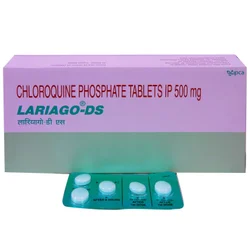
- Lariago 250 mg — Chlorochina — tylko dla nielicznych pozostałych destynacji wrażliwych na chlorochinę
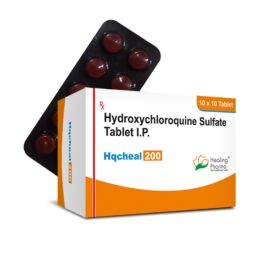
- HCQS 200/400 mg — Hydroksychlorochina — alternatywna aminochinolina z zastosowaniem w chorobach autoimmunologicznych
- Prymachina 15 mg — Radykalne leczenie nawrotowej malarii P. vivax / P. ovale — wymagany test G6PD
- Chinina 300 mg — Chinina — leczenie drugiego rzutu dla chlorochinoopornego P. falciparum
Więcej opcji w Tabletki na malarię
Ranking według liczby ostatnich zamówień MedsBase — co wybierają inni klienci w tej kategorii.


| Moc | 250 mg |
|---|---|
| Ilość | 4 Tabletki, 8 Tabletek, 12 Tabletek, 24 Tabletek |
Pytania i odpowiedzi
Produkty powiązane


Opinie
Nie ma jeszcze opinii