







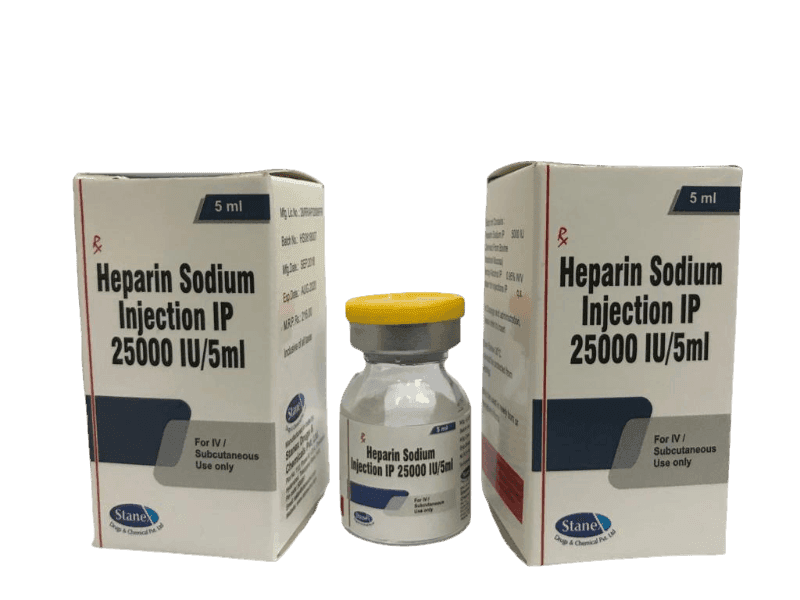
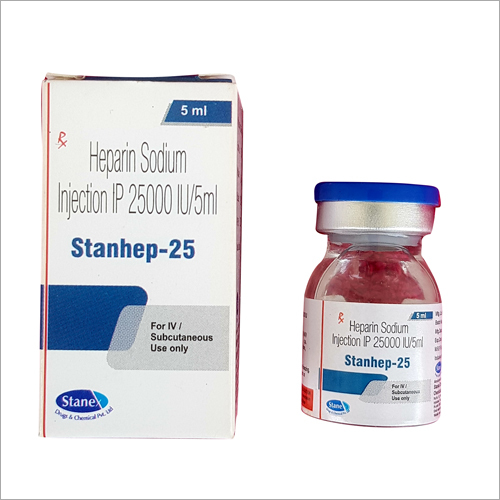
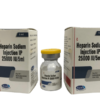
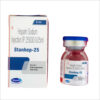
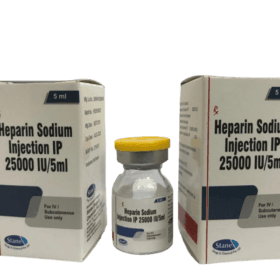
Stanhep 25 Iniekcja heparyny sodowej
✅ Zapobiega powstawaniu zakrzepów krwi
✅ Zmniejsza ryzyko zakrzepów
✅ Leczy zakrzepicę
✅ Minimalizuje ryzyko zatorowości
✅ Poprawia przepływ krwi
Stanhep 25 zawiera heparynę sodową.
✓ Zweryfikowany medycznie przez Morgan Ellis — Badacz farmaceutyczny · 8 lat doświadczenia · Ostatnia weryfikacja: maj 2026
⚡ Szybka odpowiedź — Co to jest Stanhep 25?
Stanhep 25 to 25 000 IU na 5 ml fiolka niefrakcjonowanej heparyny sodowej do wstrzykiwań od producenta certyfikowanego przez WHO-GMP — pośredni parenteralny antykoagulant podawany w infuzji dożylnej lub podskórnie w warunkach szpitalnych. Heparyna działa poprzez wzmacnianie antytrombiny, która następnie dezaktywuje trombinę (IIa) i czynnik Xa. Początek działania jest natychmiastowy (dożylnie), a okres półtrwania krótki (60-90 minut) — co czyni ją antykoagulantem z wyboru, gdy liczy się szybki początek działania, szybkie ustąpienie efektu i możliwość odwrócenia protaminą (ostre zespoły wieńcowe, okres okołooperacyjny, dializa, niewydolność nerek, gdzie kumuluje się heparyna drobnocząsteczkowa). Dawkowanie jest oparte na masie ciała i dostosowywane do aPTT 1,5-2,5x wartości wyjściowej lub anty-Xa 0,3-0,7 IU/mL. Głównym zagrażającym życiu powikłaniem jest małopłytkowość wywołana heparyną (HIT), reakcja immunologiczna zwykle pojawiająca się między 5. a 10. dniem. Odtrutka: siarczan protaminy. Jest to produkt wyłącznie szpitalny, podawany pod nadzorem medycznym — nie do samodzielnego wstrzykiwania.
📦 Każde zamówienie jest objęte naszą Polityka Gwarancji Ponownej Wysyłki — jeśli Twoja przesyłka nie dotrze w ciągu 20 dni roboczych, wysyłamy ją ponownie.
Dlaczego warto zamawiać z MedsBase
Nasze leki generyczne pochodzą od producentów posiadających certyfikat WHO-GMP i są wysyłane na cały świat w dyskretnym, zwykłym opakowaniu — bez nazwy leku na zewnątrz przesyłki. Płatności kartami są kierowane przez regulowanego procesora (opis wyciągu zawiera nazwę regulowanego procesora płatności — nigdy “MedsBase” ani żadnej nazwy leku). Akceptujemy również kryptowaluty i przelewy bankowe SEPA. Każde zamówienie jest objęte naszą Reshipment Assurance Policy.
Co to jest Stanhep 25?
Stanhep 25 to niefrakcjonowana heparyna (UFH) sodowa 25 000 IU na 5 ml fiolkę do wstrzykiwań od producenta certyfikowanego przez WHO-GMP, dostarczana w opakowaniach po 1-10 fiolek. UFH to prototypowy parenteralny antykoagulant stosowany w praktyce klinicznej od lat 30. XX wieku. Pomimo wzrostu popularności heparyn drobnocząsteczkowych (LMWH) i DOAC, zachowuje kluczowe znaczenie w sytuacjach, gdy liczy się szybki początek działania, szybkie ustąpienie efektu i możliwość odwrócenia protaminą.
Jak działa heparyna?
Heparyna wiąże antytrombinę III za pomocą sekwencji pentasacharydowej i przyspiesza około 1000-krotnie hamowanie przez antytrombinę trombiny (czynnika IIa) i czynnika Xa. UFH hamuje IIa i Xa mniej więcej w równym stopniu; LMWH preferencyjnie hamują Xa. Początek działania jest natychmiastowy po podaniu dożylnym; po podaniu podskórnym — 20-30 minut. Okres półtrwania w osoczu wynosi 60-90 minut, zależnie od dawki, co pozwala na szybkie ustąpienie efektu.
Zatwierdzone zastosowania
- Zespół wieńcowy ostry (NSTEMI / niestabilna dławica piersiowa, STEMI) — z lekami przeciwpłytkowymi i PCI
- Ostra żylna choroba zakrzepowo-zatorowa (DVT, PE) — szczególnie gdy LMWH jest niewskazany (ciężka niewydolność nerek, planowane zabiegi)
- Mostowanie okołooperacyjne u pacjentów przewlekle stosujących leki przeciwzakrzepowe poddawanych zabiegom chirurgicznym
- Krążenie pozaustrojowe i obwody ECMO
- Ciągła terapia nerkozastępcza (CRRT) i hemodializa — antykoagulacja obwodu
- Drożność cewników i linii — płukanie małą dawką (oddzielne preparaty o mniejszej sile)
- Mostowanie przed kardiowersją w migotaniu przedsionków
Dawkowanie i monitorowanie
| Wskazanie | Dawka nasycająca | Dawka podtrzymująca | Docelowa |
|---|---|---|---|
| Ostra choroba zakrzepowo-zatorowa (leczenie) | 80 IU/kg bolus dożylny | 18 IU/kg/h wlew dożylny | aPTT 1,5–2,5× wartość wyjściowa |
| ACS | 60 IU/kg (maks. 4 000 IU) | 12 IU/kg/h (maks. 1 000 IU/h) | aPTT 50–70 s |
| Profilaktyka podskórna | — | 5 000 IU podskórnie co 8–12 h | Brak rutynowego monitorowania |
| Kardiopulmonalne omijanie | 300–400 IU/kg dożylnie | Ponowne dawkowanie w celu utrzymania ACT | ACT >480 s |
Monitoruj aPTT lub anty-Xa (0,3–0,7 IU/ml) co 6 godzin po rozpoczęciu lub zmianie dawki, następnie codziennie po ustabilizowaniu. Sprawdź wyjściowe FBC, PT, aPTT, fibrynogen, funkcję nerek i wątroby.
Heparynooporna małopłytkowość (HIT)
Działania niepożądane
- Krwawienie (współczynnik poważnych krwawień ~5% przy terapeutycznej heparynie dożylnej)
- Heparynooporna małopłytkowość (HIT) — typ II, immunologiczna, zagrażająca życiu
- Łagodny, samoograniczający się spadek liczby płytek krwi (HIT typ I, nieimmunologiczny, przejściowy)
- Hiperkaliemia (hamowanie wydzielania aldosteronu, szczególnie w cukrzycy i niewydolności nerek)
- Osteoporoza przy długotrwałym stosowaniu >3 miesięcy
- Siniaki/ krwiaki w miejscu wstrzyknięcia (droga podskórna)
- Reakcje nadwrażliwości, rzadko wstrząs anafilaktyczny
- Podwyższone LFT
Przeciwwskazania
- Aktywne poważne krwawienie
- Znana HIT lub historia HIT (stosować antykoagulant nieheparynowy)
- Ciężka małopłytkowość (płytki <50×109/L)
- Ciężkie niekontrolowane nadciśnienie
- Niedawne krwawienie wewnątrzczaszkowe, oczne lub poważna operacja z ryzykiem krwawienia
- Wrzód trawienny z aktywnym krwawieniem, żylaki przełyku
- Nadwrażliwość na heparynę lub produkty wieprzowe
Interakcje lekowe
- Inne leki przeciwzakrzepowe/antyagregacyjne (warfaryna, DOAC, aspiryna, klopidogrel, NLPZ, fibrynolityki) — dodatkowe ryzyko krwawienia; łączyć tylko w przypadku wskazań klinicznych pod nadzorem specjalisty.
- Wlew dożylny glicerylu trójazotanowego — może zmniejszać efekt heparyny; monitorowanie aPTT jak zwykle.
- SSRI/SNRI — umiarkowane dodatkowe ryzyko krwawienia.
Odwrócenie: Siarczan Protaminy
W przypadku poważnego krwawienia lub przed nagłym odwróceniem, siarczan protaminy neutralizuje heparynę: 1 mg protaminy na 100 IU heparyny podanej w ciągu ostatnich 2-3 godzin, powolny wlew dożylny (maks. 50 mg w ciągu 10 min) aby uniknąć hipotensji i reakcji anafilaktoidalnych. Maksymalna pojedyncza dawka 50 mg; ponownie sprawdzić aPTT po 5-15 min. Wyższe ryzyko reakcji na protaminę u pacjentów z wcześniejszym stosowaniem insuliny NPH, alergią na ryby lub po wazektomii.
Ciąża i karmienie piersią
Heparyna i LMWH nie przenikają przez łożysko i są lekami przeciwzakrzepowymi z wyboru w ciąży. LMWH jest preferowany do stosowania ambulatoryjnego. Karmienie piersią: heparyna nie jest wydzielana do mleka matki (duża cząsteczka) — bezpieczna.
Przechowywanie
Przechowuj Stanhep 25 w temperaturze poniżej 25°C, nie zamrażaj. Po otwarciu fiolki należy postępować zgodnie z protokołami sterylności instytucji. Przechowywać w miejscu niedostępnym dla dzieci.
Najczęściej zadawane pytania
Czy mogę stosować Stanhep 25 w domu?
Nie. Stanhep 25 to fiolka wielodawkowa o wysokiej mocy (25 000 IU/5 mL) przeznaczona do dożylnego wlewu w szpitalu lub podskórnego podawania pacjentom hospitalizowanym pod kontrolą aPTT lub anty-Xa. Leczenie przeciwzakrzepowe w domu zwykle obejmuje LMWH (enoksaparyna, dalteparyna) lub DOAC.
Jaka jest różnica między heparyną a LMWH?
Niefrakcjonowana heparyna (UFH) to heterogenna mieszanina hamująca równomiernie IIa i Xa, o krótkim okresie półtrwania i monitorowaniu aPTT. LMWH (enoksaparyna, dalteparyna) są mniejsze, preferencyjnie hamują Xa, mają dłuższy przewidywalny okres półtrwania, mogą być podawane podskórnie bez monitorowania u większości pacjentów i są lekami pierwszego wyboru w leczeniu ambulatoryjnym. UFH jest preferowana, gdy ważne jest szybkie ustąpienie działania, ciężka niewydolność nerek lub możliwość odwrócenia protaminą.
Co to jest HIT i jak się ją leczy?
Heparynooporna małopłytkowość to reakcja immunologiczna (przeciwciała anty-PF4/heparyna) zwykle występująca w 5-10 dniu stosowania heparyny, powodująca paradoksalny stan prozakrzepowy. Należy przerwać stosowanie wszystkich heparyn (w tym płukanek), unikać warfaryny do czasu odzyskania płytek krwi i rozpocząć leczenie przeciwzakrzepowe nieheparynowe (argatroban, danaparoid, fondaparynuks lub biwalirudyna). Potwierdzić testem ELISA anty-PF4 i testem uwalniania serotoniny.
Jak odwrócić działanie heparyny?
Siarczan protaminy. 1 mg na 100 IU heparyny podanej w ciągu ostatnich 2-3 godzin, powolne podanie dożylne. Maksymalna pojedyncza dawka to 50 mg. Ponownie sprawdzić aPTT po 5-15 minutach.
Dlaczego monitorować aPTT?
Odpowiedź na dawkę UFH jest nieprzewidywalna, ponieważ wiąże się z białkami osocza w różnym stopniu. aPTT odzwierciedla antykoagulację w drodze wewnątrzpochodnej; celem jest 1,5-2,5× wartości wyjściowej (zwykle 50-70 s) dla terapeutycznej antykoagulacji. Alternatywnym celem, tam gdzie jest dostępny, jest anty-Xa (0,3-0,7 IU/mL).
Czy heparyna jest bezpieczna w ciąży?
Tak — heparyna (i LMWH) nie przenikają przez łożysko i są lekami przeciwzakrzepowymi z wyboru, gdy antykoagulacja jest potrzebna w ciąży. Warfaryna jest teratogenna; DOAC nie mają danych dotyczących ciąży.
Czy heparyna może powodować hiperkaliemię?
Tak — szczególnie w przypadku cukrzycy i niewydolności nerek, ze względu na supresję aldosteronu. Należy sprawdzić poziom potasu na początku oraz podczas długotrwałej terapii.
Co zrobić, jeśli dziecko przypadkowo połknie fiolkę z heparyną?
Heparyna nie jest wchłaniana doustnie — spożycie doustne jest zasadniczo nieszkodliwe z punktu widzenia antykoagulacji. Niemniej jednak należy zabrać dziecko na ostry dyżur w celu oceny. Ekspozycja parenteralna to inna sprawa.
Jak stosuje się heparynę podczas dializy?
Ciągła infuzja lub dawkowanie bolusowe do obwodu dializacyjnego zapobiega krzepnięciu w układzie pozaustrojowym. Dawki są ustalane zgodnie z protokołem jednostkowym; podczas zabiegu można monitorować ACT lub aPTT.
Gdzie można kupić Stanhep 25 online?
Możesz kupić Stanhep 25 (25 000 IU na fiolkę 5 ml, 1-10 fiolek) w MedsBase z dyskretnym pakowaniem i dostawą na całym świecie. Jest to produkt parenteralny do użytku szpitalnego — musi być podawany przez wykwalifikowany personel medyczny.
Inne leki przeciwzakrzepowe i przeciwpłytkowe
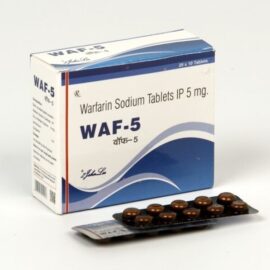
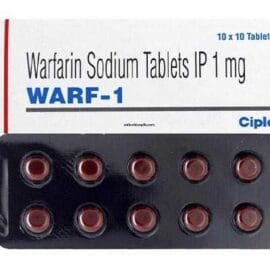
- Warf — Warfaryna 1/2/5 mg
- Waf-5 — Warfaryna 5 mg
- Uniwarfin — Warfaryna 5 mg (Unichem)
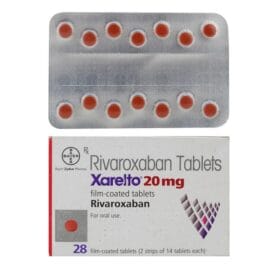
- Xarelto 20 — Rywaroksaban 20 mg
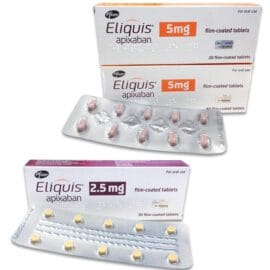
- Eliquis — Apiksaban 2,5/5 mg
- Plavix — Klopidogrel 75 mg (Sanofi)
- Przeglądaj wszystkie leki przeciwzakrzepowe i przeciwpłytkowe
Powiązane alternatywy
Inne produkty w Zdrowie ogólne które klienci również przeglądają:
Więcej opcji w kategorii Leki przeciwzakrzepowe
Ranking według liczby ostatnich zamówień MedsBase — co wybierają inni klienci w tej kategorii.
| Moc | 25.000 IU/5ml |
|---|---|
| Ilość | 1 Fiolka, 2 Fiolki, 3 Fiolki, 10 Fiolek |
 Stanhep 25 Iniekcja heparyny sodowej
Pytania i odpowiedzi
Stanhep 25 Iniekcja heparyny sodowej
Produkty powiązane




Opinie
Nie ma jeszcze opinii