







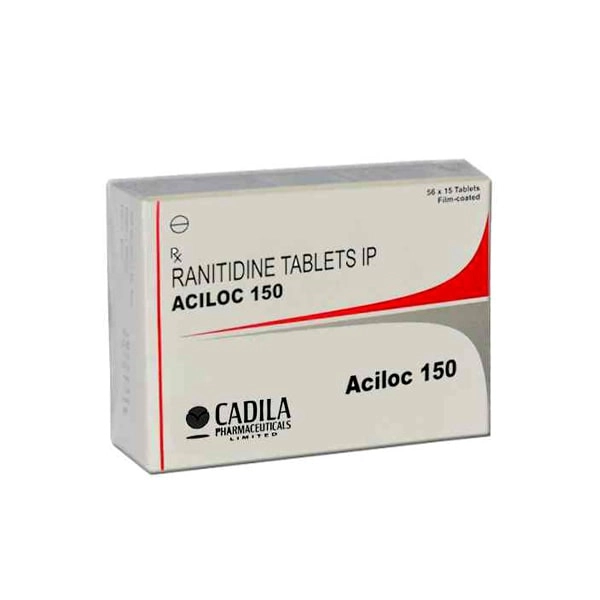
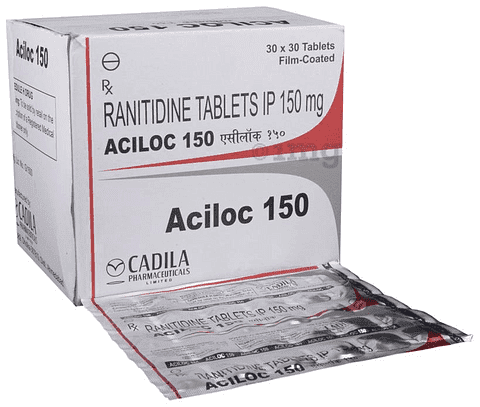
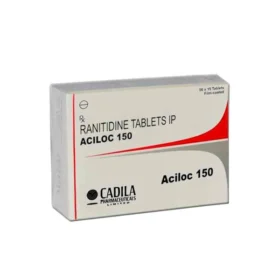
Aciloc
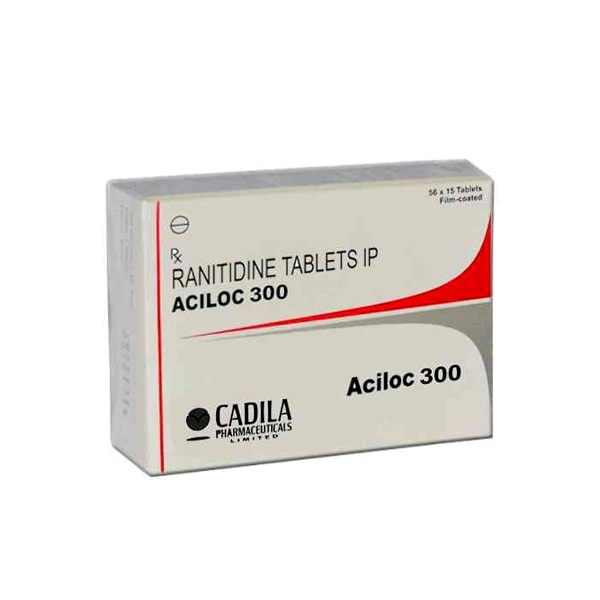
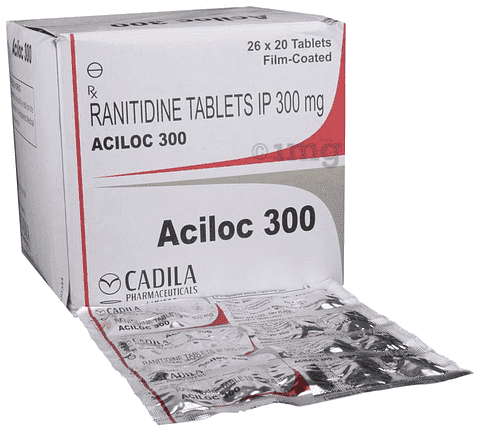
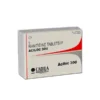
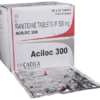
✅ Reduce excesul de acid gastric
✅ Aliniază simptomele legate de acid
✅ Tratează eficient ulcerul gastric
✅ Gestionează eficient GERD
Aciloc conține Ranitidină
✓ Verificat medical de Morgan Ellis — Cercetător farmaceutic · 8 ani de experiență · Ultima recenzie: mai 2026
⚡ Răspuns rapid — Ce este Aciloc?
Aciloc conține ranitidină 150 mg / 300 mg (fabricat de Cadila Pharmaceuticals) — un antagonist al receptorului H2 de histamină care reduce acidul gastric. Notă reglementară importantă: ranitidina a fost retrasă din piețele Statelor Unite, Uniunii Europene, Regatului Unit și Canada în 2020 după descoperirea contaminării cu N-nitrosodimetilamină (NDMA, un posibil carcinogen pentru oameni) în produsele finite cu ranitidină. Autoritatea de reglementare din India (CDSCO) nu a retras oficial ranitidina, astfel încât aceasta rămâne disponibilă pe piața indiană. Majoritatea marilor autorități de reglementare recomandă acum famotidină (Famocid) ca substitut preferat de antagonist H2-antagonist. Dacă locuiți într-o țară în care ranitidina a fost retrasă de autoritățile locale, vă rugăm să citiți avertismentul de mai înainte de a comanda și să luați în considerare trecerea la famotidină. Doza standard pentru adulți în cazurile în care ranitidina este încă utilizată: 150 mg de două ori pe zi sau 300 mg la culcare, pentru maximum 8 săptămâni.
📦 Fiecare comandă este acoperită de politica noastră de Politica noastră de Reexpediere Garantată — dacă coletul dumneavoastră nu sosește în 20 de zile lucrătoare, îl relivrăm.
De ce să comanzi de la MedsBase
Medicamentele noastre generice sunt procurate de la producători certificați WHO-GMP și expediate la nivel mondial în ambalaje discrete și simple — fără denumirea medicamentului pe exteriorul coletului. Plățile cu cardul sunt procesate printr-un procesor reglementat (descrierile de pe extrasul de cont includ un procesor de plăți cu card reglementat — niciodată “MedsBase” sau numele vreunui medicament). Acceptăm și criptomonede și transferuri bancare SEPA. Fiecare comandă este susținută de Politica noastră de Asigurare pentru Relivrare.
Ce este Aciloc
Aciloc este marca Cadila Pharmaceuticals pentru ranitidină, un antagonist al receptorilor H2care a fost utilizat pe scară largă în întreaga lume între anii 1980 și 2020 pentru afecțiuni legate de aciditate. Fiecare tabletă conține 150 mg / 300 mg de ranitidină. Ranitidina este al doilea antagonist H2 dezvoltat (după cimetidină) și a fost timp de decenii cel mai prescris medicament din lume. Retragerea din 2020 din piețele majore din cauza contaminării cu NDMA a schimbat practica clinică aproape în întregime spre famotidină.
Cum funcționează ranitidina (Mecanism)
Ranitidina este un antagonist competitiv și reversibil al receptorului de histamină H2 de pe membrana basolaterală a celulelor parietale. Eliberarea histaminei din celulele enterochromafine-like gastrice este semnalul dominant care stimulează secreția acidă; blocarea acestui semnal reduce producția de acid cu 60–80% la dozele standard. Acțiunea începe în 30 de minute, atinge vârful în 1–3 ore și durează 8–12 ore. Mecanismul este identic cu cel al famotidinei; diferența dintre cele două molecule este pur chimică — grupul aminonitril al ranitidinei o face predispusă la formarea de NDMA în timpul stocării, în timp ce structura tiazolică a famotidinei nu prezintă acest risc.
De ce a fost retras Ranitidina? (Povestea NDMA)
În iunie 2019, o farmacie online independentă a trimis probe de ranitidină pentru testarea de rutină a NDMA (NDMA este un contaminant cunoscut al unor medicamente pentru tensiune și produse din tutun) și a raportat niveluri mult peste limita zilnică acceptabilă a FDA de 96 ng. Testele ulterioare ale FDA au confirmat rezultatele și au arătat că nivelurile de NDMA cresc la depozitarea la temperaturi mai ridicate. Până în aprilie 2020, FDA a cerut retragerea tuturor produselor cu ranitidină de pe piața din SUA (aceasta este o măsură mai drastică decât un rechemare). EMA, MHRA și Health Canada au urmat în câteva luni. Mecanismul este acum înțeles: grupul dimetilaminic al ranitidinei se poate descompune în NDMA în molecula în sine sau poate reacționa cu nitriții din stomac pentru a forma NDMA in vivo. Riscul pentru orice pacient din utilizarea anterioară a ranitidinei este mic în termeni absoluți, dar expunerea inutilă la un posibil carcinogen atunci când există o alternativă eficientă (famotidina) nu mai este considerată acceptabilă.
Autoritatea de reglementare din India, CDSCO, a analizat datele în 2020 și a concluzionat că produsele locale cu ranitidină îndeplineau standardele naționale de calitate, refuzând să emită o retragere formală. Ranitidina rămâne astfel disponibilă legal pe piața din India și de la producătorii care deservesc această piață. Clienții din țările în care ranitidina a fost retrasă de autoritățile naționale ar trebui să ia în considerare trecerea la famotidină.
Indicații pentru care se folosea Ranitidina
În locurile în care ranitidina este încă utilizată, lista de indicații este similară cu cea a famitidinei:
- GERD ușoară până la moderată — la cerere sau pe termen scurt
- Boala ulceroasă peptica (duodenală și gastrică)
- Profilaxia ulcerului cauzat de AINS (pacienți cu risc scăzut)
- Profilaxia ulcerului de stres (unde PPI nu este preferat)
- Profilaxia aspirației înainte de intervenții chirurgicale
- Sindromul Zollinger-Ellison — adjunct la doze mari
Pentru fiecare dintre aceste indicații, famotidina este acum antagonistul H2 recomandat de alegere; PPI-urile sunt de primă intenție pentru afecțiuni cronice moderate până la severe.
Doza
| Indicație / pacient | Doza pentru adulți | Durată / observații |
|---|---|---|
| GERD — ușor până la moderat | 150 mg de două ori pe zi, sau 300 mg la culcare | 6–12 săptămâni; evaluare |
| Vindecarea ulcerului duodenal | 300 mg la culcare, sau 150 mg de două ori pe zi | 4–6 săptămâni |
| Vindecarea ulcerului gastric | 300 mg la culcare | 6–8 săptămâni |
| Terapie de întreținere | 150 mg la culcare | după necesitate |
| Insuficiență renală (CrCl < 50) | 150 mg o dată pe zi | reduceți doza |
Efecte Secundare
Ranitidina are un profil de efecte adverse comparabil cu famotidina: cefalee, amețeli, constipație sau diaree, oboseală (1–3%). Puțin frecvente: confuzie (mai ales la vârstnici sau pacienți cu insuficiență renală), trombocitopenie reversibilă, hepatită, hipersensibilitate severă. Spre deosebire de cimetidină, ranitidina nu provoacă efecte anti-androgene semnificative.
Interacțiuni medicamentoase
Ranitidina este un inhibitor mult mai slab al enzimelor CYP decât cimetidina. Principalele interacțiuni sunt legate de absorbție: antiretrovirale HIV care necesită acid (atazanavir, rilpivirina), antifungice (ketoconazol, itraconazol), suplimente de fier și carbonat de calciu.
Contraindicații și precauții
- Hipersensibilitate cunoscută la ranitidină
- Porfirie acută (relativă)
- Insuficiență renală severă — reduceți doza
- Precauție la vârstnici — efecte pe SNC
- Simptome alarmante (pierdere în greutate, disfagie, hemoragie digestivă, anemie, vârstă > 55 cu simptome noi) — necesită investigații, nu terapie empirică
Sarcină, alăptare, copii
Ranitidina are date istorice de siguranță în sarcină, dar semnalul de contaminare cu NDMA face utilizarea ei în sarcină și alăptare mai greu de justificat când famotidina este disponibilă. Discutați cu obstetricianul/pediatrul dumneavoastră.
Depozitare
Păstrați la 15–30 °C în blisterul original, protejat de lumină, căldură și umiditate. Căldura și umiditatea accelerează formarea NDMA în ranitidină; nu păstrați în băi sau în apropierea unui ceainic. Aruncați la expirare — nu utilizați după data indicată.
Întrebări frecvente
De ce ranitidina este încă disponibilă în India?
Autoritatea de reglementare indiană CDSCO a analizat datele despre NDMA în 2020 și a concluzionat că produsele locale cu ranitidină îndeplineau standardele naționale de calitate, refuzând să emită o retragere oficială. Principalii producători care deservesc piața indiană (inclusiv producătorii de Aciloc și Rantac) continuă să satisfacă cererea locală. Dacă să utilizați ranitidină în acest context reglementar, unde famotidina este larg disponibilă fără semnal de NDMA, este o decizie clinică și personală — mulți medici au trecut la famotidina chiar acolo unde ranitidina rămâne legal pe piață.
Este riscul de cancer de la ranitidină mare?
Riscul absolut pentru orice pacient din utilizarea anterioară a ranitidinei este mic. Motivul pentru care autoritățile de reglementare au acționat a fost că expunerea cumulativă la NDMA pe parcursul anilor de utilizare zilnică a ranitidinei a depășit pragurile acceptabile, în timp ce o alternativă eficientă (famotidina) era disponibilă fără o contaminare comparabilă. Argumentul nu a fost că ranitidina a cauzat cancer evident la utilizatori; a fost că nu există niciun motiv bun pentru a continua să expuneți pacienții la un posibil carcinogen atunci când există o alternativă mai sigură.
Ar trebui să trec la famotidină?
Da — dacă locuiți într-o țară în care autoritatea de reglementare națională a retras ranitidina, trecerea la famotidină 20–40 mg este o substituție simplă. Mecanismul este identic. Există și un argument puternic pentru a trece chiar și acolo unde ranitidina rămâne legală, deoarece costul este similar și profilul de siguranță este mai bun. Discutați cu medicul prescriptor.
Este Aciloc/Rantac contaminat cu NDMA?
Semnalul de contaminare se aplică moleculei de ranitidină în sine și este influențat de condițiile de depozitare (căldură, umiditate, timpul pe raft). Autoritățile de reglementare indiene au declarat că produsele locale îndeplineau standardele de calitate indiene. Nu putem certifica independent niciun lot individual. Răspunsul sincer este: ar trebui să presupuneți că orice produs cu ranitidină poartă un anumit risc de expunere la NDMA, iar acest risc este redus (dar nu eliminat) de un timp scurt de valabilitate și depozitare la temperatură scăzută. Famotidina nu prezintă un risc analog.
Cum se compară ranitidina cu famotidina în ceea ce privește eficacitatea?
Mecanismul este identic (antagonism al receptorilor H2); eficacitatea la doze standard este similară — ranitidina 150 mg de două ori pe zi și famotidina 20 mg de două ori pe zi produc o suprresie acidă comparabilă și rate de vindecare a ulcerului. Famotidina este mai puternică pe bază de miligram (de aproximativ 8 ori), motiv pentru care dozele tipice arată diferit.2 antagonism receptor); eficacitatea la dozele standard este similară — ranitidina 150 mg de două ori pe zi și famotidina 20 mg de două ori pe zi produc o suprresie acidă comparabilă și rate de vindecare a ulcerului similare. Famotidina este mai potentă pe bază de miligram (de aproximativ 8 ori), motiv pentru care dozele tipice par diferite.
Care este diferența dintre H2 antagonists and PPIs?
H2 Antagoniștii (ranitidină, famotidină, cimetidină) blochează semnalul histaminic care stimulează secreția acidă. IPP (omeprazol, esomeprazol, pantoprazol, lansoprazol, rabeprazol, ilaprazol) blochează H+/K+-ATPaza în sine, pasul final. IPP-urile oferă o suprresie acidă mai profundă și mai îndelungată și sunt de primă linie pentru GERD cronic, boala ulceroasă și eradicarea H. pylori. Antagoniștii H2 sunt utili pentru refluxul ușor la cerere, simptomele de „breakthrough” sub tratament cu IPP și utilizarea pe termen scurt.
Ranitidina interacționează cu alte medicamente?
Ranitidina are un profil de interacțiuni mult mai redus decât cimetidina. Interacțiunile clinic relevante sunt legate de absorbție: antiretrovirale HIV (atazanavir, rilpivirine), antifungice (ketoconazol, itraconazol), fier și carbonat de calciu. Nu are efectele anti-androgene ale cimetidinei.
Ranitidina este sigură în sarcină?
Datele pre-2020 privind siguranța ranitidinei în sarcină erau liniștitoare. Semnalul de contaminare cu NDMA complică această imagine, iar famotidina este acum antagonistul H2 preferat în sarcină. Discutați cu obstetricianul dvs.
Aciloc/Rantac îmi va ameliora arsurile gastrice?
Da — ranitidina reduce aciditatea gastrică și oferă ameliorare simptomatică în refluxul ușor-până-la-moderat, boala ulceroasă peptica și gastrita provocată de AINS. Întrebarea clinică nu este dacă funcționează, ci dacă contextul regulator și de siguranță favorizează utilizarea sa în locul famotidinei. Majoritatea medicilor internaționali răspund acum acelei întrebări prin trecerea pacientului la famotidină.
Cum trebuie păstrat ranitidinul?
Loc răcoros, uscat și întunecat — 15–30 °C. Căldura, umiditatea și timpul de depozitare cresc formarea de NDMA. Nu depozitați în băi sau mașini calde; nu folosiți după data de expirare. Utilizați cel mai scurt curs de tratament rezonabil.
Alte medicamente pentru reflux gastric la MedsBase
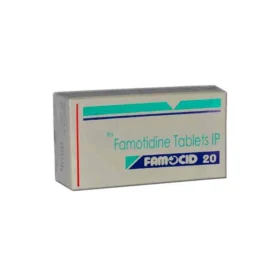
- Famocid — famotidină 20/40 mg — antagonist H2; substituentul modern sigur pentru ranitidină; util pentru refluxul nocturn
- Omez — omeprazol 10/40 mg — gamă largă de putere; doza mai mică de 10 mg utilă pentru reducerea treptată
- Esoprol — esomeprazol 20/40 mg — izomerul S al omeprazolului; avantaj de ~30% în AUC cu variabilitate interindividuală mai mică
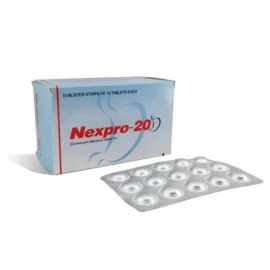
- Pantodac — pantoprazol 40 mg — PPI standard o dată pe zi; impact minim asupra CYP
- Macralfate Suspensie — sucralfat 1 g la 10 mL suspensie — vindecător ulcer prin acoperire mucosală topică; se combină cu PPI pentru boli refractare
Mai multe opțiuni în tratamentul refluxului gastric
Clasificate în funcție de volumul recent de comenzi MedsBase — ce aleg alți clienți în această categorie.

| Concentrație | 150 mg, 300 mg |
|---|---|
| Cantitate | 30 Comprimate/s, 60 Comprimate/s, 90 Comprimate/s |
| Formă farmaceutică | Comprimat/e |
| Producător | Cadila Pharmaceuticals |
| Indicație | Sănătate gastrointestinală |
| Brand generic | Mesalamine |
 Aciloc
Întrebări și răspunsuri
Aciloc
Produse similare



Recenzii
Nu există recenzii încă