







Carloc
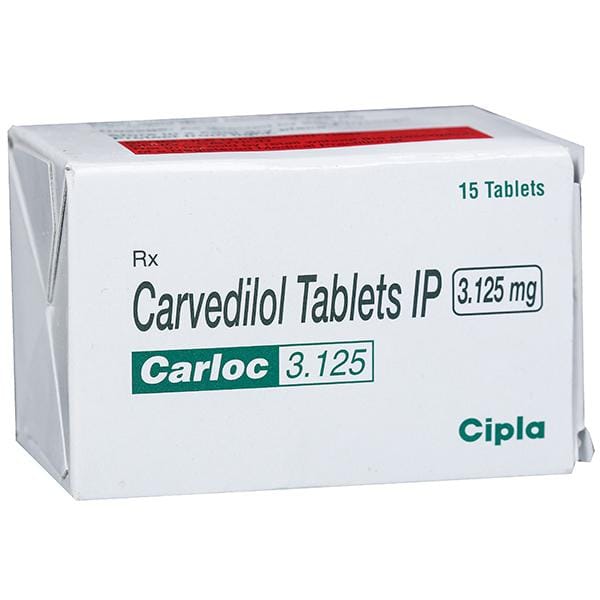
Carloc este carvedilol 3.125 mg de la Cipla — doza inițială în scala de titrare pentru insuficiența cardiacă cu fracție de ejecție redusă. Titrarea se face de la 3.125 mg de două ori pe zi până la 25 mg de două ori pe zi (50 mg BID la pacienții cu greutate >85 kg) pe parcursul a 8-12 săptămâni. Dovezile de mortalitate din COPERNICUS + CAPRICORN. Non-selectiv + alfa-1.
✓ Verificat medical de Morgan Ellis — Cercetător farmaceutic · 8 ani de experiență · Ultima recenzie: mai 2026
⚡ Răspuns Rapid — Ce este Carloc?
Carloc este un comprimat de carvedilol 3.125 mg de la Cipla — beta-blocant non-selectiv cu blocare suplimentară alfa-1. Utilizarea principală este hipertensiunea arterială; utilizat și pentru angină pectorală, controlul aritmiilor, prevenția secundară post-infarct miocardic și insuficiență cardiacă cu fracție de ejecție redusă (IC-FER) (unul dintre cele trei beta-blocante cu dovedită reducere a mortalității în IC-FER). Doză tipică pentru hipertensiune: 6,25-25 mg de două ori pe zi (12,5-50 mg/zi). Contraindicated la astm, bradicardie severă, bloc cardiac de gradul doi/trei, insuficiență cardiacă acută decompensată și feocromocitom fără blocaj alfa prealabil. Nu întrerupeți brusc — reduceți progresiv pe o perioadă de 1-2 săptămâni pentru a evita tahicardie de rebond/angină/IM.
📦 Fiecare comandă este acoperită de politica noastră de Politica noastră de Reexpediere Garantată — dacă coletul dumneavoastră nu sosește în 20 de zile lucrătoare, îl relivrăm.
De ce să comanzi de la MedsBase
Medicamentele noastre generice sunt procurate de la producători certificați WHO-GMP și expediate la nivel mondial în ambalaje discrete și simple — fără denumirea medicamentului pe exteriorul coletului. Plățile cu cardul sunt procesate printr-un procesor reglementat (descrierile de pe extrasul de cont includ un procesor de plăți cu card reglementat — niciodată “MedsBase” sau numele vreunui medicament). Acceptăm și criptomonede și transferuri bancare SEPA. Fiecare comandă este susținută de Politica noastră de Asigurare pentru Relivrare.
Ce este Carloc?
Carloc este un comprimat oral care conține carvedilol 3.125 mg de la Cipla, furnizat în cutii de 30-180 comprimate. Carvedilolul este un beta-blocant neselectiv cu blocaj suplimentar alfa-1. Beta-blocant de generația a treia cu proprietăți vasodilatatoare datorate blocajului alfa-1. Se remarcă prin dovezi clinice importante în insuficiența cardiacă (COPERNICUS, CAPRICORN): unul dintre cele trei beta-blocante (alături de metoprolol succinat și bisoprolol) dovedite a reduce mortalitatea în IC-FER.
Cum reduce Carvedilol tensiunea arterială
Beta-blocantele reduc tensiunea arterială prin patru mecanisme:
- Reducerea debitului cardiac — blocarea beta-1 în nodul sinoatrial reduce frecvența cardiacă, iar blocarea în miocardul ventricular reduce contractilitatea. Debit cardiac mai mic = tensiune arterială mai mică.
- Suprimarea sistemului renină-angiotensină — blocarea beta-1 în celulele juxtaglomerulare reduce eliberarea de renină, scăzând nivelul de angiotensină II și aldosteronă în 2-4 săptămâni. Acest mecanism explică o mare parte din efectul antihipertensiv pe termen lung.
- Reducerea simpaticului central — beta-blocantele lipofile trec bariera hemato-encefalică și reduc activitatea simpatică centrală.
- Blocare Alpha-1 — vasodilatare periferică directă (specific carvedilol), oferind o reducere mai rapidă a TA decât beta-blocantele pure.
Beta-blocantele sunt lipofile. Timpul de înjumătățire plasmatic al carvedilolului este de 7-10 ore.
Utilizări aprobate și bazate pe dovezi
- Hipertensiune arterială (indicație principală)
- Insuficiență cardiacă cu fracție de ejecție redusă (IC-FER) — bazat pe dovezi, reduce mortalitatea; titrați de la 3,125 mg de 2 ori pe zi la 25 mg de 2 ori pe zi (50 mg de 2 ori pe zi la pacienții >85 kg) pe parcursul a 8-12 săptămâni
- Prevenție secundară post-IM — studiul CAPRICORN
- Angină stabilă
- Disfuncție ventriculară stângă post-IM
Doza Carloc
Doza pentru hipertensiune arterială la adulți: 6,25-25 mg de două ori pe zi (12,5-50 mg/zi).
Începeți cu doze mici, titrați crescând pe parcursul a 2-4 săptămâni până la atingerea TA țintă (de obicei <140/90 în hipertensiunea necomplicată; <130/80 în diabet, boală renală cronică sau boală cardiovasculară instalată). Verificați pulsul în repaus înainte de fiecare creștere de doză — nu titrați dacă <55 bpm.
Monitorizare:
- Pulsul în repaus și TA la 2, 4 și 8 săptămâni după începerea tratamentului sau după modificarea dozei
- ECG de bază dacă există antecedente cardiace; ECG periodic dacă apar modificări ale simptomelor
- Pentru HF-REF utilizați: ecocardiogramă la 3 și 6 luni; titrați spre doza țintă dacă este tolerată
Administrare: înghițiți comprimatul întreg cu apă. Luați la aproximativ aceeași oră în fiecare zi.
Întrerupere: NU întrerupeți brusc. Reduceți progresiv pe parcursul a 1-2 săptămâni (scădeți cu 25-50% la fiecare 3-5 zile). Întreruperea bruscă poate provoca tahicardie de rebond, agravarea anginei pectorale și — la pacienții cu afecțiuni coronariene — poate precipita infarct miocardic. Acesta este unul dintre cele mai importante aspecte de siguranță pentru beta-blocante.
Efecte Secundare
Frecvente (>5%):
- Oboseală, letargie — se atenuează de obicei în 2-4 săptămâni
- Mâini și picioare reci (vasoconstricție periferică)
- Bradicardie (verificați pulsul; opriți dacă <50 bpm)
- Intoleranță la efort — frecvența cardiacă maximă este diminuată de blocada beta
- Amețeli, hipotensiune posturală
- Efecte asupra SNC sunt posibile, dar mai puțin frecvente decât cu propranolol
- Ameteli posturale (mai frecvente datorită componentei vasodilatatoare)
Mai puțin frecvente: depresie, libido scăzut / disfuncție erectilă, tulburări gastrointestinale, intoleranță la frig de tip Raynaud, bronhospasm (mai frecvent la agenții nespecifici).
Important dar neobișnuit:
- Hipoglicemie mascată la diabetici — beta-blocantele atenuează semnele de avertizare ale hipoglicemiei (tahicardie/tremur). Monitorizați glicemia mai atent; preferați nebivolol sau bisoprolol la diabeticii tratați cu insulină.
- Bronhospasm — poate fi sever în astm/BPOC. Contraindicație absolută pentru agenții nespecifici; relativă pentru cei cardioselectivi.
- Bloc cardiac sau agravarea insuficienței cardiace — la pacienții susceptibili. Începeți cu doze mici, titrați lent.
Contraindicații și precauții
- Astm/BPOC severă/orice afecțiune bronhospastică — contraindicație absolută (blocare beta neselectivă)
- Bloc atrioventricular de gradul doi sau trei (fără stimulator cardiac)
- Bradicardie sinusală <50 bpm
- Șoc cardiogen, insuficiență cardiacă decompensată care necesită inotrope
- Boală arterială periferică severă, sindromul Raynaud (relativ)
- Feocromocitom fără blocare alfa prealabilă — criză hipertensivă paradoxală (Carvedilol are componentă de blocare alfa-1, care atenuează dar nu elimină complet acest risc)
- Insuficiență hepatică severă (pentru agenți metabolizați extensiv hepatic: propranolol, metoprolol, carvedilol, labetalol)
- Insuficiență renală severă — necesară ajustare de doză pentru agenți eliminați renal (atenolol, nadolol)
- Hipersensibilitate la carvedilol
Sarcina: Categoria C; trec prin placentă; risc mic de restricție de creștere intrauterină, bradicardie neonatală și hipoglicemie. Utilizați numai dacă beneficiul depășește clar riscul; labetalol este beta-blocantul preferat în sarcină.
Alăptarea: cantități mici în laptele matern; considerat în general compatibil cu monitorizarea.
Interacțiuni medicamentoase
- Verapamil, diltiazem (blocante ale canalelor de calciu non-dihidropiridinice) — bradicardie aditivă, bloc cardiac și inotropie negativă; evitați în general combinația. Blocantele ale canalelor de calciu dihidropiridinice (amlodipine, nifedipină) sunt mai sigure de combinat cu beta-blocante.
- Alte beta-blocante — nu combinați; bradicardie aditivă
- Clonidina — dacă întrerupeți clonidina, întrerupeți mai întâi beta-blocantul (cu câteva zile înainte) pentru a evita criza hipertensivă de rebond
- Insulină și sulfoniluree — mască semnele de avertizare ale hipoglicemiei; monitorizați îndeaproape glicemia
- AINS — reduce efectul antihipertensiv al beta-blocantelor; evitați combinația cronică
- Inhibitori CYP2D6 (fluoxetină, paroxetină, chinidină, bupropion) — cresc nivelurile de carvedilol; reduceți doza sau monitorizați îndeaproape
- Alcool — hipotensiune aditivă și depresie SNC (în special pentru agenții lipofili)
Beta-Blocante pe scurt
| Beta-blocant | Selectivitate | Cel mai potrivit pentru |
|---|---|---|
| Propranolol (Inderal, Ciplar, Beloc) | Neselectiv | Migrenă, tremor, tireotoxicoză, anxietate de performanță, HTA |
| Metoprolol | Cardioselectiv | Post-IM, IC-FER (succinat ER), angină, controlul frecvenței în FA |
| Carvedilol | Neselectiv + α-1 | IC-FER (dovezi de reducere a mortalității), post-IM |
| Bisoprolol | Foarte cardioselectiv | IC-FER, HTA, angină, controlul frecvenței în FA |
| Nebivolol | Ultra-selectiv + NO | Vârstnici, sindrom metabolic, disfuncție erectilă |
| Atenolol | Cardioselectiv (hidrofil) | Angină, controlul frecvenței în fibrilația atrială (linia a doua pentru HTA) |
| Labetalol | Neselectiv + α-1 | Hipertensiunea în sarcină, criză hipertensivă |
Numele Doza inițială de 3,125 mg (Carloc) și Creștere la 6,25 mg (Carvego) sunt concepute pentru scara de titrare graduală în insuficiența cardiacă cu fracție de ejecție redusă (IC-FER). Neselectiv; contraindicate în astm.
Depozitare
Păstrați Carloc la o temperatură sub 25°C. Depozitați într-un loc inaccesibil copiilor — ingestia accidentală de beta-blocant la copii poate provoca bradicardie și hipoglicemie potențial letale.
Întrebări frecvente
Cât durează până Carloc reduce tensiunea arterială?
Veți observa o scădere a TA în 1-2 zile de la începerea tratamentului; efectul antihipertensiv complet se obține în 2-4 săptămâni (datorat suprresiei graduale a sistemului renină-angiotensină, nu efectului imediat asupra frecvenței cardiace). Măsurați TA acasă la aceeași oră zilnic pentru a monitoriza răspunsul.
Pot lua Carloc dacă am astm?
Nu — Carvedilolul este neselectiv și poate provoca bronhospasm sever la pacienții cu astm. Contraindicație absolută. Pentru pacienții astmatici care au nevoie de un beta-blocant, nebivolol sau bisoprolol (foarte cardio-selectivi) sunt alternative mai sigure — deși niciun beta-blocant nu este complet sigur în astm.
De ce nu ar trebui să întrerup brusc tratamentul cu Carloc?
Întreruperea bruscă provoacă tahicardie de rebond și agravarea anginei în 24-48 de ore, datorită suprareglării receptorilor beta în timpul blocadei cronice. La pacienții cu boală coronariană, acest lucru poate precipita infarct miocardic sau angină instabilă. Reduceți progresiv doza pe parcursul a 1-2 săptămâni la întreruperea tratamentului.
Carloc îmi va afecta performanța la exerciții fizice?
Da — beta-blocarea atenuează răspunsul frecvenței cardiace la efort, astfel încât pulsul maxim este mai scăzut și obosești mai repede la intensități ridicate. Pentru exerciții recreative, majoritatea oamenilor se adaptează; pentru sportivii de rezistență competitivi, beta-blocantele pot afecta semnificativ performanța și sunt interzise în sporturile de precizie (tir, aruncat — unde reduc tremorul fiziologic).
Carloc îmi va afecta nivelul de zahăr din sânge dacă am diabet?
Beta-blocante maschează tahicardia/tremorul/palpitațiile care sunt semne de avertizare ale hipoglicemiei, făcând mai dificilă detectarea hipoglicemiei. De asemenea, pot atenua răspunsul contraregulator al glucozei. Monitorizați glicemia mai frecvent în timpul administrării unui beta-blocant, în special dacă luați insulină sau sulfoniluree. Nebivolol și bisoprolol au cel mai bun profil metabolic.
Pot consuma alcool în timp ce iau Carloc?
Consumul moderat de alcool este în general acceptabil, dar alcoolul potențează efectele hipotensive și depresive ale SNC. Ridicați-vă încet după consum. Alcoolul este și un factor independent care crește TA; reducerea consumului poate îmbunătăți controlul TA independent de Carloc.
Carloc provoacă creștere în greutate?
Beta-blocantele mai vechi (propranolol, atenolol, metoprolol) sunt asociate cu o creștere modestă a greutății (1-3 kg) și cu o înrăutățire a sensibilității la insulină în timp. Nebivololul și carvedilolul sunt neutre din punct de vedere al greutății sau ușor favorabile datorită componentelor lor vasodilatatoare. Pentru pacienții cu sindrom metabolic, nebivolol este beta-blocantul preferat atunci când este necesar.
Carloc este sigur în timpul sarcinii?
Categoria C. Folosiți doar dacă beneficiul depășește clar riscul. Pentru utilizarea antihipertensivă în sarcină, labetalol este beta-blocantul preferat; metildopa și nifedipina sunt celelalte două opțiuni sigure în sarcină.
Pot lua Carloc împreună cu alte medicamente pentru TA?
Da — beta-blocantele se combină bine cu blocantele ale canalelor de calciu dihidropiridinice (amlodipine), Inhibitori ACE (ramipril, lisinopril), BRA (losartan, telmisartan, olmesartan), și diuretice tiazidice (HCTZ). Evitați combinația cu antagoniști calcici non-dihidropiridinici (verapamil, diltiazem) — risc aditiv de bradicardie și bloc cardiac.
Unde pot cumpăra Carloc online?
Puteți cumpăra Carloc (comprimate de carvedilol 3,125 mg, 30-180 comprimate) de la MedsBase cu ambalaj discret și livrare la nivel mondial.
Beta-Blocante și Antihipertensive Asemănătoare
- Betablock XL — Metoprolol Succinate ER 25/50/100 mg
- Concor Cor — Bisoprolol 2,5 mg (pentru insuficiență cardiacă inițială)
- Embeta XR 25 — Metoprolol XR 25 mg
- Inderal LA — Propranolol 40 mg cu acțiune prelungită
- Metolar — Tartrat de Metoprolol 25/50/100 mg
- Topme XL — Metoprolol ER 100 mg
- Răsfoiți toate medicamentele pentru hipertensiune arterială
Alternative conexe
Alte produse din Afecțiuni cronice pe care clienții le vizualizează de asemenea:
Mai multe opțiuni în medicamente pentru hipertensiune arterială
Clasificate în funcție de volumul recent de comenzi MedsBase — ce aleg alți clienți în această categorie.



| Concentrație | 3.125 mg |
|---|---|
| Cantitate | 30 Comprimat/e, 60 Comprimat/e, 90 Comprimat/e, 180 Comprimat/e |
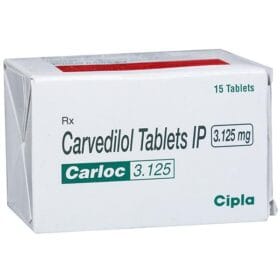 Carloc
Întrebări și răspunsuri
Carloc
Produse similare


















Recenzii
Nu există recenzii încă