








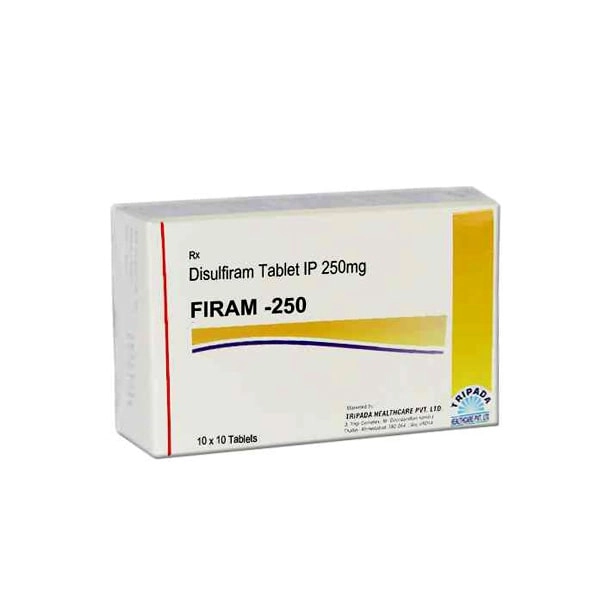
Firam
✅ Controlul dependenței de alcool
✅ Promovează abstinența de la alcool
✅ Terapie de aversiune
✅ Previne consumul de alcool
✅ Sprijină recuperarea de la alcool
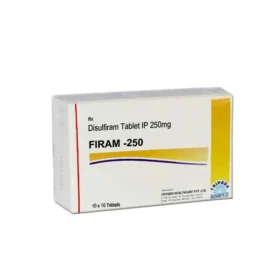
Firam conține Disulfiram.
✓ Verificat medical de Morgan Ellis — Cercetător farmaceutic · 8 ani de experiență · Ultima recenzie: mai 2026
⚡ Răspuns rapid — Firam — disulfiram 250 mg pentru tulburarea de consum de alcool
Firam este disulfiram 250 mg — doza standard de întreținere. Blochează aldehid-dehidrogenaza, astfel încât orice alcool consumat duce la acumularea de acetaldehidă și la reacția neplăcută disulfiram-etanol (roșeață, greață, palpitații, hipotensiune). Acționează prin descurajare, nu prin reducerea poftei. Trebuie să fii abstinent de alcool pentru cel puțin 12 ore înainte de prima doză. Cel mai eficient în combinație cu administrarea supravegheată și sprijin comportamental.
📦 Fiecare comandă este acoperită de politica noastră de Politica noastră de Reexpediere Garantată — dacă coletul dumneavoastră nu sosește în 20 de zile lucrătoare, îl relivrăm.
De ce să comanzi de la MedsBase
Medicamentele noastre generice sunt procurate de la producători certificați WHO-GMP și expediate la nivel mondial în ambalaje discrete și simple — fără denumirea medicamentului pe exteriorul coletului. Plățile cu cardul sunt procesate printr-un procesor reglementat (descrierile de pe extrasul de cont includ un procesor de plăți cu card reglementat — niciodată “MedsBase” sau numele vreunui medicament). Acceptăm și criptomonede și transferuri bancare SEPA. Fiecare comandă este susținută de Politica noastră de Asigurare pentru Relivrare.
Ce este Firam?
Firam este un medicament de aversiune față de alcool care conține disulfiram 250 mg (comprimate), furnizate de un producător certificat WHO-GMP. Este cea mai veche terapie farmacologică licențiată pentru tulburarea de consum de alcool (în uz clinic din 1949) și rămâne utilă ca adjunct la pacienții motivați cu supraveghere structurată — nu reduce direct pofta, dar amenințarea credibilă a unei reacții neplăcute acționează ca un puternic deterrent comportamental.
Cum funcționează disulfiramul
Metabolismul alcoolului este un proces în două etape: etanol → acetaldehidă (prin intermediul alcool dehidrogenazei) → acetat (prin intermediul aldehid dehidrogenazei, ALDH). Disulfiramul inhibă ireversibil ALDH, astfel încât chiar și cantități mici de etanol determină acumularea de acetaldehidă la niveluri de multe ori mai mari decât cele normale. Acetaldehida este responsabilă pentru componenta toxică a mahmurelii; la niveluri susținute ridicate produce reacția disulfiram–etanol (DER): roșeață facială, cefalee pulsativă, greață, vărsături, palpitații, dispnee, transpirație, hipotensiune. Reacțiile severe pot include aritmii, infarct miocardic, convulsii, comă. Intensitatea este aproximativ proporțională cu doza de alcool — chiar și un pahar de vin declanșează de obicei o reacție moderată.
Deoarece inhibarea ALDH este covalentă, aceasta persistă pentru până la 14 zile după ultima doză de disulfiram. DER poate fi declanșată chiar și la două săptămâni după întreruperea medicamentului.
Cum se utilizează Firam
Doza de 250 mg de Firam este formularea standard de întreținere:
| Fază | Doza zilnică | Durată |
|---|---|---|
| Încărcare (se poate considera formularea de 500 mg) | 500 mg o dată pe zi | 1–2 săptămâni (opțional) |
| Întreținere (cu Firam 250 mg) | 125–250 mg o dată pe zi | De obicei 6–12 luni, ocazional mai mult |
O tabletă de 250 mg pe zi este cea mai frecventă doză de întreținere. Dacă apar efecte adverse sau sedarea este problematică, doza poate fi împărțită (o jumătate de tabletă dimineața + o jumătate de tabletă seara) sau redusă la 125 mg (jumătate de tabletă) o dată pe zi. Unii pacienți necesită o doză de întreținere de 500 mg pentru a menține un DER clinic semnificativ la expunerea la alcool — aceasta este o decizie a medicului prescriptor bazată pe puterea reacției observate.
Luați dimineața cu apă; o doză seară este acceptabilă dacă somnolența dimineața este o problemă. Doza supervizată (un partener, membru al familiei sau farmacist urmărește administrarea dozei) crește substanțial adherența și este un pilon al bazei de dovezi pentru disulfiram.
Efecte secundare (independente de alcool)
Chiar și fără o reacție la alcool, disulfiramul are propriul profil de efecte adverse:
- Somnolență, oboseală în primele 1-2 săptămâni (cel mai frecvent; de obicei se atenuează)
- Gust metalic sau de usturoi după mese — caracteristic și adesea persistent
- Dureri de cap, amețeli, dermatită
- Libido scăzut, dificultăți de erecție (neobișnuit)
- Hepatotoxicitate (rară dar gravă) — hepatită idiosincratică, uneori fatală. Teste hepatice inițiale, repetate la 2 săptămâni, apoi lunar în primele 3 luni, apoi la 3 luni. Întrerupeți imediat dacă apare icter, urină închisă, durere în cadranul drept superior sau creștere marcată a transaminazelor.
- Neuropatie periferică și rareori nevrită optică la doze mai mari sau tratamente mai îndelungate — raportați amorțeală, furnicături sau modificări ale vederii
- Psihoză indusă de disulfiram — rară; de obicei asociată cu doze foarte mari sau schizofrenie preexistentă
Interacțiuni medicamentoase
| Medicament/clasă | Efect / risc | Acțiune |
|---|---|---|
| Metronidazole, tinidazole | Confuzie, psihoză — toxicitate CNS potențiată | Evitați combinația |
| Isoniazid | Ataxie, iritabilitate, psihoză | Evitați; dacă este esențial, monitorizați îndeaproape și utilizați doza efectivă cea mai mică |
| Warfarin | Creșterea INR (inhibare CYP2C9); risc de sângerare | Reduceți doza de warfarin; monitorizați INR săptămânal inițial |
| Fenitoină | Creșterea nivelului de fenitoină (inhibare CYP2C9/2C19); toxicitate | Reduceți doza de fenitoină; monitorizați nivelurile |
| Teofilină | Creșterea nivelului de teofilină | Monitorizați sau utilizați un bronhodilatator alternativ |
| Benzodiazepine (metabolizate de CYP: diazepam, alprazolam, midazolam) | Sedare potențiată | Utilizați lorazepam sau oxazepam (non-CYP) dacă este necesar un sedativ |
| Antidepresive triciclice | Raportări de sindrom organic cerebral acut | Utilizați cu precauție |
| Amitriptilină | Poate intensifica severitatea DER | Utilizați cu precauție |
| Canabis | Raportări de hipomanie | Consiliați pacientul |
| Levodopa | Efect redus | Monitorizați controlul parkinsonian |
Contraindicații
- Boală coronariană severă, infarct miocardic recent, aritmie gravă — componenta cardiovasculară a DER poate fi periculoasă
- Psihoză activă sau tulburare severă de personalitate în care stresul indus de reacție ar putea fi destabilizant
- Sarcină — preocupări teratogene; evitați
- Insuficiență hepatică severă
- Intoxicație alcoolică activă (regula de 12 ore menționată mai sus)
- Utilizare recentă de metronidazol, izoniazidă sau paraldehidă
- Hipersensibilitate la derivați de tiuram (lucrătorii din industria cauciucului pot fi sensibilizați)
Indicațiile pentru disulfiram
Disulfiramul funcționează cel mai bine ca deterent structurat pentru pacienții foarte motivați care au ca obiectiv abstinența (nu reducerea), ideal cu un partener sau membru al familiei care supraveghează fiecare doză zilnică. Nu acționează asupra circuitelor de craving sau recompensă, așa că se potrivește bine cu naltrexonul (care atenuează recompensa) sau acamprosatul (care reduce cravingul post-încetare) în cazuri mai dificile. Nu este de primă intenție în ghidurile moderne — naltrexonul și acamprosatul sunt de obicei preferate — dar rămâne cea mai eficientă opțiune pentru profilul potrivit de pacient, în special acolo unde agenții de reducere a cravingului au eșuat.
Depozitare
Se păstrează la temperatura camerei (15–30 °C / 59–86 °F), în blisterul original, departe de lumină directă și umiditate. Se ține departe de copii — ingestia accidentală la un copil poate produce o reacție severă.
Întrebări frecvente
Cât timp după întreruperea disulfiramului este sigur să consumi alcool?
Inhibarea ALDH este ireversibilă — organismul trebuie să sintetizeze noi enzime pentru a-și recupera funcția. Evitați orice alcool pentru minimum 14 zile după ultima doză de disulfiram. Unii pacienți sensibili descriu reacții ușoare până la trei săptămâni mai târziu.
Voi avea o reacție dacă gătesc cu vin?
Majoritatea alcoolului folosit la gătit este în mare parte volatilizat, iar o fierbere scurtă nu va declanșa de obicei o reacție, dar un flambé, un sos redus doar câteva minute sau un tiramisu pot. Cea mai sigură poziție este să evitați complet rețetele care conțin alcool în timpul terapiei.
Pot bea bere fără alcool?
Multe beri “0.0%” fără alcool conțin urme de etanol (0,05–0,5%). Unii pacienți care iau disulfiram au reacții la mai multe sticle într-o singură sesiune. Mărcile cu adevărat fără alcool (0,0% autentic) sunt de obicei sigure, dar citiți cu atenție eticheta.
De ce am un gust metalic în gură?
Disulfiramul este metabolizat în disulfură de carbon, care este eliminată parțial prin respirație și salivă — acest lucru produce un gust metalic sau de usturoi caracteristic. Este inofensiv și majoritatea oamenilor se adaptează.
Este sigur cu medicamentele pentru inimă?
Majoritatea antihipertensive sunt compatibile. Principala preocupare este sarcina cardiovasculară a unei reacții disulfiram–etanol în sine la pacienții cu boli coronariene sau cerebrovasculare grave — nu interacțiunea zilnică cu medicamentele. Dezvăluiți întreaga istorie cardiacă înainte de a începe.
Cum este diferit de naltrexonă?
Naltrexona acționează pe receptorii opioizi pentru a reduce recompensa consumului de alcool — nu produce o reacție. Disulfiramul nu are efect asupra poftei, dar produce o reacție aversivă puternică dacă se consumă alcool. Ele pot fi combinate la unii pacienți.
Am nevoie de dozare supravegheată?
Puternic recomandat — disulfiramul supravegheat are cea mai puternică bază de dovezi. Conformitatea este cel mai mare determinant al eficacității; un pacient nesupravegheat care încetează liniștit medicamentul cu câteva zile înainte de a bea nu primește nicio protecție. Un partener sau farmacist care urmărește doza zilnică crește substanțial ratele de abstinență la 6 luni.
Ce se întâmplă dacă am o reacție din greșeală?
Reacțiile ușoare (roșeață, greață ușoară, durere de cap) se rezolvă de obicei în 1–2 ore cu odihnă și lichide orale. O reacție severă (hipotensiune, vărsături severe, durere toracică, dispnee, leșin) este o urgență medicală — sunați la serviciile de urgență. Nu “așteptați să treacă”.
Funcționează pentru dependența de opioide?
Nu. Disulfiramul este specific metabolismului alcoolului. Pentru tulburarea de consum de opioide, naltrexona, buprenorfina și metadona sunt opțiunile autorizate.
Cât timp ar trebui să-l folosesc?
6–12 luni este perioada tipică. Cursuri mai lungi sunt utilizate la unii pacienți, în special la cei cu risc ridicat de recădere datorită stresului. Întreruperea este o decizie planificată cu medicul prescriptor, bazată pe abstinență stabilă, implicare în sprijinul comportamental și evaluarea circumstanțelor de viață.
Alternative conexe
Alte produse din Sănătate generală pe care clienții le vizualizează de asemenea:
Mai multe opțiuni în tratamentul alcoolismului și dependenței de droguri
Clasificate în funcție de volumul recent de comenzi MedsBase — ce aleg alți clienți în această categorie.
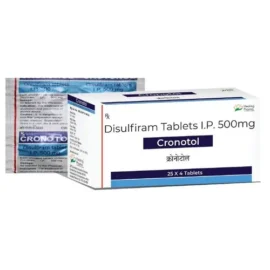
| Concentrație | 250 mg |
|---|---|
| Cantitate | 10 comprimat/e, 30 comprimat/e, 60 comprimat/e, 90 comprimat/e, 180 comprimat/e |
 Firam
Firam
Întrebări și răspunsuri
Firam
Produse similare
Recenzii
Nu există recenzii încă