







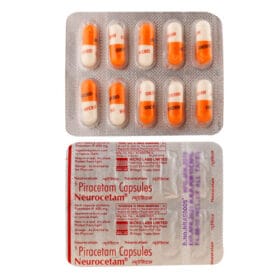
Neurocetam
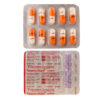
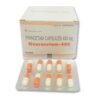
✅ Îmbunătățește funcția cognitivă
✅ Îmbunătățește retinția memoriei
✅ Sporește claritatea mintală
✅ Crește concentrarea și vigilența
✅ Susține sănătatea creierului
Neurocetam conține Piracetam.
✓ Verificat medical de Morgan Ellis — Cercetător farmaceutic · 8 ani de experiență · Ultima recenzie: mai 2026
⚡ Răspuns rapid — Ce este Neurocetam?
Neurocetam este un comprimat care conțin piracetam (400 mg) — derivatul original “nootropic” de tip pirolidonă. Utilizat pentru: mioclonus cortical (indicația aprobată de FDA/EMA), declin cognitiv legat de vârstă, simptome cognitive după accident vascular cerebral sau traumatism cerebral, vertij de origine centrală, și dislexie la copii (indicație UE, alături de remediere structurată). Dozaj pentru adulți: 2,4–4,8 g/zi în 2–3 doze împărțite (cognitive); 7,2–24 g/zi pentru mioclonus cortical. Se poate administra cu sau fără alimente. Începere efect: 4–8 săptămâni pentru beneficii cognitive. În general bine tolerat; efecte secundare frecvente: insomnie, iritabilitate, creștere în greutate, cefalee. Contraindicated în insuficiență renală severă și boala Huntington.. Neaprobat de FDA SUA — vândut ca medicament cu prescripție în majoritatea țărilor din Europa, Asia și America Latină.
📦 Fiecare comandă este acoperită de politica noastră de Politica noastră de Reexpediere Garantată — dacă coletul dumneavoastră nu sosește în 20 de zile lucrătoare, îl relivrăm.
De ce să comanzi de la MedsBase
Medicamentele noastre generice sunt procurate de la producători certificați WHO-GMP și expediate la nivel mondial în ambalaje discrete și simple — fără denumirea medicamentului pe exteriorul coletului. Plățile cu cardul sunt procesate printr-un procesor reglementat (descrierile de pe extrasul de cont includ un procesor de plăți cu card reglementat — niciodată “MedsBase” sau numele vreunui medicament). Acceptăm și criptomonede și transferuri bancare SEPA. Fiecare comandă este susținută de Politica noastră de Asigurare pentru Relivrare.
Ce este Neurocetam?
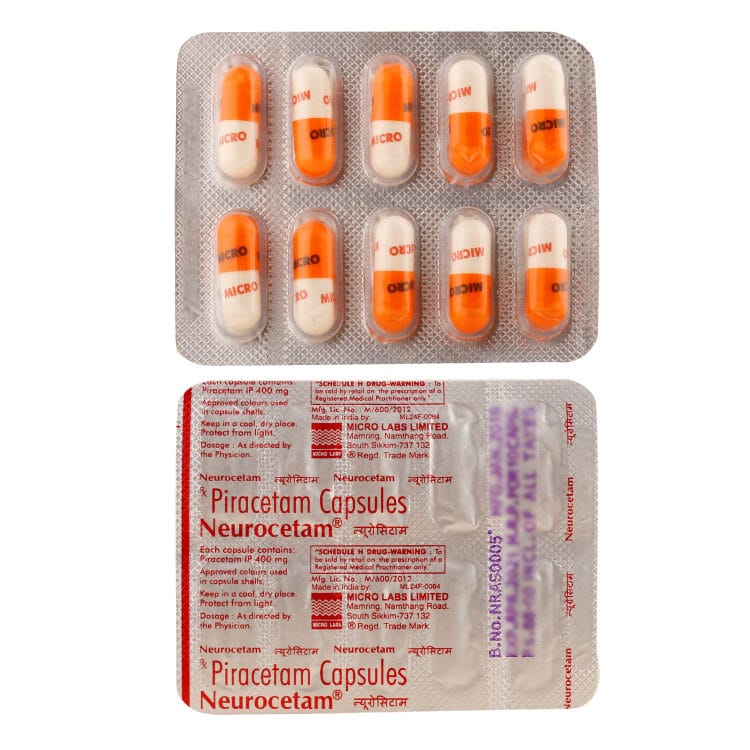
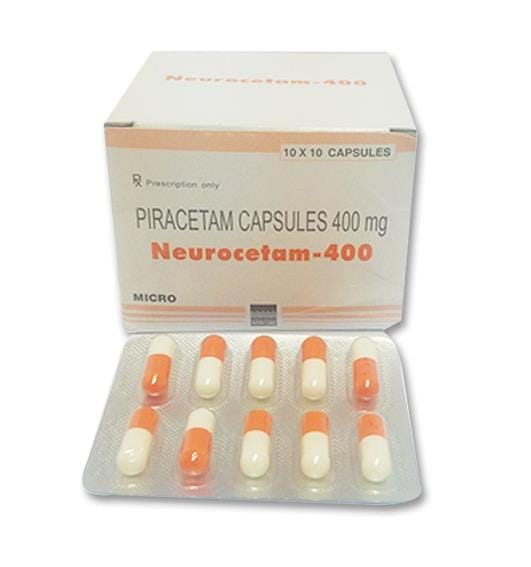
Neurocetam este un piracetam oral comprimat disponibil în doze de 400 mg. Piracetamul (2-oxo-1-pirolidină acetamidă) este un derivat ciclic al GABA sintetizat de UCB în 1964 și primul reprezentant al clasei clasei de nootropice racetam. Este autorizat în majoritatea Europei, Americii Latine și Asiei ca medicament cu prescripție pentru tulburări cognitive, mioclonus cortical și vertijului. Nu este aprobat de FDA în Statele Unite, dar rămâne utilizat pe scară largă la nivel internațional.
Neurocetam este furnizat de un producător certificat WHO-GMP și este bioechivalent cu piracetamul de marcă originală (Nootropil®, UCB).
Cum funcționează Neurocetam?
Mecanismul piracetamului este neobișnuit și incomplet înțeles după 60 de ani de utilizare clinică:
- Modularea fluidității membranare — piracetamul interacționează cu grupurile head ale fosfolipidelor, restabilind fluiditatea membranară în neuronii îmbătrâniți sau deteriorați. Acest lucru poate explica efectul său preferențial în populațiile cu deficiențe cognitive, nu în cele sănătoase.
- Îmbunătățirea microcirculației cerebrale — reduce rigiditatea eritrocitelor și agregarea plachetelor, îmbunătățind modest fluxul sanguin cerebral fără a modifica tensiunea arterială sistemică.
- Modularea receptorilor AMPA — efect alosteric pozitiv asupra receptorilor de glutamat AMPA, sporind potențierea pe termen lung în modele animale.
- Îmbunătățire colinergică — creșterea captării de colină cu afinitate ridicată și sinteza de acetilcolină în unele regiuni cerebrale.
- Protecție mitochondrială — păstrează producția de ATP în condiții de stres hipoxic.
Spre deosebire de anticonvulsivantele sedative, piracetamul nu are activitate la receptorii GABA, nu are acțiune sedativă, nu prezintă potențial de dependență și nu provoacă obtuzitate cognitivă. Este în general inactiv la adulții tineri sănătoși și produce beneficii mai evidente la pacienții cu deficiențe cognitive, boli vasculare cerebrale sau mioclonus cortical.
Utilizări și indicații
- Mioclonus cortical — cea mai solidă bază de dovezi; piracetamul este un tratament recunoscut, adesea ca adjuvant altor anticonvulsivante
- Deteriorarea cognitivă legată de vârstă — deficiență cognitivă ușoară, deficiență cognitivă vasculară
- Recuperarea cognitivă post-AVC — în special afazia după accident vascular cerebral hemisferic stâng (indicație UE; unele studii randomizate confirmă)
- Sechelele cognitive ale traumatismului cranio-cerebral
- Vertij de origine centrală — îmbunătățește compensarea vestibulară
- Dislexia la copii >7 ani — indicație UE, utilizat ca adjuvant la remedierea structurată
- Prevenirea crizelor de anemie falciformă — off-label, mecanismul este efectul reologic asupra eritrocitelor
- Off-label: nootropic general / îmbunătățire cognitivă (dovezi limitate la adulții tineri sănătoși)
Neurocetam este primește, de primă intenție pentru: demența Alzheimer (inhibitorii de colinesterază și memantina au dovezi mai solide), depresia cu simptome cognitive (tratați întâi depresia) sau tulburarea de deficit de atenție.
Doza Neurocetam și modul de administrare
Concentrații Neurocetam: 400 mg.
Doze standard pentru adulți pe indicație:
- Deteriorare cognitivă legată de vârstă / demență vasculară / post-accident vascular cerebral: 2,4–4,8 g/zi în 2–3 doze divizate. Mulți pacienți răspund la 2,4 g/zi (de ex. 800 mg de trei ori pe zi).
- Mioclonie corticală: Începeți cu 7,2 g/zi în 2–3 doze. Creșteți cu 4,8 g/zi la fiecare 3–4 zile până la un maxim de 24 g/zi. Doza de întreținere este cea mai mică doză care controlează miocloniile.
- Vertij: 2,4–4,8 g/zi în 2–3 doze timp de 8–12 săptămâni; reevaluați.
- Copii cu dislexie (>7 ani): 3,2 g/zi în 2 doze divizate, alături de educație remedială structurată.
- Afectare renală: ajustarea dozei în funcție de clearance-ul de creatinină — CrCl 50–79: doză standard; CrCl 30–49: jumătate de doză; CrCl <30: nu este recomandat.
Cum să luați Neurocetam corect
- De două până la trei ori pe zi, la intervale egale. Timpul de înjumătățire este de 4–5 ore. Intervalele de dozare sunt importante pentru mioclonie; mai puțin critice pentru utilizarea cognitivă.
- Cu sau fără alimente. Alimentele întârzie ușor absorbția, dar nu reduc cantitatea totală absorbită.
- Permiteți 4–8 săptămâni la doza terapeutică înainte de a evalua beneficiul cognitiv. Efectele se acumulează treptat, mai degrabă decât să producă o schimbare acută în claritatea mintală.
- Pentru mioclonie corticală, titrați treptat pe o perioadă de 1–2 săptămâni până la obținerea controlului adecvat. Dozele de 16–24 g/zi sunt adesea necesare și bine tolerate.
- Evitați administrarea la ora de culcare dacă sunteți predispus la insomnie — piracetamul poate avea un efect ușor activant.
- Spuneți fiecărui medic prescriptor. Interacțiunea cu hormonul tiroidian este singura relevantă din punct de vedere clinic comun.
- Întreruperea este simplă în majoritatea cazurilor — nu există un protocol specific de reducere treptată pentru utilizarea cognitivă. Pentru mioclonie corticală, reduceți treptat sub supraveghere specializată pentru a evita reapariția miocloniei.
Efecte secundare ale Neurocetam
Comune (adesea legate de doză, deseori ușoare):
- Insomnie, agitație ușoară
- Iritabilitate, hiperkineză (în special la adulții în vârstă și copii)
- Dureri de cap
- Creștere în greutate (~5% dintre pacienți)
- Diaree
- Somnolență (paradoxală, mai puțin frecventă decât insomnia)
Mai puțin frecvente, dar importante:
- Modificări ale stării de spirit, anxietate, depresie (rare)
- Amețeli
- Astenie
- Tulburări sexuale (rare)
- Tendință crescută de sângerare — piracetam inhibă ușor agregarea plachetelor
Rare dar necesita atenție medicală:
- Eruptie cutanată severă sau angioedem (hipersensibilitate)
- Înrăutățirea coreei Huntington preexistente
- Evenimente hemoragice severe la pacienții cu tulburări de sângerare sau sub tratament anticoagulant
Avertismente și precauții
- Afectare renală: piracetam este eliminat 100% prin rinichi. Ajustați doza în funcție de clearance-ul de creatinină; evitați la CrCl <30 mL/min.
- Tendință de sângerare: piracetam inhibă agregarea plachetelor. Precauție la pacienții cu ulcer peptic, hemoragii severe, intervenții chirurgicale recente, sub tratament anticoagulant sau antiagregant plachetar.
- Boala Huntington: evitați — piracetamul poate agrava coreea la unii pacienți.
- Vârstnici: hipercinezii, agitația și insomnia sunt mai frecvente; începeți cu doza minimă din intervalul recomandat.
- Sarcina: siguranța nu a fost stabilită. Evitați cu excepția cazului în care beneficiul depășește clar riscul necunoscut — utilizați numai sub îndrumare specializată.
- Alăptarea: piracetamul este excretat în laptele matern; evitați sau întrerupeți alăptarea.
- Intervenții chirurgicale programate: întrerupeți piracetamul cu 1 săptămână înainte de intervenție dacă este posibil, datorită efectului asupra plachetelor sanguine.
- Conducere: apare ocazional somnolență; evitați conducerea până când știți cum vă afectează medicamentul.
Contraindicații — Cine NU ar trebui să ia Neurocetam
- Hipersensibilitate cunoscută la piracetam, derivați de pirrolidonă sau orice excipient
- Insuficiență renală în stadiu terminal (CrCl <20 mL/min
- Hemoragie cerebrală (acută)
- Boala Huntington
- Sarcina și alăptarea (cu excepția cazurilor în care specialistul consideră că beneficiul depășește riscul)
Interacțiuni medicamentoase
| Combinați cu | Efect | Ce să faceți |
|---|---|---|
| Hormon tiroidian (tiroxină, T3) | Cazuri raportate de confuzie, tremor și tulburări de somn | Utilizați cu precauție; observați simptome asemănătoare celor adrenergice. |
| Warfarin sau alte anticoagulante | Tendință aditivă de sângerare (piracetam inhibă ușor plachetele) | Monitorizați INR sau sângerările; piracetamul singur nu prelungește INR, dar poate agrava sângerările cauzate de anticoagulante. |
| Aspirină, AINS, antiagregante plaquetare | Efect antiagregant aditiv | Precauție; evitați combinația la pacienții cu antecedente de sângerări. |
| Alcool | Nicio interacțiune farmacocinetică semnificativă; efecte CNS aditive minime. | În general sigur în consum moderat. |
| Alți agenți modulatori AMPA | Efecte aditive teoretice | Supraveghere specializată. |
| Carbamazepină, fenitoină, valproat de sodiu | Nicio interacțiune semnificativă | Utilizate împreună pentru sindroame mioclonice. |
Instrucțiuni de Depozitare
- Se păstrează la temperatura camerei, 15–30°C. Protejați de umiditate.
- Păstrați comprimatele în ambalajul original blister până la utilizare.
- Nu depozitați în baie.
- Păstrați la distanță de copii.
- Nu utilizați după data de expirare.
- Returnați medicamentele neutilizate la farmacie pentru eliminare corespunzătoare.
Alternative conexe pe MedsBase
Alte medicamente disponibile pentru afecțiuni conexe:
- Răsfoiți toate medicamentele neurologice și antiepileptice
- Răsfoiți medicamentele anti-migrenă
- Răsfoiți medicamentele pentru sănătatea mintală și psihiatrie
Întrebări frecvente
Cât durează până începe să acționeze Neurocetam?
Beneficiile cognitive se acumulează treptat pe parcursul a 4–8 săptămâni la doza terapeutică — acesta nu este un medicament care produce o îmbunătățire acută a clarității mentale în câteva ore. Pentru mioclonus cortical, răspunsul poate fi observat în 1–2 săptămâni odată ce doza atinge intervalul terapeutic (de obicei 7,2–24 g/zi). Pentru afazie post-accident vascular cerebral, beneficiul apare progresiv în 6–12 săptămâni alături de terapia de limbaj. Dacă nu se observă nicio îmbunătățire după 8 săptămâni, este indicată creșterea dozei sau terapie alternativă.
De ce Neurocetam nu este aprobat de FDA în SUA?
Piracetamul a fost dezvoltat în Belgia în anii 1960 și este autorizat în Europa, Asia și America Latină de zeci de ani. Deținătorul brevetului nu a solicitat niciodată aprobarea FDA în Statele Unite — parțial pentru că costurile de dezvoltare nu ar fi fost recuperate, având în vedere că piracetamul a ieșit de sub protecția brevetului înainte ca procesul modern de aprobare FDA să se consolideze, și parțial pentru că criteriile de evaluare pentru îmbunătățirea cognitivă nu erau bine definite la acea vreme. Medicamentul rămâne un produs farmaceutic recunoscut, cu date ample de siguranță pe termen lung pe piețele unde este autorizat.
Este Neurocetam un adevărat “nootropic”?
Piracetamul este medicamentul original pentru care termenul “nootropic” a fost inventat de co-descoperitorul său, Corneliu Giurgea, în 1972. Definiția originală impunea: îmbunătățirea învățării/memorizării, protecție împotriva deteriorării, toxicitate foarte scăzută, absența efectelor sedative sau stimulante și lipsa efectelor secundare farmacologice tipice. Piracetamul îndeplinește aceste criterii. În utilizarea contemporană, termenul “nootropic” a fost aplicat multor suplimente fără dovezi comparabile; piracetamul rămâne într-o categorie separată, ca medicament de prescripție reglementat.
Funcționează Neurocetam pentru adulții tineri sănătoși care doresc îmbunătățire cognitivă?
Dovezile sunt cele mai slabe în acest grup. Majoritatea studiilor clinice au fost efectuate la adulți în vârstă, pacienți post-AVC sau pacienți cu deficiențe cognitive — populații în care piracetamul arată beneficii mai clare. La adulții tineri și sănătoși, studiile controlate sunt rare, iar efectul, dacă există, este modest. Piracetamul nu este un substitut pentru somn, exercițiu fizic, hidratare sau medicamente stimulante atunci când acestea sunt indicate.
Care este diferența dintre piracetam și alte racetame?
Piracetam este racetam-ul original — cea mai scăzută potență, cele mai multe dovezi, cel mai lung istoric de siguranță. Aniracetam este liposolubil, acționează mai rapid, ușor mai anxiolitic; oxiracetam este mai stimulant; levetiracetam este un anticonvulsivant structural înrudit cu o farmacologie foarte diferită și aprobat de FDA; brivaracetam este un anticonvulsivant mai nou pentru crize focale. Dintre acestea, doar piracetam și levetiracetam au dovezi clinice umane substanțiale; celelalte sunt utilizate în principal off-label sau ca suplimente.
Interacționează Neurocetam cu medicamentele pentru tiroidă?
Există rapoarte de caz de confuzie, tremor și tulburări de somn atunci când piracetamul este combinat cu tiroxină sau T3, sugerând o posibilă interacțiune de tip adrenergic. Mecanismul nu este înțeles. Dacă sunteți sub tratament cu hormon tiroidian, informați medicul înainte de a începe piracetamul, observați prezența tremorului, anxietății sau tulburărilor de somn și reduceți doza de piracetam dacă apar simptome.
Neurocetam provoacă creștere în greutate?
O ușoară creștere în greutate este raportată la aproximativ 5% dintre pacienți, mai frecvent la adulții în vârstă și la doze mai mari (8 g/zi sau mai mult). Mecanismul nu este clar înțeles. Efectul este reversibil la reducerea dozei sau la întreruperea administrării.
Poate fi folosit Neurocetam la copii?
Da — piracetamul este autorizat în Europa pentru dislexia la copii >7 ani ca adjuvant la educația remedială structurată. Doza tipică este de 3,2 g/zi în 2 doze împărțite. Este utilizat și în mioclonia corticală pediatrică și în sechelele cognitive post-traumatice. Hipercinezia și iritabilitatea sunt ușor mai frecvente la copii; observația parentală atentă este recomandabilă.
Neurocetam este addictiv?
Nu. Piracetamul nu are activitate la receptorii GABA, nu are activitate opioidă, nu are acțiune stimulantă și nu are potențial documentat de toleranță sau dependență. Poate fi întrerupt fără o reducere graduală structurată pentru indicațiile cognitive, deși pentru mioclonia corticală o reducere graduală este recomandabilă pentru a evita simptomele de revenire.
Pot consuma alcool în timp ce iau Neurocetam?
Da, cu moderație. Nu există o interacțiune farmacocinetică specifică și nici un risc aditiv documentat. Consumul excesiv de alcool rămâne dăunător cogniției independent. Unii pacienți folosesc piracetam off-label după intoxicația acută pe teoria că îmbunătățește recuperarea; dovezile pentru această utilizare sunt limitate.
Unde este fabricat Neurocetam?
Neurocetam este furnizat de un producător certificat WHO-GMP și este bioechivalent cu piracetamul de marcă originală (Nootropil®, UCB) la aceeași concentrație în miligrame. Certificatele de analiză ale lotului sunt disponibile la cerere.
Alternative conexe
Alte produse din Afecțiuni cronice pe care clienții le vizualizează de asemenea:
Mai multe opțiuni în Afecțiuni Neurologice și Epilepsie
Clasificate în funcție de volumul recent de comenzi MedsBase — ce aleg alți clienți în această categorie.

| Concentrație | 400 mg |
|---|---|
| Cantitate | 30 Capsule, 60 Capsule, 90 Capsule, 180 Capsule |
 Neurocetam
Întrebări și răspunsuri
Neurocetam
Produse similare

Recenzii
Nu există recenzii încă