







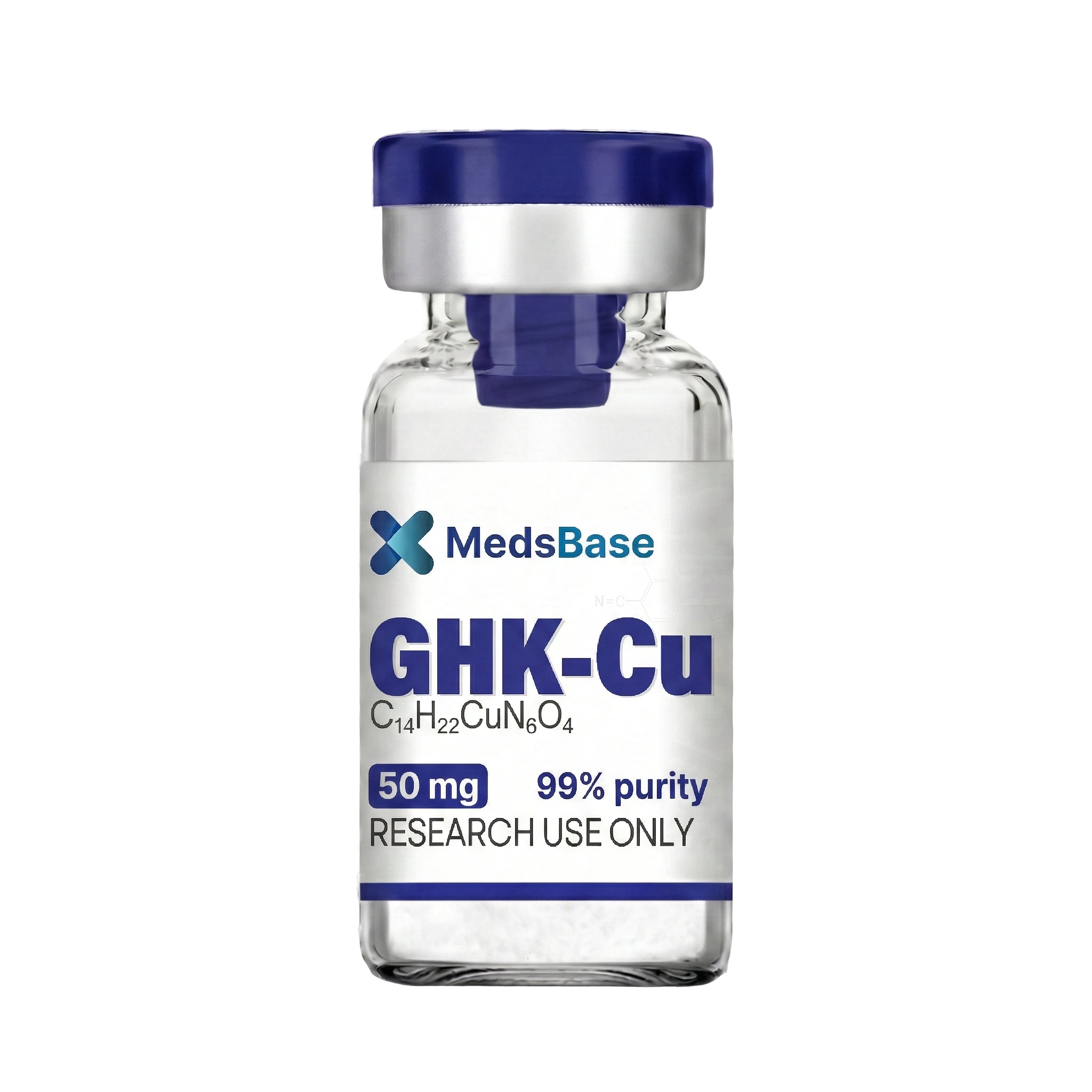
GHK-Cu
✅ Elősegíti a bőr megújulását
✅ Fokozza a kollagénszintézist
✅ Támogatja a hajtüszők egészségét
✅ Javítja a bőr rugalmasságát
✅ Serkenti a szövetregenerációt
GHK-Cu szintetikus peptidvegyületet tartalmaz.
✓ Orvosi ellenőrzés Morgan Ellis — Gyógyszerkutató · 8 év tapasztalat · Utolsó felülvizsgálat: 2026 május
Gyors válasz — Mi a GHK-Cu?
GHK-Cu egy természetes előfordulású tripeptid (glicil-L-hisztidil-L-lizin) rézzel (Cu) komplex2+). A publikált kutatások szerint serkenti a kollagénszintézist, aktiválja a fibroblasztokat, elősegíti a sebgyógyulást, és mintegy 4000 emberi gént fiatalos expressziós profil felé módosít. Csak laboratóriumi kutatási célra szánt, 50 mg-os liofilizált üvegekben szállítva.
📦 Minden rendelést fedez a Újraküldési Garancia — ha a csomagod nem érkezik meg 20 munkanapon belül, újraküldjük.
| Specifikáció | Részlet |
|---|---|
| CAS szám | 49557-75-7 (GHK szabad) · 89030-95-5 (Cu²⁺ komplex) |
| Molekuláris képlet | GHK: C14H24N6O4 · GHK-Cu: C14H22CuN6O4 |
| Molekulatömeg | GHK: 340,38 Da · GHK-Cu komplex: 403,92 Da |
| Szekvencia | Gly-His-Liz (kelve Cu²⁺-hoz) |
| Forma | Liofilizált por (vagy a szállított formában) |
| Tisztaság | ≥99% (HPLC-vel ellenőrizve, COA igény szerint) |
| Tárolás | Liofilizált: 2–8 °C (hűtőszekrény) munkakészletként; −20 °C hosszú távú tárolásra lezáratlan üvegek esetén. Rekonstituált: 2–8 °C, használat ~30 napon belül. Védjük a fénytől. Ne fagyassza-válassza fel az újraállított oldatot. |
| Oldhatóság | Baktériumstatikus víz (ajánlott) vagy steril víz rövidebb használatra |
| Kutatási célra | Csak laboratóriumi kutatási célra. Nem használható humán vagy állatgyógyászati diagnosztikai vagy terápiás célra. |
Mi a GHK-Cu?
GHK-Cu egy természetes előfordulású tripeptid-réz komplex, amelyet Loren Pickart fedezett fel 1973-ban az emberi plazma anti-aging faktorának vizsgálata során. A három aminosavból álló szekvencia, a glikil-L-hisztidil-L-lizin (GHK) magas affinitással rendelkezik a réz ionok (Cu) iránt, és az így keletkező2+GHK-Cu komplex a biológiailag aktív forma, amely a plazmában, nyálban és vizeletben található — átlagosan 200 ng/mL-ről 20 éves korban 80 ng/mL alá csökken 60 éves korra. A peptid molekulatömege körülbelül 340 Da (szabad GHK) vagy 402 Da réz komplexként, empirikus képlete C.
. Magas tisztaságú, liofilizált por formájában kapható, a réz komplexre jellemző halványszőke színnel. A GHK-Cu14H23CuN6O4. és nem szánható emberi vagy állatgyógyászati diagnózisra vagy terápiára. A mechanizmus, genomikus elemzés és publikált kutatási összefoglalókért lásd a teljes laboratóriumi kutatási célra szolgál és nem szándékoznak emberi vagy állatgyógyászati diagnózisra vagy terápiára használni. A mechanizmus, genomikai elemzés és publikált kutatási összefoglalók megtekintéséhez látogasson el teljes Hatásmechanizmus — Rézhordozó és Génszabályozó.
A GHK-Cu mechanizmusa rendkívül széles körű, mivel a tripeptid egyszerre funkcionál
GHK-Cu’s mechanism is unusually broad because the tripeptide functions both as a rézhordozó (Cu szállítása2+ a sejtekbe) és génekifejeződés-szabályozó amely több ezer célpontra hat. Három mechanisztikus út dominál a szakirodalomban:
- Rézszállítás — a GHK nagy affinitással kötődik a Cu-hoz2+ és átjuttatja a sejtmembránokon. A réz kofaktor a lizil-oxidáz (a kollagént és az elasztint keresztkötő enzim), a szuperoxid-dismutáz és a citokróm-C-oxidáz számára. A rézszállító mechanizmus az egyedi jellemző, amely megkülönbözteti a GHK-Cu-t a nem réztartalmú peptidoktól.
- Fibroblastaktiváció és kollagénszintézis — a GHK-Cu felregulálja az I. és III. típusú kollagént, a dekórint és a glikozaminoglikánokat a bőrfibroblasztok kutatásaiban. Ez képezi a mechanisztikus alapját a bőrre, sebegyógyulásra és kötőszövetekre vonatkozó kutatási eredményeknek.
- Génkifejeződés-moduláció — Pickart 2010-es genomikai elemzése azonosította a GHK-t mintegy 4 000 humán gén modulátoraként, amelynek nettó hatása a kifejeződési minták fiatalabb profil felé történő eltolódása. Az érintett génklaszterek közé tartozik a DNS-javítás, az antioxidáns védelem és a stresszválasz útjai.
Mivel ez a három mechanizmus számos szövetfajtában működik, a GHK-Cu-t kutatói környezetben vizsgálták a dermatológiától és a sebgyógyulástól a génkifejeződés biológiájáig és a neuronális túlélés kutatásáig. Jellemző kutatási dózisokon rendkívül jól tolerált.
Közzétett kutatási alkalmazások
A GHK-Cu-t laboratóriumi kutatási környezetekben használják, amelyek vizsgálják:
- Bőrregeneráció és fotóöregedés — I. és III. típusú kollagén szintézis, bőrvastagság, ráncmélység kutatás emberi és rágcsáló modellekben (Pickart, J Biomater Sci Polym 2008)
- Hajszőrtok-kutatás — folliculáris őssejt-aktiváció és hajciklus-kutatás rágcsáló modellekben
- Sebgyógyulás — bőrjavítás, krónikus seb és diabéteszes seb kutatása (Pickart et al., Biomed Res Int 2015)
- Antioxidáns és vas-kelátképző kutatás — ROS csökkentés, lipid-peroxidáció elleni védelem celluláris oxidatív stressz modellekben
- Génkifejeződés-kutatás — teljes transzkriptom elemzések mutatják kb. 4 000 humán gén modulációját
- Neuronális kutatás — neuritkiindulás és neuroprotekciós kutatás központi idegrendszeri sejtes modellekben
- Stacking kutatás — gyakran párosítva BPC-157 és TB-500 a kötőszöveti regenerációs kutatásban. Lásd a legjobb peptidek izomregenerációhoz a klaszter kontextusért.
Elérhető erősségek
A MedsBase GHK-Cu-t egyetlen 50 mg-os liofilizált ampulla erősségben kínálja. Minden variáció 10, 20 vagy 30 ampullás csomagolásban szállítható teljes rekonstitúciós útmutatóval:
| Ampulla erőssége | Tipikus felhasználási terület | Csomagméret |
|---|---|---|
| 50 mg | Standard kutatási erősség — támogatja a napi 1–3 mg-os protokollokat 2–4 hetes ampullánkénti használat mellett | 10, 20 vagy 30 ampulla |
Az 50 mg-os ampulla mérete a tipikus kutatási protokollok használatát tükrözi — adagonként 1–3 mg, napi 1–2 alkalommal vagy heti 3–5 alkalommal. Egyetlen 50 mg-os ampulla körülbelül 16–50 alkalmazást tesz lehetővé a protokolltól függően. 99%+-os HPLC tisztaságú liofilizált por formájában szállítjuk.
Összehasonlítás — GHK-Cu vs más gyógyulást elősegítő peptidjek
A GHK-Cu, BPC-157, és TB-500 a három leggyakrabban idézett gyógyulási kutatási peptid. Mindegyik különböző mechanizmuson keresztül hat, ezért gyakran kombinálják őket, nem pedig helyettesítik:
| Kritérium | GHK-Cu | BPC-157 | TB-500 |
|---|---|---|---|
| Hossz | 3 aminosav + réz | 15 aminosav | 43 aminosav |
| Elsődleges mechanizmus | Rézszállítás + génexpresszió-szabályozás | VEGF + NO + GH-receptor | G-aktin kötés, angiogenezis |
| Legjelentősebb kutatási eredmény | Bőr, haj, kollagén, génexpresszió | Ín, szalag, bélgát | Szív, szisztémás izom, érrendszer |
| Tipikus kutatási adag | 1–3 mg naponta vagy heti 3–5 alkalommal | 250–500 mcg napi 1–2 alkalommal | 2–2,5 mg heti kétszer |
A peptidvilág átfogóbb megértéséhez lásd a kutatási peptidek katalógust.
Tárolás és rekonstitúció
Rekonstitúció előtt: a liofilizált ampullákat eredeti csomagolásban 2–8 °C-on hűtve tároljuk. Akár 36 hónapig stabil. A liofilizált GHK-Cu jellegzetes világoskék színű a rézkomplex miatt.
Rekonstitúciós eljárás: a peptid ampullába baktériosztatikus vizet öntsünk az oldalfal mentén. Az oldat tiszta világoskék legyen – a réz színe2+ komplex. Óvatosan keverje körbe – ne nem rázza – és várjon 2–5 percet a teljes oldódásig.
Rekonstitúció után: Hűtőben tárolja 2–8 °C között, és 30 napon belül használja fel. A világoskék szín megmarad; a szín elvesztése a réz-peptid disszociációt jelezheti. Dobja ki, ha zavaros vagy elszíneződött (barna/zöld).
Gyakran Ismételt Kérdések
Mire használják a GHK-Cu-t a kutatásban?
A GHK-Cu-t laboratóriumi kutatásokban használják a bőrregeneráció, a hajhagyma biológiája, a sebgyógyulás, a kollagénszintézis, a génkifejezés-moduláció és az antioxidáns útvonalak vizsgálatára. Ez nem Az FDA által nem jóváhagyott, és itt kizárólag laboratóriumi kutatási célra értékesített.
Miért kék a GHK-Cu?
A kék szín a réz(II)-GHK komplex jellemzője. A Cu2+ ion a hisztidin imidazol gyűrűjével és a tripeptid deprotonált amid nitrogénjeivel koordinálódik, ami a jellegzetes világoskék abszorpciós spektrumot eredményezi. A megfelelően rekonstituált GHK-Cu oldatnak tiszta és világoskéknek kell lennie.
Mi a tipikus GHK-Cu kutatási adag?
A publikált preklinikai protokollok általában 1–3 mg-ot használnak adagonként, naponta egyszer vagy heti 3–5 alkalommal 4–8 hetes ciklusokban. Egy 50 mg-os üveg 5,0 mL baktériumellenes vízzel rekonstituálva 10 mg/mL koncentrációt ad – egy U-100 fecskendőn 10 osztás 1 mg-nak felel meg.
A GHK-Cu FDA által jóváhagyott?
Nem. A GHK-Cu nem kapott jóváhagyást az FDA, az EMA vagy bármely más szabályozó hatóságtól terápiás célra. Széles körben használják kozmetikai bőrápoló termékekben összetevőként, de az itt eladható injektálható kutatási forma kizárólag laboratóriumi vizsgálatokra szolgál.
Hogyan kell tárolni a GHK-Cu-t?
Liofilizált üvegek: hűtőben 2–8 °C között az eredeti csomagolásban, akár 36 hónapig stabil. Rekonstituált oldat: hűtőben 2–8 °C között, 30 napon belül használja fel. A kék színnek a tárolás során meg kell maradnia – a szín elvesztése a peptid-réz disszociációt jelezheti.
Hogyan rekonstituáljam a GHK-Cu-t?
Kövesse a fenti rekonstitúciós táblázatot. Adjon hozzá bakteriosztatikus vizet a flakon oldalfalánál, óvatosan keverje körbe, és várjon 2–5 percet a teljes oldódás érdekében. Az oldatnak világos kékes színűnek kell lennie. Ne nem rázzuk a palackot.
A GHK-Cu kombinálható BPC-157 vagy TB-500 peptidekkel?
Igen. A GHK-Cu-t gyakran adják együtt BPC-157 és/vagy TB-500 a kötőszöveti, sebegyógyulási és bőrregenerációs kutatásokban, mert mechanizmusuk kiegészíti egymást. A GHK-Cu réz és génkifejeződési jelzést biztosít; a BPC-157 növekedési faktorok upregulációját; a TB-500 szisztémás angiogenezist.
Különbözik az injektálható GHK-Cu a topikális kozmetikai GHK-Cu-tól?
A peptid maga ugyanaz a molekula. A kozmetikai formulációk alacsony koncentrációban (általában 0,1–1%) célozzák a bőrön keresztüli felszívódást; az injektálható kutatási formák sokkal magasabb dózisban szállítják szisztémásan SC injekcióval laboratóriumi vizsgálatokhoz. Termékünk az injektálható kutatási forma, nem kozmetikai.
Milyen erősségű készítményeket tart készleten a MedsBase?
A MedsBase 50 mg-os liofilizált flakonokban forgalmazza a GHK-Cu-t, 10, 20 vagy 30 flakonos csomagolásban. Minden flakon 99%+ HPLC tisztaságú, analízisigazolás kérésre elérhető.
Milyen mellékhatásai lehetnek a GHK-Cu-nak kutatásban?
A publikált preklinikai kutatások tiszta biztonsági profilt mutattak ki tipikus kutatási dózisoknál. A rézszállítást szigorúan szabályozzák a szervezet endogén szállítófehérjéi, ami valószínűleg hozzájárul az alacsony off-target jelzéshez. Hosszú távú humán biztonsági adatok nem állnak rendelkezésre.
Mi a GHK-Cu felezési ideje?
A GHK-Cu egy kis tripeptid-réz komplex, amelynek szabad peptid plazmafelezési ideje becslések szerint 30 perc alatti. Azonban a GHK erős affinitást mutat a kollagénhez, fibronektinhez és más extracelluláris mátrix fehérjékhez, ami lényegesen meghosszabbítja helyi szöveti tartózkodási idejét a plazmafelezési idő mérésein túl.
Hogyan működik eltérően a GHK-Cu a növekedési hormon szekretagóg peptidektől?
A GHRP-k vagy GHRH analógokkal ellentétben a GHK-Cu elsősorban génkifejeződés-moduláción keresztül hat. Mikrotömbös tanulmányok kimutatták, hogy a GHK több mint 4000 humán gént aktivál vagy gátol, beleértve a kollagénszintézist, antioxidáns védelmet, idegregenerációt és gyulladásgátló utakat irányító géneket. Ez a széles genomiás hatás megkülönbözteti a receptor-specifikus peptidektől, mint például a BPC-157 vagy az Ipamorelin.
Rendelhető-e GHK-Cu nemzetközi szállításra?
Igen. A MedsBase világszerte szállít GHK-Cu-t a dedikált peptid szállítási hálózatunkon keresztül. A kizárólag peptidet tartalmazó rendelések jogosultak az önálló peptid szállítási szolgáltatásunkra. A rendelések hőmérséklet-kontrollált csomagolásban, teljes nyomkövetéssel kerülnek kiszállításra.
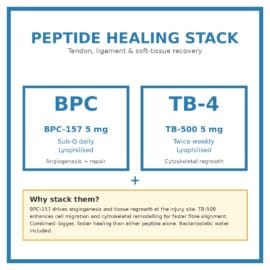
A GHK-Cu-t leggyakrabban dedikált szövetjavító peptidekkel kombinálják a mélyebb szöveti munka érdekében; párosítsa a Peptide Gyógyító Stack (BPC-157 5 mg + TB-500 5 mg + bakteriostatikus víz) termékünkkel az angiogenezis + citoszkeleton réteg érdekében, amely kiegészíti a GHK-Cu kollagén és antioxidáns hatásait.
Egyéb peptidok a regeneráció és teljesítmény kutatásához
- BPC-157 — Testvédő vegyület — ín, szalag, bél regenerációs kutatás
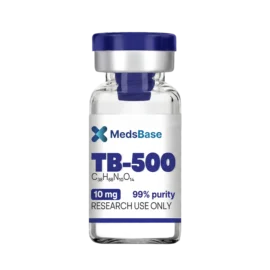
- TB-500 — Thymosin Beta-4 fragmentum — lágy szövetek és érrendszer regenerációs kutatás
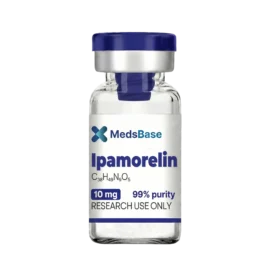
- Ipamorelin — Szelektív ghrelin agonist — tiszta GH impulzus kortizol/prolaktin nélkül
- CJC-1295 DAC-val — GHRH analóg meghosszabbított felezési idővel
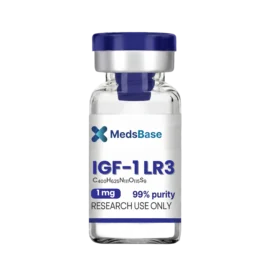
- IGF-1 LR3 — Long-R3 IGF-1 analóg — anabolikus / regeneratív kutatás
További olvasnivaló
📖 Ismerd meg a peptid mögött álló kutatást
Olvasd el teljes, bizonyítékokon alapuló útmutatónkat: GHK-Cu — mechanizmus, genomikai elemzés és kilátások. Leírja a réz kémiai tulajdonságait, Pickart génexpressziós tanulmányait, tipikus kutatási dózistartományokat, rekonstitúciós protokollokat, kombinálási szempontokat és biztonsági megjegyzéseket.
További lehetőségek a Peptidek között
Rangsorolva a MedsBase legutóbbi rendelési adatai alapján — hogy ebben a kategóriában más vásárlók mit választanak.
| Erősség | 50 mg |
|---|---|
| Mennyiség | 10 üveg, 20 üveg, 30 üveg |
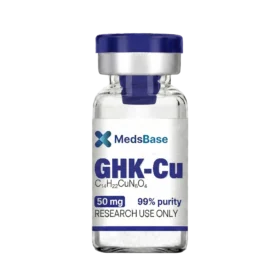 GHK-Cu
Kérdések és válaszok
GHK-Cu
Kapcsolódó termékek
Vélemények
Még nincsenek vélemények