







Semaglutide
✅ Hosszú hatású GLP-1 receptor agonist
✅ Támogatja a glikémiás kontroll kutatását
✅ Szabályozza az étvágyat és a telítettség jelzését
✅ Késlelteti a gyomorkiürülés kutatását
✅ Heti egyszeri adagolási protokollok
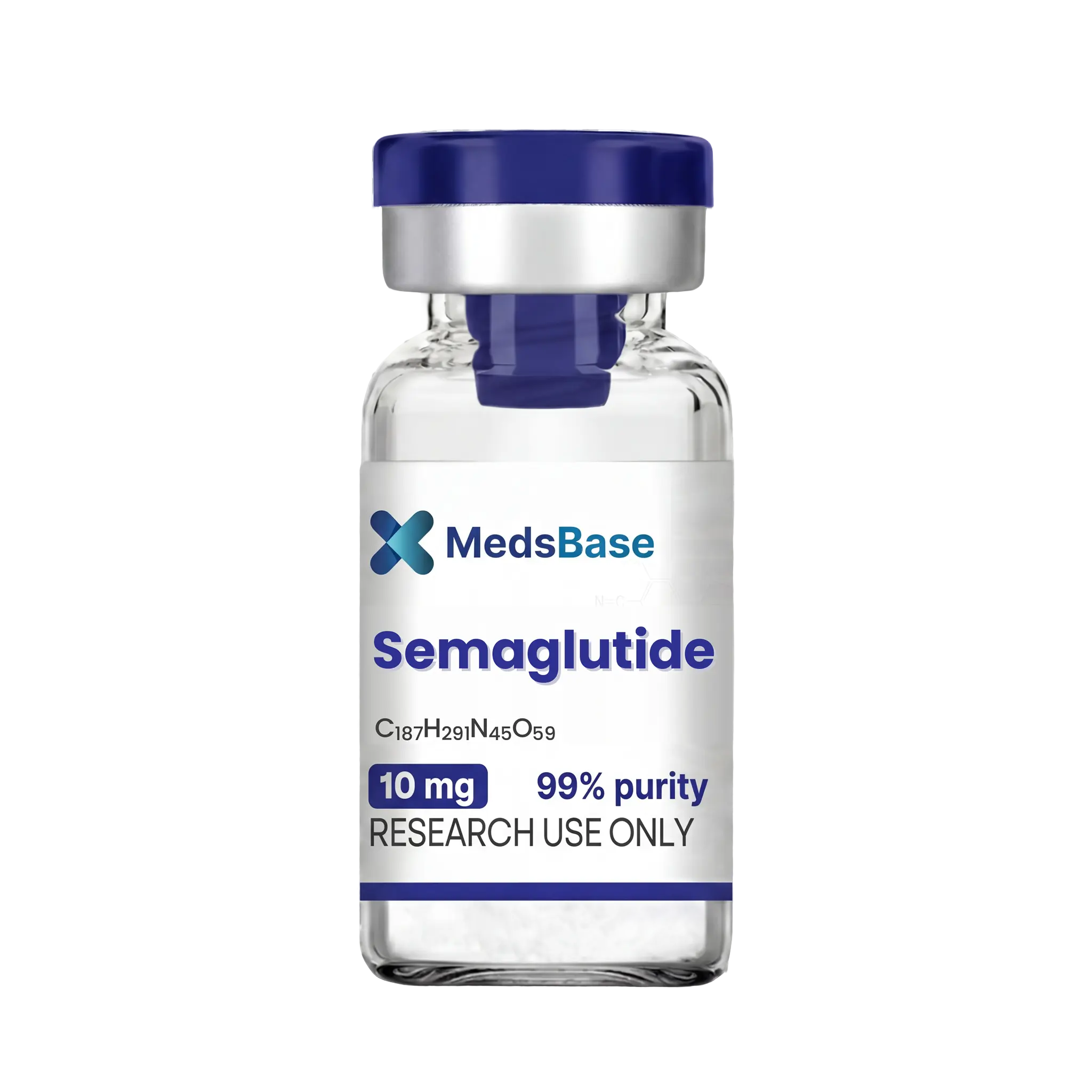
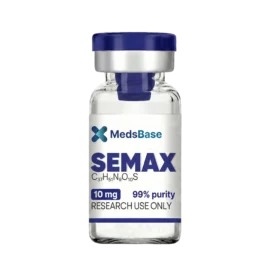
Semaglutide szintetikus peptidvegyületet tartalmaz.
✓ Orvosi ellenőrzés Morgan Ellis — Gyógyszerkutató · 8 év tapasztalat · Utolsó felülvizsgálat: 2026 május
Gyors válasz – Mi az a Semaglutide?
Semaglutide egy 31 aminosavból álló GLP-1 receptor agonist peptid és az Ozempic, Wegovy és Rybelsus mögött álló aktív kutatási molekula. Ez a leginkább tanulmányozott hosszú hatású GLP-1 analóg a publikált kutatásokban, körülbelül 165 órás (~7 napos) plazmafelezési idővel, ami heti egyszeri adagolást tesz lehetővé. Csak laboratóriumi kutatási célra szánt, 2 mg-tól 50 mg-ig terjedő liofilizált üvegekben forgalmazzuk.
📦 Minden rendelést fedez a Újraküldési Garancia — ha a csomagod nem érkezik meg 20 munkanapon belül, újraküldjük.
| Specifikáció | Részlet |
|---|---|
| CAS szám | 910463-68-2 |
| Molekuláris képlet | C187H291N45O59 |
| Molekulatömeg | 4113.58 Da |
| Szekvencia | H-Aib-EGTFTSDVSSYLEGQAAK(Nε-(N-(17-karboxi-1-oxoheptadecil)-L-γ-glutamil)-[2-(2-aminoetoxi)etoxi]acetil-[2-(2-aminoetoxi)etoxi]acetil)EFIAWLVRGRG-OH (31 aa, GLP-1[7-37] váz Aib8, Arg34, és Lys26-zsírsav aszilációval) |
| Forma | Szublimáltan szárított por (fehér vagy halványsárga) |
| Tisztaság | ≥99% (HPLC-vel ellenőrizve, COA igény szerint) |
| Tárolás | Liofilizált: 2–8 °C (hűtőszekrény) munkakészletként; −20 °C hosszú távú tárolásra lezáratlan üvegek esetén. Rekonstituált: 2–8 °C, használat ~30 napon belül. Védjük a fénytől. Ne fagyassza-válassza fel az újraállított oldatot. |
| Oldhatóság | Baktériumstatikus víz (ajánlott) vagy steril víz rövidebb használatra |
| Kutatási célra | Csak laboratóriumi kutatási célra. Nem használható humán vagy állatgyógyászati diagnosztikai vagy terápiás célra. |
Mi az a Semaglutide?
Semaglutide egy hosszú hatású glükagon-szerű peptid-1 (GLP-1) receptor agonist, amelyet az endogén inkretin hormon GLP-1 strukturális analógjaként fejlesztettek ki. Ez egy 31 aminosavból álló peptid, amely a GLP-1(7-37) vázra épül, három mérnökölt módosítással, amelyek megkülönböztetik a korábbi rövid hatású analógoktól: egy α-aminoizobutirinsav (Aib) helyettesítés a 8. pozícióban, amely ellenáll a DPP-4 hasításnak, egy arginin helyettesítés a 34. pozícióban, hogy megakadályozza a nem célzott aszilációt, és egy C18 zsírdiacid, amely a lizin 26-hoz kapcsolódik egy γ-glutaminsav és két 2-(2-aminoetoxi)etoxi ecetsav (AEEA) spacer segítségével. A zsírsav-kötés erős reverzibilis kötést biztosít a keringő albuminhoz, meghosszabbítva a plazmafelezési időt körülbelül 165 órára, és a Semaglutide-t teszi a leghosszabb hatású GLP-1 agonistává, amelyet napjainkig fejlesztettek ki heti egyszeri subkután adagoláshoz a publikált kutatásokban.
A Semaglutide peptid szekvenciája és molekuláris szerkezete jól jellemezhető: empirikus képlet C187H291N45O59, átlagos molekulatömeg 4113.58 Da. A vegyület magas tisztaságú liofilizált por formájában kerül forgalomba, amelyet bakteriosztatikus vízzel kell rekonstituálni. A gyógyszerészeti Semaglutide-t az FDA, EMA és MHRA jóváhagyta Ozempic (subkután, 2-es típusú diabetes), Wegovy (subkután, krónikus súlykezelés) és Rybelsus (orális, 2-es típusú diabetes) márkanevek alatt. Az itt elérhető kutatási célú Semaglutide laboratóriumi kutatási célra szolgál és nem FDA-engedélyezett emberi vagy állatgyógyászati alkalmazásra. A mechanizmus, farmakokinetika és fej-fej melletti vizsgálati adatok mélyebb megértéséhez lásd a teljes Retatrutid vs Tirzepatid útmutatónkat és a szélesebb körű kutatási peptidek katalógust.
Mechanizmus – GLP-1-receptor jelátvitel három szöveti kompartmentben
Ami a szemaglutidot farmakológiailag érdekesebbé teszi a korábbi GLP-1 analógokhoz (liraglutid, exenatid) képest, az a magas receptorszelektivitás és a megfelelő hosszú felezési idő kombinációja, amely szinte folyamatos receptorokupációt tesz lehetővé. Közölt kutatások feltérképezték hatását három különálló szöveti kompartmentben, amelyek mind hozzájárulnak a megfigyelt metabolikus fenotípushoz:
- Pancreas β-sejt – glükóztól függő inzulinkiválasztás – A szemaglutid a GLP-1-receptorhoz kötődik a pancreas β-sejtekben, aktiválva a Gαs-kötött adenilil-ciklázt, növelve az intracelluláris cAMP és PKA/EPAC2 jelátvitelt. A lefelé irányuló hatás a glükóztól függő inzulinkiválasztás fokozása: a hipoglikémia ritka, mert a jelzéshez emelkedett intracelluláris glükózszint szükséges az inzulinkibocsátáshoz. A párhuzamosan történő glükagonkiválasztás csökkenése az α-sejtekből hozzájárul az alacsonyabb éhomi máji glükóztermeléshez diabeteses modellekben.
- Központi idegrendszer – étvágy- és telítettség-áramkörök – A szemaglutid kellő mértékben átjut a vér-agy gáton, hogy aktiválja a GLP-1-receptorokat az ívvelű magban, a paraventrikuláris magban és az area postremában. Kutatások táplálással indukált elhízott (DIO) rágcsálómodellekben dokumentálták az anorexigén pro-opiomelanokortin (POMC) neuronok aktiválását és az orexigén neuropeptid Y/agouti-kapcsolatos peptid (NPY/AgRP) neuronok gátlását. Ez a központi hatás a fő hajtóereje a testtömeg-fenotípusnak, amelyet az elhízás-kutatásokban figyeltek meg.
- Gasztrointesztinális motilitás – késleltett gyomürítés — A GLP-1-receptor aktivációja a vagus afferensekben és az enterikus neuronokban lelassítja a gyomürítés sebességét, csökkentve a posztprandiális glükózingadozásokat és meghosszabbítva a teltségérzet jelzéseit. Ennek a hatásnak a tachyphylaxisa (részes deszenzitizáció) heteken belül kialakul a receptor folyamatos foglaltsága miatt, ami magyarázza, hogy a gasztrointesztinális tolerálhatóság általában javul a hosszabb adagolás során a kutatási modellekben.
A C18-as zsírsav diacid kötés különbözteti meg a szemaglutid farmakokinetikáját a régebbi GLP-1 analógoktól. A szérum albuminhoz való reverzibilis kötődés révén ezen a kötésen keresztül a szemaglutid egy keringő depót képez, amely védi a vesekiürítéstől és a DPP-4 lebontástól. Ezt az Aib8 helyettesítéssel (amely közvetlenül blokkolja a DPP-4 hasítási helyét a 8–9. pozíción) kombinálva a szemaglutid felezési ideje 165 óra, szemben a liraglutid 13 órás és a natív GLP-1 <2 perces felezési idejével – körülbelül 12-szeres meghosszabbítás, amely lehetővé teszi a heti egyszeri kutatási adagolási ütemezést.
Közzétett kutatási alkalmazások
A szemaglutidot laboratóriumi kutatási kontextusokban használják, amelyek vizsgálják:
- Glükózhomeosztázis és inzulinérzékenység — glükóz-stimulált inzulinszekréció, orális és intravénás glükóztolerancia-tesztek, hiperinszulinaemikus-euglikaemiás clamps db/db, ZDF és magas zsírtartalmú táplálékon tartott rágcsáló modellekben (Lau et al., J Med Chem 2015; Knudsen & Lau, Front Endocrinol 2019)
- Testtömeg és étvágy-szabályozás — ételbevitel értékelése, testösszetétel (DEXA / MRI), légzési cserehányados DIO és ob/ob egérmodellekben; referencia az új anti-obezitás peptid kutatásokhoz
- Szív- és érrendszeri és atherosclerosis kutatás — hatások az endotélfunkcióra, plakk progresszióra ApoE-/- és LDLR-/- egerekben; mechanisztikus követés a SUSTAIN-6 és PIONEER kardiovaszkuláris jelzésének klinikai vizsgálataiban
- Védelmi és diabéteszes nephropathia modellek — albuminuria, glomeruláris filtrációs ráta, mesangium expanzió streptozotocin-indukált és Akita egér diabéteszes vesebetegségben
- Neuroprotektív kutatás — kognitív funkció, neuroinflammation, α-szinuklein és amyloid-β patológia Parkinson- és Alzheimer-preklinikai modellekben – a GLP-1R az egész központi idegrendszerben kifejeződik és jelenlegi kutatási terület
- Májelzsírosodás (MASLD/MASH) kutatás — májtriglicerid-tartalom, ALT/AST, fibrosis stádiumok kolindeficiense és magas zsír-magas fruktóz tartalmú rágcsáló étrendekben
- Összehasonlító metabolikus peptid kutatás — összevetés újabb multi-agonistákkal. Lásd a Retatrutid oldalon a hármas GLP-1/GIP/glukagon összehasonlító anyagot és a Retatrutid vs Tirzepatid útmutatónkat kettős agonista mellékhatások mellett.
A szélesebb kontextusért, hogy a szemaglutid hol helyezkedik el a metabolikus peptid térképen, lásd a kutatási peptidek katalógust és kapcsolódó vegyületeket, beleértve a Retatrutid (hármas agonistát) és a Tesamorelin (GHRH analógot a zsírszövet kutatásához).
Elérhető erősségek és koncentrációk
MedsBase stocks Semaglutide in seven lyophilized vial strengths to support both micro-dose titration research and extended weekly-dosing protocols. Each strength is available in 10-vial, 20-vial, or 30-vial pack formats with full reconstitution guidance:
| Ampulla erőssége | Tipikus kutatási felhasználási eset | Csomagméret |
|---|---|---|
| 2 mg | Pilot dózisozás, alacsony szintű titrálás, rövid ciklusú protokollok | 10, 20 vagy 30 ampulla |
| 5 mg | Standard karbantartó dózisú kutatási erősség | 10, 20 vagy 30 ampulla |
| 10 mg | Hosszabb ciklusú protokollok, magasabb dózisú titrálási csoportok | 10, 20 vagy 30 ampulla |
| 15 mg | Közepes erősségű tömeges kutatási flakon, csökkentett rekonstitúciós térfogat | 10, 20 vagy 30 ampulla |
| 20 mg | Több hónapos kutatási ciklusok, alacsonyabb egységár mg-onként | 10, 20 vagy 30 ampulla |
| 30 mg | Nagy dózisú összehasonlító kutatás, hosszú távú protokollok | 10, 20 vagy 30 ampulla |
| 50 mg | Tömeges kutatási flakon, legalacsonyabb egységár mg-onként, több kohortos tanulmányok | 10, 20 vagy 30 ampulla |
Mind a hét erősség ugyanolyan kémiai formában van (liofilizált por, 99%+-os HPLC tisztaság). A magasabb mg-os flakonok kevesebb rekonstitúciós térfogatot igényelnek egységadagonként, ami hasznos, ha a kutatók minimalizálni szeretnék az injekciós térfogatot adagolásonként, vagy több hónapos protokollokat szeretnének futtatni egyetlen flakonból.
Összehasonlítás — Semaglutid vs Retatrutid vs Tirzepatid
Semaglutid, Retatrutid, és tirzepatid a három leggyakrabban idézett hosszú hatású inkretin peptid a jelenlegi anyagcsere-kutatásban. Fő különbségük a receptor szelektivitás: a semaglutid egyszerű GLP-1 agonistáként hat, a tirzepatid kettős GLP-1/GIP agonistaként, míg a retatrutid hármas GLP-1/GIP/glukagon agonistaként. A fokozódó receptorprofil egyre nagyobb testsúlycsökkenési hatással jár elhízott állatmodellekben, de szélesebb off-target jelátvitellel is.
| Kritérium | Semaglutide | Tirzepatide | Retatrutid |
|---|---|---|---|
| Receptorprofil | GLP-1 (egyszeres) | GLP-1 + GIP (kettős) | GLP-1 + GIP + glükagon (hármas) |
| Szekvencia hossz | 31 aminosav | 39 aminosav | 39 aminosav |
| Felezési idő | ~165 óra (~7 nap) | ~120 óra (~5 nap) | ~6 nap |
| Márkareferencia | Ozempic / Wegovy / Rybelsus | Mounjaro / Zepbound | Kísérleti (LY3437943) |
| Tipikus heti kutatási adag | 0,25–2,4 mg | 2,5–15 mg | 2–12 mg |
| Legjelentősebb kutatási eredmény | Glükózszint-szabályozás, szív-érrendszeri védelem | Kombinált vércukorszint- és testsúlycsökkentés, MASH | Legnagyobb testsúlycsökkentő hatás DIO modellben |
| Testszerekben mért testsúlyra gyakorolt hatás | ~15% (STEP) | ~22% (SURMOUNT-1) | ~24% (2. fázis) |
A kettős és hármas agonisták kutatási irodalmának teljes módszertani összehasonlításáért olvassa el Retatrutide vs Tirzepatide: hármas vs kettős agonista és Ozempic vs Mounjaro. A kutatók ezek között a peptid között választva általában a receptor szelektivitást (tisztább farmakológia a szemaglutiddal) vetik össze a hatás nagyságával (ami nagyobb a kettős és hármas agonistáknál).
Tárolás és rekonstitúció
Rekonstitúció előtt: A liofilizált üvegeket rövidtávú használatra 2–8 °C-on hűtőszekrényben, eredeti csomagolásban tárolja. Hosszú távú tároláshoz, nyitás előtt -20 °C-on fagyassza. A liofilizált szemaglutid akár 24 hónapig stabil hűtőszekrényben és akár 36 hónapig -20 °C-on. Kerülje a liofilizált por fagyasztás-olvadás ciklusait.
Rekonstitúciós eljárás: a bakteriosztatikus vizet a peptid üveg oldalfalánál (közvetlenül a liofilizált kockára nem) fecskendezze be. 5 mg-os üveg esetén 2,0 mL bakteriosztatikus víz 2,5 mg/mL munkakoncentrációt eredményez – tíz egység U-100 inzulinfeccsen 250 mcg-nak felel meg. Óvatosan keverje – ne nem rázuk meg – és hagyjunk 2–5 percet a teljes oldódásra. A helyesen rekonstituált oldat tiszta és színtelen legyen.
Rekonstitúció után: hűtőszekrényben 2–8 °C-on tárolja és 30 napon belül használja fel az optimális stabilitás érdekében. A rekonstituált oldatot ne fagyassza – a fagyasztás-olvadás ciklusok károsítják a peptid integritását. A homályos, csapadékos vagy színeződött üvegeket dobja el. Mivel a szemaglutid kutatási protokollokban hetente egyszer adagolható, egyetlen rekonstituált 5 mg-os üveg általában 4–8 hetes titrálási kutatást támogat a céladagtól függően.
Gyakran Ismételt Kérdések
Mire használják a szemaglutidot a kutatásban?
A szemaglutidot laboratóriumi kutatásokban használják a glükózhomeosztázis, inzulinszekréció, testsúly- és étvágy-szabályozás, gyomorkiürülés, szív-érrendszeri végpontok, védő hatás diabéteszes nephropátiás modellekben, májzsírosodás (MASLD/MASH) és neuroprotekció vizsgálatára. A publikált irodalomban a legjobban jellemzett hosszú hatású GLP-1 agonistaként szolgál, és az újabb multi-agonist inkretin peptidek referencia komparátora. Az itt eladott kutatási minőségű szemaglutid nem az FDA által jóváhagyott humán terápiás használatra, és kizárólag laboratóriumi kutatásra szolgál.
Miben különbözik a szemaglutid a retatrutidtől és a tirzepatidtől?
A fő különbség receptor szelektivitás. A szemaglutid egyetlen GLP-1 receptor agonist, amelynek a három közül a legtisztább a receptor farmakológiája. A tirzepatid hozzáadja a GIP receptor aktivitást (kettős agonist). A retatrutid ezen felül még a glükagon receptor aktivitást is hozzáadja (hármas agonist). A fokozódó receptor profil egyre nagyobb testsúlycsökkentő hatást eredményez a publikált kutatásokban, de szélesebb rendszerszintű jelzést is. A szemaglutid marad az arany standard a glikémiás kontroll és szív-érrendszeri kutatásban; a multi-agonistákat ott részesítik előnyben, ahol a maximális testsúlycsökkentő hatás a kutatási végpont.
Mi a tipikus Semaglutide kutatási adag?
A publikált preklinikai és klinikai kutatási protokollok általában 0,25 mg heti kezdő adaggal és 0,25–0,5 mg-os 4 hetes lépcsőzetes növeléssel dolgoznak, amíg el nem érik az 1,0–2,4 mg heti karbantartó adagot. Egy 5 mg-os flakon 2,0 mL baktériumölő vízzel rekonstituálva 2,5 mg/mL koncentrációt eredményez — tíz egység egy U-100 inzulinfeccsel 250 mcg-nak felel meg.
A Semaglutide FDA által jóváhagyott?
A gyógyszeripari Semaglutide FDA által jóváhagyott Ozempic, Wegovy és Rybelsus márkaneveken emberi terápiás használatra 2-es típusú diabetesben és krónikus testsúlykezelésben, GMP szabványok szerint gyártva Novo Nordisk által. Az itt értékesített kutatási minőségű Semaglutide külön termék, kizárólag laboratóriumi kutatási célra szolgál. nem az FDA által jóváhagyott humán vagy állatgyógyászati használatra. Nem szabad embereknek vagy állatoknak beadni.
Hogyan kell tárolni a Semaglutide-ot?
Liofilizált palackok: rövid távú használatra hűtőben 2–8 °C között, vagy hosszú távú tárolásra nyitott palackok esetén −20 °C-on. Rekonstituált oldat: hűtőben 2–8 °C között, használja fel 30 napon belül. Ne fagyassza be a rekonstituált oldatot – a fagyasztás-olvadás ciklusok károsítják a peptidet. Mindig védje a közvetlen fénytől.
Hogyan kell rekonstituálni a Semaglutide-ot?
Kövesse a fenti rekonstitúciós eljárást. Adjon hozzá bakteriosztatikus vizet a flakon oldalfalán (ne közvetlenül a liofilizált porra), óvatosan keverje körbe, és várjon 2–5 percet a teljes oldódásig. Ne nem Az ampullát meg kell rázni. A helyesen rekonstituált oldat tiszta és színtelen. Egy 5 mg-os ampulla + 2,0 mL oldószer esetén a munkakonzcentráció 2,5 mg/mL.
Milyen erősségű készítményeket tart készleten a MedsBase?
MedsBase carries Semaglutide in seven lyophilized vial strengths: 2 mg, 5 mg, 10 mg, 15 mg, 20 mg, 30 mg, and 50 mg. Each strength is available in 10-vial, 20-vial, or 30-vial pack sizes. All vials are supplied at 99%+ HPLC purity with a certificate of analysis available on request.
Mi a Semaglutide felezési ideje?
A Semaglutide rendkívül hosszú, körülbelül 165 órás (~7 napos) plazmafelezési idővel rendelkezik subkután adás után. Ezt a hosszú felezési időt a keringő szérumalbuminhoz való reverzibilis kötés biztosítja a lizin 26-nál található C18 zsírdikarbonsav kötőn keresztül, amely védi a peptidet a vese általi kiválasztástól. A hosszú felezési idő lehetővé teszi a heti egyszeri adagolást a publikált kutatásokban, ellentétben a natív GLP-1 (kevesebb mint 2 perc felezési idő) és a liraglutid (~13 óra felezési idő) esetével.
Összehasonlítható-e a Semaglutide és a Tirzepatide kutatásban?
Igen — a közvetlen összehasonlítás az egyik legaktívabban kutatott terület a metabolikus peptid farmakológiában. Publikált vizsgálatok, mint a SURPASS-2 (klinikai) és egyre növekvő preklinikai munka hasonlítja össze a két peptidet glikémiás kontroll, testsúly, gyomorkiürülés és szív-érrendszeri végpontok szempontjából. A Semaglutide általában az aktív kontrollcsoport az újabb multi-agonistás vizsgálatokban, mert egyetlen receptorra ható profilja tiszta alapot biztosít.
A Semaglutide mellékhatásokat okoz-e kutatásban?
A Semaglutide kutatásban a leginkább konzisztens megfigyelés a gastrointestinalis — hányinger, átmeneti étvágytalanság és késleltetett gyomorkiürülés adagfüggő és általában 4–8 hét folyamatos adagolás után enyhül, ahogy a receptor tachyphylaxis kialakul. A hosszú távú vizsgálatokban kevésbé gyakori megfigyelések közé tartozik a epehólyag mozgásra gyakorolt hatás és (a pajzsmirigy C-sejt érzékenységű rágcsálómodellekben) C-sejt hiperplázia — ez utóbbi fajspecifikus jelzés, amely hosszú távú klinikai követésben nem jelent meg emberekben.
Mi a különbség a subkután és az orális Semaglutide között kutatásban?
A subkután Semaglutide (Ozempic, Wegovy) a szokásos kutatási útvonal, mert a peptid gyorsan lebomlik a gastrointestinalis traktusban. Az orális Semaglutide (Rybelsus) SNAC (nátrium N-(8-[2-hidroxibenzoyl]amino)kaprilát) abszorpciófokozóval van formulázva, amely átmenetileg emeli a gyomorhőt és megvédi a peptidet elég ideig ahhoz, hogy átjuthasson a gyomornyálkahártyán. Az orális biohasznosulás továbbra is alacsony (~1%), így a kutatásban releváns orális adagok lényegesen magasabbak, mint a subkután megfelelőik.
Mennyi idő alatt mutat hatást a Semaglutid preklinikai kutatásokban?
Az akut farmakodinámiás hatások a glükóztoleranciára és a gyomoriürítésre már az első adag után néhány órán belül észlelhetők. A testsúlyra gyakorolt hatások elhízott rágcsálómodellekben általában statisztikailag szignifikánsak lesznek a heti adagolás 1-2 hetét követően, és tovább halmozódnak a 8-12. héten keresztül. A testszetösszetételre gyakorolt maximális hatást a kutatási modellekben általában a folyamatos adagolás 16-20 hetét követően figyelhetjük meg.
Rendelhetek-e Semaglutidot nemzetközi szállításra?
Igen. A MedsBase világszerte szállít Semaglutidot a dedikált peptid szállítási hálózatunkon keresztül. A kizárólag peptidet tartalmazó rendelések jogosultak az önálló peptid szállítási szolgáltatásunkra. Minden rendelést hőmérséklet-kontrollált csomagolásban szállítunk, teljes nyomkövetéssel, és mindegyiket fedezeti a Újraküldési Garancia.
Egyéb peptidok anyagcsere- és testszetösszetétel-kutatáshoz
- Retatrutid — Triple GLP-1/GIP/glukagon agonista (LY3437943) — a legnagyobb testsúlycsökkentő hatás a jelenlegi metabolikus peptid kutatásban
- Tesamorelin — GHRH analóg — zsírszöveti és lipodisztrofia kutatás
- CJC-1295 DAC-val — Hosszú hatású GHRH analóg a növekedési tengely kutatásához
- Ipamorelin — szelektív GHRP a tiszta GH-tengely impulzus kutatáshoz
- IGF-1 LR3 — hosszú-arginin IGF-1 analóg — anabolikus és regeneratív kutatás
További olvasnivaló
📖 Hasonlítsa össze a hosszú hatású inkretin színteret
Olvassa el közvetlen összehasonlító útmutatónkat: Retatrutide vs Tirzepatide — hármas vs kettős agonista és Ozempic vs Mounjaro. Leírja a receptorfarmakológiát, szekvenciafejlesztést, felezési időt, dózis-válasz kapcsolatot, valamint a publikált kísérleti adatokat, amelyek megkülönböztetik a semaglutidot az újabb multi-agonista peptidektől.
További lehetőségek a Peptidek között
Rangsorolva a MedsBase legutóbbi rendelési adatai alapján — hogy ebben a kategóriában más vásárlók mit választanak.
| Erősség | 2 mg, 5 mg, 10 mg, 15 mg, 20 mg, 30 mg, 50 mg |
|---|---|
| Mennyiség | 10 üveg, 20 üveg, 30 üveg |
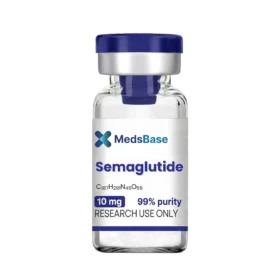 Semaglutide
Kérdések és válaszok
Semaglutide
Kapcsolódó termékek
Vélemények
Még nincsenek vélemények