







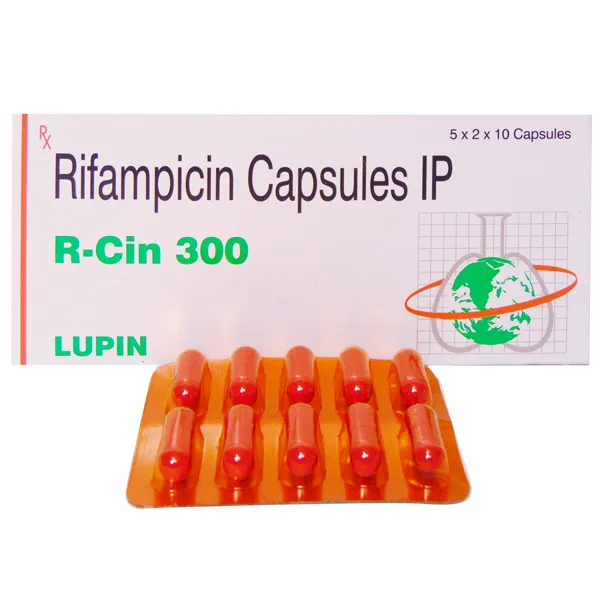
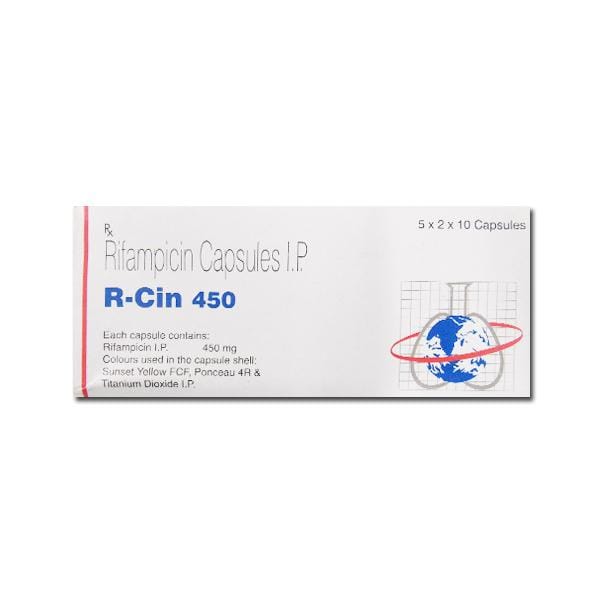
R-Cin
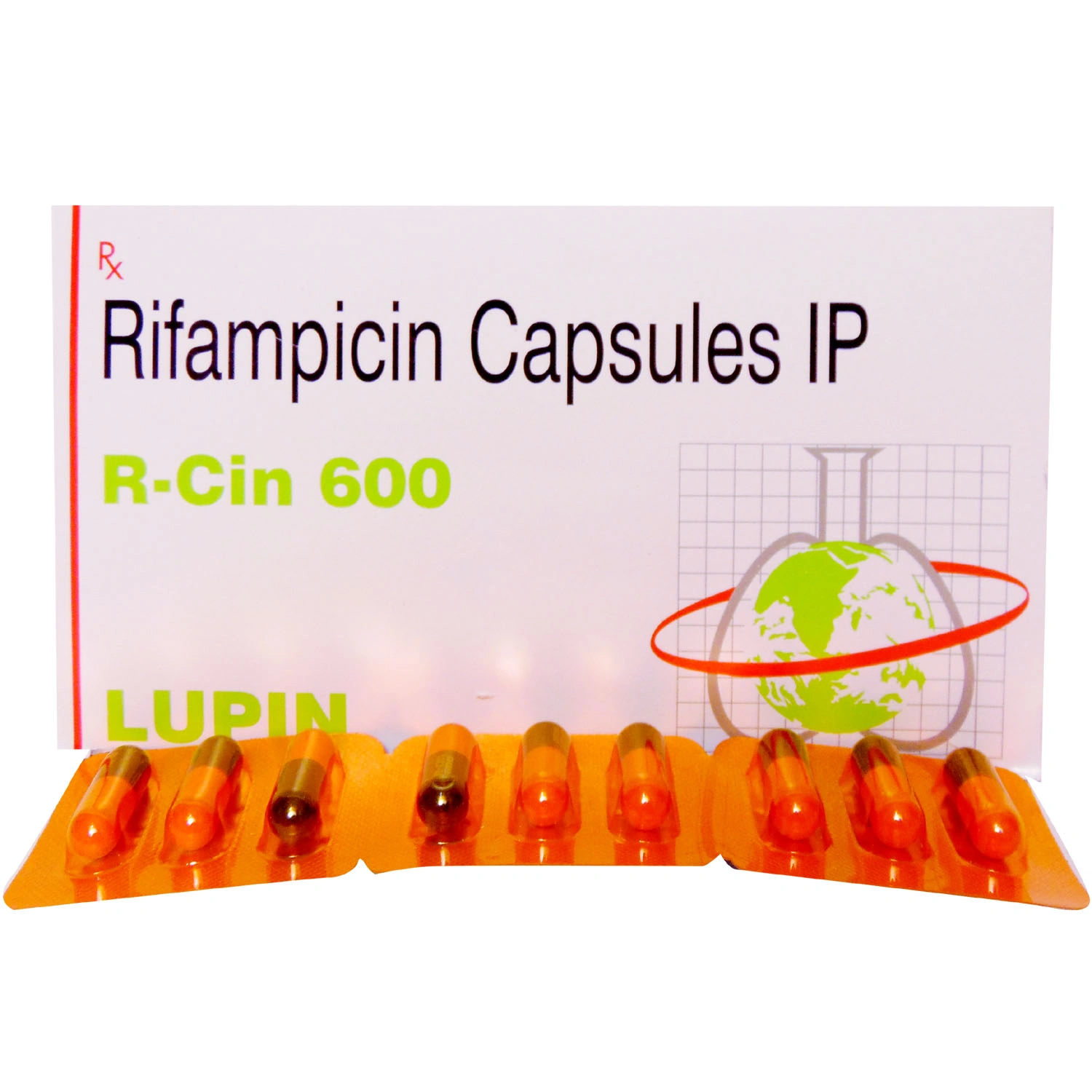


✅ Tuberkulózis kezelésére
✅ Baktériumok szaporodásának megakadályozása
✅ Rövidíti a kezelés időtartamát
✅ Csökkenti a fertőzés átvitelének kockázatát
✅ Csökkenti a gyógyszerrezisztenciát
Az R-Cin rifampicint tartalmaz.
✓ Orvosi ellenőrzés Morgan Ellis — Gyógyszerkutató · 8 év tapasztalat · Utolsó felülvizsgálat: 2026 május
⚡ Gyors válasz — Mi az R-Cin?
R-Cin tartalmaz rifampicin (300 mg / 450 mg / 600 mg kapszula) WHO-GMP tanúsítvánnyal rendelkező gyártótól (a Cipla gyártja) — baktericid tuberkulózisellenes antibiotikum, amely gátolja a baktériumok DNS-függő RNS-polimerázát. Aktív tuberkulózis szabványos felnőtt adagja: 10 mg/kg naponta egyszer (általában 450 mg 38–55 kg testtömeg esetén, 600 mg >55 kg testtömeg esetén) üres gyomorral — étkezés előtt egy órával vagy étkezés után két órával. A rifampicin soha nem használják önmagában aktív TBC kezelésére; mindig kombinálják izoniaziddal, pirazinamiddal és etambutollal (a 4-szeres RIPE kezelési séma) az első két hónapban, majd további négy hónapig izoniaziddal folytatják. A rifampicin önmagában meghatározott esetekben használatos latens TBC-fertőzés (4 hónapos monoterápia), lepra, meningococcus-kontaktus profilaxis, MRSA csont-/ízületi fertőzések és brucellosis. esetén. Várható narancssárga-vörös színeződés a vizeletben, izzadtságban, könnyben és nyálban (ártalmatlan, de puha kontaktlencséket maradandóan befest). A rifampicin nagyon erős CYP3A4/2C9/2C19 indukáló és csökkenti számos gyógyszer hatékonyságát, köztük a fogamzásgátló tablettákét, warfarinkét, DOAC-két, statinokét, metadonét, immunuszuppresszánsokét, antiretrovirális szerekét és sok másét.
📦 Minden rendelést fedez a Újraküldési Garancia — ha a csomagod nem érkezik meg 20 munkanapon belül, újraküldjük.
Miért rendelj a MedsBase-ról
Generikus gyógyszereink WHO-GMP minősítésű gyártóktól származnak, és diszkrét, egyszerű csomagolásban szállítjuk őket világszerte — a csomagon nem szerepel a gyógyszer neve. A kártyás fizetések egy szabályozott feldolgozón keresztül történnek (a számlaleírások egy szabályozott kártyafizetési feldolgozót tartalmaznak — soha nem “MedsBase” vagy bármilyen gyógyszer neve). Kriptovalutát és SEPA banki átutalást is elfogadunk. Minden rendelést a Reshipment Assurance Policy biztosíték fedez.
Mi az R-Cin (Rifampicin)
Az R-Cin a Cipla márkája rifampicinnel, egy félszintetikus rifamicin antibiotikum, amelyet az 1960-as évek végén vezettek be és szerepel az WHO Alapvető Gyógyszerek Modell Listáján. Minden opálvörös és bíbor kapszula 300 mg, 450 mg vagy 600 mg rifampicint tartalmaz. A rifampicin baktericid ellen hat Mycobacterium tuberculosis, M. leprae, valamint számos staphylococcus, neisseria és más intracelluláris kórokozó ellen. Ez a legfontosabb sterilizáló szer a modern rövid kurzusú TB terápiában — az egyetlen szer, amely lehetővé tette a kezelési idő 18–24 hónapról 6 hónapra csökkentését az 1970-es években.
Hogyan működik az R-Cin (Mechanizmus)
A rifampicin a baktériumok DNS-függő RNS-polimeráz β-alegységéhez kötődik, blokkolva az RNS transzkripció kezdetét. Az emlősök RNS-polimerázait nem érinti, mert szerkezetük eltér a rifampicin-kötő zsebben. A szer behatol a gazdasejtekbe, granulómákba, tályogüregekbe és a gyulladt meningesben lévő cerebrospinális folyadékba — ezért olyan fontos intracelluláris és partíció-rezisztens fertőzések ellen. A rezisztencia a rpoB a polimeráz β-alegységet kódoló gén; ezért a rifampicint mindig kombinálni kell legalább egy másik hatóanyaggal nagy baktériumterhelésű szervezetek (például aktív TB) kezelésekor.
Indikációk – Mit kezel a R-Cin
1. Aktív tuberkulózis (csak kombinációs terápia)
A rifampicin a WHO 6 hónapos rövid kurzusú terápiájának sarokköve a gyógyszerérzékeny tüdő- és extrapulmonális TB esetén:
| Fázis | Időtartam | Gyógyszerek |
|---|---|---|
| Intenzív | 2 hónap | Rifampicin + Izoniazid + Pirazinamid + Etambutol (RIPE) |
| Folytató | 4 hónap | Rifampicin + Izoniazid (RH) |
A minimális kezelési idő 6 hónap. Hosszabb terápiákat (9–12 hónap) alkalmaznak a TB agyhártyagyulladás, csont-/ízületi TB és általánosított megbetegedés esetén. A kezelést felügyelet alatt kell végezni – a közvetlenül megfigyelt terápia (DOT) a legtöbb nemzeti programban ajánlott a betartás biztosítása és az MDR-TB kialakulásának megelőzése érdekében.
2. Lappangó tuberkulózis fertőzés (LTBI)
A pozitív TB bőrteszt vagy interferon-gamma felszabadulási tesztet mutató, de aktív betegség nélküli betegeknél négy hónapos rifampicin monoterápia 10 mg/kg/nap adagban (a 4R terápia) az egyik WHO által preferált lehetőség. A Menzies et al. által 2017-ben az NEJM-ben publikált vizsgálat kimutatta, hogy a 4R nem volt gyengébb a 9 hónapos izoniazidnál, és jelentősen kevesebb májmérgezési eseményt, alacsonyabb abbahagyási arányt és jobb teljesítési arányt mutatott. Ez az egyetlen szabványos helyzet, amikor a rifampicint helyesen használják egyetlen hatóanyagként tuberkulózis fertőzés esetén.
3. Lepra (multibacilláris többgyógyszeres terápia)
A WHO többgyógyszeres terápiás protokollja a multibacilláris leprára havi 600 mg rifampicin + havi 300 mg klofazimin + napi 50 mg klofazimin + napi 100 mg dapzon, 12 hónapig. A rifampicin a leggyorsabban baktericid hatású szer a M. leprae — egyetlen 600 mg-os adag több mint 99%-ban elpusztítja az életképes organizmusokat.
4. Meningococcusos megbetegedés megelőzése
A megerősített meningococcusos eset közeli kontaktjai rifampicin 600 mg-ot vehetnek naponta kétszer 2 napig (felnőttek; gyermekeknél testsúlyhoz igazítva) a nasopharyngeális hordozás megszüntetésére. A ciprofloxacin 500 mg egyszeri adag vagy a ceftriaxon 250 mg IM egyszeri adag egyaránt elfogadható alternatíva, különösen akkor, ha a rifampicin kölcsönhatásba lép a folyamatban lévő gyógyszerrel.
5. Staphylococcos csont-, ízületi és protézisfertőzések
A rifampicint a vankomicinhez, daptomycinhoz vagy béta-laktámokhoz adják súlyos staphylococcos fertőzéseknél, amelyek biofilmhez kapcsolódnak – különösen protézis ízületi fertőzéseknél és protézis billentyűn jelentkező infektív endocarditis esetén. A rifampicin behatol a biofilmbe, ahol a legtöbb antibiotikum nem képes. Mindig kombinálni kell, hogy elkerüljük a gyors rezisztencia kialakulását.
6. Brucellosis
A rifampicin 600–900 mg/nap kombinációban doxycyclin 100 mg napi kétszeri adagolásával 6 hétig a WHO egyik szabványos terápiája a nem komplikált brucellosis esetén. Aminoglycosidot (streptomycin vagy gentamicin) adnak spondylitis vagy endocarditis esetén.
Adagolás
| Agoprex is a 25 mg agomelatine tablet supplied by Sun Pharma. Agomelatine is mechanistically unique among antidepressants: it acts as an agonist at melatonin MT1 and MT2 receptors and an antagonist at 5-HT2C serotonin receptors. The dual mechanism resynchronises disrupted circadian rhythms (a feature of major depression) while indirectly increasing dopamine and noradrenaline release in the frontal cortex. | Felnőtt adagolás | Gyermekdózis |
|---|---|---|
| Aktív TB (kombinációban) | 10 mg/kg naponta egyszer, max. 600 mg • 38–55 kg → 450 mg • > 55 kg → 600 mg | 15 mg/kg naponta egyszer, max. 600 mg |
| Latenciós TB (4R) | 10 mg/kg naponta egyszer 4 hónapig | 15 mg/kg naponta egyszer 4 hónapig |
| Lepra (multibacilláris) | 600 mg havonta egyszer × 12 hónap | 10 mg/kg havonta egyszer |
| Meningococcus-profilaxis | 600 mg naponta kétszer 2 napig | 10 mg/kg naponta kétszer × 2 nap (max. 600 mg/adag) |
| Csont/ízület/protézis-fertőzés | 300–600 mg naponta kétszer, kombinációban | Szakorvos által vezetett |
| Brucellosis (doxiciklinnal) | 600–900 mg naponta egyszer 6 hétig | 15–20 mg/kg/nap |
Üres gyomorral szedendő — egy órával étkezés előtt vagy két órával étkezés után. Az étel (különösen a zsíros ételek) csökkenti a felszívódást ~30%-kal. A kapszulákat egészben, vízzel nyelje le; ne törje fel vagy nyissa ki őket.
Kötelező monitorozás
További monitorozás a kezelési rendtől függően: teljes vércellaszám (a rifampicin trombocitopéniát és ritka haemolitikus anémiát okozhat), urea/kreatinin, sputum kenet/tenyésztés (aktív TB esetén — a 2 hónapos konverzió a fő hatékonysági mutató), HIV státusz (a TB-HIV co-infekció módosítja a kezelési rendet).
Mellékhatások
Gyakori (várt és általában ártalmatlan):
- Vörös-narancssárga színeződés a vizeletben, izzadságban, könnyben, nyálban (mindig — megerősíti a felszívódást; lágy kontaktlencséket véglegesen befesti)
- Hányinger, étvágytalanság, hasi kellemetlenség — az első 1–2 hét alatt enyhül
- Enyhe kiütés, különösen az első hónapban
Nem gyakori, de fontos:
- Gyógyszer-indukált hepatitis (5–10%-ban tünetmentes transzamináz-emelkedés; ~1%-ban klinikai hepatitis — a kockázat magasabb idősebb betegeknél, alkoholfogyasztóknál, hepatitis B/C hordozóknál, valamint izoniazid + pirazinamiddal kombinálva)
- Influenza-szerű szindróma — láz, hidegrázás, fejfájás, izomfájdalom — különösen szakaszos (heti kétszeri vagy háromszori) adagolás vagy újrakezdés után
- Trombocitopénia, haemolitikus anémia, eosinofília (ritka; immunmediált; szakítsa meg a gyógyszert)
- Akut veseelégtelenség (ritka; általában szakaszos adagolás esetén)
- Túlérzékenységi kiütés, csalánkiütés, angioödéma, anafilaxia (ritka; tartós ellenjavallat)
- Stevens-Johnson szindróma / toxikus epidermális necrolízis (nagyon ritka; tartós ellenjavallat)
Gyógyszerkölcsönhatások
| Gyógyszercsoport / példák | Interakció rifampicinnel | Teendők |
|---|---|---|
| Kombinált / csak progesztogént tartalmazó fogamzásgátló tabletta, tapasz, gyűrű, implantátum | Jelentős hatékonyságcsökkenés | Használjon gátló fogamzásgátló módszert (kondom) vagy réz IUD-t a kezelés alatt és utána 4 héten át |
| Varfarin | Az INR élesen csökken; thrombózisveszély | Heti INR-monitorozás; számítson 2–3-szoros dózisemelésre; heti ellenőrzés a rifampicin abbahagyása után 4 héten át |
| DOAC-ok (apixaban, rivaroxaban, dabigatran, edoxaban) | Minden DOAC-szint jelentősen csökken | Váltson warfarinra (vagy LMWH-re) a rifampicin kezelés időtartamára |
| Sztatinok (szimvasztatin, atorvasztatin, lovasztatin) | Plazmaszint > 50%-kal csökken | Váltson fluvastatinra, rosuvastatinra vagy pravastatinra (kevésbé érintett); konzultáljon a felíró orvossal |
| HIV proteázgátlók (lopinavir, atazanavir, darunavir) | PI-szintek összeomlanak; ART kudarc | Cserélje a rifampicint rifabutinra vagy módosítsa az ART szakértői beavatkozás mellett |
| HIV NNRTI-k (efavirenz elfogadható; nevirapin csökkent) | Változó | Az efavirenz alapú ART általában kompatibilis a rifampicinnel |
| Dolutegravir, raltegravir | Csökkentett szintek | Dolutegravir 50 mg napi kétszer rifampicinnel; raltegravir 800 mg naponta kétszer |
| Metadon | Visszavétel napokon belül | Növelje a metadon adagot 50–100%-kal monitorozás mellett; figyelmeztesse a beteget a rifampicin kezdése előtt |
| Tacrolimus, ciklosporin, sirolimus, everolimus | Trough szintek összeomlása; transzplantációs elutasítási kockázat | Speciális transzplantációs csapat véleménye a rifampicin kezdése előtt |
| Fenitoin, karbamazepin | Antikonvulzív szintek csökkenése; görcsveszély | Szintfigyelés; dózisemelés gyakran szükséges |
| Kortikoszteroidok (prednizolon, dexamethason) | A szteroidok clearance-je megközelítőleg megduplázódik | Növelje a szteroid dózist, ha Addison-kór, asztma vagy autoimmun fellángolás kezelésére kerül sor |
| Itrakonazol, ketokonazol, vorikonazol | Az antimikotikumok szintje drasztikusan csökken | Kerülje a kombinációt – fontolja meg a fluconazol (kevésbé érintett) vagy amphotericin alkalmazását |
| Szulfonilureák (gliclazid, glimepirid, glipizid) | A glikémiás kontroll romlik | Vérglükóz monitorozása; dózisbeállítás szükség szerint |
| Levotiroxin | Megnövekedett clearance; TSH emelkedik | TSH újraellenőrzése 6 hét múlva; levotiroxin dózis emelésére számíthat |
| Teofillin, béta-blokkolók (metabolizált), opioidok (kodein, oxikodon) | Csökkent hatás | Klinikai monitorozás; dózist hatás szerint állítsa be |
Ez a lista nem teljes. Mindig kérjen gyógyszerészt vagy orvost, hogy ellenőrizze minden egyidejűleg szedett gyógyszert és kiegészítőt – beleértve a vény nélkül kapható fájdalomcsillapítókat, növényi készítményeket és komplementer gyógyszereket.
Ellenjavallatok és óvintézkedések
- Ismert túlérzékenység a rifampicinre vagy bármely rifamicinre (rifabutin, rifapentin)
- Akut májbetegség, kialakult sárgaság vagy jelentős károsodással járó krónikus májbetegség
- Egyidejű saquinavir + ritonavir (súlyos májmérgezés)
- Porfíria (a rifampicin akut rohamokat válthat ki)
Óvatosan alkalmazandó: alkoholfogyasztási zavar, krónikus hepatitis B vagy C, alultápláltság (K-vitamin hiány → vérzési kockázat), idősek, gyógyszer által kiváltott hepatitis előzménye. A diabétesz kezelése nehezebbé válhat; az inzulinigény gyakran növekszik.
Terhesség, szoptatás és gyermekek
A rifampicin a WHO által ajánlott standard TB kezelés része terhesség alatt – a kezeletlen aktív TB kockázata anya és magzat számára jóval meghaladja a gyógyszer nagyon kis elméleti kockázatát. Terhesség utolsó 4 hetében napi 10 mg K-vitamint adnak szájon át, hogy csökkentsék az újszülöttkori vérzés kockázatát. Szoptatással együtt is alkalmazható (kis mennyiségben kerül a tejbe; nem elegendő a baba kezelésére és nem ártalmas). Gyermekeknél aktív TB esetén 15 mg/nap/kg adagban, meningococcus profilaxisra pedig egyszeri 10 mg/kg adagban használják.
Tárolás
15–30 °C között tároljuk az eredeti blisterben vagy üvegben, nedvességtől és közvetlen napfénytől védve. A kapszulák hőérzékenyek – ne helyezze át hosszú időre gyógyszerelosztóba. Gyermekek számára elérhetetlen helyen tartandó. A fel nem használt vagy lejárt kapszulákat gyógyszertári visszavételi rendszeren keresztül szüntesse meg.
Gyakran Ismételt Kérdések
Kezelhetem-e az aktív tuberkulózist kizárólag R-Cin-nel?
Nem – soha. Az aktív TB esetén egyedüli rifampicin használata gyors rezisztenciát és kezelési kudarcot okoz. Az aktív TB-t a 4 gyógyszerből álló RIPE kezeléssel (rifampicin + izoniazid + pirazinamid + etambutol) kezelik 2 hónapig, majd 4 hónapig rifampicin + izoniazid kombinációval. A rifampicin egyedüli alkalmazása csak lappangó TB fertőzésre, leprára, meningococcus profilaxisra, bizonyos MRSA fertőzésekre és brucellosisra megfelelő – mind orvosi felügyelet mellett.
Miért változtatja a rifampicin a vizeletet, izzadtságot és könnyeket narancsvörösre?
A rifampicin és metabolitjai intenzív vörös-narancs színű pigmentek, amelyek minden testnedvben kiválasztódnak. A szín ártalmatlan és megerősíti, hogy a gyógyszer felszívódik. Megmaradóan befestheti a puha kontaktlencséket, világos ruhákat izzadás közben és ágyneműt. Váltson szemüvegre vagy napi cserélhető kontaktlencsére a kezelés alatt, és figyelmeztesse fogorvosát (átmenetileg befestheti a koronákat és fogpótlásokat).
Hogyan kell bevenni az R-Cin-t – étellel vagy üres gyomorral?
Az R-Cin-t fogyassza: egy órával étel előtt vagy két órával étel után. Az étel – különösen a magas zsírtartalmú ételek – körülbelül 30%-kal csökkenti a rifampicin biohasznosulását, ami a vérszintet a terápiás tartomány alá csökkentheti. Ha az üres gyomorral történő szedés elviselhetetlen hányingert okoz, egy kis könnyű falat (pár sima keksz) előnyösebb, mint a dózis kihagyása vagy a hányás. A napi teljes dózist egyszerre kell bevenni, nem szétosztva.
A rifampicin hatástalanítja a fogamzásgátló tablettámat?
Igen. A rifampicin csökkenti az etinil-oesztradiol és a progesztogén szintjet májenzim-indukció révén; a kombinált és a csak progesztogént tartalmazó tabletták, a tapasz, a hüvelyi gyűrű és a progesztogén implantátumok mind megbízhatatlanok a rifampicin kezelés alatt és legalább 4 hétig a kezelés befejezése után. Használjon bárrieres fogamzásgátlást (óvszer) vagy nem hormonális módszert (réz IUD) egész idő alatt. A depot injekció (DMPA) és a levonorgestrel intrauterin rendszer nem érintettnek tekinthető.
Ihatok alkoholt R-Cin szedése közben?
Kerülje az alkoholt vagy korlátozza szigorúan. Mind a rifampicin, mind a kísérő gyógyszer, az izoniazid hepatotoxikus, és az alkohol jelentősen növeli a gyógyszer-indukált hepatitis kockázatát – ami az egyik fő oka a TB kezelés megszakításának. A napi alkoholfogyasztás relatív kontraindikáció a szokásos kezelési rendszerekre; mindenképpen jelezze orvosának a kezelés megkezdése előtt.
Milyen vérvizsgálatokat kell végezni rifampicin kezelés alatt?
Alapvizsgálat kezelés megkezdése előtt: májfunkciós tesztek (ALT, AST, bilirubin, alkalikus foszfatáz), teljes vérkép, urea/kreatinin. Ismételt májfunkciós vizsgálat 2 hét múlva, majd havonta a kezelés során – vagy előbb, ha hányinger, sárgaság, sötét vizelet vagy jobb felső hasi fájdalom jelentkezik. Szakítsa meg a rifampicin (és izoniazid) szedését és forduljon orvosához, ha az ALT háromszorosa a normális felső határértéknek tünetekkel, vagy ötszöröse tünetek nélkül.
Biztonságos-e az R-Cin terhesség és szoptatás alatt?
Az aktív TB veszélyes mind az anyára, mind a magzatra, és a rifampicin az egyik olyan szer, amely terhesség alatt biztonságosnak tekinthető – a WHO és a legtöbb nemzeti TB program a standard kezelési rendszer részeként ajánlja. K-vitamint (10 mg szájon át naponta) adnak a terhesség utolsó 4 hetében, hogy csökkentsék az újszülöttkori vérzés kockázatát. A rifampicin kis mennyiségben átjut az anyatejbe, de összeegyeztethető a szoptatással. Minden döntést szülész-nőgyógyásszal és TB-szakorvossal kell meghozni.
Mi a különbség a rifampicin és a rifaximin között?
Mindkettő a rifamicin csoportba tartozik, de klinikailag nagyon különböznek. Rifampicin jól felszívódik szisztémásan, tuberkulózis, lepra és súlyos bakteriális fertőzések kezelésére használják, és jelentős CYP enziminduktor. Rifaximin gyakorlatilag nem szívódik fel, a bélben marad, és utazók hasmenése, májencephalopathia és IBS-D kezelésére használják – minimális szisztémás mellékhatásai és gyógyszerinterakciói vannak. Nem helyettesíthetik egymást.
HIV miatt antiretrovirális terápián vagyok – vehetek még rifampicint?
Ehhez szakértői vélemény szükséges. A rifampicin drámaian csökkenti a HIV proteázgátlók és számos nem nukleozid reverz transzkriptáz gátló vérszintjét, ami az ART kudarcát és HIV-rezisztenciát kockáztatja. Gyakori megoldások: a rifampicin cseréje rifabutinra (kevésbé erős induktorra), rifampicinnel kompatibilis ART szakasz kiválasztása (efavirenz alapú szakaszok, vagy naponta kétszeri dózisú dolutegravir), vagy a kezelések egymás utáni alkalmazása. Soha ne kezdjen rifampicint anélkül, hogy átnézették volna az ART szakaszt az HIV-szakorvossal.
Hogyan kell tárolni az R-Cin-t?
15–30 °C között tároljuk az eredeti csomagolásban, nedvességtől, hőtől és közvetlen napfénytől védve. Tartsuk gyermekektől távol – a rifampicin túladagolása bőrpirosodást és súlyos májmérgezést okozhat. A lejárt vagy fel nem használt készletet gyógyszertári visszavételi programon keresztül kell megsemmisíteni, ne háztartási hulladékként.
Kapcsolódó alternatívák
Egyéb termékek a Krónikus betegségek vásárlók által szintén megtekintett termékek:
További lehetőségek a tuberkulózis kezelésében
Rangsorolva a MedsBase legutóbbi rendelési adatai alapján — hogy ebben a kategóriában más vásárlók mit választanak.
| Erősség | 300 mg, 450 mg, 600 mg |
|---|---|
| Mennyiség | 30 kapszula, 60 kapszula, 90 kapszula, 180 kapszula |
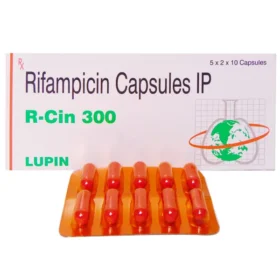 R-Cin
R-Cin
Kérdések és válaszok
R-Cin
Kapcsolódó termékek


Vélemények
Még nincsenek vélemények