







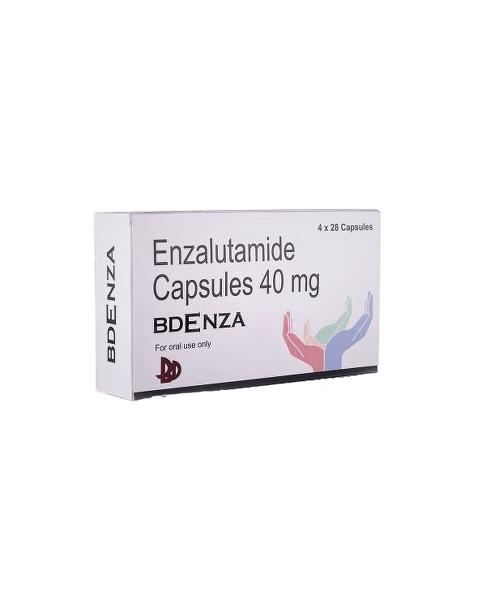
Bdenza
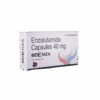
✅ Spowalnia postęp nowotworu
✅ Zmniejsza wzrost guza
✅ Poprawia wyniki przeżycia
✅ Wspomaga leczenie prostaty
✅ Poprawia jakość życia
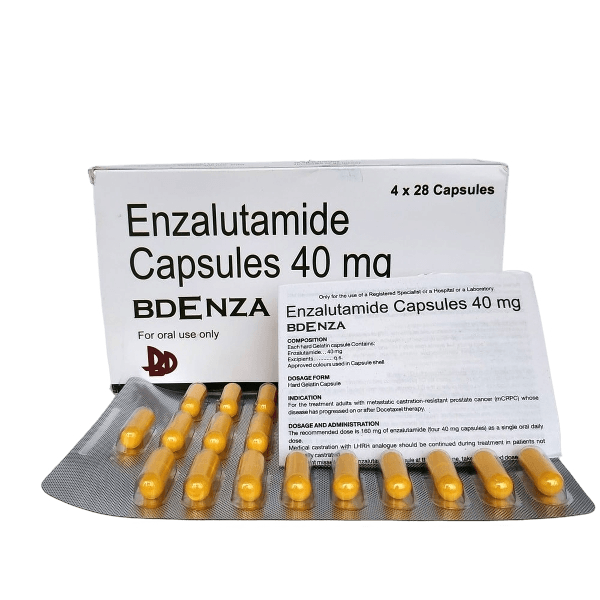
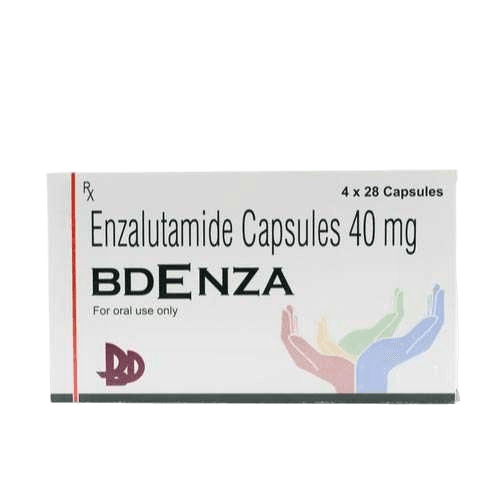
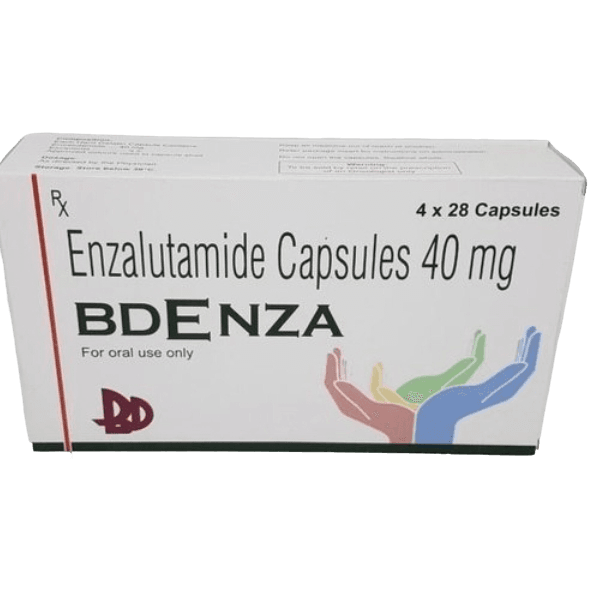
Bdenza zawiera Enzalutamide 40 mg.
✓ Zweryfikowany medycznie przez Morgan Ellis — Badacz farmaceutyczny · 8 lat doświadczenia · Ostatnia weryfikacja: maj 2026
⚡ Szybka odpowiedź — Czym jest Bdenza?
Bdenza to tabletka doustna firmy Beacon Pharmaceuticals zawierająca enzalutamid 40 mg — inhibitor sygnalizacji receptora androgenowego drugiej generacji. Stosowany w celu przerzutowego opornego na kastrację raka prostaty (mCRPC), nieprzerzutowy CRPC i przerzutowy hormonowrażliwy rak prostaty. Dawka standardowa: 160 mg raz dziennie (4 × 40 mg tabletki), z jedzeniem lub bez. Silniejszy niż leki pierwszej generacji blokujące androgeny (bikalutamid, flutamid) i aktywny w chorobie opornej na kastrację, gdzie one zawodzą. Ryzyko napadów — unikać u pacjentów z historią napadów. Inne istotne ryzyka: nadciśnienie, zmęczenie, upadki/ złamania, efekty poznawcze, zespół tylnej odwracalnej encefalopatii (rzadko). Kontynuować równoległą terapię agonistą LHRH przez cały okres leczenia. Wymagane monitorowanie: ciśnienie krwi na początku + przy każdej wizycie, okresowe badania wątroby + morfologia krwi.
📦 Każde zamówienie jest objęte naszą Polityka Gwarancji Ponownej Wysyłki — jeśli Twoja przesyłka nie dotrze w ciągu 20 dni roboczych, wysyłamy ją ponownie.
Co to jest Bdenza?
Bdenza to tabletka doustna od Beacon Pharmaceuticals zawierająca enzalutamid 40 mg. Enzalutamid jest inhibitorem sygnalizacji receptora androgenowego (AR) drugiej generacji — mechanistycznie różny od leków pierwszej generacji blokujących androgeny (bikalutamid, flutamid). Jest zarejestrowany do stosowania w: przerzutowego opornego na kastrację raka prostaty (mCRPC) u pacjentów przed chemioterapią i po docetakselu; nieprzerzutowy CRPC z szybko rosnącym PSA; oraz przerzutowym hormowrażliwym raku prostaty (mHSPC) z równoczesną terapią deprywującą androgeny (ADT).
Jak działa Bdenza?
Enzalutamid jest trójdziałającym inhibitorem sygnalizacji AR:
- Kompetencyjne wiązanie AR z znacznie wyższą powinowactwem niż antyandrogeny pierwszej generacji.
- Hamuje translokację jądrową AR — nawet przy związaniu androgenu, zapobiega przedostawaniu się receptora do jądra komórkowego.
- Hamuje wiązanie AR-DNA — nawet jeśli AR dostanie się do jądra, uniemożliwia wiązanie z elementami odpowiedzi na androgen w genach docelowych.
Ten potrójny mechanizm sprawia, że enzalutamid jest aktywny w opornym na kastrację raku prostaty, gdzie nadmierna ekspresja AR i warianty splicingu AR powodują nieskuteczność antyandrogenów pierwszej generacji.
— wzmacnia normalną odpowiedź fizjologiczną, a nie wywołuje ją sztucznie.
- Przerzutowy oporny na kastrację rak prostaty (mCRPC) — bez wcześniejszej chemioterapii (PREVAIL) i po docetakselu (AFFIRM)
- Nieprzerzutowy CRPC z czasem podwojenia PSA < 10 miesięcy (PROSPER)
- Przerzutowy hormonowrażliwy rak prostaty (mHSPC) z ADT (badania ARCHES, ENZAMET)
Dawkowanie Bdenzy i sposób podawania
Dawka standardowa: 160 mg raz dziennie (4 × 40 mg tabletki) o tej samej porze każdego dnia, z posiłkiem lub bez.
- Połykać tabletki w całości, popijając wodą. NIE żuć, rozgryzać ani dzielić.
- Kontynuować terapię agonistą LHRH podczas leczenia enzalutamidem, chyba że wykonano orchidektomię.
- Obowiązkowe monitorowanie: kontrola ciśnienia krwi przed rozpoczęciem leczenia i podczas każdej wizyty; okresowo LFT i morfologia; PSA co 3 miesiące.
- Zapobieganie upadkom i złamaniom: u pacjentów w podeszłym wieku zwiększone ryzyko upadków i złamań podczas stosowania enzalutamidu. Ocena zdrowia kości, wapń + witamina D, rozważyć bisfosfoniany.
- Modyfikacje dawkowania w przypadku umiarkowanej niewydolności wątroby, ciężkich działań niepożądanych lub toksyczności ≥ stopnia 3: zmniejszyć dawkę do 80 lub 120 mg/dobę pod nadzorem specjalisty.
- Nie przerywać bez konsultacji z onkologiem.
Skutki uboczne Bdenza
Częste: zmęczenie (główny skutek uboczny), uderzenia gorąca, nadciśnienie, ryzyko upadków i złamań (u osób starszych), bóle stawów, ból głowy, zawroty głowy, utrata masy ciała, niepokój, bezsenność.
Ważne:
- Drgawki (<1% w badaniach) — obniżony próg drgawkowy; unikać u pacjentów z historią drgawek lub przyjmujących leki obniżające próg drgawkowy
- Efekty poznawcze: trudności z pamięcią, zaburzenia koncentracji
- Nadciśnienie — nowo powstałe lub nasilone; leczyć agresywnie
- Zespół tylnej odwracalnej encefalopatii (PRES) — rzadki, ale udokumentowany; silny ból głowy, dezorientacja, zaburzenia widzenia, drgawki
- Hepatotoksyczność (łagodne podwyższenie enzymów wątrobowych częste; ciężkie rzadkie)
- Neutropenia, anemia
Ostrzeżenia i środki ostrożności
- Historia drgawek (dowolnego typu): unikać enzalutamidu. Jeśli konieczne, nadzór specjalisty neurologii i onkologii.
- Leki obniżające próg drgawkowy (bupropion, klozapina, tramadol, fluorochinolony, teofilina): ostrożność.
- Ryzyko upadków i złamań: ocena zdrowia kości, opieka wspomagająca.
- Nadciśnienie tętnicze: monitorowanie ciśnienia krwi wyjściowego i ciągłego.
- Ciężka niewydolność wątroby (Child-Pugh C): niezalecane.
- OBJAWY PRES: nowy, silny ból głowy, zmiany widzenia, dezorientacja — przerwać i zgłosić się tego samego dnia do lekarza.
- Ciąża / płodność: wskazanie wyłącznie dla mężczyzn. Stosować prezerwatywę + antykoncepcję u partnerek w wieku rozrodczym podczas leczenia i przez 3 miesiące po jego zakończeniu.
Interakcje lekowe
| Łączyć z | Efekt | Co robić |
|---|---|---|
| Silne inhibitory CYP2C8 (gemfibrozyl) | Podwyższają poziom enzalutamidu — ryzyko toksyczności | Zmniejszyć dawkę enzalutamidu do 80 mg/dobę, jeśli połączenie jest nieuniknione. |
| Silne induktory CYP3A4 (ryfampicyna, karbamazepina, fenytoina, ziele dziurawca) | Obniżają poziom enzalutamidu — ryzyko nieskuteczności leczenia | Unikać. Jeśli nieuniknione, zwiększyć dawkę do 240 mg/dobę pod nadzorem specjalisty. |
| Warfaryna i inne substraty CYP2C9 / CYP3A4 o wąskim indeksie terapeutycznym | Enzalutamid jest silnym induktorem CYP3A4 — obniża poziom wielu leków | Zastąpić warfarynę DOAC (apiksaban, edoksaban) lub monitorować INR co tydzień. |
| Leki obniżające próg drgawkowy (bupropion, tramadol, klozapina, fluorochinolony, teofilina) | Zwiększone ryzyko napadów | Unikać, jeśli to możliwe. |
| Agoniści LHRH (goserelina, leuprorelina) | Standardowa terapia podstawowa | Kontynuować przez cały okres leczenia enzalutamidem. |
Przechowywanie
- Przechowywać w temperaturze pokojowej, 15–30°C.
- Przechowywać poza zasięgiem dzieci, kobiet w wieku rozrodczym i zwierząt domowych.
Powiązane alternatywy w MedsBase
Inne leki onkologiczne dostępne obok tego produktu:
Przeglądaj wszystkie leki przeciwnowotworowe →
Dlaczego warto zamawiać z MedsBase
Każda partia pochodzi z producenta certyfikowanego przez WHO-GMP. Zamówienia są wysyłane w zwykłych, niemarkowanych opakowaniach od naszych partnerów logistycznych i objęte naszą Polityka Gwarancji Ponownej Wysyłki: jeśli przesyłka nie dotrze w ciągu 20 dni roboczych, wysyłamy bezpłatną ponowną przesyłkę, bez zadawania pytań.
Powiązane leki przeciwnowotworowe
Inne leki onkologiczne dostępne obok tego produktu:
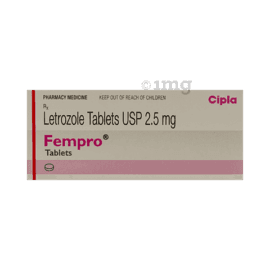
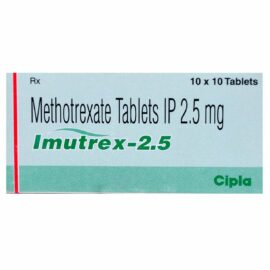
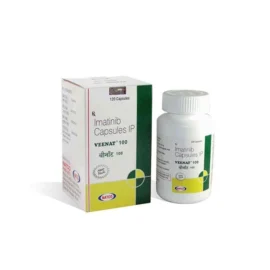
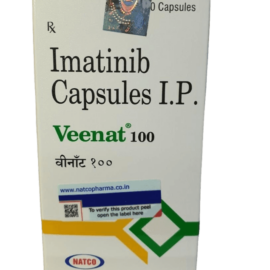
- Bicalumutide (bikalutamid 50 mg)
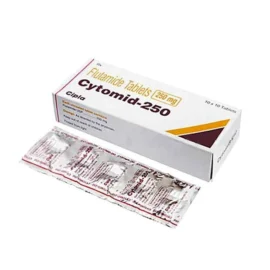
- Cytomid (flutamid 250 mg)
- Endace (megestrol 40/160 mg)
- Tamilong (tamoksyfen 10/20 mg)
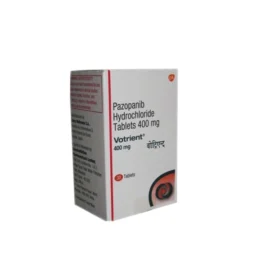
- Votrient (pazopanib 200/400 mg)
Najczęściej zadawane pytania
Czym Bdenza różni się od bikalutamidu lub flutamidu?
Enzalutamid jest drugiej generacji inhibitorem sygnalizacji AR z trzema mechanizmami (wiązanie AR + blokada translokacji jądrowej AR + blokada wiązania AR-DNA) w porównaniu z pojedynczym mechanizmem leków pierwszej generacji. Implikacja kliniczna: enzalutamid działa w chorobie opornej na kastrację gdzie bikalutamid i flutamid zawiodły. Jest również bardziej skuteczny i powoduje głębsze odpowiedzi PSA, ale z większą liczbą skutków ubocznych dotyczących funkcji poznawczych, nadciśnieniem i ryzykiem upadków.
Dlaczego historia napadów jest przeciwwskazaniem?
Enzalutamid przenika przez barierę krew-mózg i obniża próg drgawkowy. W badaniach częstość napadów wynosiła < 1%, ale wzrastała u pacjentów z czynnikami predysponującymi. Unikaj enzalutamidu u pacjentów z wcześniejszymi napadami (dowolnego typu), przerzutami do mózgu lub współistniejącymi lekami obniżającymi próg drgawkowy (bupropion, tramadol, klozapina, fluorochinolony, teofilina). Jeśli enzalutamid jest niezbędny u takiego pacjenta, neurolodzy i onkolodzy muszą uzgodnić bilans korzyści i ryzyka.
Czy będę musiał przerwać terapię ADT (agonistą LHRH), gdy zacznę przyjmować Bdenza?
Nie — kontynuuj przyjmowanie agonisty LHRH (goserelina, leuprorelina itp.) przez cały okres leczenia enzalutamidem. Połączenie kastracji podstawowej z inhibicją sygnalizacji AR jest kluczowe. Przerwanie przyjmowania agonisty LHRH pozwala na odzyskanie testosteronu, co może zniweczyć działanie enzalutamidu.
Dlaczego zmęczenie jest tak częste przy stosowaniu Bdenzy?
Zmęczenie jest najczęstszym i najbardziej istotnym klinicznie działaniem niepożądanym — dotyczy około 35% pacjentów w badaniach. Przyczyny są wieloczynnikowe: głęboka deprywacja androgenów, możliwe bezpośrednie efekty w OUN, anemia. Postępowanie obejmuje: regularne ćwiczenia (paradoksalnie skuteczne), dobrą higienę snu, badania i leczenie anemii oraz rozważenie zmniejszenia dawki (160 → 120 mg/dobę) w przypadku nietolerancji.
Co to jest PRES i jak go rozpoznać?
Zespół tylnej odwracalnej encefalopatii (PRES) to rzadkie, ale udokumentowane powikłanie enzalutamidu charakteryzujące się silnym bólem głowy, dezorientacją, zaburzeniami widzenia (korowa ślepota), napadami i zaburzeniami świadomości. Natychmiast przerwij przyjmowanie enzalutamidu i zgłoś się tego samego dnia do lekarza w przypadku wystąpienia któregokolwiek z tych objawów. W większości przypadków objawy ustępują po odstawieniu leku, ale szybkie rozpoznanie zapobiega trwałym uszkodzeniom neurologicznym.
Czy jest wiele interakcji lekarskich, o które muszę się martwić?
Tak — enzalutamid jest silnym induktorem CYP3A4 i obniża stężenie wielu leków stosowanych równolegle. Najważniejsze klinicznie: warfaryną (przejść na DOAC lub sprawdzać INR co tydzień), bezpośrednie doustne antykoagulanty (konsultacja specjalistyczna), niektóre statyny, niektóre leki przeciwnadciśnieniowe, opioidy, niektóre leki przeciwpadaczkowe. Poinformuj każdego lekarza, że przyjmujesz enzalutamid.
Czy mogę prowadzić samochód przyjmując Bdenzę?
Ostrożność — zmęczenie, zawroty głowy i (rzadko) napady padaczkowe mogą wpływać na zdolność prowadzenia pojazdów. Większość pacjentów adaptuje się i bezpiecznie prowadzi po kilku pierwszych tygodniach. Unikaj prowadzenia pojazdów lub obsługi maszyn, jeśli doświadczasz znaczącego zmęczenia, zawrotów głowy lub jakichkolwiek objawów poznawczych.
Bdenza vs abirateron — który jest lepszy?
Oba są opcjami drugiej linii po niepowodzeniu leczenia lekami antyandrogenowymi pierwszej generacji. Dane porównawcze są ograniczone; wybór zależy od preferencji dotyczących skutków ubocznych i chorób współistniejących. Enzalutamid: więcej zmęczenia, efektów poznawczych, nadciśnienia, ryzyko upadków; nie wymaga współpodawania steroidów. Abirateron: wymaga jednoczesnego podawania prednizonu 5 mg dwa razy dziennie; więcej nadciśnienia i zatrzymania płynów; może pogorszyć kontrolę cukrzycy. Omów to z onkologiem.
Więcej opcji w lekach przeciwnowotworowych
Ranking według liczby ostatnich zamówień MedsBase — co wybierają inni klienci w tej kategorii.

| Moc | 40 mg |
|---|---|
| Ilość | 28 kapsułek, 56 kapsułek, 84 kapsułki, 112 kapsułek |
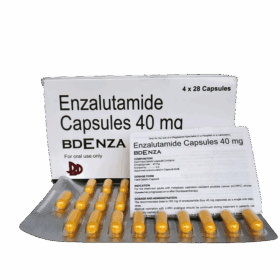 Bdenza
Pytania i odpowiedzi
Bdenza
Produkty powiązane


Opinie
Nie ma jeszcze opinii