








Riscon
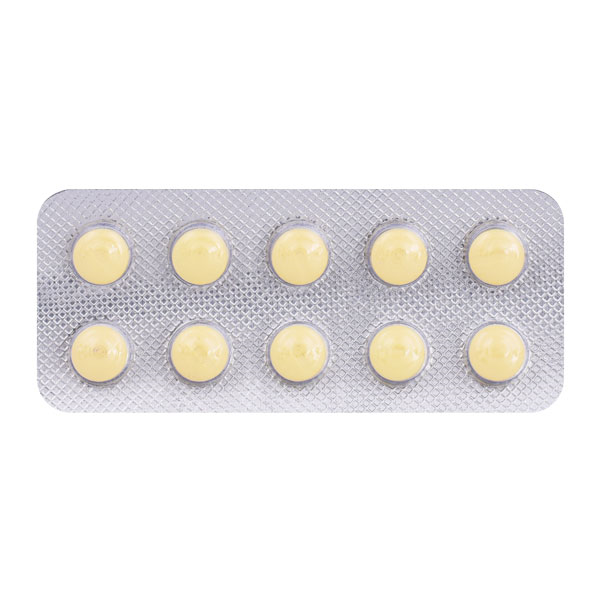
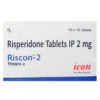
✅ Leczenie psychozy
✅ Stabilizacja nastroju
✅ Redukcja halucynacji
✅ Kontrola urojeń
✅ Poprawa funkcji poznawczych
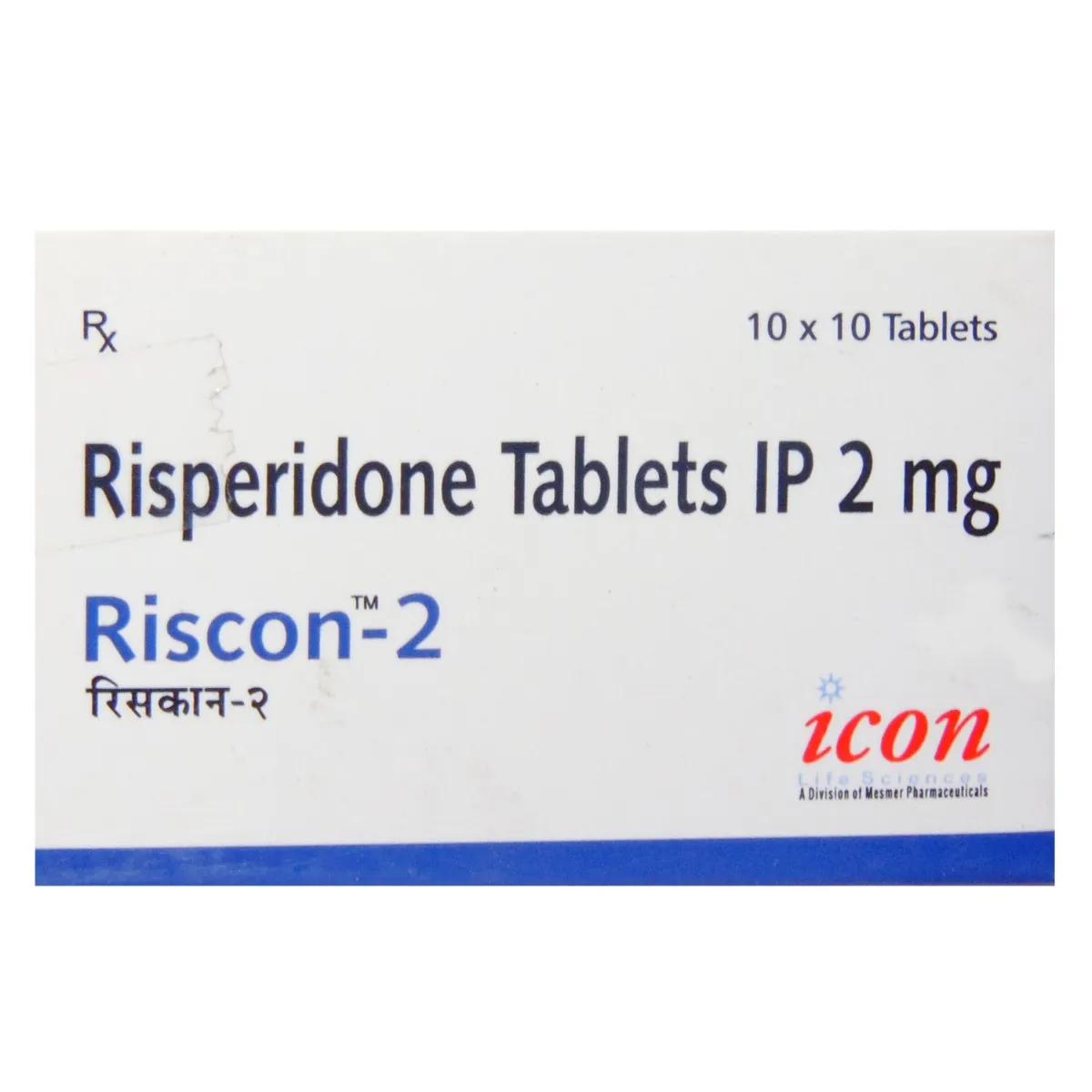
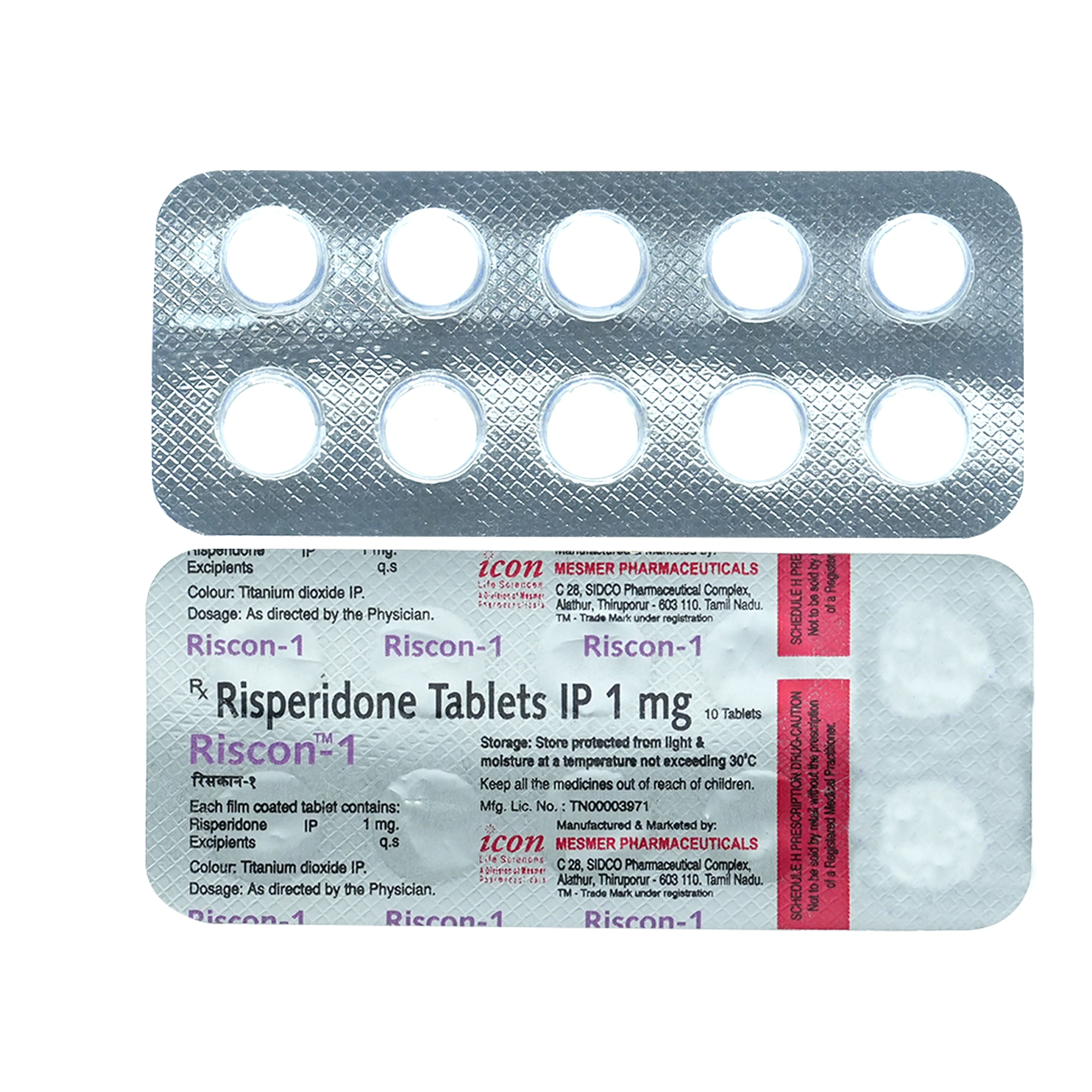
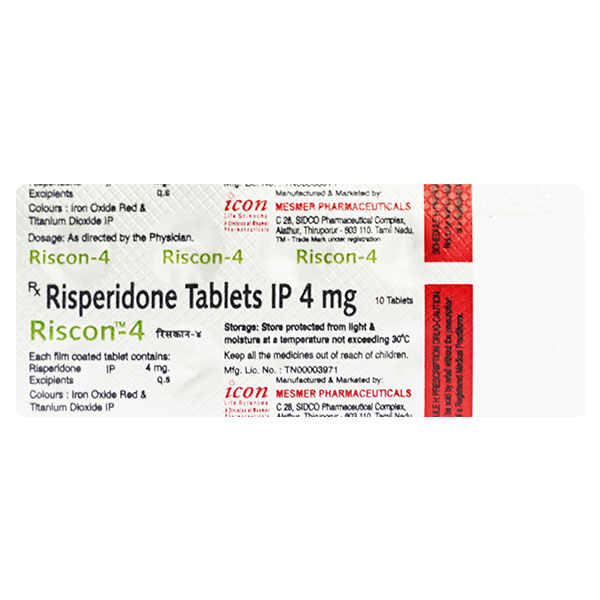
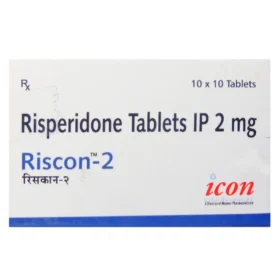
Riscon zawiera risperidon.
✓ Zweryfikowany medycznie przez Morgan Ellis — Badacz farmaceutyczny · 8 lat doświadczenia · Ostatnia weryfikacja: maj 2026
⚡ Krótka odpowiedź — co to jest Riscon?
Riscon zawiera risperidone od producenta z certyfikatem WHO-GMP (Sun Pharma) — jeden z najczęściej przepisywanych atypowych leków przeciwpsychotycznych Na całym świecie. Zatwierdzone przez FDA do leczenia schizofrenii (dorośli i młodzież od 13. roku życia), epizodów maniakalnych w przebiegu choroby afektywnej dwubiegunowej (dorośli i dzieci od 10. roku życia) oraz drażliwości w autyzmie (dzieci od 5. roku życia). Mechanizm działania: silne wiązanie D2 + 5-HT2A antagonizm. Standardowa dawka dla dorosłych: 2–6 mg/dobę (rozpocznij od 0,5–1 mg, stopniowo zwiększaj dawkę). Charakterystyczne działania niepożądane: najwyższe ryzyko hiperprolaktynemii wśród atypowych leków (mlekotok, ginekomastia, brak miesiączki, zaburzenia funkcji seksualnych); objawy pozapiramidowe przy dawkach > 6 mg/dobę (przejście z atypowego na typowy lek); umiarkowane obciążenie metaboliczne. FDA czarna skrzynka dla śmiertelności w demencji u osób starszych.
📦 Każde zamówienie jest objęte naszą Polityka Gwarancji Ponownej Wysyłki — jeśli Twoja przesyłka nie dotrze w ciągu 20 dni roboczych, wysyłamy ją ponownie.
Dlaczego warto zamawiać z MedsBase
Nasze leki generyczne pochodzą od producentów posiadających certyfikat WHO-GMP i są wysyłane na cały świat w dyskretnym, zwykłym opakowaniu — bez nazwy leku na zewnątrz przesyłki. Płatności kartami są kierowane przez regulowanego procesora (opis wyciągu zawiera nazwę regulowanego procesora płatności — nigdy “MedsBase” ani żadnej nazwy leku). Akceptujemy również kryptowaluty i przelewy bankowe SEPA. Każde zamówienie jest objęte naszą Reshipment Assurance Policy.
Co to jest Riscon?
Riscon to tabletka doustna zawierająca risperidone produkowana przez Sun Pharma. Risperidon (marka w USA Risperdal) został wprowadzony przez Janssen w 1993 roku i jest jednym z najczęściej przepisywanych atypowych leków przeciwpsychotycznych na świecie. Jest to silny antagonista D2 i 5-HT2A -antagonistów z dodatkowym działaniem na receptory alfa-1, alfa-2 i H1 . Silniejsze wiązanie z D2 w porównaniu z innymi atypowymi lekami przeciwpsychotycznymi oznacza, że w wyższych dawkach risperidon zachowuje się bardziej jak leki przeciwpsychotyczne pierwszej generacji — z ryzykiem objawów pozapiramidowych powyżej 6 mg/dobę. Aktywny metabolit paliperidon (9-OH-risperidon) odpowiada za znaczną część efektu klinicznego i jest samodzielnie sprzedawany jako Invega.
Approved Indications
- Schizofrenii — dorośli i młodzież (wiek 13+)
- Mania w przebiegu choroby afektywnej dwubiegunowej (ostra) — dorośli i dzieci (wiek 10+); monoterapia lub w skojarzeniu z litem/kwasem walproinowym
- Drażliwość związana z zaburzeniami autystycznymi — dzieci (wiek 5+); agresja, zachowania autoagresywne, ciężkie napady złości
- Stosowanie poza wskazaniami: zaburzenia zachowania w demencji (stosować bardzo ostrożnie — ostrzeżenie w czarnej ramce), zespół Tourette'a, lekooporna depresja, augmentacja w OCD
Dawkowanie
| Wskazanie | Rozpocznij | Docelowa | Maksymalnie | Uwagi |
|---|---|---|---|---|
| Schizofrenia (dorośli) | 1 mg dwa razy na dobę lub 2 mg na noc | 4–8 mg/dobę | 16 mg/dobę | Większość lekarzy przepisuje 2–6 mg/dobę — ryzyko EPS gwałtownie wzrasta powyżej 6 mg/dobę |
| Schizofrenia (nastolatki 13+) | 0,5 mg HS | 3 mg/dobę | 6 mg/dobę | Standardowy cel dla nastolatków |
| Mania w przebiegu choroby afektywnej dwubiegunowej (dorośli) | 2–3 mg HS | 1–6 mg/dobę | 6 mg/dobę | Typowe dawkowanie raz dziennie HS |
| Drażliwość w autyzmie (5–16 lat, < 20 kg) | 0,25 mg/dobę | 0,5–3 mg/dobę w zależności od masy ciała | — | Powolna tytracja; ponowna ocena po 4–6 tygodniach |
| Osoby w podeszłym wieku | 0,25–0,5 mg BID | 1–2 mg/dobę | — | Znaczne ryzyko ortostatycznych spadków ciśnienia i upadków; ostrzeżenie black-box dotyczące demencji |
| Niewydolność wątroby / nerek | 0,5 mg dwa razy na dobę | Wolniejsza tytracja | — | Zmniejszyć zwykłe dawkowanie o połowę |
Działania niepożądane
Profil działań niepożądanych
| Częstotliwość | Efekt | Uwagi |
|---|---|---|
| Częste | Hiperprolaktynemia | Najwyższe wśród atypowych — mlekotok, ginekomastia, brak miesiączki, zaburzenia funkcji seksualnych; sprawdzić poziom prolaktyny w przypadku objawów |
| Częste | Senność, zmęczenie | Umiarkowane; mniejsze niż kwetiapina |
| Częste | Przyrost masy ciała | Umiarkowane (3–5 kg w ciągu 12 miesięcy) |
| Częste | Niedociśnienie ortostatyczne | Blokada alfa-1 |
| Częste (zależne od dawki) | Objawy pozapiramidowe (akatyzja, parkinsonizm, dystonia) | Wyższe niż inne atypowe; znaczące powyżej 6 mg/dobę |
| Częste | Działanie antycholinergiczne (suchość w ustach, zaparcia) | Łagodny |
| Mniej powszechne | Zespół metaboliczny (glukoza, lipidy) | Umiarkowane — mniejsze niż olanzapina/kwetiapina; pomiar wyjściowy + monitorowanie |
| Mniej powszechne | Dyskineza późna | Niższe niż w przypadku leków przeciwpsychotycznych pierwszej generacji; ryzyko wzrasta wraz z czasem stosowania |
| Mniej powszechne | Wydłużenie odstępu QT | Łagodne — mniejsze niż w przypadku ziprasidonu |
| Rzadko | Złośliwy zespół neuroleptyczny | Nagłe przypadki |
| Rzadko | Udar/TIA u osób starszych | Ostrzeżenie w czarnej ramce dotyczące demencji |
Interakcje lekowe
Substrat CYP2D6: stężenie wzrasta przy silnych inhibitorach (paroksetyna, fluoksetyna, bupropion, chinidyna) — zmniejszyć dawkę. Induktory CYP3A4 (karbamazepina, ryfampicyna, fenytoina) obniżają stężenie — konieczna wyższa dawka.
Dodatkowe działanie sedatywne/ortostatyczne: alkohol, benzodiazepiny, opioidy, leki przeciwnadciśnieniowe.
Wydłużenie odstępu QT: ostrożność przy stosowaniu z citalopramem (wysoka dawka), ondansetronem, metadonem.
Leki przeciwparkinsonowskie: antagonizm — blokada D przez rysperydon2 zmniejsza efekt dopaminergiczny lewodopy, ropinirolu, pramipeksolu.
Hiperprolaktynemia — problem związany z rysperydonem
Rysperydon jest nietypowy lek przeciwpsychotyczny o najsilniejszym działaniu prolaktynotwórczym. Mechanizm polega na blokadzie układu tuberoinfundibularnego D2 w przysadce mózgowej, co usuwa normalne hamujące działanie dopaminy na wydzielanie prolaktyny. Konsekwencje kliniczne:
- Kobiety: brak miesiączki lub skąpe miesiączkowanie, mlekotok, zaburzenia funkcji seksualnych, niepłodność
- Mężczyźni: ginekomastia, zaburzenia funkcji seksualnych, zmniejszone libido, niepłodność
- Długoterminowe obawy: utrata gęstości mineralnej kości przy przedłużającej się hipogonadyzmie
Jeśli podwyższony poziom prolaktyny daje objawy, opcje obejmują zmniejszenie dawki, przejście na atypowy lek o niższym wpływie na prolaktynę (arypiprazol, kwetiapina, ziprasidon, olanzapina) lub konsultację z endokrynologiem.
Najczęściej zadawane pytania
Jak długo działa Riscon?
Objawy ostrej psychozy lub manii często ustępują w ciągu kilku dni. Pełna korzyść w schizofrenii widoczna jest po 4–6 tygodniach. W przypadku drażliwości w autyzmie efekt zwykle widoczny jest w ciągu 2–4 tygodni przy skutecznej dawce.
Dlaczego Riscon powoduje skutki uboczne związane z piersiami i funkcjami seksualnymi?
Risperidon silnie blokuje receptory D2 w przysadce mózgowej, usuwając normalne hamujące działanie dopaminy na prolaktynę. Podwyższona prolaktyna powoduje mlekotok, ginekomastię, brak miesiączki i zaburzenia funkcji seksualnych. Jeśli objawy są uciążliwe, zwykle stosuje się zmniejszenie dawki lub zmianę na lek o mniejszym wpływie na prolaktynę.
Czy Riscon powoduje przyrost masy ciała?
Tak — umiarkowany przyrost masy ciała (3–5 kg w ciągu 12 miesięcy) jest typowy. Mniejszy niż w przypadku olanzapiny lub kwetiapiny, ale większy niż w przypadku aripiprazolu lub ziprasidonu.
Czy Riscon jest bezpieczny dla dzieci z autyzmem?
Risperidon jest zatwierdzony przez FDA do leczenia drażliwości związanej z zaburzeniami autystycznymi u dzieci w wieku 5+. Stosowany krótkoterminowo przy ciężkiej agresji, samouszkodzeniach lub napadach złości — nie dla podstawowych cech społecznych lub komunikacyjnych autyzmu. Przyrost masy ciała i podwyższenie poziomu prolaktyny są szczególnymi problemami u dzieci.
Dlaczego EPS występuje częściej przy risperidonie niż przy innych atypowych lekach przeciwpsychotycznych?
Risperidon ma silne powinowactwo do receptorów D2 — przy dawkach powyżej 6 mg/dzień, zajętość receptorów D2 przekracza zakres, w którym pojawiają się pozapiramidowe efekty podobne do tych u leków pierwszej generacji. Większość dorosłych utrzymywana jest na dawce 2–6 mg/dzień z tego powodu.
Czy Riscon można łączyć z lekami przeciwdepresyjnymi?
Tak — risperidon jest czasami dodawany do leków przeciwdepresyjnych w lekoopornej depresji i augmentacji OCD. Wymaga uwagi ze względu na zwiększanie dawki i interakcje z CYP2D6 (szczególnie z paroksetyną i fluoksetyną).
Czy Riscon jest bezpieczny dla osób starszych z demencją?
Ostrzeżenie FDA w czarnej ramce dotyczące zwiększonej śmiertelności u osób starszych z psychozą lub objawami behawioralnymi związanymi z demencją. Stosować tylko przy ciężkich objawach, gdy strategie behawioralne zawiodły, w najniższej skutecznej dawce, przez najkrótszy możliwy czas, za zgodą rodziny.
Czy można pić alkohol przy stosowaniu Riscon?
Unikać — dodatkowa sedacja i ortostaza. Znaczne ryzyko upadków przy stosowaniu w połączeniu.
Czy mogę nagle odstawić Riscon?
Lepiej stopniowo zmniejszać dawkę. Nagłe odstawienie może powodować dyskinezę odstawienną, bezsenność, pocenie się i nawrót psychozy. Zmniejszać dawkę o 0,5–1 mg co 1–2 tygodnie.
Jak przechowywać Riscon?
Przechowywać w temperaturze 15–30 °C w oryginalnym opakowaniu blisterowym, z dala od wilgoci i światła słonecznego. Przechowywać w miejscu niedostępnym dla dzieci.
Powiązane alternatywy
Inne produkty w Choroby przewlekłe które klienci również przeglądają:
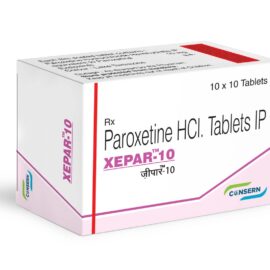
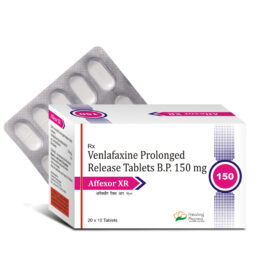
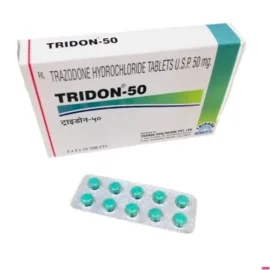
Więcej opcji w leczeniu lęku sytuacyjnego
Ranking według liczby ostatnich zamówień MedsBase — co wybierają inni klienci w tej kategorii.
| Moc | 1 mg, 2 mg, 4 mg |
|---|---|
| Ilość | 30 tabletek, 60 tabletek, 90 tabletek, 180 tabletek |
 Riscon
Pytania i odpowiedzi
Riscon
Produkty powiązane




Opinie
Nie ma jeszcze opinii