







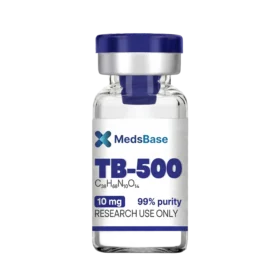
TB-500 (Tymozyna Beta-4)
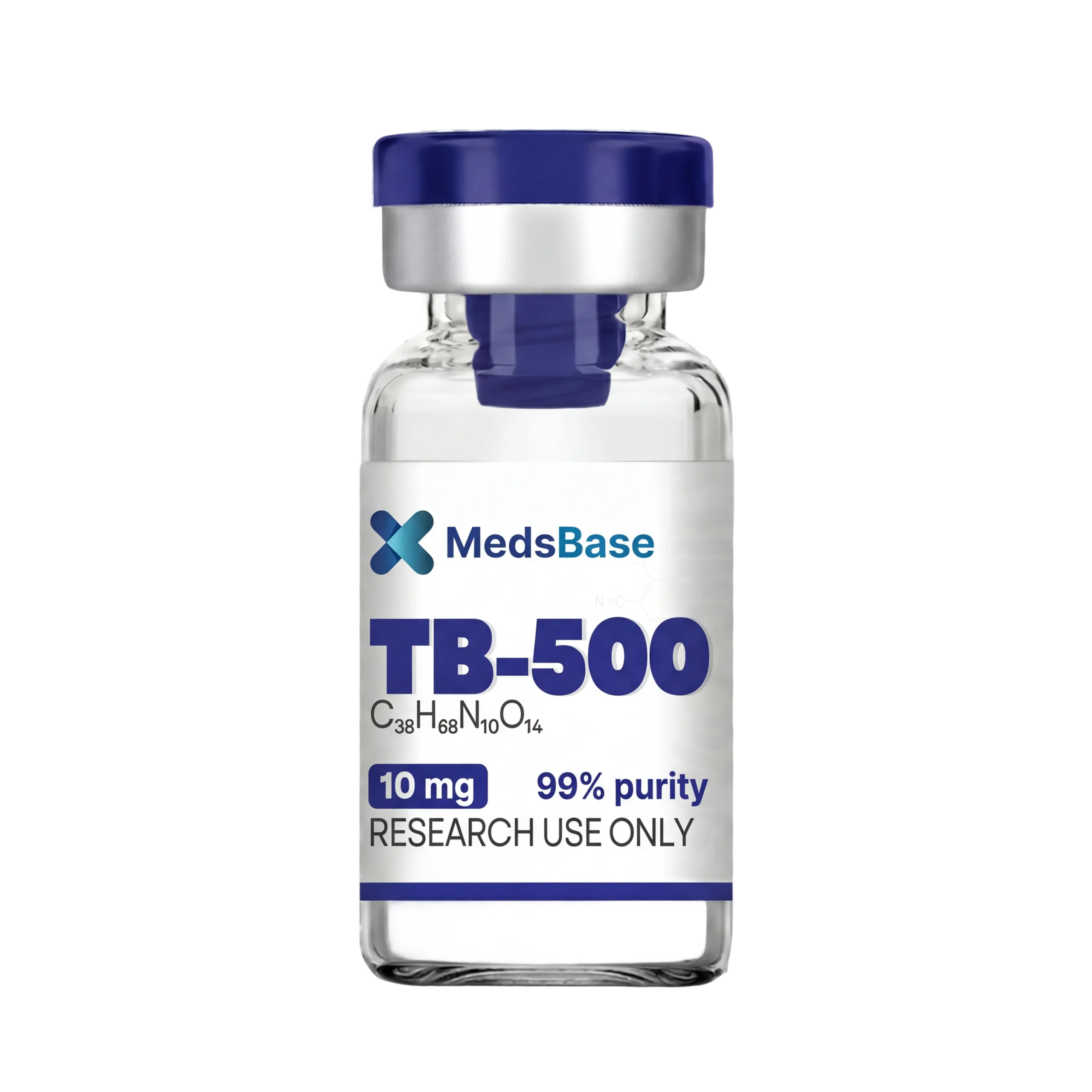
✅ Wspomaga regenerację komórkową
✅ Poprawia modelowanie tkankowe
✅ Wzmacnia aktywność fibroblastów
✅ Stymuluje sygnalizację angiogenną
✅ Zwiększa stabilność macierzy pozakomórkowej
TB-500 zawiera syntetyczny związek peptydowy.
✓ Zweryfikowany medycznie przez Morgan Ellis — Badacz farmaceutyczny · 8 lat doświadczenia · Ostatnia weryfikacja: maj 2026
Krótka odpowiedź — Co to jest TB-500?
TB-500 jest syntetycznym analogiem Tymozyna Beta-4, naturalnie występujący peptyd składający się z 43 aminokwasów, wykazujący ogólnoustrojowe działanie lecznicze. W opublikowanych badaniach przedklinicznych wiąże G-aktynę, stymuluje angiogenezę poprzez szlak VEGF/KDR oraz moduluje sygnalizację zapalną TGF-beta. Dostępny w liofilizowanych fiolkach o zawartości od 2 mg do 10 mg, wyłącznie do użytku laboratoryjnego.
📦 Każde zamówienie jest objęte naszą Polityka Gwarancji Ponownej Wysyłki — jeśli Twoja przesyłka nie dotrze w ciągu 20 dni roboczych, wysyłamy ją ponownie.
| Specyfikacja | Szczegóły |
|---|---|
| Numer CAS | 77591-33-4 |
| Wzór cząsteczkowy | C212H350N56O78S |
| Masa cząsteczkowa | ~4963 Da (N-acetyl Thymosyna β-4 (1–43)) |
| Sekwencja | Ac-SDKPDMAEIEKFDKSKLKKTETQEKNPLPSKETIEQEKQAGES |
| Postać | Liofilizowany proszek (lub w formie dostarczonej) |
| Czystość | ≥99% (zweryfikowane HPLC, COA na życzenie) |
| Przechowywanie | Liofilizowany: 2–8°C (lodówka) dla zapasów roboczych; -20°C do długotrwałego przechowywania nieotwartych fiolek. Po rekonstytucji: 2–8°C, użyj w ciągu ~30 dni. Unikaj energicznego wstrząsania; duże peptydy ulegają denaturacji przy wstrząsaniu. Nie zamrażaj i nie rozmrażaj ponownie roztworu po rekonstytucji. |
| Rozpuszczalność | Woda bakteriostatyczna (zalecana) lub sterylna woda do krótszych okresów użytkowania |
| Do celów badawczych | Wyłącznie do użytku laboratoryjnego. Nie do stosowania w diagnostyce lub terapii u ludzi i zwierząt. |
Co to jest TB-500?
TB-500 to laboratoryjne oznaczenie syntetycznego analogu Thymosin Beta-4 (TB4), naturalnie występującego 43-aminokwasowego peptydu hormonalnego, obecnego w prawie każdej komórce ludzkiego ciała. TB4 występuje najobficiej w płytkach krwi i jest uwalniany w miejscach uszkodzenia tkanek, gdzie koordynuje migrację komórek, angiogenezę i sygnalizację przeciwzapalną. Syntetyczna forma badawcza — TB-500 — odtwarza biologiczną aktywność TB4 i jest najszerzej badanym związkiem w tej klasie.
Sekwencja TB4 to Ac-SDKPDMAEIEKFDKSKLKKTETQEKNPLPSKETIEQEKQAGES, o masie cząsteczkowej około 4963 Da. Dostarczany jest jako wysoko czysty liofilizowany proszek do rekonstytucji z wodą bakteriostatyczną. TB-500 jest tylko do użytku laboratoryjnego i nie jest przeznaczony do diagnostyki lub terapii u ludzi lub zwierząt. Aby poznać mechanizm działania, szczegóły opublikowanych badań oraz zalecenia dotyczące dawkowania w badaniach, zobacz nasz pełny przewodnik badawczy TB-500.
Mechanizm działania — ogólnoustrojowe gojenie poprzez trzy szlaki
TB-500 wyróżnia się spośród większości peptydów swoim ogólnoustrojowym rozprowadzeniem i długim okresem półtrwania w krążeniu, które umożliwiają pojedynczą dawkę wpływać jednocześnie na procesy naprawcze w wielu tkankach. Trzy główne mechanizmy działania potwierdzone w publikacjach naukowych:
- Sekwestracja G-aktyny — TB-500 wiąże monomeryczną aktynę (G-aktynę) poprzez centralny motyw wiążący aktynę (LKKTETQ). Zachowuje to pulę cytoszkieletu niezbędną komórkom do wysuwania pseudopodiów, migracji w kierunku uszkodzeń i przebudowy po urazie. Badania migracji komórek w modelu brzegów rany konsekwentnie wykazują zwiększoną szybkość migracji komórek potraktowanych TB4.
- Angiogeneza poprzez szlak sygnałowy VEGF/KDR — TB-500 stymuluje migrację śródbłonka naczyniowego i tworzenie naczyń włosowatych poprzez szlak receptora VEGF 2 (KDR). W badaniach nad niedokrwieniem-reperfuzją i gojeniem ran przekłada się to na szybsze przywrócenie perfuzji w miejscach uszkodzeń.
- Działanie przeciwzapalne poprzez modulację TGF-beta — TB-500 zmniejsza uwalnianie prozapalnych cytokin i przyspiesza zakończenie fazy zapalnej gojenia. W badaniach nad niedokrwieniem mięśnia sercowego powiązano to z mniejszym obszarem zawału i zachowaniem funkcji kardiomiocytów.
Ponieważ te trzy mechanizmy rozprzestrzeniają się w całym organizmie, TB-500 wywiera efekty w tkankach odległych od miejsca iniekcji — co odróżnia go od bardziej zlokalizowanych peptydów naprawczych, takich jak BPC-157. Praktyczna konsekwencja: protokoły badawcze TB-500 stosują dawkowanie dwa razy w tygodniu, a nie codziennie.
Opublikowane zastosowania badawcze
TB-500 jest stosowany w badaniach laboratoryjnych dotyczących:
- Naprawy mięśni szkieletowych — kinetyki ogólnoustrojowej regeneracji w modelach zwierzęcych z urazami zmiażdżeniowymi, naderwaniami i zanikiem z nieużywania
- Badań nad regeneracją mięśnia sercowego — przeżywalności kardiomiocytów, obszaru zawału i przebudowy naczyń po niedokrwieniu (Smart i in., Nature 2011; Bock-Marquette i in., Nature 2004)
- Gojenia ścięgien i więzadeł — samodzielnie lub w połączeniu z BPC-157 w badaniach nad naprawą tkanki łącznej
- Systemowa naprawa ran — badania nad gojeniem ran skórnych i rogówkowych, szczególnie przy zajęciu wielu tkanek
- Badania cyklu włosowego — badania nad angiogenezą mieszkową i przejściami faz wzrostu włosa w modelach zwierzęcych
- Naprawa naczyń — badania nad migracją komórek śródbłonka, tworzeniem naczyń włosowatych i niedokrwieniem
- Badania porównawcze peptydów — porównanie z BPC-157 jako kanonicznym peptydem naprawczym o działaniu miejscowym lub z IGF-1 LR3 i Ipamorelin/CJC-1295 w badaniach nad czynnikami wzrostu. Zobacz nasz porównanie BPC-157 vs TB-500 dla porównania bezpośredniego.
Aby uzyskać szerszy kontekst dotyczący miejsca TB-500 wśród peptydów leczących, zobacz najlepsze peptydy do regeneracji mięśni artykuł zbiorczy i uzupełniające związki badawcze w katalog peptydów.
Dostępne mocowania i stężenia
MedsBase oferuje TB-500 (syntetyczną Tymozynę Beta-4) w następujących rozmiarach liofilizowanych fiolek. Każda wersja jest dostępna w opakowaniach zawierających 10, 20 lub 30 fiolek z pełną instrukcją rekonstytucji:
| Mocowanie fiolki | Typowe zastosowanie | Rozmiary opakowań |
|---|---|---|
| 2 mg | Badania pilotażowe, titracja lub krótkie protokoły | 10, 20 lub 30 fiolek |
| 5 mg | Standardowa moc badawcza, odpowiadająca typowym protokołom dawkowania 2–2,5 mg na podanie | 10, 20 lub 30 fiolek |
| 10 mg | Rozszerzone badania, przygotowanie hurtowe, najniższy koszt na mg | 10, 20 lub 30 fiolek |
Wszystkie trzy moce mają tę samą postać chemiczną (liofilizowany proszek, czystość HPLC 99%+). Fiolki o wyższej zawartości mg oferują niższy koszt na mg i są generalnie preferowane, gdy badacze modelują dawkę 2–2,5 mg na podanie, stosowaną w większości opublikowanych protokołów TB-500.
Porównanie — TB-500 vs BPC-157
TB-500 i BPC-157 to dwa najczęściej cytowane peptydy badawcze o działaniu leczniczym. Często są badane razem, ponieważ ich mechanizmy działania są komplementarne, a nie nakładające się — BPC-157 działa lokalnie poprzez regulację wzrostu czynników wzrostu, TB-500 działa systemowo poprzez szlaki aktyny i angiogenezy.
| Kryterium | TB-500 (Tymozyna Beta-4) | BPC-157 |
|---|---|---|
| Długość | 43 aminokwasy (~4,963 Da) | 15 aminokwasów (~1,419 Da) |
| Główny mechanizm | Sekwestracja G-aktyny, angiogeneza, TGF-beta | Wzrost VEGF + NO + receptorów GH |
| Dystrybucja | Systemowa, szeroko rozprowadzana | Bardziej zlokalizowana w miejscu wstrzyknięcia |
| Typowa dawka badawcza | 2–2,5 mg dwa razy w tygodniu, faza ładowania 4–6 tygodni | 250–500 mcg, 1–2 razy dziennie |
| Najsilniejszy sygnał badawczy | Serce, mięśnie szkieletowe, naczynia krwionośne, włosy | Ścięgna, więzadła, bariera jelitowa |
| Stosowanie łączne | Często podawany razem z BPC-157 | Często podawany razem z TB-500 |
Aby zapoznać się z pełnym porównaniem metodologicznym i dowiedzieć się, kiedy badacze wybierają jeden z nich, przeczytaj BPC-157 vs TB-500: który peptyd leczniczy wybrać dla swojego celu regeneracyjnego.
Przechowywanie i rekonstytucja
Przed rekonstytucją: przechowuj liofilizowane fiolki w lodówce w temperaturze 2–8°C w oryginalnym opakowaniu. Liofilizowany TB-500 jest stabilny w tych warunkach przez okres do 36 miesięcy. Unikaj cykli zamrażania-rozmrażania proszku.
Procedura rekonstytucji: wstrzyknij wodę bakteriostatyczną wzdłuż ścianki fiolki z peptydem (nie bezpośrednio na liofilizowany proszek) zgodnie z powyższą tabelą rozcieńczeń. Delikatnie wstrząśnij — nie otrzymuje, przechowuje, nie ma dostępu ani wglądu w dane osobowe przekazywane przez Ciebie dostawcy płatności. Proces weryfikacji odbywa się w całości na platformie dostawcy i podlega jego własnej polityce prywatności oraz standardom bezpieczeństwa. wstrząśnij i odczekaj 5–10 minut do całkowitego rozpuszczenia. Prawidłowo zrekonstytuowany roztwór powinien być klarowny i bezbarwny.
Po rekonstytucji: przechowuj w lodówce w temperaturze 2–8°C i zużyj w ciągu 30 dni dla optymalnej stabilności. Nie zamrażaj roztworu po rekonstytucji — cykle zamrażania-odmrażania degradują integralność peptydu. Wyrzuć każdą fiolkę wykazującą zmętnienie, osad lub zmianę koloru.
Najczęściej zadawane pytania
Do czego stosuje się TB-500 w badaniach?
TB-500 jest stosowany w badaniach laboratoryjnych dotyczących naprawy mięśni szkieletowych, regeneracji serca, gojenia ścięgien i więzadeł, naprawy ran, badań cyklu włosowego, naprawy naczyń krwionośnych i regeneracji tkanek ogólnoustrojowych. Jest otrzymuje, przechowuje, nie ma dostępu ani wglądu w dane osobowe przekazywane przez Ciebie dostawcy płatności. Proces weryfikacji odbywa się w całości na platformie dostawcy i podlega jego własnej polityce prywatności oraz standardom bezpieczeństwa. zatwierdzony przez FDA i sprzedawany tutaj wyłącznie do celów badań laboratoryjnych.
Czym różni się TB-500 od BPC-157?
TB-500 to 43-aminokwasowy syntetyczny analog tymozyny beta-4, który działa ogólnoustrojowo poprzez wiązanie G-aktyny, angiogenezę i sygnalizację TGF-beta. BPC-157 to 15-aminokwasowy pentadekapeptyd, który działa głównie miejscowo poprzez szlaki VEGF, tlenku azotu i receptorów hormonu wzrostu. Oba związki są często podawane razem w badaniach, ponieważ ich mechanizmy działania są komplementarne.
Jaka jest typowa dawka TB-500 w badaniach?
Opublikowane protokoły przedkliniczne zazwyczaj stosują 2–2,5 mg na dawkę, podawane dwa razy w tygodniu przez 4–6 tygodni fazy ładowania, a następnie raz w tygodniu w fazie podtrzymującej. Fiolka 5 mg zrekonstytuowana z 2,0 mL wody bakteriostatycznej daje stężenie 2,5 mg/mL — 80 podziałek na strzykawce U-100 dostarcza 2 mg.
Czy TB-500 jest zatwierdzony przez FDA?
Nie. TB-500 (syntetyczna tymozyna beta-4) nie jest zatwierdzona przez FDA, EMA, MHRA ani żaden inny organ regulacyjny do stosowania terapeutycznego u ludzi. Wszystkie preparaty TB-500 sprzedawane przez dostawców wyłącznie do celów badawczych są przeznaczone do badań laboratoryjnych i nie powinny być podawane ludziom.
Jak należy przechowywać TB-500?
Fiolki liofilizowane: przechowywać w lodówce w temperaturze 2–8 °C w oryginalnym opakowaniu, stabilne do 36 miesięcy. Roztwór po rozpuszczeniu: przechowywać w lodówce w temperaturze 2–8 °C, użyć w ciągu 30 dni. Nie zamrażać roztworu po rozpuszczeniu — cykle zamrażania-rozmrażania degradują peptyd.
Jak przygotować roztwór TB-500?
Postępuj zgodnie z powyższą tabelą przygotowania roztworu. Dodaj wodę bakteriostatyczną po ściance fiolki (nie bezpośrednio na liofilizat), delikatnie wymieszaj i odczekaj 5–10 minut do całkowitego rozpuszczenia. Nie otrzymuje, przechowuje, nie ma dostępu ani wglądu w dane osobowe przekazywane przez Ciebie dostawcy płatności. Proces weryfikacji odbywa się w całości na platformie dostawcy i podlega jego własnej polityce prywatności oraz standardom bezpieczeństwa. wstrząsaj fiolką.
Jakie mocowania oferuje MedsBase?
MedsBase oferuje TB-500 w fiolkach liofilizowanych o zawartości 2 mg, 5 mg i 10 mg. Każde stężenie dostępne jest w opakowaniach po 10, 20 lub 30 fiolek. Wszystkie fiolki mają czystość HPLC ≥99% i są dostarczane z certyfikatem analizy dostępnym na życzenie.
Czy TB-500 i BPC-157 można łączyć w badaniach?
Tak. TB-500 i BPC-157 należą do najczęściej stosowanych razem peptydów w badaniach przedklinicznych. Ich mechanizmy działania są komplementarne (systemowe vs lokalne, wiązanie aktyny vs regulacja wzrostu czynników), a połączone protokoły często pojawiają się w badaniach nad tkanką łączną i regeneracją mięśni. Zobacz nasz porównanie.
Dlaczego TB-500 jest podawany rzadziej niż BPC-157?
TB-500 ma dłuższy okres półtrwania i działa systemowo, dlatego opublikowane protokoły badawcze zazwyczaj przewidują podawanie dwa razy w tygodniu. BPC-157 działa bardziej lokalnie i w tych samych rodzajach badań nad modelami urazów jest zwykle podawany raz lub dwa razy dziennie.
Czy TB-500 powoduje efekty uboczne w badaniach?
Opublikowane badania przedkliniczne wskazują na rozsądny profil bezpieczeństwa przy typowych dawkach badawczych. Długoterminowe dane dotyczące bezpieczeństwa u ludzi nie są dostępne, ponieważ TB-500 nie został zatwierdzony do stosowania u ludzi i jest sprzedawany wyłącznie do celów badawczych. Opublikowane badania toksykologiczne nie wykazały sygnałów off-target przy standardowych dawkach badawczych.
Czy TB-500 to to samo co pełna tymozyna beta-4?
TB-500 jest sprzedawany jako syntetyczna forma tymozyny beta-4 (TB4). W komercyjnych dostawach wyłącznie do celów badawczych, produkt sprzedawany jako “TB-500” to zazwyczaj pełna 43-aminokwasowa cząsteczka TB4 syntetyzowana chemicznie. Niektóre publikacje odnoszą się do krótszych fragmentów wiążących aktynę (LKKTETQ) jako funkcjonalnych analogów TB4 w wąskich kontekstach badawczych, ale pełna długość TB4 jest dominującą formą badawczą.
Jaki jest okres półtrwania TB-500?
TB-500 (syntetyczna tymozyna beta-4) ma szacowany okres półtrwania w surowicy wynoszący kilka dni w badaniach przedklinicznych — znacznie dłuższy niż większość GHRP i peptydów leczniczych ukierunkowanych na konkretne miejsca, takich jak BPC-157. Ten wydłużony okres półtrwania wspiera rzadsze schematy dawkowania typowo stosowane w protokołach badawczych Tβ4.
Jak długo trwa, zanim TB-500 wykazuje efekty w badaniach przedklinicznych?
Badania przedkliniczne z wykorzystaniem tymozyny beta-4 w modelach serca, mięśni szkieletowych i tkanki łącznej zazwyczaj obserwują mierzalne efekty w cyklach badawczych trwających 2–4 tygodnie. Systemowa dystrybucja i dłuższy okres półtrwania w porównaniu z peptydami ukierunkowanymi na konkretne miejsca oznaczają, że harmonogramy badań TB-500 są generalnie wydłużone.
Czy mogę zamówić TB-500 z dostawą międzynarodową?
Tak. MedsBase wysyła TB-500 na cały świat z naszej dedykowanej sieci wysyłkowej peptydów. Zamówienia zawierające wyłącznie peptydy kwalifikują się do naszej samodzielnej usługi wysyłkowej peptydów. Wszystkie zamówienia są wysyłane w opakowaniach z kontrolą temperatury z pełnym śledzeniem.
TB-500 jest najczęściej stosowany razem z BPC-157 — angiogeneza (BPC-157) plus naprawa cytoszkieletu (TB-500) zapewnia szybszą i bardziej kompletną regenerację tkanek miękkich niż każdy z peptydów osobno; nasza Peptydowy Zestaw Regeneracyjny (BPC-157 5 mg + TB-500 5 mg + woda bakteriostatyczna) wysyła dopasowany protokół w jednej przesyłce.
Inne Peptydy do Badań nad Regeneracją i Wydolnością
- BPC-157 — Związek Ochronny dla Tkanek — badania nad regeneracją ścięgien, więzadeł i jelit
- Ipamorelina — Selektywny agonista greliny — czysty impuls GH bez kortyzolu/prolaktyny
- CJC-1295 z DAC — Analog GHRH o przedłużonym okresie półtrwania
- GHK-Cu — Peptyd miedziowy — badania nad regeneracją skóry i tkanki łącznej
- IGF-1 LR3 — analog Long-R3 IGF-1 — badania anaboliczne/regeneracyjne
Dalsze Materiały
📖 Poznaj badania stojące za tym peptydem
Przeczytaj nasz kompleksowy, oparty na dowodach przewodnik: TB-500 — mechanizm, dane z badań i perspektywy. Obejmuje mechanizm działania, opublikowane dane z badań, typowe zakresy dawek badawczych, protokoły rekonstytucji, kwestie stosowania w stackach oraz uwagi dotyczące bezpieczeństwa/przeciwwskazań.
Więcej opcji w Peptydach
Ranking według liczby ostatnich zamówień MedsBase — co wybierają inni klienci w tej kategorii.
| Moc | 2 mg, 5 mg, 10 mg |
|---|---|
| Ilość | 10 fiolek, 20 fiolek, 30 fiolek |
 TB-500 (Tymozyna Beta-4)
Pytania i odpowiedzi
TB-500 (Tymozyna Beta-4)
Produkty powiązane
Opinie
Nie ma jeszcze opinii