








Tabletki do żucia z witaminą A
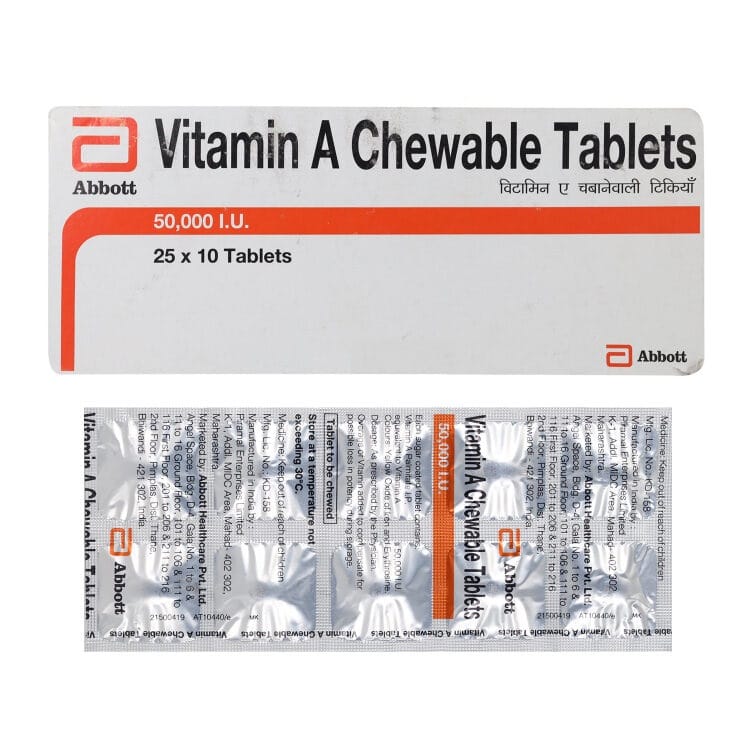
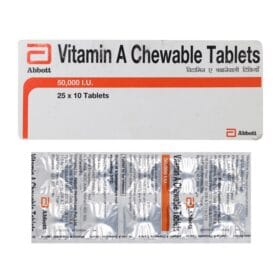
Tabletka do żucia z witaminą A (50 000 IU) — wysokodawkowy suplement z retinylopalmitynianem na niedobór witaminy A, kseroftalmię i kurzą ślepotę. Ciąża: działanie teratogenne — unikać.
✓ Zweryfikowany medycznie przez Morgan Ellis — Badacz farmaceutyczny · 8 lat doświadczenia · Ostatnia weryfikacja: maj 2026
⚡ Krótka odpowiedź — Czym jest tabletka do żucia z witaminą A?
Tabletka do żucia z witaminą A to tabletka zawierająca 50 000 IU witaminy A, stosowana w suchym oku, kurzej ślepoci i suplementacji diety związanej z niedoborem witaminy A. Stosowana raz dziennie przez ograniczony czas. Unikać w ciąży (wysokie dawki witaminy A mają działanie teratogenne).
📦 Każde zamówienie jest objęte naszą Polityka Gwarancji Ponownej Wysyłki — jeśli Twoja przesyłka nie dotrze w ciągu 20 dni roboczych, wysyłamy ją ponownie.
Dlaczego warto zamawiać z MedsBase
Tabletka do żucia z witaminą A pochodzi od producenta certyfikowanego przez WHO-GMP i jest wysyłana na całym świecie w dyskretnym opakowaniu. Każde zamówienie objęte jest naszą Polityka Gwarancji Ponownej Wysyłki — jeśli nie dotrze w ciągu 20 dni roboczych, wysyłamy ponownie bez dodatkowych kosztów. Potwierdzone przez ponad 1400 zweryfikowanych opinii klientów.
Czym jest tabletka do żucia z witaminą A?
Tabletka do żucia z witaminą A jest produkowana przez Generic jako tabletka do żucia zawierająca 50 000 IU witaminy A. Witamina A (retinol) jest niezbędna dla zdrowia powierzchni oka, funkcji fotoreceptorów (synteza rodopsyny) i integralności nabłonka w całym organizmie. Niedobór jest główną przyczyną możliwej do uniknięcia ślepoty u dzieci w krajach rozwijających się oraz czynnikiem przyczyniającym się do przewlekłego suchego oka i kurzej ślepoty.
Jak to działa
Witamina A jest metabolizowana do 11-cis-retinalu, chromoforu w fotoreceptorach siatkówki niezbędnego do przekształcania światła w sygnały nerwowe. Jest również wymagana do różnicowania komórek nabłonkowych, w tym komórek kubkowych spojówki produkujących mucynę filmu łzowego. Niedobór powoduje ślepotę zmierzchową (niewydolność rodopsyny), plamy Bitota, kserozę spojówkową, kserozę rogówki i ostatecznie keratomalację — stanowiącą zagrożenie dla widzenia rozmiękanie rogówki.
Wskazania
- Niedobór witaminy A — potwierdzony poziomem retinolu w surowicy lub cechami klinicznymi (ślepota zmierzchowa, plamy Bitota)
- Kseroftalmia — związane z niedoborem witaminy A suche oko i choroby rogówki
- Ślepota zmierzchowa spowodowana niedoborem (nie retinopatia barwnikowa ani inne zaburzenia dziedziczne)
- Niedobór po operacji bariatrycznej
- Zespoły złego wchłaniania (mukowiscydoza, marskość żółciowa, zespół krótkiego jelita)
- Odra u dzieci w regionach endemicznych (zalecenie WHO)
Dawkowanie
Dorośli: 50 000–200 000 IU raz dziennie w krótkich kursach korygujących niedobór (zwykle 1–2 tygodnie), następnie podtrzymująco 5 000–10 000 IU dziennie. Dzieci: dawkowanie na podstawie masy ciała pod nadzorem pediatrycznym. Zawsze pod kontrolą medyczną — przewlekłe wysokie dawki powodują hiperwitaminozę A.
Działania niepożądane
W dawkach terapeutycznych: ogólnie dobrze tolerowana.
Hiperwitaminoza A (przewlekłe wysokie dawki): ból głowy, nudności, zaburzenia widzenia, suchość skóry, spierzchnięte usta, łysienie, bóle kości, hepatotoksyczność, podwyższone ciśnienie śródczaszkowe (pseudoguz mózgu).
Toksyczność ostra: nudności, wymioty, ból głowy, zawroty głowy, zaburzenia widzenia — objawy zwykle ustępują w ciągu 24–48 godzin po odstawieniu.
Ostrzeżenia i przeciwwskazania
- Ciąża — witamina A w dawkach terapeutycznych jest teratogenna; należy unikać
- Choroby wątroby — witamina A jest magazynowana w wątrobie; toksyczność nasila się przy marskości
- Jednoczesne stosowanie izotretynoiny lub innych retinoidów — toksyczność addytywna
- Hiperwitaminoza A — ryzyko addytywne
- Dzieci — tylko dawkowanie pediatryczne oparte na masie ciała
Przechowywanie
Przechowywać w temperaturze pokojowej 15–25°C, chronić przed wilgocią i światłem. Przechowywać w miejscu niedostępnym dla dzieci — wysoka dawka witaminy A może powodować ostrą toksyczność u małych dzieci.
Najczęściej zadawane pytania
Kto potrzebuje suplementacji witaminą A?
Osoby z potwierdzonym niedoborem (retinol w surowicy lub cechy kliniczne), kseroftalmią, pacjenci po operacjach bariatrycznych lub z zaburzeniami wchłaniania oraz dzieci w regionach endemicznego niedoboru. Większość zdrowych dorosłych na zbilansowanej diecie nie potrzebuje suplementów w wysokich dawkach.
Czy więcej witaminy A poprawia widzenie w nocy?
Tylko w przypadku niedoboru. Dodanie witaminy A do normalnego poziomu nie poprawia widzenia w nocy, a chroniczny nadmiar powoduje toksyczność (bóle głowy, wypadanie włosów, bóle kości, hepatotoksyczność).
Czy Tabletki do żucia z witaminą A można przyjmować w ciąży?
Nie — witamina A w dawkach terapeutycznych jest teratogenna. Rutynowe witaminy prenatalne zawierają niską dawkę witaminy A lub beta-karoten (bezpieczniejszy prekursor). Sprawdź etykietę i omów wszelkie suplementy z lekarzem prowadzącym ciążę.
Co to jest kseroftalmia?
Zespół kliniczny suchego oka spowodowany niedoborem witaminy A — kseroza spojówkowa, plamy Bitota (pieniste plamy na spojówce), kseroza rogówki, a w ciężkim niedoborze keratomalacja (rozpad rogówki). Odwracalne, jeśli leczone wcześnie.
Jaka jest różnica między witaminą A a beta-karotenem?
Witamina A (retinol) to forma aktywna; beta-karoten to pochodzący z roślin prekursor, który organizm przekształca w witaminę A w miarę potrzeb. Beta-karoten nie może powodować hiperwitaminozy A — organizm reguluje konwersję. Suplementy beta-karotenu są bezpieczniejsze w ciąży i przy długotrwałym stosowaniu.
Co jeśli mam chorobę wątroby?
Witamina A jest magazynowana w wątrobie. Marskość lub jakakolwiek przewlekła choroba wątroby zwiększa ryzyko toksyczności. Rutynowa suplementacja wysokimi dawkami jest przeciwwskazana. Łagodny niedobór można skorygować środkami dietetycznymi (warzywa pomarańczowe i ciemnozielone, nabiał, jaja) plus niskodawkowe multiwitaminy.
Czy Tabletki do żucia z witaminą A są leczeniem retinopatii barwnikowej?
Niektóre badania sugerują, że wysoka dawka palmitynianu witaminy A (15 000 IU/dzień) może spowolnić postęp retinopatii barwnikowej o początku w wieku dorosłym, ale dowody są niejednoznaczne. Nie jest to to samo co leczenie rutynowej ślepoty zmierzchowej. Omów to ze specjalistą od siatkówki.
A co z palaczami?
Suplementy beta-karotenu (i prawdopodobnie wysokie dawki witaminy A) zostały powiązane ze zwiększonym ryzykiem raka płuc u palaczy (badania CARET, ATBC). Palacze powinni unikać wysokich dawek witaminy A i beta-karotenu.
Czy dzieci mogą przyjmować tabletki do żucia z witaminą A?
Tylko pod kontrolą pediatry. Dzieci są szczególnie podatne na ostre i przewlekłe zatrucie. WHO zaleca określone dawki w przypadku odry u dzieci w regionach endemicznych.
Co jeśli przyjmuję inne multiwitaminy?
Sprawdź całkowitą zawartość witaminy A we wszystkich suplementach. Większość multiwitamin zawiera 2 500–5 000 IU. Dodanie tabletek do żucia z witaminą A może szybko przekroczyć bezpieczne górne limity przy przewlekłym stosowaniu.
Inne leki do pielęgnacji oczu
Klienci oglądający ten produkt rozważają również te alternatywy w naszej Pielęgnacja oczu ofercie:
- Krople do oczu Restasis (cyklosporyna)
- Krople do oczu Cyclomune (cyklosporyna)
- Krople do oczu Just Tears
- Krople do oczu Moisol
- Krople do oczu Nano Tears
Medical Disclaimer
Informacje na tej stronie służą wyłącznie celom edukacyjnym i nie zastępują porady medycznej wykwalifikowanego okulisty lub optometrysty. Schorzenia oczu mogą szybko zagrażać wzrokowi — nagła utrata wzroku, silny ból lub uraz to nagły przypadek okulistyczny. Zawsze konsultuj się ze specjalistą przed rozpoczęciem, przerwaniem lub zmianą leczenia.
Więcej opcji w kategorii Witaminy i Minerały
Ranking według liczby ostatnich zamówień MedsBase — co wybierają inni klienci w tej kategorii.
| Moc | 50.000iu |
|---|---|
| Ilość | 30 tabletek, 60 tabletek, 90 tabletek, 180 tabletek |
 Tabletki do żucia z witaminą A
Pytania i odpowiedzi
Tabletki do żucia z witaminą A
Produkty powiązane








Opinie
Nie ma jeszcze opinii