







Injectabil Mikacin
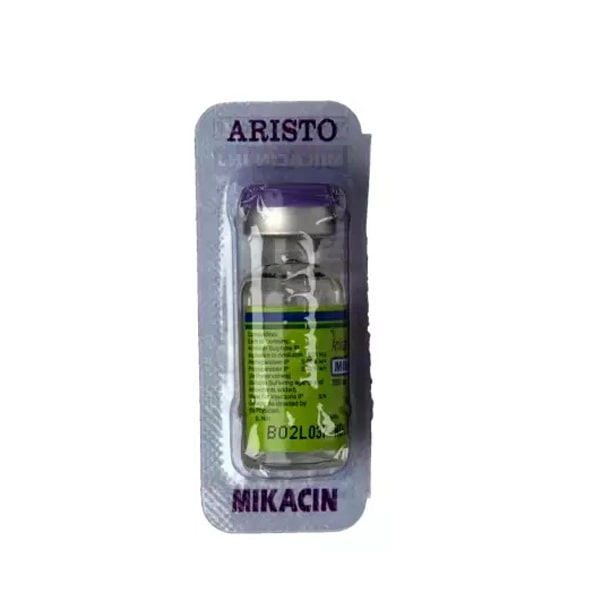
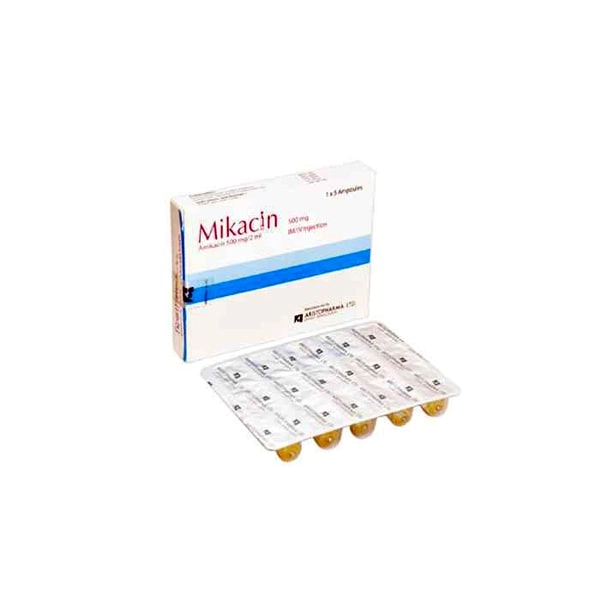

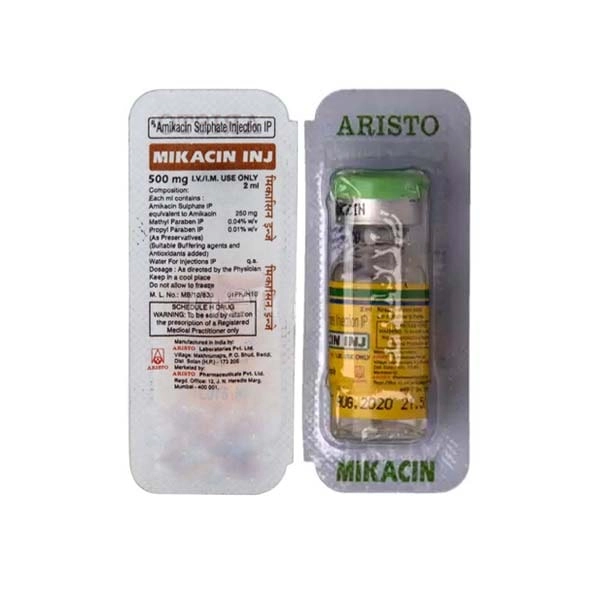



✅ Tratează infecțiile bacteriene
✅ Utilizare intramusculară sau intravenoasă
✅ Eficace împotriva bacteriilor rezistente
✅ Reduce simptomele infecției
✅ Promovează recuperarea mai rapidă
✓ Verificat medical de Morgan Ellis — Cercetător farmaceutic · 8 ani de experiență · Ultima recenzie: mai 2026
⚡ Răspuns rapid — Ce este Injectabilul Mikacin?
Injectabilul Mikacin este o injecție IV/IM de amikacină (Aristo) — un antibiotic aminoglicozidic pentru sepsis sever cu Gram-negativ, pneumonie cu Pseudomonas și infecții urinare complicate. Utilizare exclusivă în spital cu monitorizare terapeutică obligatorie. Avertisment: nefrotoxicitate, ototoxicitate, blocaj neuromuscular.
📦 Fiecare comandă este acoperită de politica noastră de Politica noastră de Reexpediere Garantată — dacă coletul dumneavoastră nu sosește în 20 de zile lucrătoare, îl relivrăm.
De ce să comanzi de la MedsBase
Medicamentele noastre generice sunt procurate de la producători certificați WHO-GMP și expediate la nivel mondial în ambalaje discrete și simple — fără denumirea medicamentului pe exteriorul coletului. Plățile cu cardul sunt procesate printr-un procesor reglementat (descrierile de pe extrasul de cont includ un procesor de plăți cu card reglementat — niciodată “MedsBase” sau numele vreunui medicament). Acceptăm și criptomonede și transferuri bancare SEPA. Fiecare comandă este susținută de Politica noastră de Asigurare pentru Relivrare.
Cum funcționează Injecția de Mikacin
Injecția de Mikacin conține amikacin, un antibiotic aminoglicozidic care se leagă de subunitatea ribosomală 30S, induce citirea eronată a codonilor ARNm și inhibă sinteza proteinelor bacteriene. Are acțiune bactericidă cu efect dependent de concentrație și un efect post-antibiotic îndelungat — susținând dozarea unică zilnică cu intervale extinse pentru majoritatea indicațiilor. Spectru: bacili Gram-negativi aerobi (Pseudomonas aeruginosa, Klebsiella, Enterobacter, Serratia, Acinetobacter, Proteus, Citrobacter) și sinergie cu agenții care acționează pe peretele celular împotriva Enterococcus și streptococilor viridans. Activitate împotriva micobacteriilor atipice (tulpinile MDR de M. tuberculosis, M. abscessus). Fără activitate împotriva anaerobilor sau a majorității Gram-pozitivelor ca monoterapie.
Indicații și dozare
| Indicație | Doza | Durată |
|---|---|---|
| Sepsis sever cu Gram-negativ (pielonefrită, intra-abdominal — combinație) | 15 mg/kg o dată pe zi (interval extins) SAU 7,5 mg/kg la fiecare 12 ore | 5–7 zile apoi reducere treptată |
| Pneumonie cu Pseudomonas (combinație cu cefepim / piperacilină-tazobactam / meropenem) | 15 mg/kg o dată pe zi | 5–14 zile |
| Infecție urinară complicată / asociată cateterului | 15 mg/kg o dată pe zi | 5–7 zile |
| Endocardită (combinație, alternativă la gentamicină) | 7,5 mg/kg la fiecare 12 ore | 4–6 săptămâni |
| Regim MDR-TB (utilizare specializată) | 15 mg/kg o dată pe zi | Pe regim |
| MAC / M. abscessus (combinație) | 15 mg/kg de trei ori pe săptămână | Consultați specialistul |
Ajustare doză: utilizați greutatea corporală ideală (sau greutatea ajustată în cazul obezității). Reduceți doza/extindeți intervalul în insuficiență renală pe baza clearance-ului de creatinină. Monitorizarea terapeutică a medicamentului este obligatorie — țintă vârf 50–60 mg/L (interval extins) și valoare minimă < 1 mg/L pentru majoritatea indicațiilor.
Aminoglicozidele provoacă efecte dependente de doză și durată nefrotoxicitate (15–25% din pacienții tratați) și ototoxicitate — atât vestibulară (echilibru/vertij) cât și cochleară (pierdere auditivă la frecvențe înalte). Pierderea auzului poate fi permanentă; leziunile vestibulare sunt deseori și ele ireversibile. Factori de risc: vârstă înaintată, insuficiență renală preexistentă, deshidratare, administrare concomitentă cu diuretice de ansă/vancomicină/cisplatină/amfotericină/AINS/medii de contrast, tratamente prelungite (>7 zile). Aminoglicozidele pot de asemenea potența blocajul neuromuscular — precauție în miastenia gravis și în timpul anesteziei. Mutarea ADN-ului mitocondrial m.1555A>G prezice pierdere auditivă severă cu debut rapid chiar și după o singură doză; testarea genetică este din ce în ce mai recomandată acolo unde există teste rapide.
Efecte secundare
- Nefrotoxicitate: necroză tubulară acută neoligurică, de obicei reversibilă dacă este depistată timpuriu și medicamentul este întrerupt.
- Ototoxicitate: pierdere auditivă la frecvențe înalte (cochleară) și/sau tulburări de echilibru (vestibulară). Adesea ireversibilă. Efectuați teste înainte și în timpul tratamentelor prelungite.
- Blocaj neuromuscular: slăbiciune, depresie respiratorie — în special în miastenia gravis și în timpul anesteziei.
- Reacții locale la locul injectării; flebită la punctele de administrare IV.
- Reacții alergice cutanate.
Contraindicații
- Hipersensibilitate cunoscută la aminoglicozide.
- Insuficiență renală sau auditivă severă preexistentă.
- Miastenia gravis (relativă — blocaj neuromuscular).
- Sarcina (în special primul și al doilea trimestru) — relativ; risc de ototoxicitate fetală.
- Diureticele de ansă la vârstnici cu insuficiență renală (nefro/ototoxicitate aditivă).
Interacțiuni medicamentoase
| Medicament | Efect | Acțiune |
|---|---|---|
| Diuretice de ansă (furosemidă / bumetanidă) | Ototoxicitate aditivă | Evitați combinația dacă este posibil |
| Vancomicină / cisplatină / amfotericina B / contrast IV / AINS | Nefrotoxicitate aditivă | Monitorizați funcția renală zilnic |
| Blocante neuromusculare (vecuroniu, rocuroniu) | Paralizie prelungită | Comunicați cu echipa de anestezie |
| Cefalosporine (doze mari) | Posibilă nefrotoxicitate aditivă | Monitorizați îndeaproape |
| Bifosfonați / peniciline / alte beta-lactamice (în aceeași seringă) | Aminoglicozidele sunt inactivate de beta-lactamice in vitro | Administrați în linii separate / la intervale |
Sarcină & Alăptare
Aminoglicozidele sunt categoria D — s-a raportat ototoxicitate fetală. Evitați în timpul sarcinii, cu excepția cazurilor în care tratați o infecție care pune viața în pericol și nu există alternative.
Depozitare
Păstrați la temperatura sub 25 °C, departe de lumina directă a soarelui și de umiditate. Păstrați în ambalajul original. Păstrați departe de copii. Eliminați orice comprimate nefolosite după data de expirare tipărită — antibioticele degradate pot pierde potența sau pot elibera produse de descompunere.
Acest medicament este eficient doar împotriva infecțiilor bacteriene. Nu-l utilizați pentru afecțiuni virale (răceală comună, majoritatea durerilor de gât, gripă, COVID-19), nu întrerupeți tratamentul precoce când vă simțiți mai bine și nu păstrați resturi pentru viitoare infecții. Utilizarea greșită favorizează bacteriile rezistente la medicamente, cum ar fi MRSA, ESBL și CRE — OMS clasifică rezistența antimicrobiană printre primele 10 amenințări globale la adresa sănătății publice.
Întrebări frecvente
Cum se administrează injecția Mikacin?
Injectia Mikacin se administrează în spital prin injecție intramusculară sau perfuzie intravenoasă. Dozarea se bazează pe greutate și funcția renală, cu monitorizarea concentrației maxime/minime a medicamentului pentru a echilibra eficacitatea și toxicitatea.
Cât durează de obicei tratamentul?
Majoritatea tratamentelor empirice cu aminoglicozide durează 3–7 zile ca parte a unui tratament combinat, apoi se reduc în funcție de cultura și răspunsul clinic. Endocardita și TB-MDR necesită regimuri mult mai lungi, sub îndrumare specializată.
De ce este pierderea auzului o preocupare?
Aminoglicozidele se acumulează în celulele piloase ale urechii interne. Leziunile cochleare permanente la frecvențe înalte și disfuncția vestibulară sunt dependente de doză și durată. Se recomandă audiometrie înainte și în timpul tratamentelor prelungite.
Ce se întâmplă cu rinichii mei?
Necroza tubulară acută este cea mai frecventă toxicitate (15–25% din tratamente). Este de obicei reversibilă dacă medicamentul este oprit prompt — monitorizarea zilnică a creatinei, a diurezei și a nivelurilor minime o detectează devreme.
Poate interacționa cu slăbiciunea mea preexistentă?
Da — aminoglicozidele potențează blocajul neuromuscular. În miastenia gravis, slăbiciunea musculară se poate agrava brusc. Informați fiecare clinician despre diagnosticul de miastenie înaintea oricărui procedeu.
Ce înseamnă dozarea o dată pe zi?
Regimurile moderne administrează întreaga doză zilnică ca o singură perfuzie (dozare cu intervale extinse). Aceasta exploatează efectul post-antibiotic îndelungat și reduce nefrotoxicitatea permițând eliminarea medicamentului între doze. Nivelurile minime ghidează momentul dozelor ulterioare.
Pot să-l iau în timpul sarcinii?
Aminoglicozidele sunt de obicei evitate în sarcină din cauza ototoxicității fetale. Utilizați-le doar pentru tratarea infecțiilor amenințătoare de viață fără alternative.
Ce înseamnă “sinergie cu penicilina”?
Pentru unele infecții grave (endocardită enterococică, meningită listeriană), asocierea unui aminoglicozid cu un agent care acționează pe peretele celular oferă o activitate bactericidă mai rapidă decât fiecare medicament separat. Doza de aminoglicozid este mai mică decât în sepsisul Gram-negativ.
Există o alternativă mai sigură pentru infecția mea cu Pseudomonas?
Cefepimul, piperacilina-tazobactamul, meropenemul, ceftolozanul-tazobactamul și ceftazidima-avibactamul sunt alternative. Aminoglicozidele sunt de obicei utilizate în combinație, nu ca monoterapie, din cauza rezistenței și toxicității.
Ce ar trebui să spun medicilor viitori despre acest medicament?
Notați orice rezultate de audiometrie de bază/post-tratament, creatinina maximă și doza cumulativă. Dacă aveți mutația mitochondrială m.1555A>G, documentați-o — expunerea viitoare la aminoglicozide ar trebui evitată.
Aminoglicozide precum Mikacin Injectabil (amikacin) acționează asupra bacteriemiei Gram-negative, dar prezintă risc renal și ototoxic la utilizarea prelungită, astfel încât, odată ce culturile se stabilizează, medicii trec frecvent la un fluorochinolon mai puțin nefrotoxic, cum ar fi Lynx Injectabil (levofloxacin 2 ml IV) pentru restul tratamentului.
Alte antibiotice și medicamente antiinfecțioase
- Levomac (Levofloxacină) — fluorochinolon respirator
- Cifran (Ciprofloxacină) — acoperire UTI / GI / Pseudomonas
- Moxif (Moxifloxacină) — acoperire respiratorie largă cu activitate anaerobă
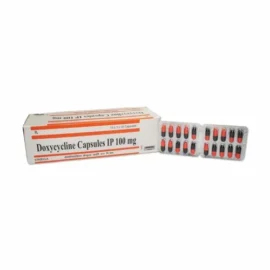
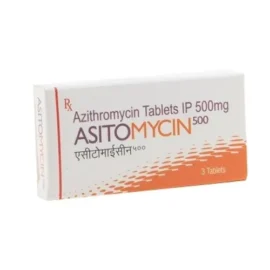
- Azee (Azitromicină) — alternativă pentru patogeni atipici
- Augmentin (Amoxicilină + Acid clavulanic) — alternativă beta-lactamică
Mai multe opțiuni în Antibiotice
Clasificate în funcție de volumul recent de comenzi MedsBase — ce aleg alți clienți în această categorie.

| Concentrație | 100 mg, 250 mg, 500 mg |
|---|---|
| Cantitate | 1 Injectabil, 3 Injectabil, 6 Injectabil |
| Formă farmaceutică | Injectabil |
| Producător | Aristo Pharma |
| Indicație | Infecții bacteriene |
| Brand generic | Amikacin |
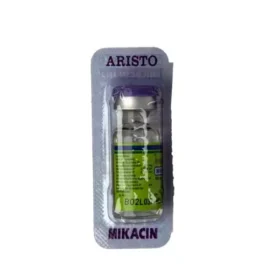 Injectabil Mikacin
Întrebări și răspunsuri
Injectabil Mikacin
Produse similare



Recenzii
Nu există recenzii încă