







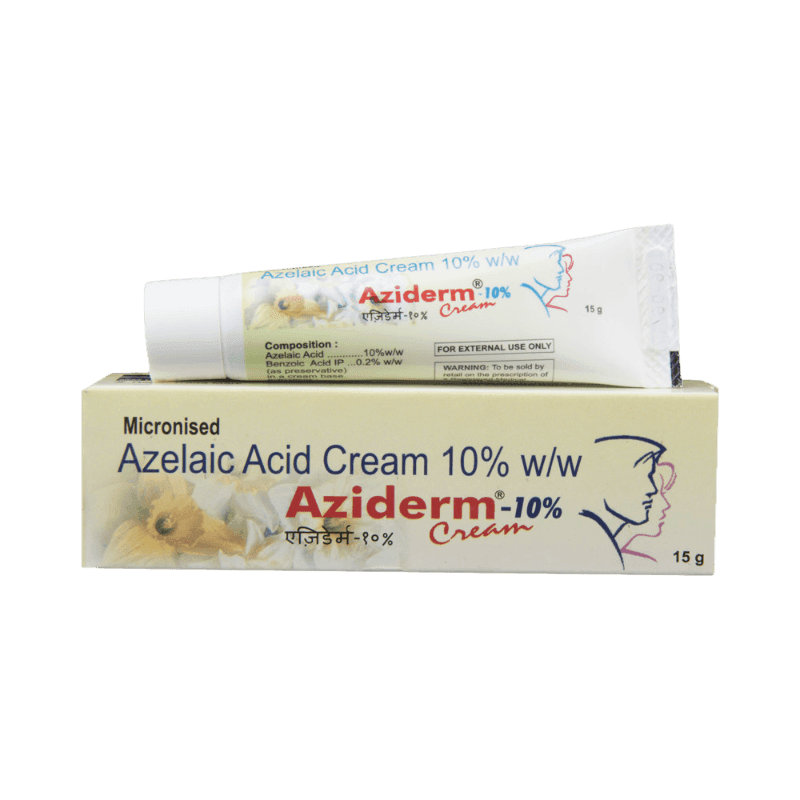
Aziderm Cream
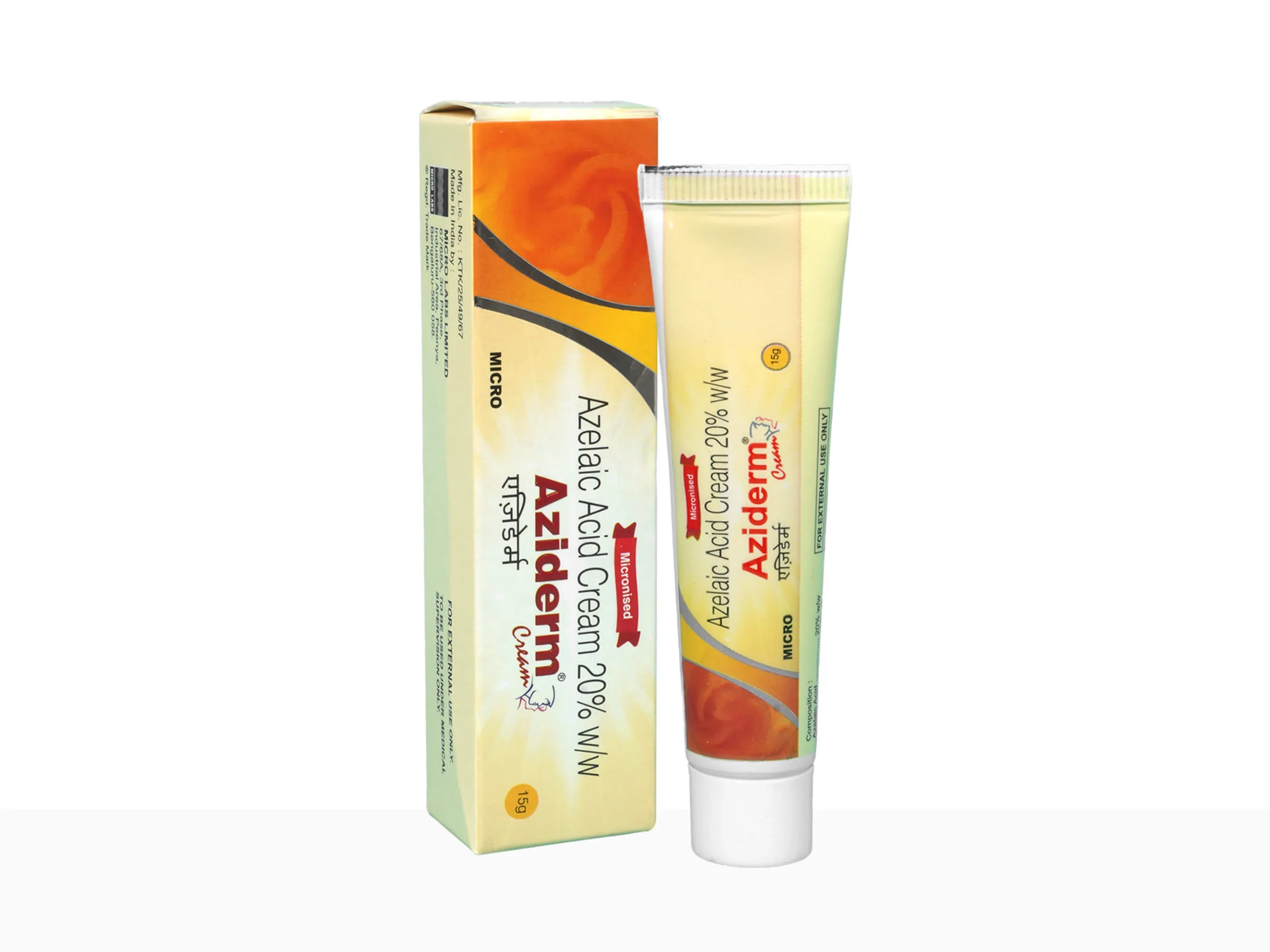
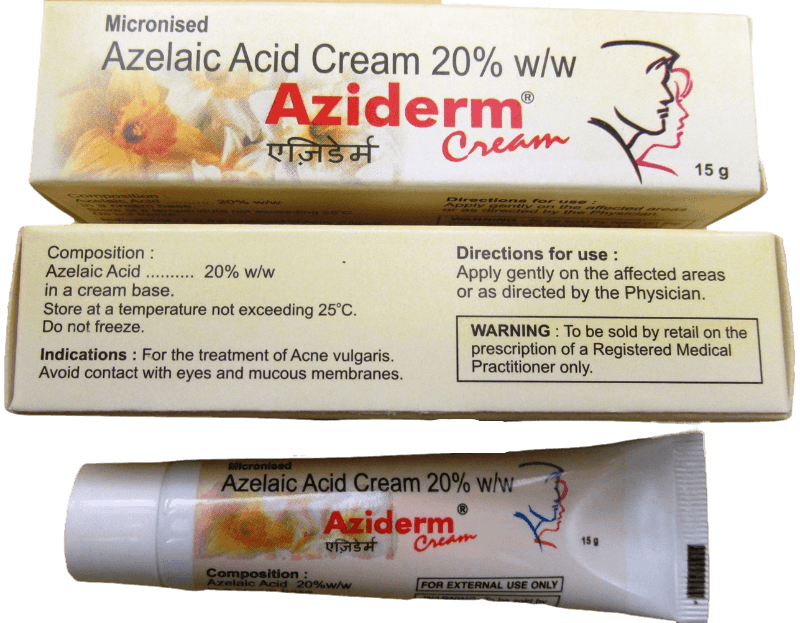
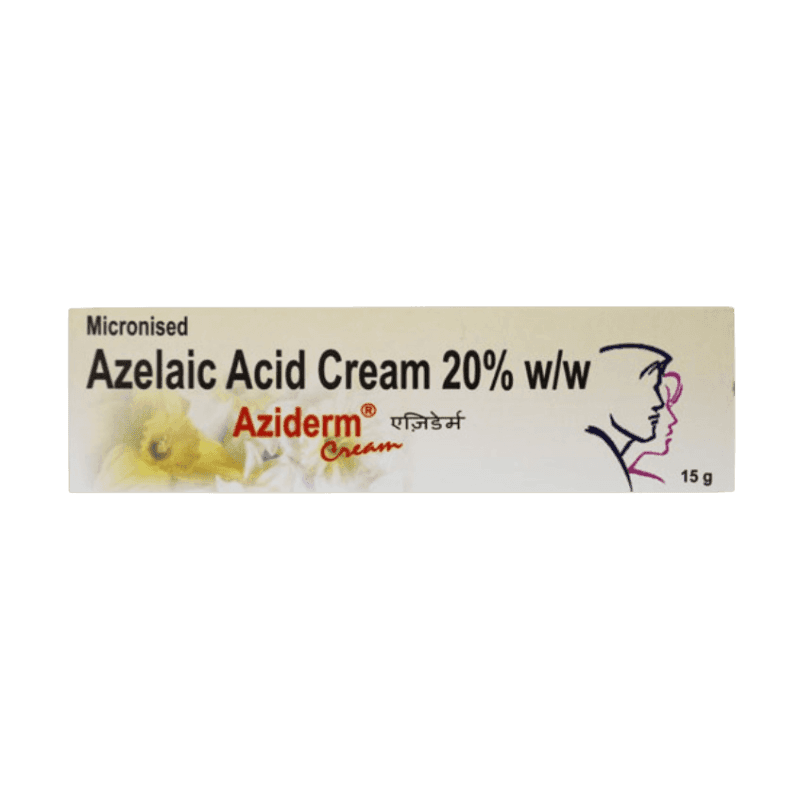
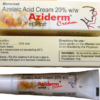
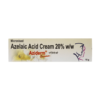
Aziderm Cream este o cremă topica cu acid azelaic 20% de la Micro Labs. De primă intenție pentru rozaceea papulopustulară, acnee ușoară până la moderată și melasmă. Categoria B de sarcină (sigur în sarcină). Aplicați de două ori pe zi; răspuns vizibil la 4–12 săptămâni. Se potrivește bine cu ivermectina 1% și brimonidina pentru rozaceea de tip mixt.
✓ Verificat medical de Morgan Ellis — Cercetător farmaceutic · 8 ani de experiență · Ultima recenzie: mai 2026
⚡ Răspuns rapid — Ce este Aziderm Cream?
Aziderm Cream este o cremă topică care conține acid azelaic 20% de la Micro Labs — unul dintre cele mai versatile active dermatologice utilizate astăzi. Este tratament de primă intenție pentru rozaceea papulopustulară, terapie bazată pe dovezi pentru acneei vulgare ușoare până la moderate, și o opțiune sigură în timpul sarcinii pentru melasmă și hiperpigmentare post-inflamatorie. Aplicați un strat subțire pe pielea curată și uscată de două ori pe zi (dimineața și seara). Începutul acțiunii: reducerea vizibilă a roșeții în rozacee la 4–6 săptămâni; eliminarea leziunilor de acnee la 8–12 săptămâni; estomparea pigmentării la 12–16 săptămâni. Cele trei principale efecte secundare sunt o senzație scurtă de arsură/căldură la prima aplicare (se atenuează de obicei în decurs de o săptămână), uscăciune ușoară și trecătoare și — rar — o senzație de furnicături. Acidul azelaic este clasificat FDA în Categoria B pentru sarcină (compatibil cu sarcina și alăptarea), nu crește sensibilitatea la soare și poate fi combinat cu majoritatea altor active, inclusiv retinoizi, niacinamidă și vitamina C.
📦 Fiecare comandă este acoperită de politica noastră de Politica noastră de Reexpediere Garantată — dacă coletul dumneavoastră nu sosește în 20 de zile lucrătoare, îl relivrăm.
De ce să comanzi de la MedsBase
Medicamentele noastre generice sunt procurate de la producători certificați WHO-GMP și expediate la nivel mondial în ambalaje discrete și simple — fără denumirea medicamentului pe exteriorul coletului. Plățile cu cardul sunt procesate printr-un procesor reglementat (descrierile de pe extrasul de cont includ un procesor de plăți cu card reglementat — niciodată “MedsBase” sau numele vreunui medicament). Acceptăm și criptomonede și transferuri bancare SEPA. Fiecare comandă este susținută de Politica noastră de Asigurare pentru Relivrare.
Ce este Aziderm Cream?
Aziderm Cream este o cremă topică care conține acid azelaic 20%, fabricată de Micro Labs și furnizată într-un tub de 15 g. Acidul azelaic este un acid dicarboxilic saturat cu nouă atomi de carbon care se găsește în mod natural în cereale precum grâu, secară și orz. În dermatologie, este unul dintre puținele ingrediente active care abordează trei patologii separate — rozaceea inflamatorie, acneea vulgară și hiperpigmentarea — printr-o combinație de efecte antiinflamatoare, antimicrobiene și inhibitorii de tirosinază.
Deoarece este Categoria B de sarcină și nu prezintă fotosensibilitate, subțiere sau descuamare ca retinoidii, acidul azelaic este adesea prima alegere pentru pacienții care nu tolerează sau nu ar trebui să folosească retinoidi, hidrochinonă sau steroizi topici.
Cum acționează acidul azelaic
Acidul azelaic acționează pe patru căi separate care explică utilitatea sa neobișnuit de largă:
- Antiinflamator — inhibă producția de specii reactive de oxigen (ROS) de către neutrofile și suprind semnalizarea catelicidină/kallikrein-5, cascada care determină roșeața persistentă, papulele și pustulele din rozacee.
- Antibacterian — reducează selectiv Cutibacterium acnes (fostul Propionibacterium acnes) pe pielea foliculară fără a perturba microbiomul cutanat mai larg sau a selecta rezistență la antibiotice (un avantaj cheie față de clindamicina/eritromicina topică).
- Comedolitic — normalizează cheratinizarea foliculară, eliminând microcomedoanele care altfel ar progresa spre leziuni acneice inflamatorii.
- Inhibarea tirosinazei — inhibă selectiv melanocitele hiperactive (nu primește, afectează pielea cu pigmentație normală), fiind eficient pentru melasmă și hiperpigmentare post-inflamatorie fără riscul de ocronoză asociat hidrochinonei.
Utilizări aprobate și bazate pe dovezi
- — indicație aprobată de FDA SUA; acidul azelaic 15–20% este un — Indicație aprobată de FDA SUA; acidul azelaic 15–20% este un (alături de ivermectina topică și metronidazolul topic) conform ghidului American Acne & Rosacea Society (AARS) 2020 și recomandărilor NICE UK. (alături de ivermectină topică și metronidazol topic) în ghidurile Societății Americane de Acnee și Rozacee (AARS) din 2020 și în ghidurile NICE din Marea Britanie.
- Acnee vulgară ușoară până la moderată — acidul azelaic 20% are eficacitate comparabilă cu hidrochinona 4% în studii comparative pe 24 de săptămâni, fără riscul de ocronoza, rebound post-inflamatoriu sau risc în sarcină.
- Melasma — Acidul azelaic 20% are o eficacitate similară cu hidrochinona 4% în studii comparative pe 24 de săptămâni, fără riscul de ocronoza, hiperpigmentare post-inflamatorie sau contraindicații în sarcină.
- Hiperpigmentare post-inflamatorie (PIH) după acnee sau eczemă — deosebit de util pentru pielea pigmentată.
- Terapie de întreținere after an oral isotretinoin course or a Kligman-triple melasma cycle — gentle enough for continuous long-term use.
Aziderm Cream pentru rozacee — La ce să vă așteptați
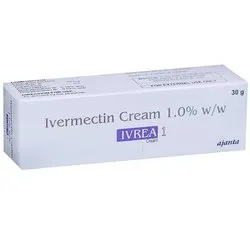
Acidul azelaic este unul dintre cele trei tratamente topice de primă linie pentru rozaceea papulopustulară, alături de ivermectina topică 1% (Ivrea Cream / Soolantra) și metronidazolul topic. Baza de dovezi pentru acidul azelaic în rozacee provine din două studii randomizate controlate de 12 săptămâni (Thiboutot 2003, Elewski 2003) care au demonstrat o reducere semnificativ mai mare a leziunilor inflamatorii (papule și pustule) și a eritemului față de vehicul.
Cronologia așteptată pentru Aziderm Cream în rozacee:
- Săptămâna 0–2: prima aplicație poate provoca o senzație de arsură sau căldură trecătoare. Acest lucru se atenuează aproape întotdeauna în 7–10 zile.
- Săptămâna 4–6: reducere vizibilă a papulelor și pustulelor; eritemul începe să se atenueze.
- Săptămâna 12: efect maxim asupra leziunilor inflamatorii (de obicei o reducere de 50–70% față de starea inițială).
- Doza de întreținere: acidul azelaic este sigur pentru utilizare continuă pe termen lung — spre deosebire de steroizii topici, nu prezintă risc de atrofie cumulativă / telangiectazii.
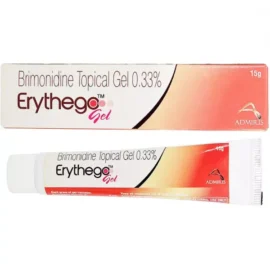
Acidul azelaic nu primește, reduce mâncărimea facială sau roșeața de fond a rozaceei eritematotelangiectatice — pentru aceasta, gel de brimonidină 0,33% (Erythego) este opțiunea. Mulți pacienți cu rozacee de tip mixt utilizează acid azelaic pentru componenta inflamatorie și brimonidină pentru eritem, în diminețile alternative.
Doza și modul de aplicare al Aziderm Cream
- Spălați fața cu un demachiant delicat, ne-spumant; uscați ușor cu prosopul (nu frecați).
- Așteptați până când pielea este complet uscată — acidul azelaic înțeapă ușor mai tare pe pielea umedă.
- Stoarceți o cantitate de mărimea unui bob de mazăre și aplicați punctiform pe zona afectată (obraz, bărbie, nas, frunte — oriunde este prezentă rozaceea sau acneea).
- Frecați într-un strat subțire și uniform până la absorbție completă. Nu aplicați un strat gros — mai mult produs nu înseamnă mai eficient.
- Aplicați de două ori pe zi — dimineața și seara. Consecvența pe o perioadă de 12 săptămâni este ceea ce produce răspunsul clinic.
- Așteptați 5–10 minute, apoi aplicați un hidratant non-comedogenic deasupra.
- Pe timpul zilei: terminați întotdeauna cu un ecran solar cu SPF 30+ cu spectru larg (UV declanșează toate cele trei afecțiuni pe care le tratează acidul azelaic).
- Evitați zona ochilor, colțurile buzelor și interiorul nărilor.
Sfat pentru toleranță: dacă în prima săptămână arsurile sunt accentuate, începeți cu o singură aplicare seara timp de 7 zile, apoi adăugați aplicarea dimineața începând cu săptămâna a 2-a. 90% dintre pacienți ajung să folosească de două ori pe zi fără probleme în 2 săptămâni.
Efecte Secundare & Tolerabilitate
Frecvente (până la 10–30% dintre utilizatori, în principal săptămânile 1–2, de obicei tranzitorii):
- Arsuri ușoare, înțepături sau senzație de căldură la aplicare
- Furnicături sau înțepături
- Uscăciune ușoară sau descuamare
- Eritem ușor (roșeață tranzitorie)
Mai puțin frecvente: dermatită de contact la acidul azelaic însuși (rară), hipopigmentare la pielea foarte închisă la culoare (rară; de obicei reversibilă la întreruperea tratamentului).
Nu se întâlnesc cu acidul azelaic: nici fotosensibilitate, nici atrofie cumulativă, nici telangiectazii, nici risc pentru sarcină, nici selecție de rezistență bacteriană, nici “purjare” sau descuamare de tip retinoid.
Aziderm Cream vs Alte Topice pentru Rozacee/Acnee
| Topical | Cel mai potrivit pentru | Sarcină | Apariție tipică |
|---|---|---|---|
| Acid azelaic 20% (Aziderm Cream) | Rozacee, acnee, melasmă | Categoria B (sigur) | 4–12 săptămâni |
| Ivermectină 1% (Ivrea) | Rozacee papulopustulară (linia întâi) | Categoria C (precauție) | 4–8 săptămâni |
| Brimonidină 0,33% (Erythego) | Eritem facial / roșeață de fond | Categoria B | 30 min (început), 12 h (efect) |
| Metronidazol topic 0,75%–1% | Rozacee ușoară (linie de primă intenție) | Categoria B | 8–12 săptămâni |
| Tretinoină 0,025–0,1% | Acnee, fotoîmbătrânire | Categoria C — evitați | 12–16 săptămâni |
Contraindicații & Precauții
- Hipersensibilitate la acid azelaic sau orice excipient de cremă.
- Piele fisurată sau eczematoasă — așteptați până când pielea fisurată s-a vindecat; acidul azelaic va provoca senzații de arsură pronunțate pe epidermă fisurată.
- Astm: precauție — rapoarte foarte rare de agravare a controlului astmatic.
Sarcină și alăptare: Categoria B. Cea mai sigură opțiune topică antirozacee și antipigmentare disponibilă în timpul sarcinii. Absorbția sistemică este <4%. Utilizată pe scară largă în dermatologia obstetrică.
Copii: sigur pentru utilizare la adolescenți 12+ pentru acnee. Datele pentru copii sub 12 ani sunt limitate.
Depozitare
Depozitați sub 30°C în tubul original cu capacul strâns închis. Nu refrigerați. Protejați de lumina directă a soarelui. Utilizați în termen de 6 luni de la deschidere sau înainte de data de expirare.
Întrebări frecvente
Cât durează până începe să acționeze Aziderm Cream pe rozacee?
Îmbunătățirea vizibilă a papulelor și pustulelor apare în mod tipic la 4–6 săptămâni. Efect maxim după 12 săptămâni. Reducerea eritemului este mai lentă decât cea a leziunilor și se stabilizează în jurul săptămânii 12–16. Continuați ca tratament de întreținere pe termen nelimitat — rozaceea este cronică și are recidive la întrerupere.
Pot folosi Aziderm Cream dacă sunt gravidă?
Yes. Acidul azelaic este clasificat de FDA în Categoria B pentru sarcină — unul dintre puținele substanțe active dermatologice considerate compatibile cu sarcina și alăptarea. Este prima alegere atât pentru rozaceea cât și pentru melasma în timpul sarcinii, întrucât retinoidii topici, hidrochinona și izotretinoina orală sunt contraindicate.
Aziderm Cream provoacă purging?
Acidul azelaic nu provoacă purging-ul specific retinoidilor, cu noi erupții acneeice. Ușoara iritație și roșeață timpurie de 1–2 săptămâni la început este o problemă de toleranță, nu de purging — leziunile existente se îmbunătățesc constant începând cu săptămâna a 2-a, fără o fază de exacerbare.
Pot să suprapun Aziderm Cream cu retinoidi, niacinamidă sau vitamina C?
Da, pentru toate trei. Acidul azelaic se combină bine cu niacinamida (sinergie antiinflamatorie), vitamina C (sinergie de strălucire) și retinoidii (protocol combinat pentru acnee/PIH — aplicați acid azelaic dimineața și retinoide seara). Evitați suprapunerea cu peroxidul de benzoil în aceeași aplicație (nu este periculos, dar BPO dezactivează o parte din acidul azelaic la contact cu pielea).
Aziderm Cream mă face mai sensibil la soare?
Nu. Acidul azelaic nu crește sensibilitatea la UV. Totuși, radiațiile UV sunt un factor declanșator principal pentru toate cele trei afecțiuni (rozaceea, acnee, melasma), așadar utilizarea zilnică a unui ecran solar cu SPF 30+ cu spectru larg este o parte esențială a planului de tratament, indiferent de altceva.
Pot folosi Aziderm Cream pentru melasma în loc de hidrochinonă?
Da. Acidul azelaic 20% are aceeași eficacitate ca hidrochinona 4% pe parcursul a 24 de săptămâni în studii comparative, fără risc de ocronoza sau nevoia de pauze ciclice. Este prima alegere pentru melasma asociată sarcinii și pentru întreținerea între ciclurile de hidrochinonă.
Aziderm Cream este același lucru cu Finacea/Skinoren?
Farmacologic, da — toate trei sunt produse topice cu acid azelaic 15–20%. Finacea (SUA / Bayer) este un gel cu acid azelaic 15%; Skinoren (Europa) este o cremă 20%; Aziderm Cream (Micro Labs) este o cremă 20%. Răspunsul clinic este echivalent la concentrații egale.
Cum diferă Aziderm Cream de metronidazolul topic pentru rozacee?
Ambele sunt tratamente topice de primă linie pentru rozaceea papulopustulară, cu eficacitate similară în studii comparative. Acidul azelaic este ușor mai eficient pe papulopustular leziuni; metronidazolul este ușor mai bine tolerat la prima aplicare; acidul azelaic abordează și acneea și melasma la pacienții cu patologie mixtă. Alegerea se face de obicei pe baza tolerabilității și răspunsului individual.
Unde pot cumpăra Aziderm Cream online?
Puteți achiziționa Aziderm Cream (acid azelaic 20%, tub de 15 g) de la MedsBase, cu ambalaj discret și livrare la nivel mondial.
Tratamente înrudite pe MedsBase
- Erythego Gel — Brimonidină 0,33%
- Ivrea Cream — Ivermectină 1% topică
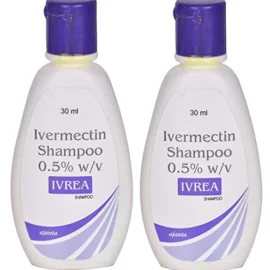
- Ivrea Shampoo — Ivermectină 1%
- Verpin — Comprimate Ivermectin 6 mg
- Răsfoiți toate tratamentele pentru rozacee
Alternative conexe
Alte produse din Afecțiuni cronice pe care clienții le vizualizează de asemenea:
Mai multe opțiuni în tratamentul rozaceei
Clasificate în funcție de volumul recent de comenzi MedsBase — ce aleg alți clienți în această categorie.

| Concentrație | 15 g 10% w/w, 15 g 20% w/w |
|---|---|
| Cantitate | 1 Tub, 2 Tuburi, 3 Tuburi, 6 Tuburi |
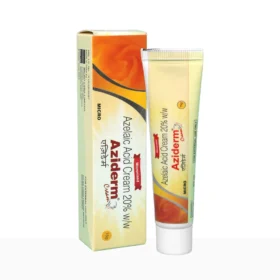 Aziderm Cream
Întrebări și răspunsuri
Aziderm Cream
Produse similare
Recenzii
Nu există recenzii încă