







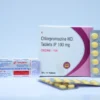
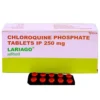
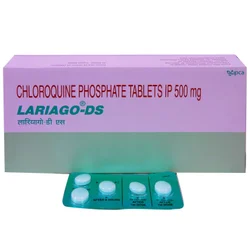
Lariago DS
✅ Tratează malarie severă
✅ Eficace împotriva tulpinilor rezistente
✅ Rapid ameliorare a simptomelor
✅ Previne reapariția malariei
✅ Reduce durata spitalizării
Lariago DS conține fosfat de clorochină.
✓ Verificat medical de Morgan Ellis — Cercetător farmaceutic · 8 ani de experiență · Ultima recenzie: mai 2026
Răspuns rapid
Lariago DS conține fosfat de clorochină echivalent cu 500 mg bază (Ipca Laboratories). Tratează malarie sensibilă la clorochină cauzată de P. falciparum, P. vivax, P. ovale, și P. malariae, și este utilizat și pentru prevenirea și tratamentul amebiazei extra-intestinale. Majoritatea regiunilor endemice moderne prezintă rezistență larg răspândită la clorochină (Africa subsahariană, India, Asia de Sud-Est, bazinul Amazon) — clorochina NU este profilaxia adecvată pentru aceste destinații. Doza de tratament acut: 1 g doză de încărcare → 500 mg la 6 / 24 / 48 h. Profilaxie (doar în zone sensibile la clorochină): 500 mg o dată pe săptămână, începând cu 1–2 săptămâni înainte de călătorie, continuând timp de 4 săptămâni după întoarcere. Se administrează cu alimente. Screening oftalmologic obligatoriu de bază + anual după 5 ani de utilizare continuă.
🛡️ Fiecare comandă este acoperită de Politica noastră de Reexpediere Garantată — dacă coletul dumneavoastră nu ajunge în termen de 20 de zile lucrătoare, vă trimitem gratuit un colet nou prin curier EMS sau ITPS.
De ce să comanzi de la MedsBase
Lariago DS este procurat de la un producător certificat WHO-GMP și expediat în toată lumea în ambalaje discrete. Fiecare comandă este susținută de Politica noastră de Reexpediere Garantată și sprijinită de Peste 1.400 de recenzii ale clienților. Livrare worldwide fără documentație medicală.
Despre Lariago DS
Lariago DS este un comprimat de 500 mg de fosfat de clorochină fabricat de Ipca Laboratories în condiții certificate WHO-GMP. Clorochina este un antimalaric din clasa 4-aminochinolinei — sintetizat pentru prima dată în 1934 și a reprezentat baza tratamentului malariei pentru cea mai mare parte a secolului XX, înainte ca rezistența să apară la P. falciparum în anii 1960. Rămâne eficientăă în puținele regiuni încă sensibile la clorochină și este inclusă pe lista Medicamentelor Esențiale ale OMS.
Cum funcționează cloroquina
Parazitul malariei digeră hemoglobina gazdei în interiorul unei vacuole alimentare acide, eliberând hem liber (toxic pentru parazit). În mod normal, parazitul polimerizează hemul în hemozoină inertă (pigment de malarie). Cloroquina se acumulează în vacuola alimentară datorită naturii sale de bază slabă, care o capturează în compartimentele acide, unde se leagă de hemul liber și împiedică polimerizarea. Hemul toxic liber se acumulează și omoară parazitul. Rezistența la cloroquină apare din cauza mutațiilor PfCRT (transportorul de rezistență la cloroquină P. falciparum) care pompează cloroquina înapoi din vacuola alimentară.
Timpul de înjumătățire este de 1–2 luni — cloroquina se acumulează în țesut și este eliberată lent. Acesta este motivul pentru care profilaxia este administrată săptămânal și continuă timp de 4 săptămâni după expunere.
Indicații și dozaj
| Indicație | Doza (în mg de bază) | Note |
|---|---|---|
| Malarie sensibilă la cloroquină — tratament acut, adult | 1 000 mg de bază inițial → 500 mg de bază la 6, 24 și 48 h (total 2 500 mg de bază în 48 h) | Adăugați primaquină pentru vindecarea radicală a P. vivax / P. ovale (după testul G6PD). |
| Profilaxie pentru malarie sensibilă la cloroquină, adult | 500 mg de bază o dată pe săptămână | Începeți cu 1–2 săptămâni înainte de călătorie; continuați săptămânal în timpul expunerii; continuați 4 săptămâni după întoarcere. |
| Tratament pediatric | 10 mg/kg de bază inițial → 5 mg/kg la 6, 24, 48 h | Același total în 48 h. Comprimatele pot fi zdrobite și amestecate cu mâncare. |
| Profilaxie pediatrică | 5 mg/kg bază o dată pe săptămână (max 500 mg) | Aceeași schemă de începere/continuare/întrerupere ca la adulți. |
| Amebiază extraintestinală (abces hepatic amebian) | 1 g/zi timp de 2 zile, apoi 500 mg/zi timp de 2–3 săptămâni | Adjuvant la metronidazol. |
Efecte secundare
- Frecvente (5–15%): grețuri, crampe abdominale, cefalee, amețeli, tulburări de vedere (acomodare reversibilă timpurie), mâncărimi (în special la persoanele cu piele închisă — pruritul indus de cloroquină este un efect secundar caracteristic, uneori intolerabil).
- Mai puțin frecvente (1–5%): deschiderea culorii părului, pigmentare gri-ardonie a pielii/mucoasei, fotosensibilitate, dispepsie, vise vii, modificări ale stării de spirit.
- Rare dar grave: retinopatie (pe termen lung, dependentă de doză), cardiomiopatie și prelungire a intervalului QT, miopatie, neuropatie, agranulocitoză, reacții cutanate severe și, la doze cumulative mari, efecte extrapiramidale.
- Supradozarea este excepțional de periculoasă — chiar și doze de 5 g (10 comprimate) au provocat aritmii fatale la adulți; un singur comprimat a provocat decesul unui copil mic. Păstrați în afara zonei de acces a copiilor.
Interacțiuni medicamentoase
| Interacțiune | Efect | Management |
|---|---|---|
| Digoxină | Cloroquina crește nivelul de digoxină | Monitorizați nivelul de digoxină; reduceți doza dacă este necesar. |
| Ciclosporină | Cloroquina crește nivelul de ciclosporină | Monitorizați nivelul de ciclosporină. |
| Antiacide / caolin | Reducerea absorbției clorochinei cu ~30% | Separați cu 4 ore. |
| Meflochină | Scădere aditivă a pragului convulsiv + efecte cardiace | Evitați combinația — utilizați un singur agent antimalaric. |
| Medicamente care prelungesc intervalul QT | Prelungire aditivă a intervalului QTc | Evitați în boli cardiace structurale, dezechilibru electrolitic sau sindrom QT lung. |
| Ampicilină | Clorochina reduce absorbția ampicilinei | Separați cu 2 ore. |
| Praziquantel | Clorochina reduce nivelul praziquantelului | Evitați combinația în timpul tratamentului schistosomiazei. |
Contraindicații și precauții
- Contraindicații absolute: hipersensibilitate cunoscută la 4-aminochinoline; retinopatie preexistentă.
- Precauții: psoriazis (adesea exacerbare severă), porfirie, afecțiuni GI severe, insuficiență hepatică, boli neurologice (epilepsie), deficit de G6PD, miastenie gravis, boli cardiace severe (cardiomiopatie / defecte de conducere).
- Sarcina: cloroquina este considerată sigură la dozele standard profilactice și terapeutice; riscul teratogen absolut este scăzut, iar malaria netratată în timpul sarcinii este mult mai periculoasă decât cloroquina.
- Alăptarea: compatibilă — excretată în laptele matern în cantități mici, insuficiente pentru profilaxia sugarului.
Depozitare
Păstrați la temperaturi sub 25 °C, într-un loc uscat, în ambalajul original. Se păstrează în afara accesului copiilor — o supradoză pediatrică cu un singur comprimat a provocat cardiotoxicitate fatală.
Întrebări frecvente
Este cloroquina încă utilă?
Da — pentru puținele zone rămase sensibile la cloroquină (părți din America Centrală, Hispaniola, Orientul Mijlociu) și pentru abcesul hepatic amebic ca adjunct. Pentru Africa subsahariană, India, Asia de Sud-Est sau Amazonia, aveți nevoie de un alt agent (meflochină, doxiciclină sau atovaquon-proguanil).
Cum știu dacă destinația mea este sensibilă la cloroquină?
Utilizați recomandările specifice țărilor din CDC Yellow Book (link) sau site-ul fitfortravel.nhs.uk din Marea Britanie. Hărțile de rezistență se actualizează anual — nu vă bazați niciodată pe sfaturi mai vechi de 1–2 ani.
Ce este pruritul cloroquinic?
Un mâncărime intensă idiosincratică (palme, tălpi, scalp) observată în special la persoanele cu piele închisă care iau cloroquină. Mecanismul nu este clar (probabil legat de celulele mastocitare, nu de o reacție alergică). Unii pacienți tolerează hidroxiclorochina în schimb.
Copiii pot lua clorochină?
Da — profilaxia pediatrică este de 5 mg/kg bază o dată pe săptămână (maxim 500 mg). Comprimatele pot fi zdrobite și amestecate cu mâncare/miere. Păstrați blisterele departe de reach — o supradoză pediatrică cu un singur comprimat poate fi potențial fatală.
Este cloroquina sigură în timpul sarcinii?
Da, la doze standard. Malaria netratată în timpul sarcinii prezintă un risc mult mai mare pentru mamă și făt decât cloroquina.
De ce a apărut rezistența la cloroquină?
Mutațiile în gena PfCRT (transportorul de rezistență la cloroquină al P. falciparum) permit paraziților să pompeze cloroquina înapoi din vacuola alimentară. Mutațiile s-au răspândit global din Asia de Sud-Est și America de Sud începând cu sfârșitul anilor 1950. P. vivax a dobândit rezistență mai lent și mai neregulat.
Cum diferă cloroquina de hidroxiclorochina?
Hidroxiclorochina are un grup hidroxil suplimentar care îi conferă un profil substanțial mai bun de toxicitate retinală și o toleranță gastrointestinală ușor îmbunătățită. Pentru boli autoimune, hidroxiclorochina este preferată. Pentru tratamentul malariei, cloroquina este mai potentă pe tulpinile sensibile.
Pot lua Lariago DS pentru COVID-19?
Nu. Multiple studii randomizate de înaltă calitate au arătat că cloroquina și hidroxiclorochina nu îmbunătățesc rezultatele COVID-19 și pot provoca daune cardiace la dozele studiate.
Ce ar trebui să fac dacă am febră după întoarcerea dintr-o călătorie?
Orice boală febrilă în termen de 1 an de la călătoria într-o zonă endemică pentru malarie necesită urgent examen cu frotiu sanguin gros și subțire. Malaria severă este o urgență medicală. Spuneți oricărui clinician pe care îl întâlniți exact unde ați călătorit și ce profilaxie ați luat.
De ce este doza specificată în “bază” și comprimatul etichetat în “fosfat”?
Fosfatul de clorochină este forma de sare (mai stabilă). Substanța activă este clorochina bază. Comprimatele sunt etichetate după greutatea sării; dozele din referințele clinice sunt de obicei date în bază. 250 mg fosfat de clorochină ≈ 150 mg bază; 500 mg fosfat ≈ 300 mg bază. Eticheta Lariago DS de 500 mg se referă la sare.
Ce zici de tratamentul combinat cu primaquină?
Pentru infecțiile cu P. vivax sau P. ovale, clorochina elimină paraziții din sânge, dar nu afectează hipnozoiții dormiți din ficat. Adăugarea de primaquină 0,5 mg/kg/zi timp de 14 zile (sau 0,25 mg/kg/zi timp de 14 zile, după testarea G6PD) asigură vindecarea radicală și previne recidivele. Nu omiteți cursul de primaquină.
Alte Comprimate pentru Malarie
- Lariago 250 mg — Clorochină 250 mg bază — dozare standard o dată pe săptămână pentru profilaxia sensibilă la clorochină
- HCQS 200/400 mg — Hidroxichlorochină — moleculă soră cu avantaj de toxicitate retinală și indicații autoimune
- Mefque 250 mg — Meflochină — profilaxie săptămânală pentru zonele rezistente la clorochină
- Cendox 100 mg — Doxiciclină — profilaxie zilnică acoperind malaria rezistentă la clorochină + leptospiroză + boli rickettsiale
Mai multe opțiuni în Comprimate pentru Malarie
Clasificate în funcție de volumul recent de comenzi MedsBase — ce aleg alți clienți în această categorie.


| Concentrație | 500 mg |
|---|---|
| Cantitate | 30 Comprimat/e, 60 Comprimat/e, 90 Comprimat/e, 180 Comprimat/e |
 Lariago DS
Întrebări și răspunsuri
Lariago DS
Produse similare




Recenzii
Nu există recenzii încă