








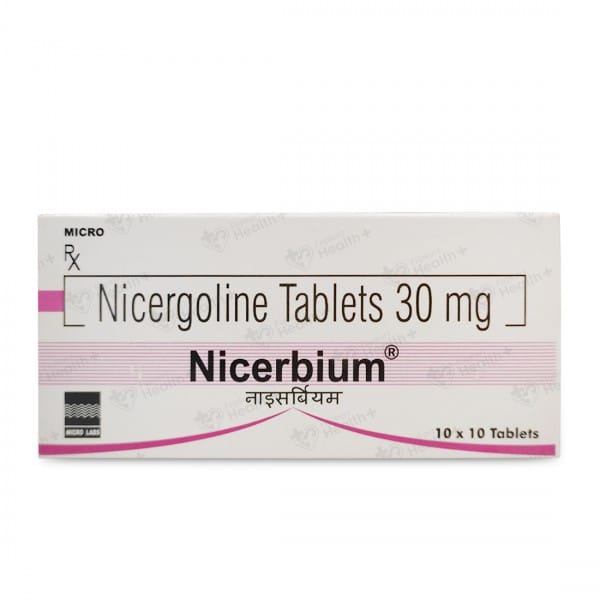
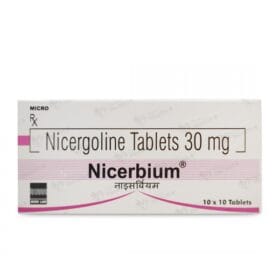
Nicerbium
✅ Îmbunătățește fluxul sanguin
✅ Îmbunătățește funcția cognitivă
✅ Reduce simptomele de vertij
✅ Tratează migrenele
✅ Susține sănătatea creierului
Nicerbium conține Nicergolină.
✓ Verificat medical de Morgan Ellis — Cercetător farmaceutic · 8 ani de experiență · Ultima recenzie: mai 2026
⚡ Răspuns rapid — Ce este Nicerbium?
Nicerbium este un nicergoline (30 mg) tabletă — un nootropic derivat din ergot și vasodilatator cerebral utilizat pentru tratarea tulburări cognitive și simptome ale insuficienței cerebrovasculare, inclusiv demență vasculară, declin cognitiv legat de vârstă, și tulburări vasculare periferice. Acționează prin mai multe mecanisme: blocaj α-adrenergic (îmbunătățind fluxul sanguin cerebral), stimularea neurotransmisiei colinergice și dopaminergice și efecte neuroprotective. Doză obișnuită: 30 mg de două ori pe zi (sau 60 mg o dată pe zi). În general bine tolerat — efecte secundare frecvente: disconfort gastrointestinal ușor, amețeli, roșeață.
📦 Fiecare comandă este acoperită de politica noastră de Politica noastră de Reexpediere Garantată — dacă coletul dumneavoastră nu sosește în 20 de zile lucrătoare, îl relivrăm.
De ce să comanzi de la MedsBase
Medicamentele noastre generice sunt procurate de la producători certificați WHO-GMP și expediate la nivel mondial în ambalaje discrete și simple — fără denumirea medicamentului pe exteriorul coletului. Plățile cu cardul sunt procesate printr-un procesor reglementat (descrierile de pe extrasul de cont includ un procesor de plăți cu card reglementat — niciodată “MedsBase” sau numele vreunui medicament). Acceptăm și criptomonede și transferuri bancare SEPA. Fiecare comandă este susținută de Politica noastră de Asigurare pentru Relivrare.
Ce este Nicerbium?
Nicerbium este un comprimat oral care conține nicergolină 30 mg. Nicergolina este un vasodilatator cerebral și nootropic derivat din ergot care este utilizat în clinică din anii 1970, în principal în Europa și Asia. Îmbunătățește fluxul sanguin cerebral, stimulează neurotransmisia colinergică și catecolaminergică și are proprietăți neuroprotectoare prin mecanisme antioxidante.
Nicergolina este prescrisă pentru declin cognitiv legat de vârstă, demență vasculară, insuficiență cerebrovasculară cronică, și tulburări vasculare periferice. Nu este aprobată de FDA (SUA), dar este utilizată pe scară largă la nivel internațional. Nicerbium este fabricat într-o unitate certificată WHO-GMP și este bioechivalent cu marca originală Sermion (Pfizer).
Cum funcționează Nicerbium (Nicergolina)?
Nicergolina are un mecanism multimodal care o diferențiază de vasodilatatorii simpli:
- α1-Blocare receptor adrenergic α: Relaxează mușchiul neted vascular cerebral și periferic, îmbunătățind fluxul sanguin către creier și extremități
- Stimulare colinergică: Crește eliberarea de acetilcolină și inhibă acetilcolinesteraza — susținând memoria și funcția cognitivă
- Facilitare dopaminergică: Îmbunătățește metabolismul dopaminei în cortexul frontal
- Neuroprotecție: Reduce stresul oxidativ, inhibă agregarea plaquetară și promovează producția de factor de creștere nervoasă (NGF)
Aceste efecte combinate fac din nicergolin mai mult decât un vasodilatator — acționează ca nootropic multimodal abordând atât componentele vasculare, cât și cele neurodegenerative ale declinului cognitiv.
Indicații
- Demență vasculară ușoară-până la moderată și demență multi-infarct
- Insuficiență cerebrovasculară cronică — amețeli, tinnitus, cefalee și probleme de memorie legate de reducerea fluxului sanguin cerebral
- Declin cognitiv legat de vârstă (neîndeplinind criteriile pentru demență)
- Tulburări vasculare periferice — fenomenul Raynaud, claudicație intermitentă
- Profilaxia migrenei (adjuvant, off-label în unele piețe)
Dozare și administrare
| Indicație | Doza | Durată |
|---|---|---|
| Deteriorare cognitivă / demență vasculară | 30 mg de două ori pe zi | ≥3–6 luni (evaluați beneficiul la 3 luni) |
| Insuficiență cerebrovasculară | 30 mg de două sau trei ori pe zi | Continuă conform indicațiilor |
| Boală vasculară periferică | 30 mg de trei ori pe zi | Continuă conform indicațiilor |
Administrați între mese pentru absorbție optimă (alimentele reduc biodisponibilitatea cu ~15–20%). Răspunsul terapeutic pentru simptomele cognitive necesită de obicei cel puțin 2–3 luni.
Efecte Secundare
Efecte frecvente (în general ușoare): disconfort gastric, greață, roșeață facială, amețeli, somnolență, hipotensiune (de obicei posturală).
Mai puțin frecvente: erupții cutanate, insomnie, agitație, creșterea acidului uric (datorită metabolitului de purină).
Efecte rare/serioase: simptome de ergotism (extrem de rare la doze terapeutice — nicergolina are activitate vasoconstrictivă minimă spre deosebire de alte derivate ergotice), reacții fibrotice (foarte rare, avertizare de clasă pentru derivatele ergotice la utilizare prelungită).
Avertismente și precauții
- Derivat ergotic. Nicergolina păstrează o activitate slabă la nivelul receptorilor ergotici. Utilizarea prelungită la doze supraterapeutice prezintă un risc teoretic de fibroză retroperitoneală, pleurală sau valvulară cardiacă (efect de clasă al ergotinelor). Dozele standard de 30 mg/zi nu au demonstrat risc clinic semnificativ de fibroză în peste 50 de ani de monitorizare post-marketing.
- Hipotensiune. Nicergolina este un antagonist al receptorului α1-adrenergic — poate apărea hipotensiune ortostatică, în special la persoanele în vârstă sau pacienții sub tratament antihipertensiv. Ridicați-vă încet din poziția șezândă/culcată.
- Hiperuricemie. Nicergolina este metabolizată în acid nicotinic, care crește nivelul acidului uric. Monitorizați la pacienții predispuși la gută.
- Afectare hepatică. Nicergoline suferă un metabolism hepatic de prim trecere extensiv. Folosiți cu precauție în afecțiuni hepatice severe.
- Risc de sângerare. Nicergolina are o activitate antiagregantă plachetară ușoară. Folosiți cu precauție împreună cu anticoagulante (warfarin, DOACs) și terapie antiagregantă dublă.
- Sarcina și alăptarea. Date insuficiente. Evitați utilizarea, cu excepția cazurilor în care este clar necesară.
- Conducere auto. Amețeli și hipotensiune pot afecta capacitatea de conducere în primele 1-2 săptămâni.
Contraindicații — Cine NU ar trebui să ia Nicerbium
- Hipersensibilitate cunoscută la nicergolină, alte derivate ergot sau orice excipient
- Infarct miocardic recent (fază acută)
- Hemoragie acută sau sângerare activă
- Hipotensiune severă (sistolică <90 mmHg)
- Bradicardie severă
Interacțiuni medicamentoase
- Antihipertensive: Efect adițional de scădere a tensiunii arteriale — monitorizați pentru hipotensiune
- Anticoagulante/antiagregante plachetare: Nicergolina inhibă agregarea plaquetelor — risc teoretic adițional de sângerare
- Alte derivate ale ergotului: Evitați utilizarea concomitentă (efecte ergot cumulative)
- Substrate CYP2D6: Nicergolina inhibă slab CYP2D6 — semnificația clinică este redusă la dozele standard
Instrucțiuni de Depozitare
- Se păstrează la temperatura camerei, 15–25°C. Protejați de lumină și umiditate.
- Păstrați în ambalajul original până la utilizare.
- Nu depozitați în baie.
- Păstrați la distanță de copii.
- Nu utilizați după data de expirare.
Categorii conexe pe MedsBase
- Răsfoiți toate medicamentele neurologice și antiepileptice
- Răsfoiți medicamente pentru inimă și tensiune arterială
Întrebări frecvente
Pentru ce se utilizează Nicerbium?
Nicerbium conține nicergolină 30 mg și este utilizat pentru a îmbunătăți funcția cognitivă și fluxul sanguin cerebral la pacienții cu demență vasculară, insuficiență cerebrovasculară cronică și declin cognitiv legat de vârstă.
Cât timp durează până se observă beneficiul nicergolinei?
Îmbunătățirea cognitivă este progresivă. Majoritatea studiilor clinice au evaluat rezultatele după 3–6 luni. Unii pacienți observă îmbunătățiri în vigilență și concentrare în 4–6 săptămâni, dar modificări cognitive semnificative necesită tratament mai îndelungat.
Este nicergolina eficientă în boala Alzheimer?
Nicergolina a demonstrat beneficii modeste în demență vasculară și demența mixtă (vasculară + Alzheimer) în studii revizuite de Cochrane. Nu este un tratament de primă intenție pentru boala Alzheimer pură — inhibitorii de colinesterază (donepezil, rivastigmin) sunt standardul de îngrijire. Totuși, proprietățile sale de stimulare colinergică și neuroprotecție pot oferi beneficii adiționale în declinul cognitiv de etiologie mixtă.
Nicerbium este același lucru cu Sermion?
Ambele conțin nicergolină. Sermion este marca originală Pfizer (fostă Farmitalia). Nicerbium este un medicament generic bioechivalent.
Pot lua nicergolină cu medicamente pentru tensiune arterială?
Da, dar cu monitorizare. Nicergolina are efecte ușoare de scădere a tensiunii arteriale prin blocarea α. În combinație cu antihpertensive, hipotensiunea ortostatică poate apărea — ridicați-vă încet din poziții șezute/culcate.
Nicergolina provoacă ergotism?
Foarte puțin probabil la doze terapeutice. Spre deosebire de ergotamină (folosită pentru migrene), nicergolina are activitate vasoconstrictivă minimă. Avertismentul privind fibroza din clasa ergot este menținut ca precauție, dar nu a fost raportat la dozele standard de nicergolină în practica clinică.
Nicergolina este un nootropic?
Da — nicergolina este clasificată ca nootropic (întăritor cognitiv) în multe referințe farmacologice. Combinația sa de mecanisme vasculare, colinergice și neuroprotective o diferențiază de nootropicale cu mecanism unic precum piracetamul.
Nicergolina poate ajuta la tinitus?
Nicergolina este prescrisă pentru tinitus asociat cu insuficiență cerebrovasculară pe unele piețe. Poate ameliora acufenul atunci când cauza de bază este reducerea fluxului sanguin către sistemul auditiv. Este puțin probabil să ajute în cazul acufenului cauzat de alte factori (deteriorarea datorată zgomotului, boala Ménière).
Care sunt considerațiile privind siguranța pe termen lung?
Nicergolina a fost utilizată timp de decenii cu un profil bun de siguranță pe termen lung. Principalul aspect de luat în considerare este monitorizarea periodică a nivelurilor de acid uric (nicergolina este metabolizată într-un derivat de purină) și a tensiunii arteriale.
Pot conduce în timp ce iau Nicerbium?
Nicergolina poate provoca amețeli ușoare și somnolență, mai ales la început. Aveți grijă atunci când conduceți până când știți cum vă afectează. La doze stabile, majoritatea pacienților nu au probleme de conducere.
Nicergolina interacționează cu warfarinul?
Nicergolina inhibă ușor agregarea plachetelor. Deși nu afectează direct metabolismul warfarinului, efectul antiplachetar aditiv necesită monitorizarea INR dacă sunt utilizate împreună, mai ales la începutul sau oprirea administrării de nicergolină.
Alternative conexe
Alte produse din Afecțiuni cronice pe care clienții le vizualizează de asemenea:
- Neurobion Forte RF Injectie (Metilcobalamină + B6 + B3) — Reparare nervoasă
- Aerocort Inhaler
- Arkamin
- Meftal
- Temozol 20
Mai multe opțiuni în Afecțiuni Neurologice și Epilepsie
Clasificate în funcție de volumul recent de comenzi MedsBase — ce aleg alți clienți în această categorie.

| Concentrație | 30 mg |
|---|---|
| Cantitate | 30 Comprimat/e, 60 Comprimat/e, 90 Comprimat/e, 180 Comprimat/e |
 Nicerbium
Întrebări și răspunsuri
Nicerbium
Produse similare




Recenzii
Nu există recenzii încă