







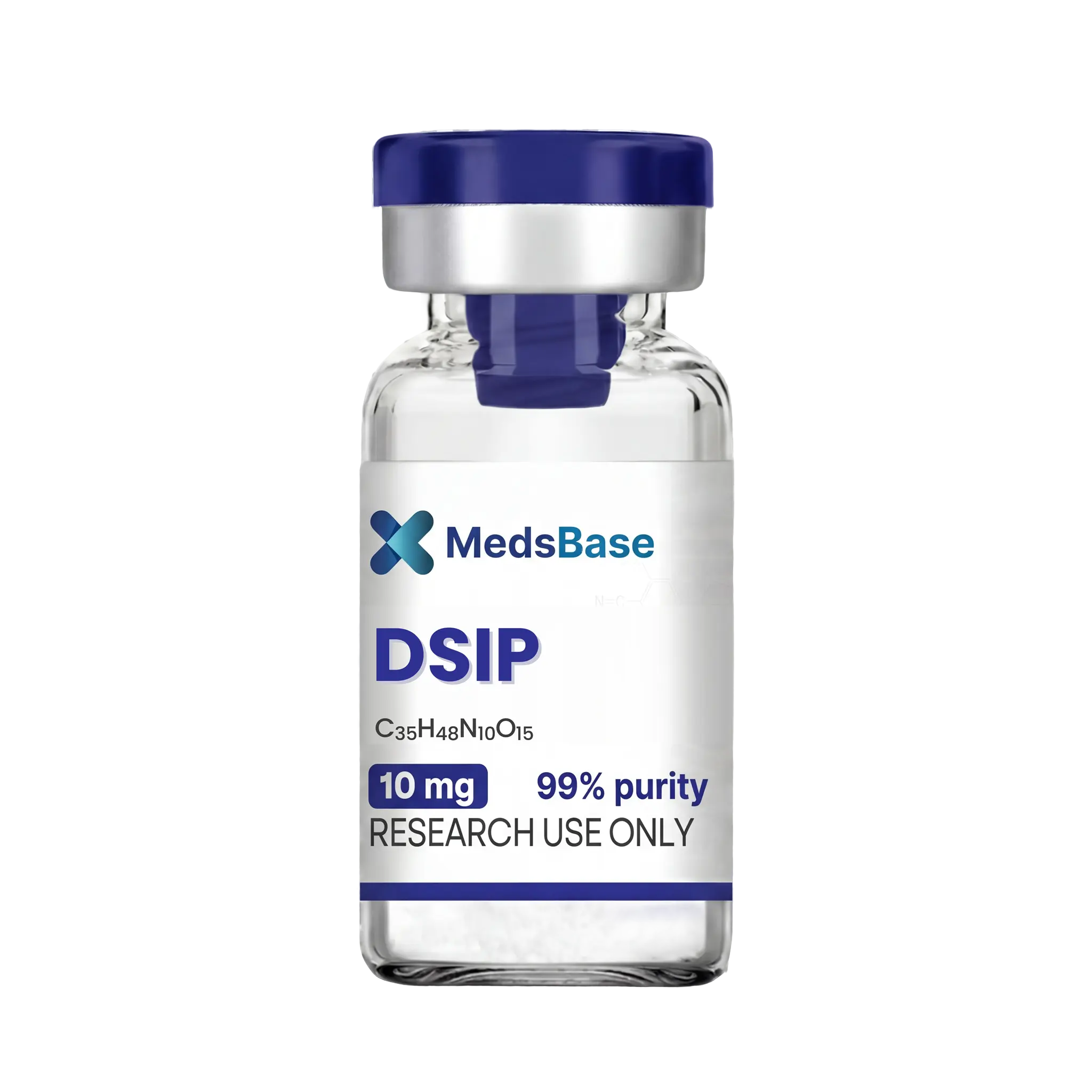
DSIP
✅ Delta Sleep-Inducing Peptide (1977-es felfedezés)
✅ Modulálja a lassú hullámú alvás szerkezetét
✅ HPA-tengely stresszválasz-kutatás
✅ Anti-withdrawal és nem opioid eredetű fájdalomcsillapítás
✅ Átjut a vér-agy gáton
DSIP szintetikus peptidvegyületet tartalmaz.
✓ Orvosi ellenőrzés Morgan Ellis — Gyógyszerkutató · 8 év tapasztalat · Utolsó felülvizsgálat: 2026 május
Gyors válasz — Mi a DSIP?
DSIP (Delta Sleep-Inducing Peptide) egy 9 aminosavból álló neuropeptid, amelyet először nyúl agyi vénás véréből izoláltak 1977-ben, a talamusz alvást elősegítő területeinek elektromos stimulációja során. A publikált kutatások szerint modulálja az alvás szerkezetét — kifejezetten a lassú hullámú (delta) alvást — emellett dokumentált hatásai vannak a stresszválaszra, a withdrawal szindrómákra és a nocicepcióra. Csak laboratóriumi kutatási célra forgalmazott, 5 mg és 15 mg közötti liofilizált adagokban kapható.
📦 Minden rendelést fedez a Újraküldési Garancia — ha a csomagod nem érkezik meg 20 munkanapon belül, újraküldjük.
| Specifikáció | Részlet |
|---|---|
| CAS szám | 62568-57-4 |
| Molekuláris képlet | C35H48N10O15 |
| Molekulatömeg | 848.81 Da |
| Szekvencia | Trp-Ala-Gly-Gly-Asp-Ala-Ser-Gly-Glu (WAGGDASGE, 9 aminosav; lineáris, módosítatlan végű) |
| Forma | Szublimáltan szárított por (fehér vagy halványsárga) |
| Tisztaság | ≥99% (HPLC-vel ellenőrizve, COA igény szerint) |
| Tárolás | Liofilizált: 2–8 °C (hűtőszekrény) munkakészletként; −20 °C hosszú távú tárolásra lezáratlan üvegek esetén. Rekonstituált: 2–8 °C, használat ~30 napon belül. Védjük a fénytől. Ne fagyassza-válassza fel az újraállított oldatot. |
| Oldhatóság | Baktériumstatikus víz (ajánlott) vagy steril víz rövidebb használatra |
| Kutatási célra | Csak laboratóriumi kutatási célra. Nem használható humán vagy állatgyógyászati diagnosztikai vagy terápiás célra. |
Mi a DSIP?
DSIP (Delta Sleep-Inducing Peptide) egy 9 aminosavból álló lineáris neuropeptid, amelyet Schoenenberger és Monnier izolált először a Bázeli Egyetemen 1977-ben. A peptidet nyúl agyi vénás véréből választották ki az intralamináris talamusz elektromos stimulációja során — ez a terület ismert a delta-hullámos (lassú hullámú) alvás kiváltásáról a kéregben — majd koncentrálták a bioaktív frakciót. A DSIP elnevezést a domináns elektroenkefalográfiás jelről kapta, amelyet a fogadó állatokban produkált: megnövekedett delta-hullám aktivitás az alvás során.
A jól jellemzett szekvencia WAGGDASGE, molekulatömege 848,81 Da, empirikus képlete C35H48N10O15. A DSIP szerkezetileg szokatlan a kis méretű, központi idegrendszerre ható peptidék között — lineáris, mindkét terminálja módosítatlan, és nem tartalmaz prolin- vagy ciszteinmaradványokat. A peptid nagy tisztaságú, liofilizált por formájában kerül szállításra, amelyet bakteriosztatikus vízzel kell rekonstitúcióra előkészíteni. A DSIP nem hagyta jóvá az FDA, az EMA, az MHRA vagy bármely más jelentős szabályozó hatóság emberi terápiás célú felhasználásra. Az itt értékesített kutatási minőségű DSIP szállításra kerül laboratóriumi kutatási célra szolgál és nem szánható emberi vagy állatgyógyászati alkalmazásra. Kapcsolódó cirkadián és alvási tengelyű peptidkutatásokhoz lásd a Epitalon és Selank termékoldalainkra.
Hatásmechanizmus — Alvási szerkezet, stresszreakció és neuroprotekció
Ami a DSIP-et szokatlanná teszi a kutatási peptidék között, az a hatások széles köre, amelyet egy ilyen kis, lineáris peptid esetében dokumentáltak, anélkül, hogy egyértelműen azonosították volna elsődleges receptorát. A publikált kutatások tevékenységét három átfedő területre, képezték le, amelyek mind hozzájárulnak a megfigyelt fenotípushoz:
- Alvási szerkezet moduláció — delta-hullámú (lassú hullámú) alvás — A DSIP növeli a lassú hullámú (3–4. stádiumú / N3) alvás arányát kvantitatív EEG-méréseken patkányokban, nyulakban és emberi kutatásokban anélkül, hogy arányosan csökkentené a REM-alvást. A hatás a legszembetűnőbb alvásmegoszlású vagy lerövidült alvású alanyoknál, ami arra utal, hogy a peptid inkább homeosztatikus alvásnyomás-szabályozóként működik, mint elsődleges nyugtatóként. Fontos megjegyezni, hogy a DSIP közvetlenül nem növeli a teljes alvási időt nem alvásmegvonásos alanyoknál — inkább az alvásarchitektúrát alakítja át magasabb lassú hullámú alvás arány felé.
- HPA-tengely és stresszreaktivitás moduláció — Számos publikált tanulmány dokumentálja a stressz által kiváltott kortizol- és ACTH-szabadulás csökkenését patkányok restreint-stressz modelljeiben, valamint a kortikotropin-felszabadító hormon (CRH) jelátvitel csökkenését a hipotalamuszban. A stressztompító hatás hosszabb időskálán működik, mint a benzodiazepin nyugtatók, és nem okoz akut viselkedéses nyugtatást, ami inkább az HPA-tengely tonusának modulációjára utal, mint akut anxiolízisre.
- Antinocicepció, neuroprotekció és anti-withdrawal hatások — A DSIP analgetikus hatásokat mutat patkányok hő- és kémiai-nocicepciós modelljeiben, beleértve opioid-naív alanyokat (ami nem opioid mechanizmusra utal). Orosz és kelet-európai kutatások dokumentálták az opioid- és alkohol-elvonási szindrómák enyhítését preklinikai modellekben. Neuroprotektív hatásokat oxidatív stresszel, iszkémiával és excitotoxicitással szemben publikáltak, de ezek mechanizmusa kevésbé jellemzett, mint az alvásarchitektúrával kapcsolatos munka.
A DSIP receptor célpontja még nem lett egyértelműen azonosítva, ami szokatlan egy ilyen sok publikált viselkedéses adattal rendelkező peptid esetén. Javasolt mechanizmusok közé tartozik a GABA-A moduláció, opioid-rendszer kereszthatás, és közvetlen interakció a hipotalamikus CRH neuronokkal. Az elsődleges receptor hiánya a számos dokumentált hatás mellett arra utal, hogy a DSIP inkább multimodális neuromodulátorként működhet, mint klasszikus receptor agonistaként — ez a hipotézis továbbra is aktív kutatási kérdés a publikált peptid farmakológiában.
Közzétett kutatási alkalmazások
A DSIP-t laboratóriumi kutatási kontextusokban használják, amelyek vizsgálják:
- Alvásarchitektúra és EEG-kutatás — kvantitatív EEG spektrumanalízis, lassú hullámú alvás aránya, alvásfragmentáció patkányokban és emberi kutatásokban (Schoenenberger & Monnier, PNAS 1977; Kovalzon & Strekalova, Sleep Med Rev 2006)
- Stresszreaktivitás és HPA-tengely kutatás — kortizol- és ACTH-dinamika, CRH-expresszió, restreint-stressz és krónikus enyhe stressz modellek patkányokban
- Elvonási szindróma kutatás — opioid elvonás súlyossága, alkohol elvonás, benzodiazepin fokozatos csökkentése; főleg orosz és kelet-európai publikált irodalom
- Nocicepció és krónikus fájdalom kutatás — farok-rántás, forró lemez, formalin és krónikus kompressziós sérülés modellek patkányokban; nem opioid mechanizmus jellemzése
- Neuroprotektív kutatás — oxidatív stress markerek, ischaemia-reperfúziós károsodás, excitotoxicitási modellek
- Cirkadián biológiai kutatás — szinkronizáció, fázisváltó válasz, melatonin és magtesthőmérsékleti ritmus moduláció
- Összehasonlító alvás-tengely peptid kutatás — összevetés Epitalon (pineális tetrapeptid) cirkadián hatásokra és Selank stresszcsökkentő hatásokra nyugtató hatás nélkül.
A DSIP elhelyezkedésének szélesebb kontextusáért a kis méretű CNS-aktív peptid térképen lásd Epitalon (AEDG pineális tetrapeptid, cirkadián-tengely kutatás), Selank (heptapeptid anxiolitikum), és Semax (heptapeptide nootropic). Böngéssze a teljes kutatási peptidek katalógust kapcsolódó vegyületekért.
Elérhető erősségek és koncentrációk
MedsBase stocks DSIP in three lyophilized vial sizes covering pilot dosing through extended research protocols. Each strength is available in 10-vial, 20-vial, or 30-vial pack formats with full reconstitution guidance:
| Ampulla erőssége | Tipikus kutatási felhasználási eset | Csomagméret |
|---|---|---|
| 5 mg | Rövid kutatási protokollok, próbadosztozás, egyetlen EEG-munkamenet kutatás | 10, 20 vagy 30 ampulla |
| 10 mg | Standard kutatási erősség, többhetes alvásarchitektúra-vizsgálatok | 10, 20 vagy 30 ampulla |
| 15 mg | Kiterjesztett ciklusú protokollok, legalacsonyabb mg-onkénti költség, több kohorszos vizsgálatok | 10, 20 vagy 30 ampulla |
Mindhárom erősség ugyanazon kémiai formában áll rendelkezésre (liofilizált por, 99%+ HPLC tisztaság). A magasabb mg-os ampullák kisebb rekonstitúciós térfogatot igényelnek egységnyi dózisonként, ami hasznos lehet, ha a kutatók minimalizálni szeretnék az injekciós térfogatot rágcsáló protokollokban, vagy kiterjesztett vizsgálatokat szeretnének végezni egyetlen ampullából.
Összehasonlítás — DSIP vs Epitalon
A DSIP és az Epitalon a két leggyakrabban idézett kis peptid az alvás, cirkadián és nyugalmi állapot kutatásában. Több közös kutatási vonatkozásuk van – mindkettő rövid, lineáris, módosítatlan peptid azonosítatlan elsődleges receptorokkal, és mindkettő olyan fenotípusos hatásokat produkál, amelyek tovább tartanak a plazma klírencen – de elsődleges kutatási jelzéseik eltérőek: a DSIP közvetlenül modulálja az alvásarchitektúrát a SWS arányon keresztül; az Epitalon a tobozmirigy-melatonin tengelyre és a cirkadián génkifejeződésre hat.
| Kritérium | DSIP | Epitalon |
|---|---|---|
| Hossz | 9 aminosav (lineáris) | 4 aminosav (tetrapeptid) |
| Szekvencia | WAGGDASGE | AEDG (Ala-Glu-Asp-Gly) |
| Elsődleges kutatási jelzés | Lassú hullámú alvás aránya (EEG delta) | Pinealis-melatonin tengely, telomeráz, cirkadián génkifejeződés |
| Azonosított receptor | Nincs (multimodális neuromodulátor) | Nincs (génszabályozó, intracelluláris) |
| Tipikus kutatási adag | 100–500 mcg, naponta 1x | 5–10 mg, naponta 1x ciklusonként |
| Hatás kezdete | Azonos munkamenet (EEG-vel mérhető) | Többhetes (génkifejeződési időskálán) |
| Stackelés | Együtt alkalmazzák Epitalonnal a cirkadián-alvás stack kutatásban | Együtt alkalmazzák DSIP-vel kombinált alvás+cirkadián hatások érdekében |
Az alvásarchitektúra kutatásában a DSIP a kanonikus első választás, mert egyetlen alvási munkameneten belül mérhető EEG-szintű hatást fejt ki a lassú hullámú alvás arányára. A cirkadián ritmus és génszabályozó kutatásban az Epitalon az előnyösebb, mert a hatás időskálája megegyezik az alapul szolgáló biológiával (a génkifejeződés változásai napoktól hetekig tartanak). A kettőt gyakran együtt alkalmazzák, ha mindkét tengely része a kutatási kérdésnek.
Tárolás és rekonstitúció
Rekonstitúció előtt: A liofilizált ampullákat rövid távú használati készletként hűtőben 2–8 °C-on tárolják eredeti csomagolásukban. Hosszú távú tároláshoz nyitás előtt fagyassza −20 °C-on. A liofilizált DSIP akár 24 hónapig stabil hűtés mellett és akár 36 hónapig −20 °C-on. Kerülje a liofilizált por fagyasztás-olvasztás ciklusait. A DSIP higroszkópos – az ampullákat azonnal zárja le nyitás után, és ha lehetséges, szárított tartályban tárolja.
Rekonstitúciós eljárás: Fecskendezze a bakteriosztatikus vizet a peptid flakon oldalfalán (ne közvetlenül a liofilizált kockára). Egy 5 mg-os flakon esetén 2,0 mL bakteriosztatikus víz 2,5 mg/mL munkakoncentrációt eredményez — 0,04 mL 100 mcg kutatási adagnak felel meg. Óvatosan keverje körbe — ne nem rázuk meg – és hagyjunk 2–5 percet a teljes oldódásra. A helyesen rekonstituált oldat tiszta és színtelen legyen.
Rekonstitúció után: Hűtőben tárolja 2–8 °C között, és használja fel 30 napon belül az optimális stabilitás érdekében. Ne fagyassza le a rekonstituált oldatot — a fagyasztás-olvadás ciklusok károsítják a peptid integritását. Dobja el minden olyan flakont, amelyben ködösség, csapadék vagy színeződés figyelhető meg.
Gyakran Ismételt Kérdések
Mire használják a DSIP-t a kutatásban?
A DSIP-t laboratóriumi kutatásokban használják az alvásarchitektúra (különösen a lassú hullámú alvás arányának), a HPA-tengely és stresszreakció, az opioid és alkohol elvonási szindrómák, a nem-opioid analgézia, a neuroprotekció és a cirkadián biológia vizsgálatára. Ez a legtöbbet idézett alvástengely-kutatási peptid, amely nem elsősorban nyugtatóként hat — a hatások az alvásarchitektúra átszerveződésében nyilvánulnak meg, nem pedig a teljes alvási idő növekedésében. Az itt eladott kutatási minőségű DSIP nem FDA által jóváhagyott, és kizárólag laboratóriumi kutatási célra szolgál.
Miben különbözik a DSIP az Epitalontól?
Mindkettő kis, módosítatlan peptid azonosítatlan elsődleges receptorok nélkül, amelyek a nyugalmi állapot biológiáját befolyásolják, de elsődleges kutatási jeleik eltérőek. A DSIP az EEG szinten módosítja az alvásarchitektúrát — kifejezetten növeli a lassú hullámú alvás arányát egyetlen alvási ütem alatt. Az Epitalon a tobozmirigy-melatonin tengelyen és a cirkadián génkifejeződésen hat napoktól hetekig tartó génkifejeződési időskálán. A kettő mechanikusan kiegészítő, és gyakran együtt alkalmazzák az alvás és cirkadián végpontok kombinált vizsgálatában.
Mi a tipikus DSIP kutatási adag?
A publikált preklinikai protokollok általában 100–500 mcg/administrációt használnak rágcsálómodellekben, subkután vagy intraperitoneális úton naponta egyszer 7–28 napos ciklusokban. Egy 5 mg-os flakon, amelyet 2,0 mL bakteriosztatikus vízzel rekonstituálnak, 2,5 mg/mL-t eredményez — 0,04 mL 100 mcg-nak felel meg.
FDA által jóváhagyott a DSIP?
Nem. A DSIP nincs jóváhagyva az FDA, EMA, MHRA vagy bármely más jelentős szabályozó hatóság által humán terápiás célra. A kizárólag kutatási célra forgalmazott beszállítóktól származó összes DSIP laboratóriumi vizsgálatokra szolgál, és nem szabad embereknek vagy állatoknak beadni.
Hogyan kell tárolni a DSIP-t?
Liofilizált ampullák: rövid távú használati készlet esetén 2–8 °C-on hűtve, vagy nyitottatlan ampullák hosszú távú tárolásához −20 °C-on. A DSIP higroszkópos — az ampullákat azonnal le kell zárni nyitás után. Rekonstituált oldat: 2–8 °C-on hűtve, 30 napon belül felhasználandó. Ne fagyassza le a rekonstituált oldatot — a fagyasztási-olvadási ciklusok károsítják a peptidet. Mindig védje a közvetlen fénytől.
Hogyan rekonstituáljam a DSIP-t?
Kövesse a fenti rekonstitúciós eljárást. Adjon hozzá bakteriosztatikus vizet a flakon oldalfalán (ne közvetlenül a liofilizált porra), óvatosan keverje körbe, és várjon 2–5 percet a teljes oldódásig. Ne nem Az ampullát meg kell rázni. A helyesen rekonstituált oldat tiszta és színtelen. Egy 5 mg-os ampulla + 2,0 mL oldószer esetén a munkakonzcentráció 2,5 mg/mL.
Milyen erősségű készítményeket tart készleten a MedsBase?
MedsBase carries DSIP in 5 mg, 10 mg, and 15 mg lyophilized vials. Each strength is available in 10-vial, 20-vial, or 30-vial pack sizes. All vials are supplied at 99%+ HPLC purity with a certificate of analysis available on request.
A DSIP nyugtató hatást vált ki kutatási modellekben?
Nem — ez az egyik leggyakrabban idézett megállapítás a DSIP-kutatásban. A benzodiazepinektől vagy más klasszikus nyugtatószerektől eltérően a DSIP nem okoz akut viselkedési nyugtatást, motoros koordinációs zavart vagy éberségi károsodást. Ehelyett a alvási szerkezetet módosítja, hogy nagyobb arányú lassú hullámú alvás legyen, amikor az alany alszik, anélkül, hogy növelné a teljes alvási időt nem alváshiányos alanyokban. Ez a különleges profil az egyik oka annak, hogy a DSIP kutatási vegyület maradt, és nem klinikai nyugtató.
Használható együtt a DSIP és az Epitalon kutatásban?
Igen. A DSIP és az Epitalon különböző időskálákon és biológiai kompartmentekben hat (akut EEG-szintű alvási szerkezet vs. génexpressziós szintű cirkadián szabályozás), így a közös alkalmazás nem jelent farmakológiai redundanciát. Az alvásminőséget és a cirkadián ritmust együttesen vizsgáló kutatási protokollok gyakran alkalmazzák mindkét peptidet.
A DSIP mellékhatásokat okoz kutatásban?
A publikált preklinikai kutatások szerint a tipikus kutatási dózisokban kiemelkedően tisztaságú biztonsági profillal rendelkezik, nincs következetes nyugtató hatás, motoros koordinációs hatás, függőségi potenciál vagy abbahagyás utáni visszacsapás. A hosszú távú humán biztonsági adatok korlátozottak, mivel a peptid nem esett át modern nyugati szabályozói felülvizsgálaton. A kis méret és az elsődleges receptor hiánya összhangban van a tisztaságú tolerálhatósági profillal.
Mi a DSIP felezési ideje?
Preklinikai kutatásokban a DSIP plazmafelezési ideje intravenás vagy subkután beadás után körülbelül 7–15 perc. A rövid plazmafelezési időt ellensúlyozza a peptid képessége, hogy áthatol a vér-agy gáton, és olyan hatásokat vált ki az alvási szerkezetre és a génexpresszióra, amelyek jóval a plazmakiürülés után is fennmaradnak.
Miért izolálták eredetileg a DSIP-t?
A DSIP-t 1977-ben azonosították a Bázeli Egyetemen Schoenenberger és Monnier, miközben nyulak agyi vénás vérét dializálták az intralaminaris talamusz elektromos stimulációja során – ez az agyterület ismert a delta-hullám (lassú hullám) alvást előidéző hatásáról. A bioaktív frakciót koncentrálták, és jellemezték azt a peptidet, amely a legerősebb alvás-EEG hatást produkálta fogadó állatokban. A peptidet a domináns elektroenkefalográfiás jelölésről nevezték el: megnövekedett delta-hullám aktivitás alvás közben.
Mennyi idő alatt mutat hatást a DSIP preklinikai kutatásokban?
Az akut hatások az alvás szerkezetére és az EEG delta-hullám arányára már az első alvási sessionben észlelhetők a beadás után. A HPA-tengelyre és a stressz-reaktivitásra gyakorolt hatások 7–14 napos rendszeres adagolás során halmozódnak. Az opioid- és alkohol elvonási modellekben az anti-elvonási hatásokat általában 3–7 napos elvonási periódusokban mérik.
Rendelhetek DSIP-t nemzetközi szállításra?
Igen. A MedsBase világszerte szállít DSIP-t a dedikált peptid szállítási hálózatunkon keresztül. A csak peptidet tartalmazó rendelések jogosultak az önálló peptid szállítási szolgáltatásunkra. Minden rendelés hőmérséklet-kontrollált csomagolásban kerül kiszállításra, teljes nyomkövetéssel, és a mi Újraküldési Garancia.
Egyéb peptidek alvás-, cirkadián- és CNS-kutatásra
- Epitalon — AEDG pineális tetrapeptid — a pinealis-melatonin tengely és a cirkadián gén-expressziós kutatás
- Selank — Anxiolitikus heptapeptid tuftsin analóg — GABA/BDNF stressz-reziliencia kutatás
- Semax — Orosz fejlesztésű nootrop heptapeptid — melanokortin és dopaminerg moduláció
- Oxytocin Acetate — 9-aminosavas ciklikus nonapeptid — társas kötődésre és affillatív viselkedésre vonatkozó kutatás
- BPC-157 — Body Protection Compound — gyógyulási és szövet-regenerációs kutatás
További olvasnivaló
📖 Fedezze fel az alvás-, cirkadián- és CNS-kutatási peptidjeinket
Böngéssze a teljes kutatási peptidek katalógust, további kapcsolódó vegyületekkel, mint például Epitalon a cirkadián gén-expressziós kutatásra, Selank az anxiolitikus stressz-tengely kutatásra, és Oxytocin Acetate szociális kötődés viselkedéstudományi kutatásaihoz.
További lehetőségek a Peptidek között
Rangsorolva a MedsBase legutóbbi rendelési adatai alapján — hogy ebben a kategóriában más vásárlók mit választanak.
| Erősség | 5 mg, 10 mg, 15 mg |
|---|---|
| Mennyiség | 10 üveg, 20 üveg, 30 üveg |
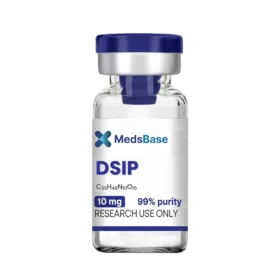 DSIP
DSIP
Kérdések és válaszok
DSIP
Kapcsolódó termékek
Vélemények
Még nincsenek vélemények