







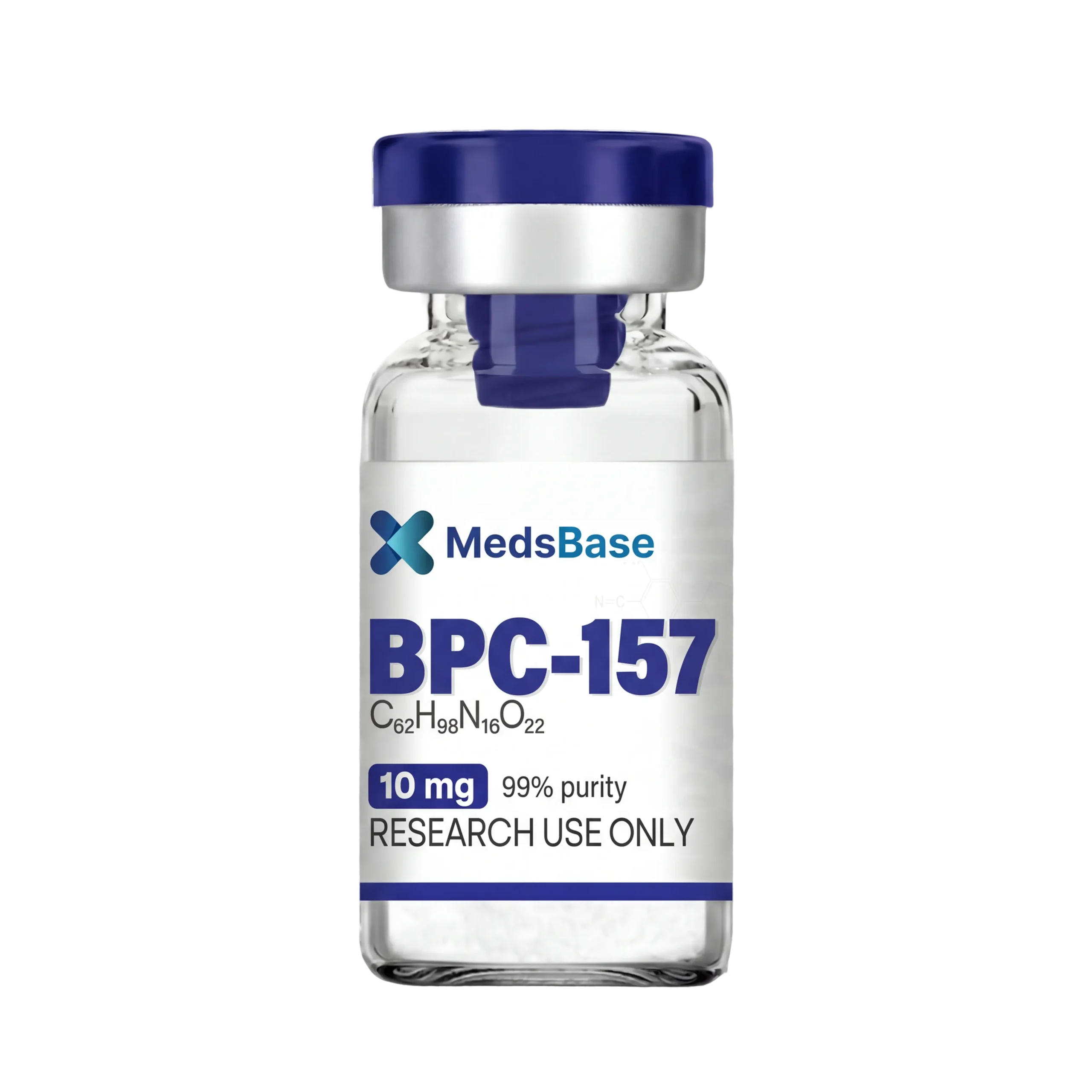
BPC-157
✅ Segíti a sejtek regenerációját
✅ Fokozza a szövetek újjáépülését
✅ Serkenti a fibroblasztok aktivitását
✅ Ösztönzi az angiogenezist
✅ Javítja az extracelluláris mátrix stabilitását
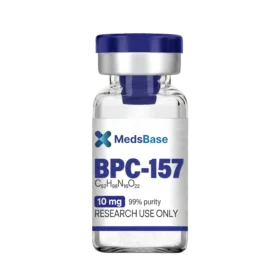
BPC-157 szintetikus peptidvegyületet tartalmaz.
✓ Orvosi ellenőrzés Morgan Ellis — Gyógyszerkutató · 8 év tapasztalat · Utolsó felülvizsgálat: 2026 május
Gyors válasz — Mi az a BPC-157?
BPC-157 (Body Protection Compound 157) egy 15 aminosavból álló szintetikus pentadekapeptid, amely egy védő gyomri fehérjéből származik. Közzétett preklinikai kutatásokban következetes hatásokat mutatott az ín, szalag, bél, izom és érszövet regenerációjára a VEGF, nitrogén-monoxid és növekedési hormon-receptor jelátvitel révén. Csak laboratóriumi kutatási célra forgalmazzák, liofilizált formában, 2 mg és 10 mg közötti kiszerelésben.
📦 Minden rendelést fedez a Újraküldési Garancia — ha a csomagod nem érkezik meg 20 munkanapon belül, újraküldjük.
| Specifikáció | Részlet |
|---|---|
| CAS szám | 137525-51-0 |
| Molekuláris képlet | C62H98N16O22 |
| Molekulatömeg | 1419.55 Da |
| Szekvencia | Gly-Glu-Pro-Pro-Pro-Gly-Lys-Pro-Ala-Asp-Asp-Ala-Gly-Leu-Val (GEPPPGKPADDAGLV) |
| Forma | Liofilizált por (vagy a szállított formában) |
| Tisztaság | ≥99% (HPLC-vel ellenőrizve, COA igény szerint) |
| Tárolás | Liofilizált: 2–8 °C (hűtőszekrény) munkakészletként; −20 °C hosszú távú tárolásra lezáratlan üvegek esetén. Rekonstituált: 2–8 °C, használat ~30 napon belül. Védjük a fénytől. Ne fagyassza-válassza fel az újraállított oldatot. |
| Oldhatóság | Baktériumstatikus víz (ajánlott) vagy steril víz rövidebb használatra |
| Kutatási célra | Csak laboratóriumi kutatási célra. Nem használható humán vagy állatgyógyászati diagnosztikai vagy terápiás célra. |
Mi az a BPC-157?
BPC-157 a rövidítése Body Protection Compound 157, nek, egy 15 aminosavból álló szintetikus pentadekapeptid, amely eredetileg az emberi gyomornedvben található nagyobb védőfehérje egy fragmentumaként izolált. A legtöbb peptiddel ellentétben stabil a gyomorsavban, ami miatt gyakori tárgya az orális beadású kutatásoknak rágcsálómodellekben, a szubkután úton kívül. A BPC-157 az egyik legszélesebb körben tanulmányozott gyógyulási kutatási peptid a preklinikai irodalomban, közzétett eredményekkel az ín, szalag, bélbarriér, vázizom, csont és érszövet területén.
A peptid szekvencia GEPPPGKPADDAGLV, molekulatömege körülbelül 1,419 Da, empirikus képlete C62H98N16O22. BPC-157 nagy tisztaságú, liofilizált por formájában kapható, amelyet bakteriosztatikus vízzel kell rekonstituálni. A BPC-157 laboratóriumi kutatási célra szolgál és nem szánható humán vagy állatgyógyászati diagnózisra vagy terápiára. A mechanizmus mélyebb megértéséért, publikált kísérleti részletekért és kutatási dózis-megfontolásokért tekintse meg teljes BPC-157 kutatási útmutató.
Hatásmechanizmus — Három átfedő gyógyulási út
Ami a BPC-157-et megkülönbözteti az egyszerű útvonalú peptidektől, az az, hogy egyidejűleg hat három különböző jelátviteli útvonalon, mindegyik hozzájárul a publikált kutatásokban megfigyelt szövetregenerációs fenotípushoz:
- Angiogenezis / VEGF-fokozódás — A BPC-157 fokozza a vascularis endoteliális növekedési faktor receptor 2 (VEGFR2) expresszióját a sérült szövetben, elősegítve az új kapillárisok kialakulását. Ez javítja a helyi vérátömlést a javulási helyeken, ami a tendon, ligamentum és izomgyógyulás sebességét meghatározó lépés.
- Nitrogén-monoxid (NO) út — A BPC-157 fokozza az endotél nitrogén-monoxid szintáz (eNOS) aktivitását és védi az ér endotéljét az oxidatív károsodástól. A portális hipertenzió, szisztémás vaszkonstrikció és gyomorfekély patkánymodellekben ez a hatás központi szerepet játszik a vegyület védő hatásában.
- Növekedési hormon receptor upreguláció — A BPC-157 növeli a növekedési hormon receptor (GHR) expresszióját fibroblasztokon és tenocitákon, ezzel fokozva a I. típusú kollagén szintézist. Úgy gondolják, hogy ez a mechanizmus áll az Achilles-ín és a mediális collaterális ligament transzekciós modellekben megfigyelt ín-erősödés mögött.
Mivel ez a három út összpontosít a sérült szövetre, a BPC-157 gyorsabb és teljesebb gyógyulást eredményez, mint az egyutas beavatkozások ugyanabban a modellben. Emellett jelentősen jól tolerált a publikált dózistartományban, és a toxikológiai kutatások szerint minimális off-target jelzés figyelhető meg.
Közzétett kutatási alkalmazások
A BPC-157 laboratóriumi kutatási kontextusban használható a következő területeken:
- Ín- és ligament sérülés gyógyulása — Achilles-ín transzekció, mediális collaterális ligament ruptúra, rotátor köpeny szakadás patkány modellek (Chang et al., J Appl Physiol 2011; Staresinic et al., J Orthop Res 2003)
- Bélbarrier integritás és fekélykutatás — gyomorfekély, colitis és gyulladásos bélbetegség modellek; a BPC-157 gyomoreredetű származása mechanikailag releváns itt (Sikiric et al., Curr Med Chem 2011)
- Vázizom regeneráció — poszt-traumás gyógyulási kinetika, mioblaszt proliferáció és miofiber képződés kutatása
- Ízület és porc kutatás — osteoarthritises patkány modellek, porcmatrix összetétel, szinovialis gyulladás
- Vascularis angiogenezis — új kapilláris képződés és perfúzió a sérült szöveti területeken
- Csontgyógyulás — törés kallusz képződés osteotómiás és csontdefektus kutatási modellekben
- Összehasonlító gyógyulási kutatás — összehasonlítás más gyógyulási peptidekkel, különösen TB-500 (Thymosin Beta-4) mint a kanonikus szisztémás gyógyulási összehasonlító alap. Lásd a BPC-157 vs TB-500 összehasonlítás teljes összehasonlító elemzésért.
A BPC-157 helyének átfogó bemutatásáért a gyógyulási peptid térképén, lásd a legjobb peptidek izomregenerációhoz klusterszócikk és GHK-Cu rézpeptid mint kiegészítő anti-aging kutatási vegyület. Tekintse meg a teljes kutatási peptidek katalógust kapcsolódó vegyületekért.
Elérhető erősségek és koncentrációk
A MedsBase a BPC-157-t következő liofilizált ampulla méretekben kínálja. Minden változat 10, 20 és 30 db-os csomagolásban érhető el teljes rekonstitúciós útmutatóval:
| Ampulla erőssége | Tipikus felhasználási terület | Csomagméret |
|---|---|---|
| 2 mg | Rövid kutatási protokollok, pilot dózisozás, titrálás | 10, 20 vagy 30 ampulla |
| 5 mg | Szabványos kutatási erősség, leggyakrabban rendelt | 10, 20 vagy 30 ampulla |
| 10 mg | Hosszabb kutatási protokollok, legkedvezőbb mg-ár | 10, 20 vagy 30 ampulla |
Mindhárom erősség ugyanazon kémiai formában (liofilizált por, 99%+ HPLC tisztaság) kapható. A magasabb mg-os ampulláknál kisebb rekonstitúciós térfogat szükséges egységdózisonként, ami előnyös, ha a kutatók minimalizálni kívánják az injekciós térfogatot rágcsáló protokollokban.
Hogyan hasonlít össze — BPC-157 vs TB-500
A BPC-157 és TB-500 a két leggyakrabban említett gyógyulást elősegítő peptid. Gyakran párhuzamosan tanulmányozzák őket, mert kiegészítő, nagyrészt át nem fedő mechanizmusokon keresztül hatnak. Számos preklinikai protokoll inkább kombinálja őket, mint hogy külön-külön alkalmazná.
| Kritérium | BPC-157 | TB-500 (Thymosin Beta-4) |
|---|---|---|
| Hossz | 15 aminosav (pentadekapeptid) | 43 aminosav (timusz peptid) |
| Elsődleges mechanizmus | VEGF + NO + GH receptor upreguláció | G-aktin szekvesztáció, sejtvándorlás |
| Eloszlás | Injekciós helyen inkább lokalizált | Szisztémás, széles körben elterjed |
| Tipikus kutatási adag | 250–500 µg, naponta 1–2 alkalommal | 2–2,5 mg, hetente 2 alkalommal |
| Legjelentősebb kutatási eredmény | Ín, szalag, bélgát | Szív, szisztémás izom, érrendszer |
| Stackelés | Gyakran együtt alkalmazzák a TB-500-val kutatási célból | Gyakran együtt alkalmazzák a BPC-157-rel kutatási célból |
A teljes módszertani összehasonlításért, beleértve az adagolási protokollokat és azt, hogy a kutatók mikor választják az egyiket a másik helyett, olvassa el BPC-157 vs TB-500: melyik gyógyító peptid a gyógyulási céljaihoz.
Tárolás és rekonstitúció
Rekonstitúció előtt: a liofilizált üvegeket hűtőszekrényben 2–8 °C-on tárolja eredeti csomagolásukban. A liofilizált BPC-157 e körülmények között akár 36 hónapig is stabil marad. Kerülje a por állapotú anyag fagyasztás-olvadás ciklusait.
Rekonstitúciós eljárás: a bakteriosztatikus vizet a peptid üveg oldalfalánál (nem közvetlenül a liofilizált kockára) fecskendezze be a fenti hígítási táblázat szerint. Óvatosan keverje – ne nem rázuk meg – és hagyjunk 2–5 percet a teljes oldódásra. A helyesen rekonstituált oldat tiszta és színtelen legyen.
Rekonstitúció után: hűtőszekrényben 2–8 °C-on tárolja és 30 napon belül használja fel az optimális stabilitás érdekében. Ne fagyassza vissza az újrakonstituált oldatot – a fagyasztás-olvadás ciklusok károsítják a peptid integritását. Dobja el minden olyan üveget, amelyben ködösség, csapadék vagy színváltozás figyelhető meg.
Gyakran Ismételt Kérdések
Mire használják a BPC-157-et a kutatásban?
A BPC-157-et laboratóriumi kutatásokban használják az ín- és szalaggyógyulás, a bélgát integritás, a vázizom-regeneráció, a vasculáris angiogenezis, az gyulladáscsökkentő jelátvitel és a csontgyógyulás vizsgálatára. nem Az FDA által nem jóváhagyott, és itt kizárólag laboratóriumi kutatási célra értékesített.
Miben különbözik a BPC-157 a TB-500-tól?
A BPC-157 egy 15 aminosavból álló pentadekapeptid, amely a gyomornedvből származik, és főleg lokálisan hat a VEGF, a nitrogén-monoxid és a növekedési hormon receptor útjain keresztül. A TB-500 egy 43 aminosavból álló thymus peptide, amely szisztémásan hat a G-aktin kötés és a sejtmigráció révén. A kettőt gyakran együtt alkalmazzák kutatási célból, mert mechanizmusaik kiegészítőek, nem pedig átfedőek.
Mi a tipikus BPC-157 kutatási adag?
A publikált preklinikai protokollok általában 250–500 mcg adagot használnak alkalmanként, naponta egyszer vagy kétszer 4–8 hetes ciklusokban. Egy 5 mg-os palack, amelyet 2,0 mL baktériumellenes vízzel rekonstituálnak, 2,5 mg/mL koncentrációt eredményez — egy U-100 fecskendőn 10 osztás 250 mcg-nak felel meg.
Az FDA jóváhagyta a BPC-157-et?
Nem. A BPC-157-et sem az FDA, sem az EMA, sem az MHRA, sem más szabályozó hatóság nem hagyta jóvá humán terápiás célra. Az összes BPC-157, amelyet csak kutatási célra forgalmazó beszállítók árulnak, laboratóriumi vizsgálatokra szolgál, és nem szabad embereknek beadni.
Hogyan kell tárolni a BPC-157-et?
Liofilizált ampullák: 2–8 °C-on hűtve, eredeti csomagolásban, akár 36 hónapig stabil. Rekonstituált oldat: 2–8 °C-on hűtve, 30 napon belül használja fel. Ne fagyassza a rekonstituált oldatot – a fagyasztás-olvadás ciklusok károsítják a peptidet.
Hogyan kell rekonstituálni a BPC-157-et?
Kövesse a fenti rekonstituciós referencia táblázatot. Adjon baktériumellenes vizet a palack oldalfalán (ne közvetlenül a liofilizált anyagra), óvatosan keverje össze, és várjon 2–5 percet a teljes oldódásig. Ne nem rázzuk a palackot.
Milyen erősségű készítményeket tart készleten a MedsBase?
A MedsBase 2 mg, 5 mg és 10 mg liofilizált palackokban forgalmaz BPC-157-et. Minden erősség elérhető 10, 20 vagy 30 palackos csomagolásban. Az összes palack 99%+ HPLC tisztaságú, és analízisigazolás igényelhető.
A BPC-157 és a TB-500 együtt alkalmazható kutatásban?
Igen. A BPC-157-et és a TB-500-at gyakran együtt alkalmazzák preklinikai kutatásokban, mert mechanizmusaik kiegészítőek. A BPC-157 főleg lokálisan hat a növekedési faktorok regulációján keresztül; a TB-500 szisztémásan hat a G-aktin kötés és a sejtmigráció révén. A kombinált protokollok leírását megtalálja a összehasonlító útmutatónkban.
A BPC-157 mellékhatásokat okoz kutatásban?
A rágcsálófajokon végzett előklinikai kutatások szerint a tipikus kutatási dózisoknál kiemelkedően tisztaságos biztonsági profilt mutat, következetes célzaton kívüli jelek nélkül és jó tolerálhatósággal. Hosszú távú humán biztonsági adatok nem állnak rendelkezésre, mivel az emberi klinikai vizsgálatok még nem fejeződtek be.
Mi a különbség a szájon át adagolt és injekciós BPC-157 között a kutatásban?
A BPC-157 a gyomorsavban szokatlanul stabil a gyomornedvből származó eredete miatt, ezért a szájon át történő adagolás megvalósítható a rágcsálók protokolljaiban (a legtöbb peptiddel ellentétben). A bőr alatti injekció továbbra is a leggyakoribb kutatási útvonal a szakirodalomban, mivel reprodukálhatóbb plazmakoncentrációt eredményez.
Mi a BPC-157 felezési ideje?
Előklinikai kutatások szerint a BPC-157 plazmafelezési ideje bőr alatti adagolás után körülbelül 4 óra. A rágcsálómodellekben végzett szájon át történő adagolású tanulmányok rövidebb szisztémás clearance-t, de a gastrointestinalis traktuson belül tartós helyi hatásokat mutatnak, ami a peptid szokatlan savstabilitásának tulajdonítható.
Mennyi idő alatt mutat hatást a BPC-157 az előklinikai kutatásban?
A legtöbb előklinikai tanulmány, amely a BPC-157-et használja in-, szalag- és bélkárosodási modellekben, mérhető szöveti szintű változásokat jelent 7–14 napon belül. Az időbeli lefutás a kutatási modelltől, a sérülés súlyosságától, az adagolás módjától és a vizsgálati tervben alkalmazott dózistól függ.
Rendelhető-e nemzetközi szállításra BPC-157?
Igen. A MedsBase világszerte szállít BPC-157-et a dedikált peptid szállítási hálózatunkon keresztül. A kizárólag peptidet tartalmazó rendelések jogosultak önálló peptid szállítási szolgáltatásunkra. Minden rendelés hőmérséklet-kontrollált csomagolásban, teljes nyomkövetéssel kerül kiszállításra.
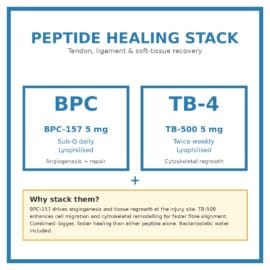
A BPC-157 in-, szalag- és lágy szöveti regenerációra szolgáló protokolljai általában a TB-500-pelettel párosulnak a szinergisztikus angiogén + citoszkeletális hatások érdekében; a csomagolt kezelési tervért látogasson el oldalunkra Peptide Gyógyító Stack (BPC-157 5 mg + TB-500 5 mg + bakteriostatikus víz) mind a liofilizált ampullákat, mind a rekonstitúciós vizet egy csomagban, 0 dolláros peptid-szállítási díj mellett.
Egyéb peptidok a regeneráció és teljesítmény kutatásához
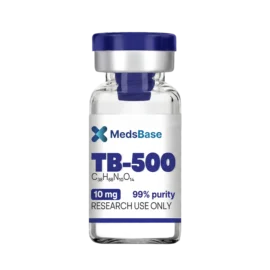
- TB-500 — Thymosin Beta-4 fragmentum — lágy szövetek és érrendszer regenerációs kutatás
- Ipamorelin — Szelektív ghrelin agonist — tiszta GH impulzus kortizol/prolaktin nélkül
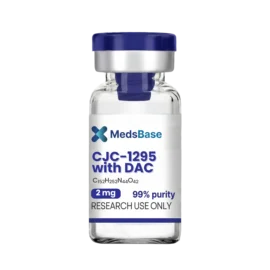
- CJC-1295 DAC-val — GHRH analóg meghosszabbított felezési idővel
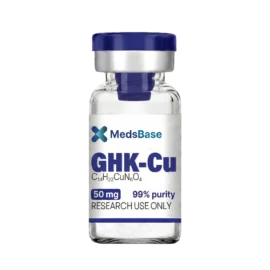
- GHK-Cu — Rézpeptid — bőr és kötőszövet regenerációs kutatás
- IGF-1 LR3 — Long-R3 IGF-1 analóg — anabolikus / regeneratív kutatás
További olvasnivaló
📖 Ismerd meg a peptid mögött álló kutatást
Olvasd el teljes, bizonyítékokon alapuló útmutatónkat: BPC-157 — mechanizmus, kísérleti adatok és kilátások. Leírja a hatásmechanizmust, publikált tanulmányadatokat, tipikus kutatási dózistartományokat, rekonstitúciós protokollokat, kombinálási lehetőségeket és biztonsági/ellenvételi megjegyzéseket.
További lehetőségek a Peptidek között
Rangsorolva a MedsBase legutóbbi rendelési adatai alapján — hogy ebben a kategóriában más vásárlók mit választanak.
| Erősség | 2 mg, 5 mg, 10 mg |
|---|---|
| Mennyiség | 10 üveg, 20 üveg, 30 üveg |
 BPC-157
Kérdések és válaszok
BPC-157
Kapcsolódó termékek
Vélemények
Még nincsenek vélemények