







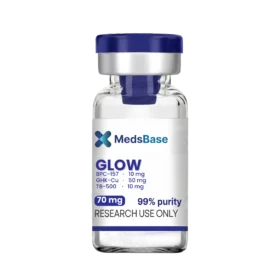
Mieszanka GLOW (BPC-157 10 mg + GHK-Cu 50 mg + TB-500 10 mg)
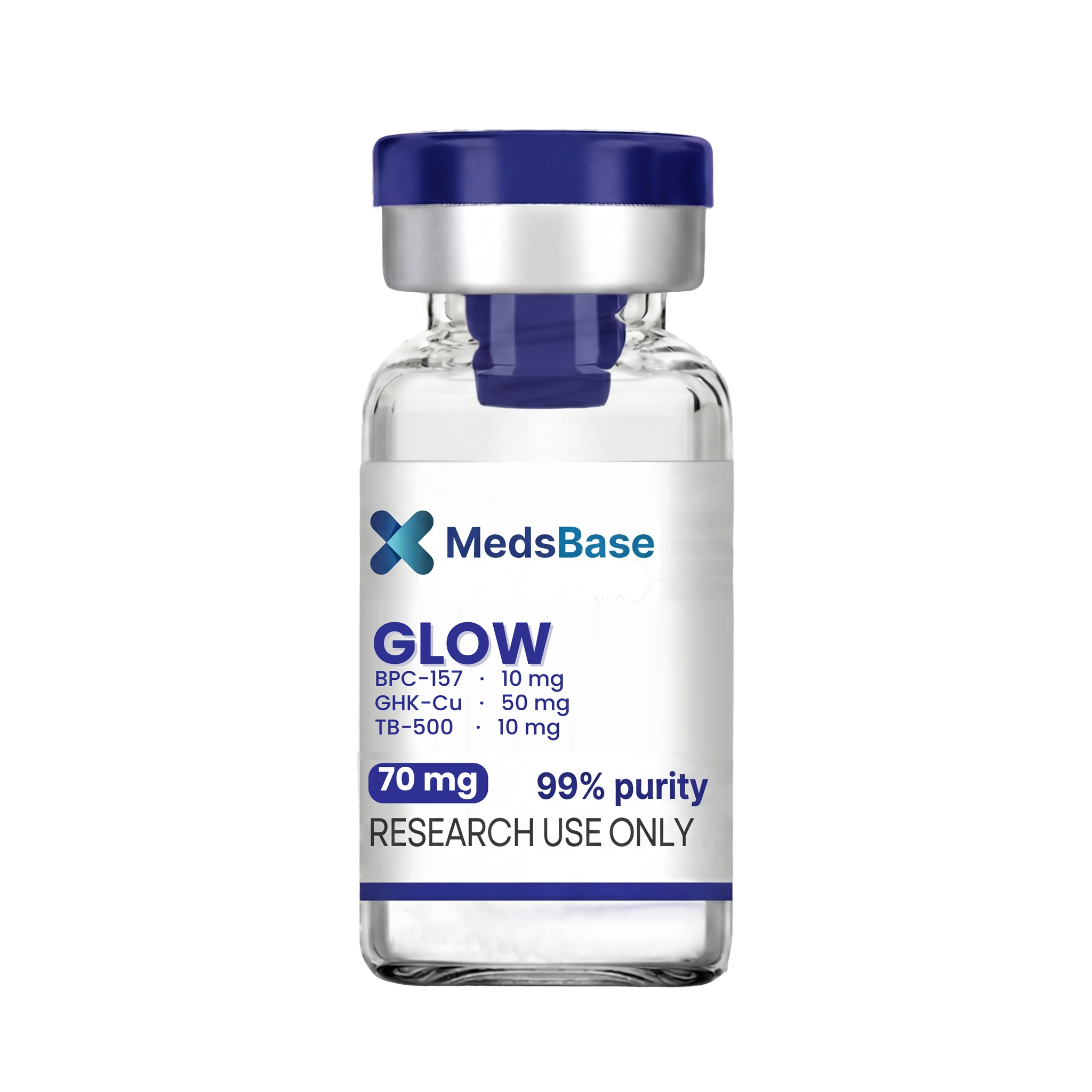
✅ Trójpeptydowa mieszanka regeneracyjna
✅ BPC-157 (10mg) + GHK-Cu (50mg) + TB-500 (10mg)
✅ Angiogeneza lokalna + remodelowanie skóry + systemowa migracja komórek
✅ Pojedyncza fiolka, pojedyncza rekonstytucja
✅ Łącznie 70mg peptydów na fiolkę
GLOW jest mieszanką peptydową o wspólnym składzie.
✓ Zweryfikowany medycznie przez Morgan Ellis — Badacz farmaceutyczny · 8 lat doświadczenia · Ostatnia weryfikacja: maj 2026
Krótka odpowiedź — co to jest GLOW?
GLOW to mieszanka trzech peptydów zawierająca BPC-157 10 mg, GHK-Cu 50 mg, i TB-500 10 mg w jednej liofilizowanej fiolce. Połączenie obejmuje trzy uzupełniające się mechanizmy regeneracyjne w jednym podaniu: miejscowe działanie angiogenne i sygnalizację czynników wzrostu przez BPC-157, remodeling skórny mediowany miedzią przez GHK-Cu oraz systemową migrację tkanek związaną z G-aktyną przez TB-500. Każda fiolka zawiera 70 mg całkowitej ilości peptydów wyłącznie do zastosowań laboratoryjnych.
📦 Każde zamówienie jest objęte naszą Polityka Gwarancji Ponownej Wysyłki — jeśli Twoja przesyłka nie dotrze w ciągu 20 dni roboczych, wysyłamy ją ponownie.
| Specyfikacja | Szczegóły |
|---|---|
| Skład | BPC-157 10 mg + GHK-Cu 50 mg + TB-500 10 mg na fiolkę (stosunek masowy 1:5:1, współformulowane) |
| Całkowita ilość peptydu na fiolkę | 70 mg całkowitej masy peptydów |
| Numery CAS składników | 137525-51-0 (BPC-157) / 49557-75-7 (GHK-Cu) / 77591-33-4 (TB-500 / tymozyna beta-4) |
| Profil mechanizmu | Angiogeneza mediowana VEGF (BPC-157) + remodeling skórny mediowany miedzią (GHK-Cu) + systemowa migracja tkanek związana z G-aktyną (TB-500) — trzy uzupełniające się szlaki regeneracyjne |
| Postać | Liofilizowany współformulowany proszek (lekko niebieski odcień związany z Cu)2+) |
| Czystość | ≥99% (każdy składnik zweryfikowany HPLC, COA na życzenie) |
| Przechowywanie | Liofilizowany: 2–8°C (lodówka) dla zapasu roboczego; −20°C do długotrwałego przechowywania nieotwartych fiolek. Roztwór po rekonstytucji: 2–8°C, użyj w ciągu ~30 dni. Chronić przed światłem. Nie zamrażaj i nie rozmrażaj roztworu po rekonstytucji. |
| Rozpuszczalność | Woda bakteriostatyczna (zalecana). Wszystkie trzy peptydy rekonstytuują się jednocześnie z tej samej fiolki; roztwór po rekonstytucji powinien zachować lekko niebieski odcień związany z Cu2+ GHK-Cu. |
| Do celów badawczych | Wyłącznie do użytku laboratoryjnego. Nie do stosowania w diagnostyce lub terapii u ludzi i zwierząt. |
Czym jest GLOW?
GLOW to badawcza mieszanka trzech peptydów w jednym preparacie, która łączy BPC-157 (Body Protection Compound 157), GHK-Cu (kompleks miedziowy Glycyl-Histidyl-Lysine, GHK-Cu) oraz TB-500 (fragment tymozyny beta-4, TB-500) w jednej liofilizowanej fiolce w stosunku masowym 1:5:1 — 10 mg BPC-157, 50 mg GHK-Cu i 10 mg TB-500 na fiolkę, co daje łączną masę peptydów 70 mg. Te trzy peptydy należą do najczęściej cytowanych związków w badaniach regeneracyjnych w literaturze naukowej, każdy działający na innej osi molekularnej: BPC-157 na lokalną angiogenezę i sygnalizację czynników wzrostu, GHK-Cu na remodeling skóry zależny od miedzi i sygnalizację antyoksydacyjną, a TB-500 na systemowe wiązanie G-aktyny i migrację komórek.
Strategiczne uzasadnienie dla mieszanki GLOW to uzupełniających się, nienakładających mechanizmach działanie na trzech osiach regeneracyjnych. Każdy składnikowy peptyd ma odrębny cel molekularny i wzór dystrybucji tkankowej, więc podanie łączne obejmuje szerszy zakres celów badawczych niż jakikolwiek pojedynczy składnik. Mieszanka jest przeznaczona do badań, które korzystają z jednoczesnej aktywacji wszystkich trzech szlaków — zastosowanie różniące się od projektów badawczych wymagających niezależnego dawkowania każdego peptydowego składnika.
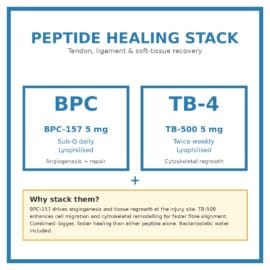
Dla badań wymagających niezależnego dawkowania każdego peptydu (różne dawki, różne schematy, różne nośniki), składniki są również dostępne jako osobne fiolki: BPC-157, GHK-Cu, oraz TB-500. Oddzielny zestaw trzech fiolek — Peptydowy zestaw regeneracyjny (BPC-157 + TB-500 + woda bakteriostatyczna dostarczane razem jako trzy osobne fiolki) — stanowi alternatywę dla badań wymagających elastyczności dawkowania poszczególnych składników. Mieszanka GLOW jest przeznaczona specjalnie do badań ze stałym stosunkiem masowym 1:5:1 i rekonstytucją w jednej fiolce.
GLOW jest dostarczany jako wysokoczysta liofilizowana mieszanka do rekonstytucji z wodą bakteriostatyczną. Zrekonstytuowany roztwór zachowuje lekko niebieski odcień od związanej Cu2+ składnika GHK-Cu — co stanowi użyteczny wskaźnik jakościowy, że koordynacja miedzi pozostała nienaruszona podczas liofilizacji i rekonstytucji. GLOW nie jest nie jest zatwierdzony zatwierdzony przez FDA, EMA, MHRA ani żadną inną główną agencję regulacyjną do stosowania terapeutycznego u ludzi jako połączenie ani jako którykolwiek z jego składników peptydowych. Badawczy GLOW sprzedawany tutaj jest dostarczany tylko do użytku laboratoryjnego i nie jest przeznaczony do podawania ludziom lub zwierzętom.
Mechanizm działania — trzy komplementarne ścieżki regeneracyjne
To, co wyróżnia formułę GLOW pod względem farmakologicznym, to profil mechanizmu tri-osiowego — każdy składnik aktywuje zasadniczo inną ścieżkę regeneracyjną, a te trzy nie nakładają się na siebie na poziomie molekularnym. Opublikowane badania dotyczące każdego składnika szczegółowo określiły mechanizm działania; połączenie po prostu dostarcza wszystkie trzy w jednej aplikacji:
- BPC-157 (10 mg) — sygnalizacja VEGF/NO/receptorów GH w celu naprawy lokalnych tkanek — 15-aminokwasowy pentadekapeptyd pochodzący z soku żołądkowego zwiększa ekspresję VEGFR2 (pobudzając tworzenie nowych naczyń włosowatych w miejscach uszkodzeń), wzmacnia aktywność syntazy tlenku azotu w śródbłonku (chroniąc śródbłonek naczyniowy) i zwiększa ekspresję receptorów hormonu wzrostu na fibroblastach i tenocytach (pobudzając syntezę kolagenu). Najczęściej cytowany sygnał badawczy: regeneracja ścięgien, więzadeł, bariery jelitowej i mięśni szkieletowych. Działa bardziej lokalnie niż systemowo w miejscu wstrzyknięcia.
- GHK-Cu (50 mg) — miedzio-zależna przebudowa skóry i sygnalizacja antyoksydacyjna — Jon Cu2+— skoordynowany tripeptyd dostarcza miedź jako kofaktor enzymatyczny dla lizylooksydazy (sieciowanie kolagenu/elastyny) i dysmutazy ponadtlenkowej (buforowanie stresu oksydacyjnego), jednocześnie sygnalizując na fibroblastach skóry i keratynocytach. Najczęściej cytowany sygnał badawczy: przebudowa skóry, gojenie ran, działanie przeciwstarzeniowe w badaniach tkanki łącznej, wsparcie mieszków włosowych, farmakologia osi miedzi. Wyższe dawkowanie (50 mg w mieszance) odzwierciedla większe dawki typowe dla badań nad peptydami miedzi w porównaniu z dawkami w zakresie mikrogramów dwóch pozostałych składników.
- TB-500 (10 mg) — sekwestracja G-aktyny i systemowa migracja komórek — 43-aminokwasowy peptyd grasicy jest kanonicznym systemowym związkiem regeneracyjnym, wiążącym monomeryczną G-aktynę i modulującym dynamikę aktyny, aby pobudzić migrację komórek, szczególnie w miejscach uszkodzeń. Najczęściej cytowany sygnał badawczy: systemowa regeneracja mięśni i serca, naprawa naczyń krwionośnych oraz szeroka dystrybucja systemowa, która uzupełnia bardziej lokalne działanie BPC-157. Działa jako ’systemowe ramię“ w stosunku do ”lokalnego ramienia’ BPC-157.
Te trzy ścieżki są mechanistycznie komplementarne, a nie redundantne: BPC-157 działa lokalnie w miejscu uszkodzenia, TB-500 dystrybuuje się systemowo i wspiera globalną migrację komórek, a GHK-Cu zapewnia dostarczanie kofaktora miedziowego i sygnalizację specyficzną dla tkanki skórnej. Jednoczesne podawanie tych trzech w modelach badawczych obejmuje angiogenezę (BPC-157), regenerację systemową (TB-500) i przebudowę tkanki skórnej (GHK-Cu) — szersze spektrum punktów końcowych badań niż jakikolwiek pojedynczy składnik. Wszystkie trzy peptydy mają dobrze tolerowany profil w opublikowanych badaniach przedklinicznych, a protokoły kombinacyjne są opisane w niektórych opublikowanych modelach badawczych wieloosiowej regeneracji tkanek.
Opublikowane zastosowania badawcze
Badania nad formułą GLOW są stosowane w kontekstach laboratoryjnych badających:
- Wieloosiowe badania nad regeneracją tkanek — modele przedkliniczne łączące systemowe i lokalne punkty końcowe regeneracji; angiogeneza + migracja komórek + przebudowa skóry właściwej w pojedynczych projektach badawczych
- Badania nad gojeniem ran — modele ran skórnych (pełnej grubości, częściowej grubości, oparzeniowych), kinetyka kurczenia się rany, tworzenie tkanki ziarninowej, charakterystyka tkanki bliznowatej; jedno z bardziej kompleksowych podejść wieloosiowych
- Regeneracja ścięgien, więzadeł i tkanek miękkich — modele przecięcia ścięgna Achillesa u gryzoni, badania nad pęknięciem więzadła pobocznego przyśrodkowego; opublikowana literatura badawcza dotycząca BPC-157 + TB-500 jest obszerna, a dodatek GHK-Cu zapewnia wsparcie dla miedzi jako kofaktora w sieciowaniu kolagenu
- Badania nad przebudową skóry i skóry właściwej — synteza kolagenu i elastyny, proliferacja fibroblastów skóry właściwej, badania nad fotostarzeniem; komponent GHK-Cu dominuje w tej dziedzinie badań
- Badania porównawcze dotyczące koformulacji — porównanie bezpośrednie z samodzielnymi BPC-157, TB-500, oraz GHK-Cu ramami; analiza efektów addytywnych vs synergicznych w kombinacji trójosiowej
- Badania nad regeneracją naczyń i serca — połączony sygnał angiogenny (BPC-157) i migracyjny (TB-500) jest dobrze dostosowany do modeli regeneracji naczyń i niedokrwienia serca
- Badania nad przeciwstarzeniowymi i długowiecznością — opublikowane prace dotyczące wpływu peptydów miedziowych na starzenie się skóry i tkanki łącznej, szczególnie istotne dla składnika GHK-Cu; w połączeniu z BPC-157 + TB-500 dla szerszych projektów badań nad starzeniem się tkanek
- Badania nad stanem zapalnym i stresem oksydacyjnym — rola miedzi jako kofaktora dysmutazy ponadtlenkowej oraz modulujące stan zapalny efekty BPC-157 i TB-500 zapewniają wieloosiowe pokrycie badań przeciwzapalnych.
Szerszy kontekst można znaleźć w naszych indywidualnych BPC-157, GHK-Cu, oraz TB-500 strony produktów dla farmakologii na poziomie składników, Peptydowy zestaw regeneracyjny dla alternatywnego zestawu trzech oddzielnych fiolek (BPC-157 + TB-500 + woda bakteriostatyczna) oraz siostrzanego peptydu miedziowego AHK-Cu dla badań dotyczących osi włosa. Przeglądaj pełną katalog peptydów badawczych w poszukiwaniu powiązanych związków.
Dostępne konfiguracje
MedsBase oferuje mieszankę GLOW w pojedynczej koformulacji: 10 mg BPC-157 + 50 mg GHK-Cu + 10 mg TB-500 na fiolkę (stosunek masowy 1:5:1, łącznie 70 mg peptydów). Fiolka dostępna jest w opakowaniach po 10 lub 20 fiolek z pełnymi wytycznymi dotyczącymi rekonstytucji:
| Skład fiolki | Typowy przypadek użycia w badaniach | Rozmiary opakowań |
|---|---|---|
| 10 mg BPC-157 + 50 mg GHK-Cu + 10 mg TB-500 | Standardowa mieszanka do badań regeneracyjnych trzech osi — angiogeneza + remodelowanie skóry + systemowa migracja komórek w jednym podaniu | 10 lub 20 fiolek |
Wszystkie trzy składniki dostarczane są w czystości ≥99% w HPLC (każdy zweryfikowany indywidualnie) i wstępnie zmieszane w tej samej liofilizowanej fiolce. Ponieważ trzy peptydy mają różne zakresy dawek badawczych i różne role w mieszance, stosunek masowy 1:5:1 jest ustalany podczas produkcji. Badacze wymagający innych proporcji powinni używać oddzielnych BPC-157, GHK-Cu, oraz TB-500 fiolki zamiast tego. W porównaniu z zakupem trzech składników osobno, koformulacja GLOW oferuje znaczącą oszczędność kosztów i praktyczną wygodę rekonstytucji z jednej fiolki w stałym stosunku badawczym.
Porównanie — mieszanka GLOW a stos leczniczych peptydów
MedsBase oferuje dwa wielopeptydowe produkty badawcze, które łączą tę samą szerszą farmakologię peptydów leczniczych w różnych formatach opakowań. Wybór między nimi zależy od wymagań projektu badawczego:
| Kryterium | Mieszanka GLOW | Peptydowy zestaw regeneracyjny |
|---|---|---|
| Format opakowania | Pojedyncza fiolka, koformulowana | Trzy oddzielne fiolki wysyłane razem |
| Skład | BPC-157 10 mg + GHK-Cu 50 mg + TB-500 10 mg | BPC-157 5 mg + TB-500 5 mg + woda bakteriostatyczna |
| Liczba składników | Trzy peptydy (dodaje peptyd miedziowy) | Dwa peptydy + rozcieńczalnik (bez peptydu miedziowego) |
| Elastyczność dawkowania | Stały stosunek masowy 1:5:1 na fiolkę | Niezależność dawkowania dla każdego składnika |
| Rekonstytucja | Pojedyncze zdarzenie rekonstytucji | Rekonstytucja na fiolkę |
| Przypadek użycia | Wygoda + badania w stałej proporcji; szersze pokrycie 3-osiowe, w tym remodelowanie skóry | Badania z elastycznym dawkowaniem; klasyczne skupienie na gojeniu 2-osiowym (tylko BPC + TB) |
Projekty badawcze wymagające elastycznego dawkowania poszczególnych składników lub niepotrzebujące składnika miedziowego powinny używać Peptydowy zestaw regeneracyjny. Projekty badawcze korzystające z szerszego pokrycia 3-osiowego (w tym remodelowania tkanki skórnej) i akceptujące stałą proporcję masową 1:5:1 powinny używać mieszanki GLOW. Obie opcje są wstępnie przygotowane pod najbardziej cytowaną farmakologię badań nad peptydami gojącymi — różnica polega na formacie opakowania i zakresie składników.
Przechowywanie i rekonstytucja
Przed rekonstytucją: Przechowuj liofilizowane fiolki w lodówce w temperaturze 2–8°C w oryginalnym opakowaniu jako krótkoterminowy zapas roboczy. Do długoterminowego przechowywania niezamkniętych fiolek zamrażaj w temperaturze −20°C. Liofilizowana mieszanka GLOW jest stabilna w lodówce do 24 miesięcy i w zamrażarce do 36 miesięcy. Wszystkie trzy składniki peptydowe mają dobrze dopasowane profile stabilności w stanie liofilizowanym. Unikaj cykli zamrażania-odmrażania liofilizowanego proszku.
Procedura rekonstytucji: Wstrzyknij wodę bakteriostatyczną wzdłuż ścianki fiolki (nie bezpośrednio na liofilizowany proszek). Ponieważ fiolka zawiera 70 mg całkowitej masy peptydów, rekonstytucja 2,0 mL daje robocze stężenie peptydów 35 mg/mL — odpowiadające 5 mg/mL BPC-157, 25 mg/mL GHK-Cu i 5 mg/mL TB-500. Delikatnie wymieszaj — nie otrzymuje, przechowuje, nie ma dostępu ani wglądu w dane osobowe przekazywane przez Ciebie dostawcy płatności. Proces weryfikacji odbywa się w całości na platformie dostawcy i podlega jego własnej polityce prywatności oraz standardom bezpieczeństwa. wstrząsaj — i odczekaj 2–5 minut do całkowitego rozpuszczenia. Prawidłowo rekonstytuowany roztwór powinien być klarowny z lekko niebieski odcień związanego Cu2+ składnika GHK-Cu — kolor jest użytecznym wskaźnikiem jakościowym, że koordynacja miedzi pozostała nienaruszona podczas liofilizacji i rekonstytucji. Zmętnienie, osad lub brak niebieskiego odcienia wskazują na problem; należy wyrzucić i spróbować ponownie.
Po rekonstytucji: przechowywać w lodówce w temperaturze 2–8°C i użyć w ciągu 30 dni dla optymalnej stabilności wszystkich trzech składników. Nie zamrażać roztworu po rekonstytucji — cykle zamrażania i rozmrażania degradują integralność peptydów i mogą wpływać na koordynację miedzi. Chronić przed bezpośrednim światłem przez cały czas. Wyrzucić każdą fiolkę wykazującą zmętnienie, osad lub przebarwienie wykraczające poza oczekiwany lekko niebieski odcień.
Najczęściej zadawane pytania
Do czego służy GLOW w badaniach?
GLOW jest stosowany w badaniach laboratoryjnych dotyczących wieloosiowej regeneracji tkanek — konkretnie protokołów, które korzystają z jednoczesnej aktywacji trzech uzupełniających się szlaków regeneracyjnych (angiogeneza BPC-157 + remodelacja skórna GHK-Cu + migracja komórkowa ogólnoustrojowa TB-500) w jednym podaniu. Typowe konteksty badań obejmują modele gojenia ran, regenerację ścięgien i tkanek miękkich, remodelację skóry, naprawę naczyń, badania przeciwstarzeniowe tkanki łącznej oraz porównawczą farmakologię koformulacji. Sprzedawany tutaj GLOW do celów badawczych to otrzymuje, przechowuje, nie ma dostępu ani wglądu w dane osobowe przekazywane przez Ciebie dostawcy płatności. Proces weryfikacji odbywa się w całości na platformie dostawcy i podlega jego własnej polityce prywatności oraz standardom bezpieczeństwa. zatwierdzony przez FDA i dostarczany wyłącznie do badań laboratoryjnych.
Co znajduje się w fiolce GLOW?
Każda fiolka zawiera 10 mg BPC-157, 50 mg GHK-Cu i 10 mg TB-500, skoformulowane i liofilizowane razem jako jeden proszek. Całkowita masa peptydów na fiolkę: 70 mg. Stosunek masowy 1:5:1 odzwierciedla różne zakresy dawek istotne dla badań trzech składników (BPC-157 i TB-500 są stosowane w dawkach od mikrogramów do niskich miligramów; GHK-Cu jest stosowany w dawkach od niskich do średnich miligramów). Wszystkie trzy peptydy rekonstytuują się jednocześnie po dodaniu wody bakteriostatycznej.
Czym GLOW różni się od Peptide Healing Stack?
Oba produkty łączą pokrewne peptydy gojące, ale w różnych formatach pakowania. GLOW to pojedyncza fiolka z trzema peptydami (BPC-157 + GHK-Cu + TB-500) skoformulowanymi razem w stałym stosunku 1:5:1. Peptydowy zestaw regeneracyjny to trzy oddzielne fiolki (BPC-157 + TB-500 + woda bakteriostatyczna) wysyłane w jednej przesyłce. GLOW dodaje komponent peptydowo-miedziowy i konsoliduje rekonstytucję; Peptide Healing Stack oferuje niezależność dawkowania poszczególnych składników bez komponentu peptydowo-miedziowego. Wybór zależy od tego, czy Twoje badania wymagają osi remodelacji skórnej (GLOW) czy elastyczności dawkowania poszczególnych składników (Peptide Healing Stack).
Czym GLOW różni się od pojedynczych składników peptydowych?
Składniki są również dostępne jako osobne produkty: BPC-157, GHK-Cu, oraz TB-500. Pojedyncze fiolki umożliwiają kontrolę dawkowania dla każdego składnika, różne harmonogramy dla każdego peptydu oraz różne formuły nośników dla każdego peptydu. Formuła GLOW w postaci mieszanki ustala stosunek dawkowania na 1:5:1 masowo, ale oferuje wygodę (jedno rozpuszczenie, jedna iniekcja) i umiarkowane oszczędności kosztów w porównaniu z zakupem trzech składników osobno.
Jaka jest typowa dawka badawcza GLOW?
Dawka zależy od celu badawczego. Ostrożne protokoły stosują 0,04 ml roztworu o stężeniu 35 mg/ml (~200 mcg BPC-157 + 1 mg GHK-Cu + 200 mcg TB-500 na podanie) kilka razy w tygodniu. Protokoły z wyższymi dawkami skalują proporcjonalnie w ramach ustalonego stosunku 1:5:1. Badacze wymagający innych proporcji powinni używać pojedynczych składników zamiast mieszanki.
Czy GLOW jest zatwierdzony przez FDA?
Nie. GLOW nie jest zatwierdzony przez FDA, EMA, MHRA ani żadną inną większą agencję regulacyjną jako produkt kombinowany. Żaden z trzech składników (BPC-157, GHK-Cu, TB-500) nie ma również zatwierdzenia FDA do stosowania terapeutycznego u ludzi. GHK-Cu jest włączony do niektórych produktów kosmetycznych w ramach regulacji kosmetyków, ale żaden z tych peptydów nie jest zatwierdzony jako lek. Wszystkie produkty GLOW sprzedawane przez dostawców wyłącznie do celów badawczych są przeznaczone do badań laboratoryjnych i nie powinny być podawane ludziom.
Dlaczego roztwór GLOW ma niebieski odcień?
Słaby niebieski odcień pochodzi od związanej miedzi2+ w składniku GHK-Cu — konkretnie od przejść elektronowych d-d miedzi w kwadratowo-płaszczyznowym środowisku koordynacyjnym stworzonym przez tripeptyd Gly-His-Lys. Kolor jest użytecznym wskaźnikiem jakościowym nienaruszonej koordynacji miedzi: prawidłowo rozpuszczony roztwór GLOW powinien wykazywać słaby widoczny niebieski odcień; bezbarwny lub blady roztwór sugerowałby utratę miedzi lub degradację składnika GHK-Cu. Pozostałe dwa peptydy (BPC-157, TB-500) nie wpływają na kolor.
Jak należy przechowywać GLOW?
Liofilizowane fiolki: schłodzone w temperaturze 2–8°C do krótkotrwałego przechowywania lub −20°C do długotrwałego przechowywania nieotwartych fiolek. Rozpuszczony roztwór: schłodzony w temperaturze 2–8°C, należy zużyć w ciągu 30 dni. Nie zamrażać rozpuszczonego roztworu — cykle zamrażania-rozmrażania degradują integralność peptydów i mogą nieproporcjonalnie wpłynąć na koordynację miedzi lub stabilność szkieletu peptydowego. Chronić przed bezpośrednim światłem przez cały czas.
Jak rozpuścić GLOW?
Postępuj zgodnie z powyższą procedurą rekonstytucji. Dodaj wodę bakteriostatyczną po ściance fiolki (nie bezpośrednio na liofilizowany proszek), delikatnie obróć i odczekaj 2–5 minut do całkowitego rozpuszczenia. Nie otrzymuje, przechowuje, nie ma dostępu ani wglądu w dane osobowe przekazywane przez Ciebie dostawcy płatności. Proces weryfikacji odbywa się w całości na platformie dostawcy i podlega jego własnej polityce prywatności oraz standardom bezpieczeństwa. Wstrząsnąć fiolkę. Wszystkie trzy peptydy rozpuszczają się jednocześnie z tej samej fiolki. Prawidłowo rozpuszczony roztwór jest klarowny z lekkim niebieskim odcieniem. Dla fiolki + 2,0 ml rozpuszczalnika, stężenie robocze wynosi 5 mg/ml BPC-157, 25 mg/ml GHK-Cu i 5 mg/ml TB-500.
Jakie konfiguracje oferuje MedsBase?
MedsBase oferuje GLOW w jednej mieszance: 10 mg BPC-157 + 50 mg GHK-Cu + 10 mg TB-500 na fiolkę (70 mg peptydów łącznie, stosunek masowy 1:5:1, liofilizowane). Fiolka dostępna jest w opakowaniach po 10 lub 20 fiolek. Każdy składnik jest indywidualnie weryfikowany pod kątem czystości ≥99% w HPLC, z certyfikatem analizy dostępnym na życzenie.
Czy mogę kupić składniki GLOW osobno?
Tak — MedsBase posiada wszystkie trzy peptydy składowe jako osobne produkty: BPC-157 w fiolkach 2/5/10 mg, GHK-Cu, oraz TB-500 w fiolkach 2/5/10 mg. Oddzielne fiolki są przydatne, jeśli protokoły badawcze wymagają proporcji dawek innych niż stały stosunek 1:5:1 GLOW lub jeśli badacze chcą różnego schematu podawania dla każdego peptydu. Gotowa mieszanka GLOW oferuje wygodę i oszczędności kosztów w badaniach przy stosunku 1:5:1.
Czy GLOW powoduje efekty uboczne w badaniach?
Wszystkie trzy składnikowe peptydy mają dobrze tolerowany profil w opublikowanych badaniach przedklinicznych przy typowych dawkach badawczych. Najbardziej spójne obserwacje dla kombinacji są takie same jak dla poszczególnych składników: miejscowe reakcje w miejscu wstrzyknięcia, sporadyczne zaczerwienienie przy wyższych dawkach oraz (rzadko) niewielkie przebarwienia skóry w miejscu iniekcji spowodowane depozytem miedzi (ze składnika GHK-Cu). Systemowe działania niepożądane są rzadkie w opublikowanej literaturze przedklinicznej dla każdego z trzech peptydów.
Jak długo trwa, zanim GLOW wykazuje efekty w badaniach przedklinicznych?
Początek działania zależy od celu badawczego. Efekty miejscowego gojenia ran i regeneracji tkanek są zwykle mierzalne w ciągu 7–14 dni regularnego podawania. Efekty remodelowania skóry (synteza kolagenu, aktywność fibroblastów skórnych) kumulują się przez 4–8 tygodni. Systemowe efekty regeneracyjne mediowane przez TB-500 rozwijają się w podobnych przedziałach czasowych. Połączony profil trójosiowy zapewnia szersze pokrycie celów niż pojedynczy składnik, ale kinetyka dla każdej osi odpowiada linii czasowej odpowiedniego peptydu składowego.
Czy mogę zamówić GLOW z dostawą międzynarodową?
Tak. MedsBase wysyła GLOW na całym świecie z naszej dedykowanej sieci wysyłkowej peptydów. Zamówienia zawierające wyłącznie peptydy kwalifikują się do naszej niezależnej usługi wysyłkowej peptydów. Wszystkie przesyłki są wysyłane w opakowaniach termokontrolowanych z pełnym śledzeniem i objęte naszą Polityka Gwarancji Ponownej Wysyłki.
Inne peptydy do badań nad regeneracją tkanek, gojeniem ran i rekonwalescencją
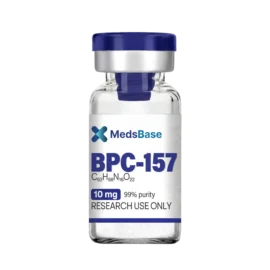
- BPC-157 — Body Protection Compound — miejscowy składnik angiogenny GLOW, pojedyncze fiolki
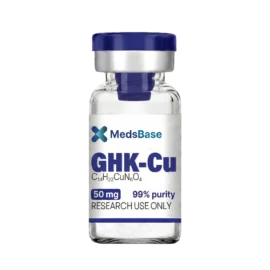
- GHK-Cu — Miedziowy tripeptyd — składnik remodelujący skórę w preparacie GLOW, fiolki do samodzielnego stosowania
- TB-500 (Tymozyna Beta-4) — Fragment systemowego gojenia — składnik migracji komórkowej w preparacie GLOW
- Peptydowy zestaw regeneracyjny — Alternatywny zestaw trzech fiolek (BPC + TB + woda BAC) bez peptydów miedziowych
- AHK-Cu — Siostrzany peptyd miedziowy do GHK-Cu — związek badany pod kątem wpływu na mieszki włosowe
Dalsze Materiały
📖 Poznaj badania nad peptydami regeneracyjnymi
Przeglądaj pełną katalog peptydów badawczych, wraz z pokrewnymi związkami regeneracyjnymi, w tym BPC-157 (miejscowa angiogeneza), TB-500 (systemowa migracja komórek), GHK-Cu (remodelowanie skóry) oraz alternatywny Peptydowy zestaw regeneracyjny zestaw.
Więcej opcji w Peptydach
Ranking według liczby ostatnich zamówień MedsBase — co wybierają inni klienci w tej kategorii.
| Skład | 10mg BPC + 50mg GHK-Cu + 10mg TB |
|---|---|
| Ilość | 10 fiolek, 20 fiolek |
 Mieszanka GLOW (BPC-157 10 mg + GHK-Cu 50 mg + TB-500 10 mg)
Pytania i odpowiedzi
Mieszanka GLOW (BPC-157 10 mg + GHK-Cu 50 mg + TB-500 10 mg)
Produkty powiązane
Opinie
Nie ma jeszcze opinii