







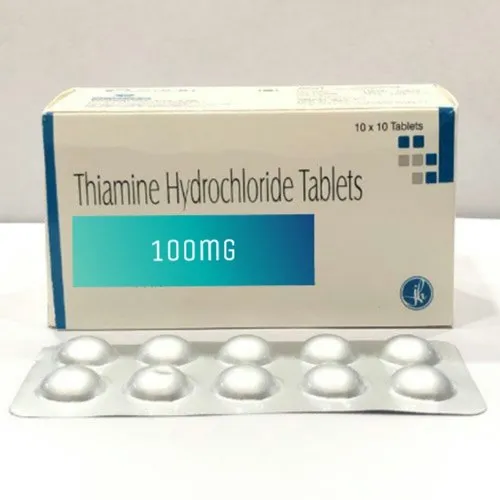
Tiamina HCL 100
✅ Zwiększa poziom energii
✅ Wspomaga funkcjonowanie nerwów
✅ Poprawia metabolizm
✅ Poprawia funkcje poznawcze
✅ Wspiera zdrowie serca
Thiamine HCL 100 zawiera tiaminę.
✓ Zweryfikowany medycznie przez Morgan Ellis — Badacz farmaceutyczny · 8 lat doświadczenia · Ostatnia weryfikacja: maj 2026
Szybka odpowiedź
Thiamine HCL 100 (tiamina (witamina B1) 100 mg tabletka) to wysokodawkowa tiamina doustna stosowana w leczeniu niedoboru tiaminy, neuropatii alkoholowej, beri-beri oraz jako profilaktyka zespołu Wernickego u pacjentów z grupy ryzyka.
- Tiamina 100 mg na tabletkę — pełna dawka zastępcza
- Wskazania: zaburzenia związane z używaniem alkoholu, profilaktyka zespołu ponownego odżywienia, beri-beri, hyperemesis
- Długotrwałe podawanie doustne 100–200 mg/dobę w przypadku przewlekłego niedoboru lub zaburzeń związanych z używaniem alkoholu
- producenta certyfikowanego przez WHO-GMP
📦 Każde zamówienie jest objęte naszą Polityka Gwarancji Ponownej Wysyłki — jeśli Twoja przesyłka nie dotrze w ciągu 20 dni roboczych, wysyłamy ją ponownie.
Każde zamówienie objęte jest naszą Polityka Gwarancji Ponownej Wysyłki.
Dlaczego warto zamawiać z MedsBase
Tiamina HCL 100 pochodzi od producenta certyfikowanego przez WHO-GMP. Każde zamówienie jest wysyłane w dyskretnym, nieoznakowanym opakowaniu na całym świecie i objęte naszą Polityką Gwarancji Ponownej Wysyłki. Płać bezpiecznie kartą kredytową, przelewem bankowym SEPA lub kryptowalutą. Zobacz naszą ponad 1400 zweryfikowanych opinii klientów.
Co to jest Tiamina HCL 100?
Tiamina HCL 100 to wysokodawkowa tiamina doustna (witamina B1) stosowana w terapii zastępczej i podtrzymującej w przypadku niedoboru. Tiamina jest koenzymem niezbędnym do metabolizmu węglowodanów (dehydrogenaza pirogronianowa, transketolaza, dehydrogenaza alfa-ketoglutarowa). Niedobór powoduje mokre beri-beri (niewydolność serca z wysokim rzutem), suche beri-beri (neuropatia obwodowa) oraz zespół Wernickego-Korsakowa.
Wskazania
- Zaburzenia związane z używaniem alkoholu — wieloletnie przewlekłe spożywanie alkoholu regularnie prowadzi do niedoboru. Standardem jest długotrwałe podawanie doustne 100 mg dwa razy dziennie.
- Zespół Wernickego-Korsakowa — klasyczna triada objawów: splątanie, ataksja, oftalmoplegia u pacjentów uzależnionych od alkoholu lub z hyperemesis. Leczenie ostre to wysokodawkowa tiamina parenteralna; doustnie 100 mg dwa razy dziennie stosuje się w profilaktyce i podtrzymaniu po fazie ostrej.
- Beri-beri — rzadko występuje w populacjach z bezpieczeństwem żywnościowym; nadal obserwowane u pacjentów uzależnionych od alkoholu i ciężko niedożywionych
- Profilaktyka zespołu ponownego odżywienia — przed ponownym odżywianiem każdego niedożywionego pacjenta (anoreksja, ciężkie niedożywienie, przedłużone głodzenie), należy najpierw podać tiaminę parenteralnie, a następnie doustną terapię podtrzymującą
- Hyperemesis gravidarum — ciężkie wymioty związane z ciążą prowadzą do wyczerpania zapasów tiaminy; suplementacja chroni przed zespołem Wernickego
- Przewlekłe stosowanie diuretyków pętlowych z niewydolnością serca (diuretyki pętlowe zmniejszają poziom tiaminy; suplementacja ma umiarkowane dowody w zaawansowanej niewydolności serca)
- Podtrzymanie po operacji bariatrycznej
Tiamina doustna 100 mg/tabletka jest odpowiednia do profilaktyki i przewlekłego leczenia podtrzymującego. W przypadku podejrzenia ostrej encefalopatii Wernickiego (zaburzenia świadomości, ataksja, oftalmoplegia — szczególnie u pacjentów uzależnionych od alkoholu, z hiperemezą, po operacjach bariatrycznych lub w trakcie ponownego żywienia) standardem jest tiamina dożylna 500 mg trzy razy dziennie przez 2–3 dni, następnie 250 mg/dobę — podanie doustne jest zbyt wolne, a wchłanianie w tej grupie jest niepewne. Nigdy nie podawaj glukozy ani węglowodanów pacjentowi z niedoborem tiaminy przed uzupełnieniem tiaminy — może to wywołać encefalopatię Wernickiego.
Dawka
- Terapia podtrzymująca w zaburzeniu używania alkoholu: 100 mg doustnie dwa razy dziennie długoterminowo
- Beri-beri: 100–300 mg/dobę w dawkach podzielonych przez kilka tygodni, następnie leczenie podtrzymujące
- Profilaktyka ponownego żywienia: najpierw parenteralnie; doustnie 100 mg dwa razy dziennie w okresie ponownego żywienia
- Hyperemesis gravidarum: tiamina parenteralna 100 mg, następnie doustnie, jeśli tolerowane
- Niewydolność serca przy diuretykach pętlowych: 100 mg/dzień doustnie
Efekty uboczne
- Ogólnie bardzo dobrze tolerowany — tiamina doustna ma wyjątkowy profil bezpieczeństwa
- Anafilaksja — rzadkie i niemal wyłącznie zgłaszane przy tiaminie parenteralnej, nie doustnej
- Łagodne dolegliwości żołądkowo-jelitowe przy wysokich dawkach
Interakcje lekowe
Tiamina nie ma istotnych klinicznie interakcji lekowych. Diuretyki pętlowe zmniejszają poziom tiaminy, ale suplementacja nie zaburza ich działania.
Przeciwwskazania
- Nadwrażliwość na tiaminę (rzadko)
Przechowywanie
Przechowywać w temperaturze poniżej 25°C w oryginalnym opakowaniu, chronić przed wilgocią.
Najczęściej zadawane pytania
Dlaczego tiamina jest tak ważna w spożywaniu alkoholu?
Alkohol upośledza wchłanianie tiaminy, zwiększa jej utratę z moczem i konkuruje z enzymami zależnymi od tiaminy. Długotrwałe spożywanie alkoholu powoduje encefalopatię Wernickego (ostrą, odwracalną przy wczesnym leczeniu) i psychozę Korsakowa (przewlekłą, częściowo odwracalną). Obie można zasadniczo zapobiec dzięki odpowiedniej ilości tiaminy.
Czy powinienem przyjmować tiaminę, jeśli piję dużo?
Jeśli nie możesz lub nie chcesz przestać pić, tiamina doustna 100 mg dwa razy dziennie zmniejsza ryzyko wystąpienia encefalopatii Wernickego — naprawdę warto to robić, nawet przy kontynuowaniu picia. Zaprzestanie picia alkoholu jest właściwym leczeniem, ale tiamina zapewnia konkretną ochronę, gdy dążysz do tego celu.
Co to jest zespół ponownego odżywiania?
Ciężkie niedożywienie powoduje niedobór fosforanów, magnezu, potasu i tiaminy. Gdy rozpoczyna się ponowne odżywianie węglowodanami, wzrasta poziom insuliny i nasilają się te wewnątrzkomórkowe zmiany, powodując śmiertelne arytmie, niewydolność serca i encefalopatię Wernickego. Ponowne odżywianie zawsze obejmuje najpierw tiaminę, powolne zwiększanie kalorii i korekcję elektrolitów.
Czy mogę ją przyjmować bez niedoboru?
Tak — tiamina ma szeroki margines bezpieczeństwa, a nadmiar jest wydalany. Rutynowe megadawki bez wskazań są bezcelowe, ale nieszkodliwe.
Jak szybko działa?
Ostra encefalopatia Wernickego (z tiaminą parenteralną): oftalmoplegia poprawia się w ciągu godzin, ataksja w ciągu dni, splątanie w ciągu dni do tygodni. Przewlekła neuropatia alkoholowa: powolna poprawa w ciągu miesięcy, często niepełna. Objawy sercowe beri-beri: godziny do dni.
Czy jest bezpieczny w ciąży?
Tak — jest bezpieczna i ważna w hiperemesis gravidarum, aby zapobiec zespołowi Wernickego. Połączenie B6 + B12 + tiaminy w leczeniu nudności ciążowych jest dobrze ugruntowane.
Czy powinienem/powinnam przyjmować ją z kompleksem B?
Preparaty z kompleksem B zawierają tiaminę, ale w niższych dawkach. W celu profilaktyki i utrzymania poziomu wystarczy kompleks B. W przypadku aktywnego niedoboru lub zaburzeń związanych z używaniem alkoholu preferowana jest dedykowana tiamina w dawce 100 mg — dawka w standardowym kompleksie B (często 5–20 mg) jest poniżej progu terapeutycznego dla tych wskazań.
Dlaczego mój lekarz podaje tiaminę parenteralnie na SOR?
Podejrzenie ostrego zespołu Wernickego wymaga parenteralnego podania wysokiej dawki tiaminy, ponieważ (a) wchłanianie doustne jest upośledzone u pacjentów uzależnionych od alkoholu, (b) wchłanianie w jelitach jest powolne, gdy liczy się każda minuta, oraz (c) płyny dożylne zawierające węglowodany prawdopodobnie i tak będą podane, a mogą one wywołać zespół Wernickego u pacjentów z niedoborem bez wcześniejszego zabezpieczenia tiaminą.
Czy pomoże to na moje zmęczenie?
Tylko jeśli zmęczenie jest spowodowane udokumentowanym niedoborem tiaminy. Większość przypadków zmęczenia nie wynika z niedoboru tiaminy; najpierw sprawdź tarczycę, ferrytynę, witaminę D, B12, depresję i bezdech senny.
Jak długo powinienem/powinnam to przyjmować?
W przypadku zaburzeń związanych z używaniem alkoholu, rozsądne jest dożywotnie suplementowanie, dopóki trwa picie i przez co najmniej rok po osiągnięciu trzeźwości. W innych przypadkach — do czasu ustąpienia przyczyny (niedożywienie, realimentacja, hiperemesis).
Inne witaminy i minerały
- Witamina B12 1500 mcg — wysoka dawka doustna cyjanokobalaminy
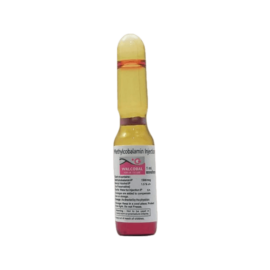
- Iniekcja Walcobal — metylokobalamin IM
- Ampułka Polybion — kompleks B parenteralny
- Beplex Forte — kompleks B doustny
- Becozinc — kompleks B z cynkiem
- Tiamina HCL 100 — tiamina 100 mg na neuropatię alkoholową
Medical Disclaimer
Więcej opcji w kategorii Witaminy i Minerały
Ranking według liczby ostatnich zamówień MedsBase — co wybierają inni klienci w tej kategorii.
| Moc | 100 mg |
|---|---|
| Ilość | 60 tabletek, 120 tabletek, 180 tabletek, 360 tabletek |
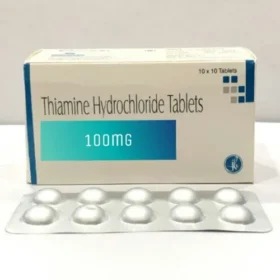 Tiamina HCL 100
Pytania i odpowiedzi
Tiamina HCL 100
Produkty powiązane

Opinie
Nie ma jeszcze opinii