







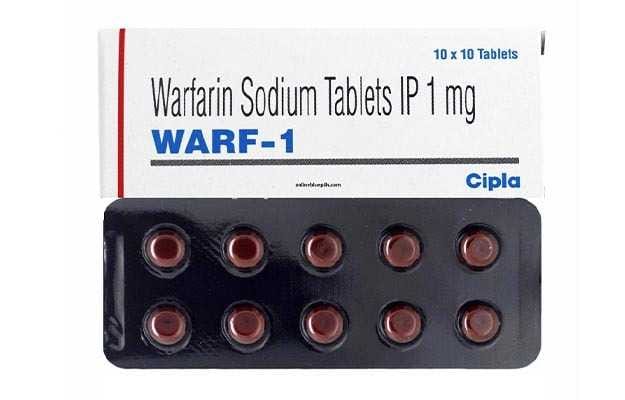
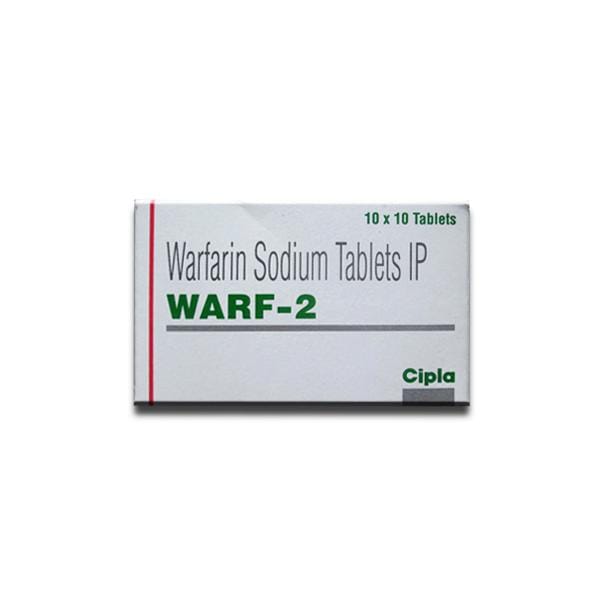
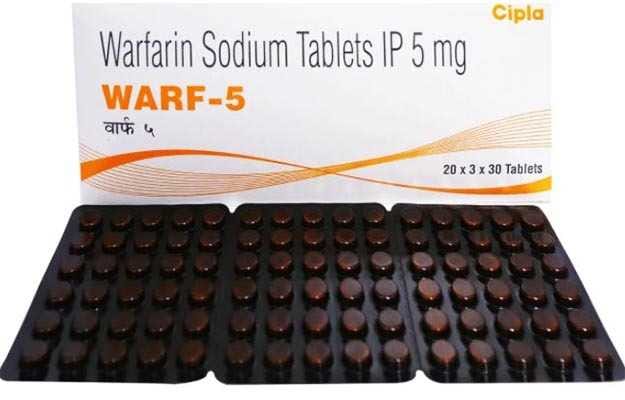
Warf
✅ Zapobiega powstawaniu zakrzepów krwi
✅ Zmniejsza ryzyko udaru
✅ Zapobiega zakrzepicy
✅ Kontroluje zatorowość
✅ Reguluje rozrzedzanie krwi
Warf zawiera warfarynę.
✓ Zweryfikowany medycznie przez Morgan Ellis — Badacz farmaceutyczny · 8 lat doświadczenia · Ostatnia weryfikacja: maj 2026
⚡ Krótka odpowiedź — Czym jest Warf?
Warf to tabletki warfaryny o dawce 1 / 2 / 5 mg od producenta certyfikowanego przez WHO-GMP — doustny antagonistą witaminy K (VKA) o działaniu przeciwzakrzepowym. Warfaryna została po raz pierwszy zsyntetyzowana z dikumarolu w latach 40. XX wieku i zatwierdzona jako lek dla ludzi w 1954 roku; pomimo pojawienia się DOAC nadal pozostaje lekiem pierwszego wyboru w przypadku mechanicznych zastawek serca, umiarkowanego do ciężkiego zwężenia zastawki mitralnej oraz zespołu antyfosfolipidowego. Mechanizm: blokuje reduktazę epoksydową witaminy K (VKORC1), zmniejszając aktywną postać czynników krzepnięcia II, VII, IX, X oraz białek C i S. Początek działania jest opóźniony o 3-5 dni, ponieważ krążące czynniki muszą ulec rozpadowi. Dawka jest wysoce zindywidualizowana i zależna od INR — docelowy INR wynosi 2,0-3,0 w większości wskazań, 2,5-3,5 dla mechanicznych zastawek mitralnych lub starszych protez aortalnych. Dzienne spożycie witaminy K (zieleniny) powinno być stałe, a nie unikane. Wskaźnik poważnych krwawień wynosi ~1-3%/rok przy terapeutycznej dawce warfaryny. Odwrócenie działania: witamina K doustnie lub dożylnie plus kompleks protrombinowy 4-czynnikowy w przypadku poważnych krwawień. Nadzór specjalisty lub lekarza rodzinnego jest standardem.
📦 Każde zamówienie jest objęte naszą Polityka Gwarancji Ponownej Wysyłki — jeśli Twoja przesyłka nie dotrze w ciągu 20 dni roboczych, wysyłamy ją ponownie.
Dlaczego warto zamawiać z MedsBase
Nasze leki generyczne pochodzą od producentów posiadających certyfikat WHO-GMP i są wysyłane na cały świat w dyskretnym, zwykłym opakowaniu — bez nazwy leku na zewnątrz przesyłki. Płatności kartami są kierowane przez regulowanego procesora (opis wyciągu zawiera nazwę regulowanego procesora płatności — nigdy “MedsBase” ani żadnej nazwy leku). Akceptujemy również kryptowaluty i przelewy bankowe SEPA. Każde zamówienie jest objęte naszą Reshipment Assurance Policy.
Czym jest Warf?
Warf to tabletki warfaryny sodowej o dawce 1 / 2 / 5 mg od producenta certyfikowanego przez WHO-GMP, dostarczane w opakowaniach po 30-180 tabletek. Warfaryna jest najczęściej stosowanym doustnym lekiem przeciwzakrzepowym na świecie. Pomimo wprowadzenia bezpośrednich doustnych antykoagulantów (DOAC), warfaryna pozostaje lekiem pierwszego wyboru w przypadku mechanicznych zastawek serca, reumatycznego zwężenia zastawki mitralnej, zespołu antyfosfolipidowego oraz wybranych pacjentów wysokiego ryzyka, gdzie dowody na skuteczność DOAC są słabe.
Jak działa warfaryna?
Warfaryna hamuje reduktazę epoksydową witaminy K (VKORC1) w hepatocytach, blokując recykling witaminy K. To zmniejsza ilość aktywnych, γ-karboksylowanych postaci czynników II, VII, IX i X oraz naturalnych antykoagulantów — białek C i S. Efekt przeciwzakrzepowy jest opóźniony o 3-5 dni, ponieważ istniejące krążące czynniki ulegają katabolizmowi — w przypadku konieczności szybkiego działania przeciwzakrzepowego konieczne jest przejściowe stosowanie heparyny lub LMWH.
Zatwierdzone zastosowania
- Mechaniczne zastawki serca — warfarin jest jedynym dopuszczalnym doustnym lekiem (DOAC są przeciwwskazane; badanie RE-ALIGN)
- Umiarkowane do ciężkiego (reumatyczne) zwężenie zastawki mitralnej — z migotaniem przedsionków lub bez
- Zespół antyfosfolipidowy (potrójnie dodatni) — warfarin z INR 2-3 przewyższał rywaroksaban (TRAPS, 2018)
- Migotanie przedsionków — gdy DOAC są przeciwwskazane, nietolerowane lub niedostępne finansowo; ustalone zapobieganie udarowi
- Żylna choroba zakrzepowo-zatorowa (ZŻG i ZP) — leczenie i długotrwała profilaktyka wtórna
- Skrzeplina w lewej komorze, zakrzep przyścienny po zawale mięśnia sercowego, kardiomiopatia rozstrzeniowa ze skrzepliną
Dawkowanie i cele INR
Dawka warfaryny jest wysoce zindywidualizowana i dostosowywana do międzynarodowego współczynnika znormalizowanego (INR). Typowa dawka podtrzymująca to 2-10 mg dziennie, ale zakres wynosi od 15 mg.
| Wskazanie | Docelowy INR | Uwagi |
|---|---|---|
| Migotanie przedsionków | 2.0–3.0 | Cel 2.5 |
| ŻChZZ (ZŻG/ZPŁ) | 2.0–3.0 | Docelowe INR 2,5; minimum 3 miesiące |
| Mechaniczna zastawka aortalna (nowoczesna dwupłatkowa) | 2.0–3.0 | Cel 2.5 |
| Mechaniczna zastawka mitralna lub starsza zastawka aortalna | 2,5–3,5 | Docelowe INR 3,0; +aspiryna przy bardzo wysokim ryzyku |
| Zespół antyfosfolipidowy (potrójnie dodatni) | 2.0–3.0 | 2,5–3,5 w przypadku nawrotu przy terapeutycznym INR |
| Nawrót ŻChZZ przy terapeutycznym warfarynie | 2,5–3,5 | Decyzja specjalisty w indywidualnych przypadkach |
INR jest sprawdzany codziennie podczas inicjacji, następnie co tydzień do ustabilizowania, a następnie co 4-12 tygodni długoterminowo. Czas w zakresie terapeutycznym (TTR) powyżej 65-70% jest benchmarkiem jakości.
Farmakogenomika: VKORC1 i CYP2C9
Pacjenci z allelami VKORC1 -1639 G>A (wrażliwi) lub CYP2C9 *2/*3 (wolni metabolizerzy) wymagają niższych dawek początkowych i podtrzymujących. Dawkowanie oparte na genotypie skraca czas do stabilnego INR, ale nie jest rutynowo stosowane w większości ośrodków.
Dieta, alkohol i styl życia
Działania niepożądane
- Krwawienie (krwawienie z nosa, krwawienie z dziąseł, siniaki, krwawienie z przewodu pokarmowego, krwawienie śródczaszkowe)
- Martwica skóry — rzadko; dni 3-8 od rozpoczęcia, szczególnie przy niedoborze białka C; zastosować heparynę w celu złagodzenia
- Zespół fioletowych palców (mikrozatory cholesterolowe) — rzadko
- Wypadanie włosów, wysypka
- Podwyższenie aktywności enzymów wątrobowych
Przeciwwskazania
- Aktywne poważne krwawienie (wrzód trawienny, krwawienie śródczaszkowe)
- Ciąża — teratogenne w pierwszym trymestrze (embriopatia warfarynowa), ryzyko krwawienia OUN w późniejszym okresie. Zastosować LMWH zamiast
- Ciężkie niekontrolowane nadciśnienie
- Ciężka niewydolność wątroby
- Niedawna neurochirurgia, operacja okulistyczna lub poważny uraz z ryzykiem krwawienia
- Niemożność przestrzegania monitorowania INR
Interakcje lekowe (wybrane)
Warfarin ma setki klinicznie istotnych interakcji. Zawsze sprawdzaj przed rozpoczęciem, przerwaniem lub zmianą dawki jakiegokolwiek leku.
- Podwyższają INR: amiodaron, flukonazol/worykonazol/itrakonazol, metronidazol, trimetoprim-sulfametoksazol, cyprofloksacyna, makrolidy (klarytromycyna, erytromycyna), wysokie dawki paracetamolu, omeprazol, fluwastatyna, żurawina, grejpfrut, olej rybny, NLPZ (również dodatkowe ryzyko krwawienia).
- Obniżają INR: ryfampicyna, karbamazepina, fenytoina, fenobarbital, dziurawiec, witamina K (preparaty wielowitaminowe, żywienie dojelitowe), duże ilości zielonych warzyw liściastych.
- Dodatkowe ryzyko krwawienia: aspiryna, klopidogrel, NLPZ, SSRI/SNRI, heparyny.
Odwrócenie działania przeciwzakrzepowego
| Scenariusz | Działanie |
|---|---|
| INR 4,5–10, brak krwawienia | Wstrzymać warfarynę; witamina K doustnie 1–2,5 mg tylko przy wysokim ryzyku krwawienia; ponowna kontrola |
| INR >10, brak krwawienia | Wstrzymać warfarynę; witamina K doustnie 2,5–5 mg; ponowna kontrola |
| Dowolne INR z poważnym krwawieniem | Przerwać warfarynę; witamina K dożylnie 5–10 mg + kompleks protrombinowy 4-czynnikowy (4F-PCC); FFP jeśli PCC niedostępny |
| Pilna operacja | Witamina K dożylnie + 4F-PCC dla natychmiastowego odwrócenia; plan pomostowy po operacji |
Zabiegi chirurgiczne i stomatologiczne
W przypadku większości zabiegów chirurgicznych należy odstawić warfarynę 5 dni Przed zabiegiem. Mostkowanie z LMWH tylko przy wysokim ryzyku tromboembolii (mechaniczna zastawka mitralna, niedawna VTE <3 miesiące, CHA2DS2-VASc ≥6). Większość prostych zabiegów stomatologicznych można wykonać przy terapeutycznym INR bez odstawiania warfaryny. Wznowić w noc po zabiegu, jeśli hemostaza jest zapewniona.
Ciąża i karmienie piersią
Przechowuj Uniwarfin w temperaturze poniżej 25°C w oryginalnym blistrze, chroniąc przed światłem. Przechowuj w miejscu niedostępnym dla dzieci — przedawkowanie warfaryny jest najczęstszym ostrym zatruciem przeciwzakrzepowym u dzieci.
Przechowywanie
Przechowuj Warf w temperaturze poniżej 25°C w oryginalnym blistrze, chroniąc przed światłem. Przechowuj w miejscu niedostępnym dla dzieci — przedawkowanie warfaryny jest najczęstszym ostrym zatruciem lekami przeciwzakrzepowymi u dzieci.
Najczęściej zadawane pytania
Dlaczego Warf działa dopiero po kilku dniach?
Warfarin blokuje produkcję nowych czynników krzepnięcia, ale nie dezaktywuje tych już krążących. Efekt kliniczny narasta przez 3-5 dni w miarę katabolizmu istniejących czynników. Gdy konieczne jest natychmiastowe działanie przeciwzakrzepowe, stosuje się heparynę parenteralną lub LMWH w ramach terapii pomostowej, aż INR osiągnie wartość terapeutyczną.
Dlaczego na początku potrzebuję tak częstych badań INR?
Odpowiedź na dawkę znacznie różni się między ludźmi ze względu na genetykę CYP2C9 i VKORC1. INR jest sprawdzany codziennie, aż osiągnie docelowy zakres, następnie co tydzień, a po ustabilizowaniu co 4-12 tygodni długoterminowo.
Czy mogę jeść zielone warzywa przyjmując Warf?
Tak — kluczowa jest regularność, a nie unikanie. Spożywaj swoją zwyczajową ilość dzień po dniu. Nagłe duże zmiany (tydzień z dużą ilością sałatek, a potem dwa tygodnie bez) to właśnie destabilizuje INR.
Co powinienem zrobić, jeśli mój INR jest za wysoki?
Wstrzymaj następną dawkę, skontaktuj się z kliniką leczenia przeciwzakrzepowego i obserwuj pod kątem krwawień. INR >10 lub jakiekolwiek aktywne krwawienie wymaga pilnej interwencji tego samego dnia — witamina K doustnie lub dożylnie i ewentualnie 4-składnikowy PCC.
Czy mogę przyjmować Warf z paracetamolem?
Sporadyczne stosowanie paracetamolu jest bezpieczne. Regularne przyjmowanie paracetamolu w dawce >2 g/dzień przez kilka dni podwyższa INR i wymaga monitorowania tego parametru.
A co z ibuprofenem lub innymi NLPZ?
Należy unikać — NLPZ zarówno zwiększają INR, jak i stanowią niezależne ryzyko krwawienia poprzez hamowanie płytek krwi. W przypadku długotrwałego łagodzenia bólu preferowany jest paracetamol, a także należy rozważyć osłonę inhibitorami pompy protonowej.
Dlaczego nie mogę przejść na DOAC?
W wielu wskazaniach jest to możliwe. DOAC (apiksaban, rywaroksaban, dabigatran) są obecnie lekami pierwszego wyboru w migotaniu przedsionków niezwiązanym z wadą zastawkową oraz w żylnej chorobie zakrzepowo-zatorowej. Warfaryna pozostaje jedynym akceptowalnym doustnym wyborem w przypadku mechanicznych zastawek serca, reumatycznej stenozy mitralnej oraz potrójnie dodatniego zespołu antyfosfolipidowego — DOAC są w tych przypadkach przeciwwskazane lub mniej skuteczne.
Czy mogę pić alkohol przyjmując Warf?
Umiarkowane, regularne spożycie alkoholu (1-2 drinki dziennie) jest dopuszczalne. Nadużywanie alkoholu destabilizuje INR i zwiększa ryzyko krwawień oraz upadków; abstynencja lub bardzo umiarkowane spożycie jest bezpieczniejsze.
Co jeśli potrzebuję operacji?
Przerwij przyjmowanie warfaryny na 5 dni przed zabiegiem; przejściowe stosowanie heparyny drobnocząsteczkowej zarezerwowane jest dla pacjentów z wysokim ryzykiem zakrzepowo-zatorowym (mechaniczna zastawka mitralna, niedawna żylna choroba zakrzepowo-zatorowa). Większość prostych zabiegów stomatologicznych nie wymaga odstawienia warfaryny.
Gdzie mogę kupić Warf online?
Możesz kupić Warf (1/2/5 mg warfaryny sodowej, 30-180 tabletek) w MedsBase z dyskretną wysyłką na cały świat.
Inne leki przeciwzakrzepowe i przeciwpłytkowe
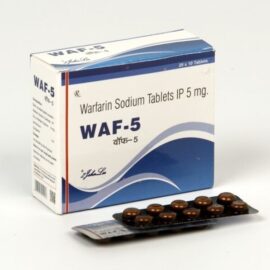
- Waf-5 — Warfaryna 5 mg
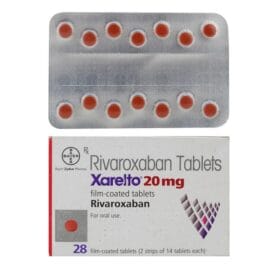
- Xarelto 20 — Rywaroksaban 20 mg
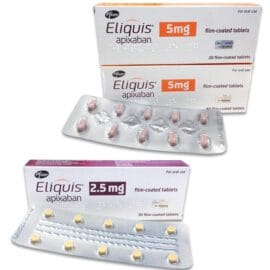
- Eliquis — Apiksaban 2,5/5 mg
- Plavix — Klopidogrel 75 mg (Sanofi)
- Deplatt — Klopidogrel 75 mg (Torrent)
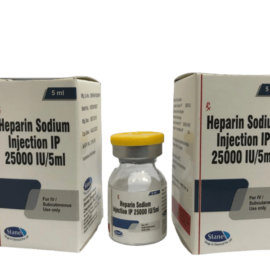
- Stanhep 25 — Heparyna sodowa IV 25 000 IU
- Przeglądaj wszystkie leki przeciwzakrzepowe i przeciwpłytkowe
Powiązane alternatywy
Inne produkty w Zdrowie ogólne które klienci również przeglądają:
Więcej opcji w kategorii Leki przeciwzakrzepowe
Ranking według liczby ostatnich zamówień MedsBase — co wybierają inni klienci w tej kategorii.
| Moc | 1 mg, 2 mg, 5 mg |
|---|---|
| Ilość | 30 tabletek, 60 tabletek, 90 tabletek, 180 tabletek |
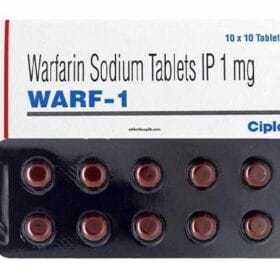 Warf
Warf
Pytania i odpowiedzi
Warf
Produkty powiązane


Opinie
Nie ma jeszcze opinii