







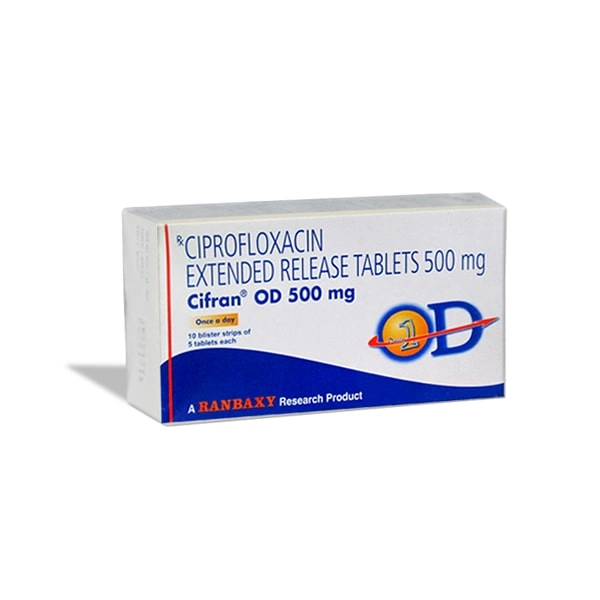
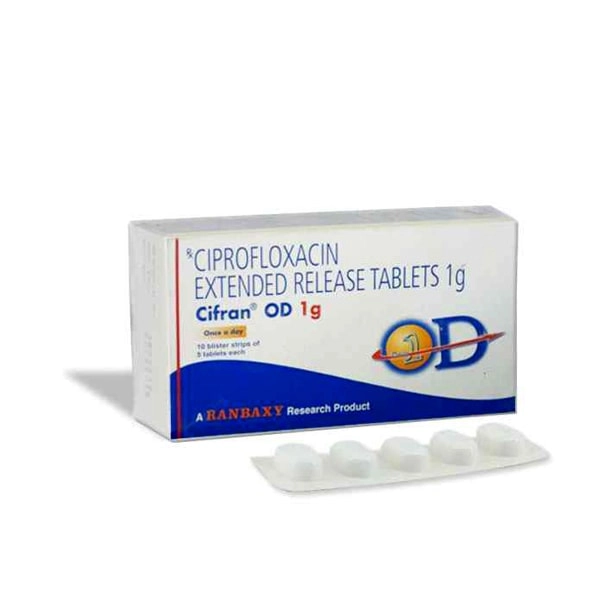
Cifran Od
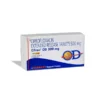
✅ Антибактериално лекарство
✅ Лечи бактериални инфекции
✅ Предотвратява инфекции на пикочните пътища
✅ Борба с респираторни заболявания
✅ Ефективен срещу антракс
✓ Медицински преглед от Morgan Ellis — Фармацевтичен изследовател · 8 години опит · Последен преглед: май 2026 г.
⚡ Бърз отговор — Какво е Cifran OD?
Cifran OD е таблетка с продължително действие на ципрофлоксацин (500 mg / 1000 mg, Ranbaxy) за веднъж дневно приемане при неусложнени и усложнени инфекции на пикочните пътища. Формулата с продължително действие е биоеквивалентна на два пъти дневно приемане на формулата с незабавно действие за тези показания, с подобрено спазване.
📦 Всяка поръчка е покрита от нашата Политика за повторна изпратка — ако вашата пратка не пристигне в рамките на 20 работни дни, ние я изпращаме отново.
Защо да поръчвате от MedsBase
Нашите генерични лекарства се доставят от производители, сертифицирани от WHO-GMP, и се изпращат по целия свят в дискретна, обикновена опаковка — без име на лекарството външно на пратката. Плащанията с карта се обработват чрез регулиран процесор (описанието на извлечението включва регулиран процесор за плащане с карта — никога “MedsBase” или име на лекарство). Приемат се също криптовалути и банков превод SEPA. Всяка поръчка е подкрепена от нашата политика за гарантирано преизпращане.
Как действа Cifran OD
Cifran OD съдържа Ципрофлоксацин (с продължително действие), фторхинолонов антибиотик, който инхибира бактериалната ДНК гираза (топоизомераза II) и топоизомераза IV — ензимите, които супернавиват и разделят бактериалната ДНК по време на репликация. Без функционална гираза/топоизомераза бактериалната хромозома се фрагментира и клетката умира. Фторхинолоните са бактерицидни и проявяват концентрационно-зависимо убиване с дълъг пост-антибиотичен ефект, което подкрепя веднъж дневно дозиране при много показания.
Ципрофлоксацинът има най-силната грам-отрицателна активност сред по-старите фторхинолони (E. coli, Pseudomonas aeruginosa, Salmonella, Shigella, Campylobacter), умерена пневмококова активност и слаба анаеробна покритие. Локалната резистентност на Pseudomonas варира — потвърдете преди да разчитате на него като монотерапия.
Показания и дозиране
| Показание | Доза | Продължителност |
|---|---|---|
| Неосложнена уринарна инфекция | 250 mg два пъти дневно / 500 mg веднъж дневно (XR) | 3 дни |
| Пиелонефрит | 500 mg два пъти дневно / 1 g веднъж дневно (XR) | 7–14 дни |
| Бактериален простатит | 500 mg два пъти дневно | 4–6 седмици |
| Пътнишка диария | 500 mg два пъти дневно | 1–3 дни |
| Salmonella / Shigella / тиф (чувствителни) | 500 mg два пъти дневно | 7–14 дни |
| Профилактика след експозиция на антракс | 500 mg два пъти дневно | 60 дни |
Корекция на дозата при бъбречна недостатъчност: всички фторхинолони с изключение на моксифлоксацин изискват удължаване на дозата при CrCl под 50. Моксифлоксацинът се метаболизира хепатално и не изисква бъбречна корекция.
Флуорохинолоните носят черни кутии с предупреждения от FDA за: тендинит и скъсване на сухожилия (най-често ахилесово; рискът се увеличава с възраст > 60, употреба на кортикостероиди, трансплантация на органи); периферна невропатия (може да бъде перманентна — прекратете при първия симптом); ефекти върху централната нервна система (безпокойство, объркване, халюцинации, припадъци); и аортна аневризма / дисекция (относителен риск ~2.0, особено при възрастни с хипертония, атеросклероза или известна аневризма). Прегледът на FDA от 2016 г. заключи, че при неусложнени ИПУ, синузити и остър бронхит рисковете може да надвишават ползите — запазете флуорохинолоните за показания без алтернативи. Преустановете лекарството при първия признак на болка в сухожилията, парестезии или неврологични/психиатрични промени.
Странични ефекти
- СТОМАШНО-ЧРЕВНИ: гадене, диария (5–10%), болка в корема.
- ЦНС: главоболие, световъртеж, безсъние, ярки сънища; по-рядко безпокойство, объркване, депресия, халюцинации, припадъци (понижава прага на припадъци — внимание при епилепсия).
- Повреда на сухожилията: ахилесов тендинит или скъсване (най-често при пациенти > 60 на кортикостероиди).
- Периферна невропатия: може да бъде перманентна; се проявява като изгаряне / парене / втрисане в краката или ръцете.
- Удължаване на QT интервала: моксифлоксацинът има най-висок риск, следван от спарфлоксацин, след това левофлоксацин / гемифлоксацин / ципрофлоксацин (умерен риск).
- Нарушаване на глюкозната регулация: докладвани са случаи на хипогликемия (особено при сулфонилсевични препарати) и хипергликемия.
- Фоточувствителност: увеличава риска от изгаряне на слънце — най-силно при спарфлоксацин / ломефлоксацин; умерено при ципрофлоксацин / офлоксацин / моксифлоксацин.
- Аневризма / дисекция на аортата: възникващ сигнал при възрастни хора.
- Колит, причинен от C. difficile. Флуорохинолоните са основен фактор — бъдете внимателни за нова диария.
Противопоказания
- Известна хиперчувствителност към флуорохинолони.
- История на твърдокожни повреди, свързани с флуорохинолони.
- Деца и юноши (относително — използвайте само при липса на алтернатива; хинолоните причиняват увреждане на хрущяла при млади животни).
- Бременност и кърмене (относително — използвайте само при липса на алтернатива).
- Едновременен прием на лекарства, удължаващи QT интервала при пациенти с висок риск (особено моксифлоксацин).
- Миастения гравис (може да влоши състоянието).
Взаимодействия с лекарства
| Лекарство | Ефект | Действие |
|---|---|---|
| Антациди / желязо / цинк / млечни продукти / сукралфат | Хелацията намалява абсорбцията до 80% | Приемете Cifran OD 2 часа ПРЕДИ или 6 часа СЛЕД |
| Warfarin | Повишаване на INR — понякога значително | Проверете INR в рамките на 3–5 дни; консултирайте |
| Сулфонилуреи / инсулин | Риск от хипогликемия | Мониторирайте капилярната глюкоза; консултирайте |
| НПВС | Може да понижи прага на припадъци | Предпазливост при пациенти с история на припадъци |
| Theophylline | Ципрофлоксацин и офлоксацин повишават нивата на теофилин | Мониторирайте нивото на теофилин; обмислете алтернатива |
| Метотрексат | Повишени нива и токсичност | Спрете метотрексата или мониторирайте |
| Антиаритмици от клас IA / III | Аддитивно удължаване на QT интервала | Избягвайте комбинация (особено моксифлоксацин) |
| Тизанидин | Тежка хипотензия и седация (ципрофлоксацинът е силен CYP1A2 инхибитор) | Абсолютна контраиндикация |
Бременност и кърмене
Фторхинолоните са категория C. Данни от животни показват увреждане на хрущяла; данни от хора не са показали последователно тератогенност, но границата на безопасност е тясна. Избягвайте по време на бременност, освен ако няма алтернатива. При кърмене се наблюдава ниско преминаване в млякото, но повечето власти смятат, че кратките курсове са съвместими — обикновено се предпочитат алтернативи.
Съхранение
Съхранявайте при температура под 25 °C, далече от пряка слънчева светлина и влага. Пазете в оригиналната опаковка. Пазете извън обсега на децата. Изхвърлете всички неизползвани таблетки след отпечатаната дата на изтичане на срока на годност — разградените антибиотици могат да загубят ефективност или да освободят продукти на разграждане.
Този лекарствен продукт е ефективен само срещу бактериални инфекции. Не го използвайте при вирусни заболявания (обикновена настинка, повечето възпаления на гърлото, грип, COVID-19), не спирайте лечението преждевременно, когато се почувствате по-добре, и не съхранявайте остатъци за бъдещи инфекции. Злоупотребата води до устойчиви бактерии като MRSA, ESBL и CRE — СЗО класифицира антимикробната резистентност сред топ 10 глобални заплахи за общественото здраве.
Често задавани въпроси
Трябва ли да приемам Cifran OD на празен стомах?
Храната не намалява значително абсорбцията на фторхинолони — но млечните продукти, антациди, желязо, цинк, магнезий и калциеви добавки могат да хелират лекарството и драматично да намалят абсорбцията. Разделете всяко от тях с 2 часа преди или 6 часа след дозата.
Приемам мултивитамини — кога мога да приема Cifran OD?
Мултивитамините обикновено съдържат желязо, цинк, калций и магнезий — всички те хелатират флуорохинолони. Приемайте антибиотика 2 часа ПРЕДИ мултивитамините или 6 часа СЛЕД тях.
Защо флуорохинолоните се избягват при прости инфекции в днешно време?
Прегледът на FDA от 2016 г. заключи, че рисковият профил (теннонни, невропатични, невропсихиатрични, аортни) надвишава ползата при неосложнени уринарни инфекции, синуити и остър бронхит, когато има налични теснодействащи алтернативи. Запазете флуорохинолоните за резистентни патогени, осложнени уринарни инфекции/пиелонефрит, простатит и внеболнична пневмония, изискваща покритие за атипични бактерии.
Забелязах болка в ахилесовото си сухожилие — какво трябва да направя?
Спрете антибиотика и се свържете с лекаря си същия ден. Разкъсване на сухожилието може да се случи дори след спирането на лекарството. Избягвайте тежки физически натоварвания по време на лечението и в продължение на 2–4 седмици след него — особено ако сте над 60-годишна възраст или приемате кортикостероиди.
Ще взаимодейства ли с моя варфарин?
Да — INR може да се повиши значително. Проверете INR в рамките на 3–5 дни и информирайте за признаци на кървене (кървене от венци, лесно натъртване, тъмни изпражнения, кръв в урината). Регулирайте дозата на варфарина само по лекарска препоръка.
Мога ли да карам кола с това лекарство?
Повечето пациенти могат да карат нормално. Ако изпитвате замаяност, ярки сънища, сънливост или затруднена концентрация, не карайте, докато тези симптоми не отминат.
Защо моят лекар каза “без флуорохинолони при диабет”?
Флуорохинолоните могат да предизвикат както хипо-, така и хипергликемия — особено при пациенти, приемащи сулфонилуреи (гликлазид, глимепирид, глибенкламид). Рискът е най-висок при гемифлоксацин и гатифлоксацин. Мониторирайте капилярната глюкоза внимателно, ако няма алтернативи.
Мога ли да го приемам, ако имам епилепсия?
Флуорохинолоните понижават прага на припадъци. Използвайте с повишено внимание — и само при липса на алтернативи — под специализиран надзор. Едновременният прием на НПВС увеличава риска.
Ще покрие ли Pseudomonas?
Ципрофлоксацинът и левофлоксацинът имат значителна активност срещу Pseudomonas (в зависимост от локалната чувствителност). Моксифлоксацинът НЯМА такава активност — никога не използвайте моксифлоксацин за Pseudomonas.
Безопасни ли са флуорохинолоните за моето дете?
Обикновено се избягват при деца в период на растеж поради данни от животни за увреждане на хрущяла и скорошни сигнали за мускулоскелетни проблеми при хора след пускане на пазара. Резервирайте за обострения на муковисцидоза, мултирезистентни патогени, усложнени инфекции на пикочните пътища, когато алтернативите са неуспешни.
Други антибиотици и противомикробни лекарства
- Levomac (Левофлоксацин) — респираторен флуорохинолон
- Cifran (Ципрофлоксацин) — покритие за ИПП / стомашно-чревни инфекции / Pseudomonas
- Moxif (Моксифлоксацин) — широко покритие за респираторни инфекции с анаеробна активност
- Azee (Азитромицин) — алтернатива за атипични патогени
- Augmentin (Амоксицилин + Клавуланова киселина) — алтернатива на бета-лактамите
Още опции в Антибиотици
Класирани според скорошния обем на поръчки в MedsBase — какво избират други клиенти в тази категория.


| Сила | 500 mg, 1000 mg |
|---|---|
| Количество | 30 Таблетки, 60 Таблетки, 90 Таблетки |
| Фармацевтична форма | Таблетки |
| Производител | Sun Pharma |
| Лечение | Бактериални инфекции |
| Generic Brand | Ciprofloxacin |
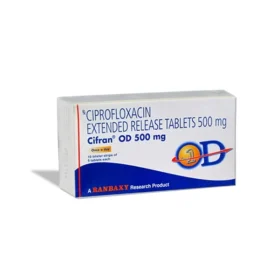 Cifran Od
Въпроси и отговори
Cifran Od
Свързани продукти




Отзиви
Все още няма отзиви