







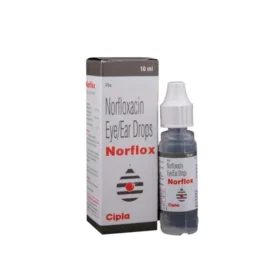
Norflox очни капки
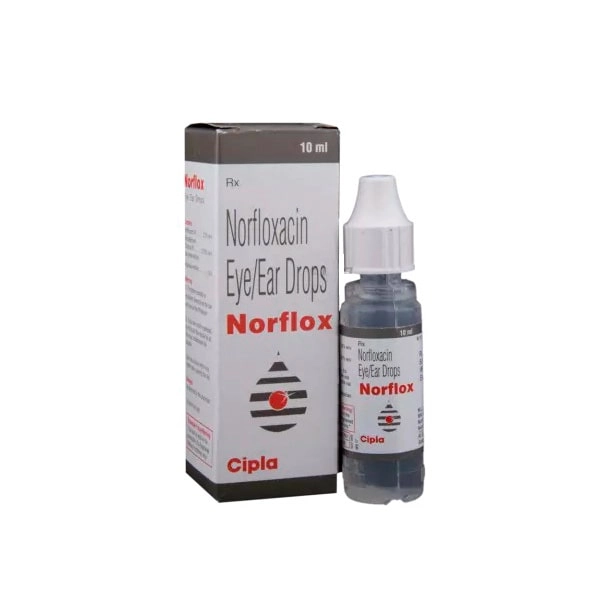
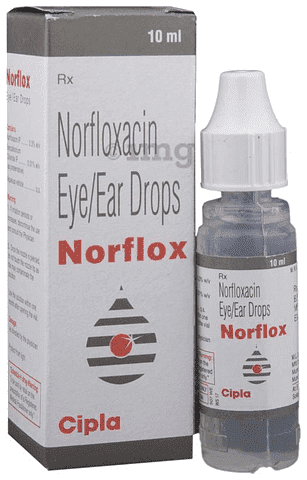
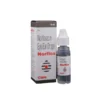
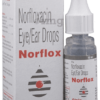
Норфлокс (норфлоксацин 0,3%) — флуорохинолонови очни капки за бактериален конюнктивит и външни очни инфекции. Прилага се четири пъти дневно; завършете предписания курс изцяло.
✓ Медицински преглед от Morgan Ellis — Фармацевтичен изследовател · 8 години опит · Последен преглед: май 2026 г.
⚡ Бърз отговор — Какво е Norflox Eye Drop?
Norflox Eye Drop е Norfloxacin 0.3%, антибиотик от второ поколение флуорохинолони за очни капки, използван при бактериален конюнктивит, блефарит и корнеални язви. Прилага се 4–6 пъти дневно за 5–7 дни. Най-добре се използва при потвърдена бактериална инфекция — повечето случаи на остър конюнктивит са вирусни или се разрешават самостоятелно.
📦 Всяка поръчка е покрита от нашата Политика за повторна изпратка — ако вашата пратка не пристигне в рамките на 20 работни дни, ние я изпращаме отново.
Защо да поръчвате от MedsBase
Norflox Eye Drop се доставя от производител, сертифициран от WHO-GMP, и се изпраща по целия свят в обикновена, дискретна опаковка. Всяка поръчка е покрита от нашата Политика за повторна изпратка — ако не е получена в рамките на 20 работни дни, изпращаме нова без допълнителни такси. Подкрепено от над 1,400 потвърдени отзива от клиенти.
Какво е Norflox Eye Drop?
Norflox Eye Drop се произвежда от Cipla и съдържа Norfloxacin 0.3% като стерилен офталмичен разтвор. Това е антибиотик от второ поколение флуорохинолони, използван при бактериални очни инфекции.
Как действа
Norfloxacin инхибира бактериалната DNA гираза (топоизомераза II) и топоизомераза IV, ензимите, отговорни за разгръщането и навиването на бактериалната DNA. Без тези ензими бактерията не може да се реплицира или да поправя щетите по DNA, което води до смърт на бактериалната клетка. Тъй като окото няма еквивалентни ензими, клетките на гостоприемника не са засегнати при терапевтични концентрации.
Показания
- Бактериален конюнктивит — потвърдени или силно подозрителни (гнойни отделяния, залепени мигли при събуждане, липса на едновременни горнодихателни симптоми)
- Бактериален блефарит — когато консервативната хигиена на клепачите не дава резултат
- Бактериална корнеална язва / кератит — под надзора на офталмолог; изисква се интензивно дозиране на всеки час
- Профилактика преди/след операция — катаракта, корнеална трансплантация, витректомия
- Кератит, свързан с носенето на контактни лещи — Покритието на Pseudomonas е критично
Дозиране
| Показание | Доза |
|---|---|
| Бактериален конюнктивит | 1–2 капки на всеки 2 часа докато сте будни за 2 дни, след това 1–2 капки на всеки 4 часа за още 5 дни |
| Корнеална язва (специалист) | 2 капки на всеки 15 минути за първите 6 часа, след това на всеки 30 минути през ден 1, след това на всеки час през ден 2, след това 4 пъти дневно |
| Преоперативна профилактика | 1 капка 4 пъти дневно за 1–3 дни преди операция |
| Постоперативен период | 1 капка 4 пъти дневно за 7–14 дни след операция |
Странични ефекти
Локални: парене, жжение при инсталиране (най-често срещано), конюнктивална хиперемия, усещане за чуждестранно тяло, засъхване по краищата на клепачите, очен сърбеж, световъзприемане.
Системни (рядко): главоболие, гадене, нарушение на вкуса.
Алергични реакции: Хиперчувствителност от незабавния тип е рядко явление, но е документирана. Преустановете лечението, ако се появи обрив, подуване или силно сърбеж.
Предупреждения & Контраиндикации
- Хиперчувствителност към флуорохинолони (ципрофлоксацин, левофлоксацин, моксифлоксацин, норфлоксацин, офлоксацин)
- Вирусен кератит (херпес симплекс, варицела зостер) — флуорохинолоните не лекуват вирусни инфекции; съпътстващият вирусен кератит може да се влоши, ако се добавят топични стероиди неподходящо
- Гъбичен кератит
- Акантамебен кератит (особено при потребители на контактни лещи)
- Бременност / кърмене — минимална системна абсорбция от очни капки; обикновено е допустимо, но се консултирайте с лекар
- Деца — обикновено безопасно от 1 година за конюнктивит; дозирането за корнеални язви изисква специализиран надзор
Съхранение
Съхранявайте при 15–25°C, защитени от светлина. Изхвърлете 28 дни след първото отваряне. Не докосвайте върха на капкомера до окото или каквато и да е повърхност.
Често задавани въпроси
Кога трябва да използвам Norflox Eye Drop?
При подозрение за бактериален конюнктивит: дебел жълто-зелен гноен секрет, залепени мигли при събуждане, липса на горни дихателни симптоми, често едностранен. Повечето червени очи са вирусни или алергични — антибиотичните капки не са първична линия за тях.
Колко време трябва да използвам Norflox Eye Drop?
5–7 дни за конюнктивит. Симптомите обикновено се подобряват в рамките на 48 часа; завършете целия курс, дори ако очите изглеждат нормални. Продължителната употреба (> 14 дни) води до резистентност.
Мога ли да нося контактни лещи, докато използвам Norflox Eye Drop?
Не. Спрете да носите лещи за времето на лечението и за поне 24 часа след изчезване на симптомите. Кератитът, свързан с контактни лещи, изисква специално спиране на носенето на лещи като част от лечението.
Какво е бялата утайка, която виждам в окото?
Това трябва да е рядко при Norfloxacin. Ако забележите кристални отлагания, свържете се с очния си лекар.
Безопасен ли е Norflox Eye Drop по време на бременност?
Топалната абсорбция е минимална и очните флуорохинолони обикновено се считат за безопасни по време на бременност, когато са ясно показани. Обсъдете с лечащия си лекар.
Какво да направя, ако симптомите не се подобрят след 48 часа?
Преоценете диагнозата. Инфекцията може да е вирусна, гъбична или амебна — флуорохинолоните не лекуват нито една от тях. Устойчивите или влошаващи се симптоми изискват спешна преглед от очен лекар.
Защо просто да не използвам Norflox Eye Drop при всяко червено око?
Повечето случаи на остър конюнктивит са вирусни (аденовирус) или алергични. Топалните антибиотици нямат ефект при тях и допринасят за появата на щамове S. pneumoniae и S. aureus, устойчиви на флуорохинолони.
Какво да направя, ако получа алергична реакция?
Спрете използването на капките веднага и се свържете с лечащия си лекар. Симптомите включват засилено зачервяване, подуване на клепачите, силно сърбеж или обрив, разпространяващ се от окото. Преминете към друг клас антибиотици.
Може ли Norflox Eye Drop да се използва с други очни капки?
Да, но с интервал от 5 минути. Ако използвате стероиден очен капка паралелно, уверете се, че диагнозата е бактериална, а не вирусна — стероидите могат да влошат херпетичния кератит.
Защо това се нарича флуорохинолон?
Norfloxacin е синтетичен антибиотик от класа на флуорохинолоните — характеризира се с флуорен атом в хинолоновия пръстен. Класът включва ciprofloxacin, levofloxacin, moxifloxacin, ofloxacin и norfloxacin.
Други лекарства за грижа за очите
Клиенти, които разглеждат този продукт, също разглеждат тези алтернативи в нашата Грижа за очите гама:
- Очни капки Ciplox-D (ципро+декс)
- Очни капки Gate P (гатифлоксацин)
- Очни капки Genticyn (гентамицин)
- Очни капки Milflox (моксифлоксацин)
- Очни капки Oflox (офлоксацин)
Медицинско известие
Информацията на тази страница е само с образователна цел и не замества медицински съвет от квалифициран офталмолог или оптометрист. Състояния на очите могат бързо да застрашат зрението — внезапна загуба на зрение, силна болка или травма изискват спешна офталмологична помощ. Винаги се консултирайте със специалист преди да започнете, спрете или промените лечение.
Още опции в грижа за очите
Класирани според скорошния обем на поръчки в MedsBase — какво избират други клиенти в тази категория.
| Сила | 0.3% (5 ml) очни капки |
|---|---|
| Количество | 1 Флакон/и, 3 Флакона/и, 6 Флакона/и |
| Фармацевтична форма | Очни капки/и |
| Производител | Cipla Inc |
| Лечение | Бактериални очни инфекции |
| Generic Brand | Norfloxacin |
 Norflox очни капки
Въпроси и отговори
Norflox очни капки
Свързани продукти





Отзиви
Все още няма отзиви