








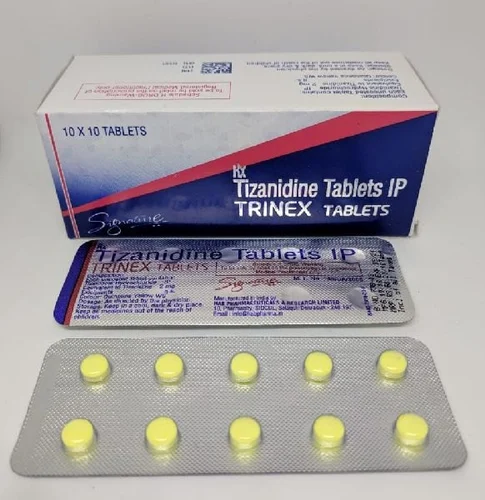
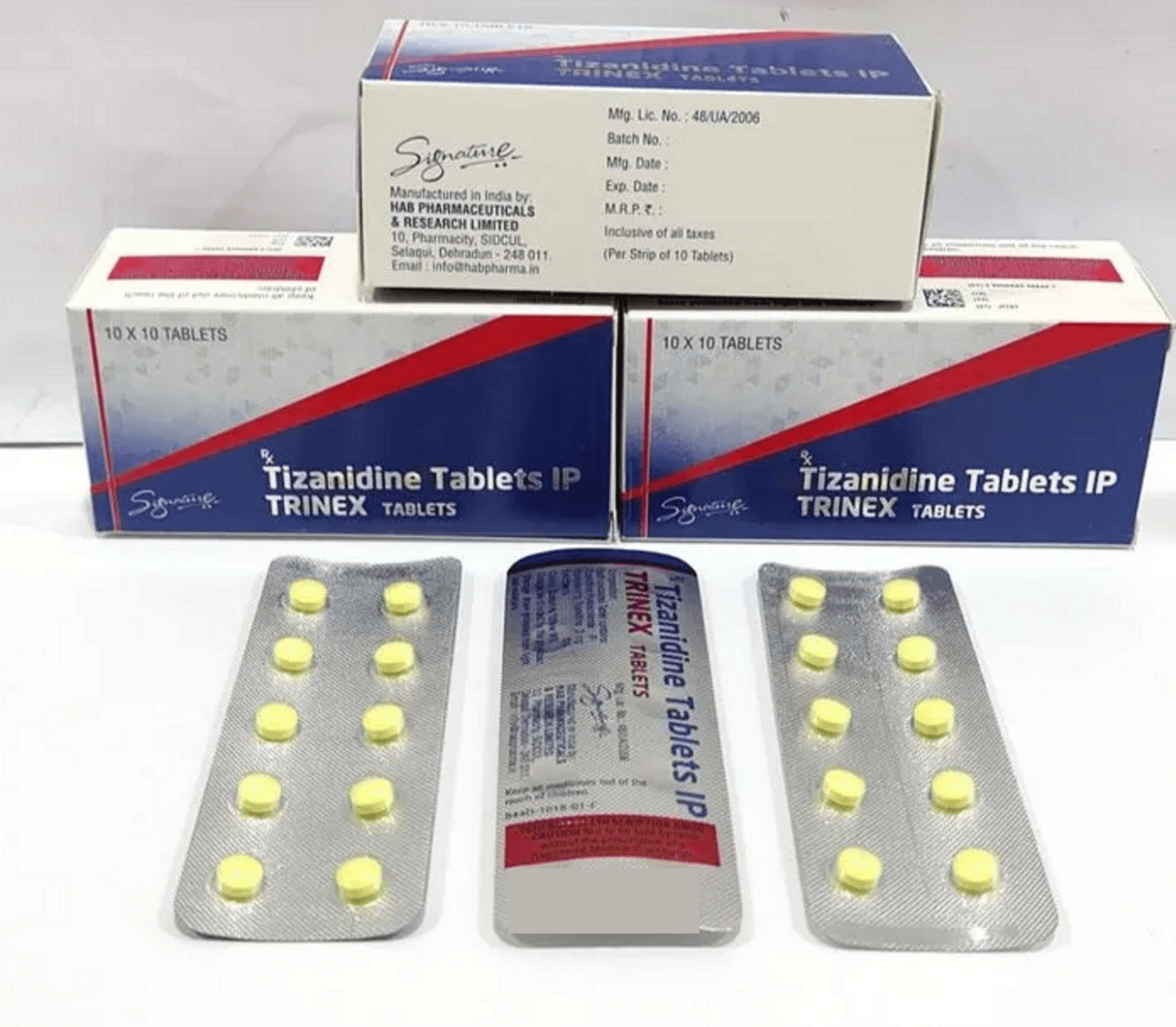
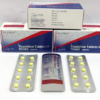
Trinex
✅ Облекчава мускулните спазми
✅ Намалява мускулната твърдост
✅ Подобрява подвижността
✅ Облекчава болката
✅ Подобрява мускулната функция
Trinex съдържа Tizanidine.
✓ Медицински преглед от Morgan Ellis — Фармацевтичен изследовател · 8 години опит · Последен преглед: май 2026 г.
⚡ Бърз отговор — Какво е Trinex?
Trinex е таблетка тизанидин 2 mg, централно действащ агонист на алфа-2 адренергичните рецептори мускулен релаксант, използван за спастичност (мускулна скованост при заболявания на горните моторни неврони) и остра болезнена мускулно-скелетна спазма. Обичайната начална доза е 2 mg три пъти дневно, титрувано бавно до максимум от 36 mg/ден в 3–4 разделени дози. Тизанидинът има кратък полуживот (~2,5 часа), затова е необходимо често дозиране. Най-честият страничен ефект е сънливост; никога не се комбинира с ципрофлоксацин или флувоксамин (10-кратно увеличение на нивата в кръвта).
📦 Всяка поръчка е покрита от нашата Политика за повторна изпратка — ако вашата пратка не пристигне в рамките на 20 работни дни, ние я изпращаме отново.
Защо да поръчвате от MedsBase
Нашите генерични лекарства се доставят от производители, сертифицирани от WHO-GMP, и се изпращат по целия свят в дискретна, обикновена опаковка — без име на лекарството външно на пратката. Плащанията с карта се обработват чрез регулиран процесор (описанието на извлечението включва регулиран процесор за плащане с карта — никога “MedsBase” или име на лекарство). Приемат се също криптовалути и банков превод SEPA. Всяка поръчка е подкрепена от нашата политика за гарантирано преизпращане.
Trinex 2 mg е орална таблетка, съдържаща тизанидин, централно действащо средство за релаксация на скелетните мускули. За разлика от циклобензаприн (трицикличен дериват с депресивно действие върху ЦНС) или метокарбамол и метаксалон (общи депресанти на полисинаптичните рефлекси), тизанидинът действа чрез различен и по-целенасочен механизъм: той е агонист на алфа-2 адренергичните рецептори, тясно свързан с антихипертензивния клонидин, но с по-селективен ефект върху спинномозъчните моторни рефлекси.
Тизанидинът е едно от първоизборните лекарства за спастичност — мускулната ригидност, която се развива при множествена склероза, травми на гръбначния мозък, инсулт, церебрална парализа и травматични увреждания на мозъка. Използва се също при остро болезнен мускулно-скелетен спазъм (болки в кръста, болки в шията, мускулни разтежения) и като допълнение при управлението на хронична болка.
За какво се използва Trinex?
- Спастичност при множествена склероза — една от най-честите показания
- Спастичност след инсулт (хемиплегична спастичност)
- Спастичност при травма на гръбначния мозък
- Спастичност при церебрална парализа (деца, под специализиран педиатричен надзор)
- Остри болки в кръста и мускулен спазъм
- Остра болка в шията, цервикално напрежение, тортиколис
- Главоболие от напрежение с изразен цервикален мускулен компонент
- Миофасциален болков синдром — като допълнителна терапия
- Фибромиалгия — извън официалните показания, вечерна доза
- Тригеминална невралгия — като допълнение към карбамазепин
- Хронична невропатична болка — извън официалните показания, допълнителна терапия
Как действа Tizanidine?
Тизанидинът е централен агонист на алфа-2 адренергичните рецептори. Действа на ниво на гръбначния мозък, където алфа-2 рецепторите на пресинаптичните терминали на възбудените интерневрони намаляват освобождаването на възбудени аминокиселини (глутамат, аспартат) върху моторните неврони. Това намалява рефлексната възбудимост на спиналните моторни неврони, редуцира мускулния тонус и спастичността, без значително да влияе на мускулната сила или самия нервно-мускулен преход.
За разлика от баклофен (агонист на GABA-B, също използван при спастичност), тизанидинът не причинява същата степен на мускулна слабост — затова пациентите често го предпочитат, когато все още трябва да използват засегнатия крайник.
Дозиране на Trinex
- Начална доза: 2 mg три пъти дневно
- Титруване: увеличаване с 2–4 mg на всеки 1–4 дни, доколкото се понася
- Ефективен диапазон на дозиране: 2–8 mg три до четири пъти дневно
- Максимална доза: 36 mg на ден, разделени на 3–4 дози, не повече от 12 mg на доза
- ~1.5 часа; чернодробен метаболизъм с ~80% бъбречно изхвърляне на метаболити около 2,5 часа — затова дозирането трябва да е често (3–4 пъти дневно) за продължителен ефект
- Бъбречна недостатъчност (CrCl < 25 mL/min): започнете с 2 mg веднъж дневно; титрирайте много внимателно
- Хепатална недостатъчност: използвайте с предпазливост; мониторирайте чернодробните ензими
- Възрастни: започнете с 2 mg веднъж или два пъти дневно; титрирайте внимателно
Прием на тизанидин последователно: винаги или с храна, или без храна — но не и двете. Храната променя максималната концентрация в плазмата до 30%, а преминаването между хранено и гладно състояние по време на лечението ще доведе до непредвидими ефекти. Повечето пациенти го понасят по-добре с храна.
Критични взаимодействия с лекарства. Тизанидинът се метаболизира почти изключително от чернодробния ензим CYP1A2. Лекарства, които блокират CYP1A2, могат да повишат нивата на тизанидин в кръвта 10 пъти или повече — причинявайки тежка хипотония, изразена сънливост или загуба на съзнание. Никога не комбинирайте тизанидин с: ципрофлоксацин, флувоксамин (SSRI). Използвайте с крайна предпазливост с: норфлоксацин, мексилетин, зилеутон, орални контрацептиви, циметидин, пропафенон, амиодарон и тиклопидин. Винаги уведомявайте всеки нов лекар, че приемате тизанидин.
Кой не трябва да приема Trinex?
- Известна свръхчувствителност към тизанидин
- Едновременно използване на ципрофлоксацин или флувоксамин — абсолютна контраиндикация
- Тежко чернодробно увреждане
- Едновременно използване на алфа-2 агонисти (клонидин, гуанфацин, дексмедетомидин) — добавъчна хипотония
- Използвайте с крайна предпазливост при: хипотония, брадикардия, удължаване на QT интервала, тежка бъбречна недостатъчност, възрастни пациенти
- Бременност и кърмене — недостатъчни данни; избягвайте, освен ако не е абсолютно необходимо
Странични ефекти
- Много често (> 10%): сънливост (особено през първата седмица), сухота в устата, умора, замаяност
- Чести: хипотония (постурална, особено през първите 2 седмици), брадикардия, мускулна слабост, астения, безсъние (парадоксално), запек
- Нечесто срещани: повишени чернодробни ензими, халюцинации (визуални, особено през първата седмица), често уриниране
- Рядко, но сериозни: тежка хепатотоксичност, остър хепатит (обратим при спирането), синкопа, удължаване на QT интервала
Никога не спирайте тизанидина внезапно след продължителна употреба. Отказът може да причини рикошетна хипертония, тахикардия и остър скок на спастичността. Всеки курс по-дълъг от 2–3 седмици трябва да се намалява постепенно в рамките на 1–2 седмици под лекарски надзор.
Trinex срещу други мускулни релаксанти
| Лекарство | Механизъм на действие | Най-добро за | Основен страничен ефект |
|---|---|---|---|
| Тизанидин (Trinex) | α2-адренергичен агонист | Спастичност (при множествена склероза, инсулт, травма на гръбначния мозък); остър спазъм | Сънливост, хипотония |
| Baclofen | GABA-B агонист | Спастичност (горен моторен неврон) | Мускулна слабост, сънливост |
| Циклобензаприн (Flexabenz) | Централен мозъчен ствол | Остра мускулно-скелетна спазма | Сънливост, антихолинергичен ефект |
| Метокарбамол (Robinax) | Спинална полисинаптична рефлексна верига | Остра спазма, дневна употреба | Сънливост, замаяност |
| Метакасалон (Flexura) | Спинална полисинаптична рефлексна верига | Остра спазми, ниска нужда от успокояване | Лека сънливост |
| Толперизон (Synaptol) | Модулация на Na⁺/Ca²⁺ канали | Спастичност; остра спазма; без седативен ефект | Минимална седация |
Поръчка и доставка
MedsBase предлага световна доставка на всяка поръчка. Поръчките се изпращат в дискретна опаковка и пристигат в оригинални производителни опаковки. Ако предпочитаната от вас доза или размер на опаковката е изчерпан, свържете се с поддръжката на клиенти за очаквано време за доставка.
Медицинска декларация. Информацията на тази страница е предоставена само за общо образование. Тя не е заместител на съветите от вашия лекар или фармацевт. Консултирайте се с квалифициран здравен специалист преди да започнете, спрете или промените терапията.
Често задавани въпроси
За какво се използва Trinex?
Trinex (tizanidine 2 mg) се използва за спастичност — мускулна твърдост при множествена склероза, инсулт, нараняване на гръбначния мозък или церебрална парализа — и за остро болезнено мускулно-скелетно спазми (болки в кръста, болки в шията). Също така се използва оф-лейбъл за главоболие от напрежение и фибромиалгия.
Как се различава tizanidine от другите мускулни релаксанти?
Tizanidine е алфа-2 адренергичен агонист (като клонидин), докато повечето други орални мускулни релаксанти са общи депресанти на ЦНС. Механистичната разлика означава, че tizanidine е по-насочен към спастичност и причинява по-малко обща седация в сравнение с циклобензаприн, но повече хипотензия и повече лекарствени взаимодействия в сравнение с метаксалон или метокарбамол.
Защо моят лекар казва да избягвам ципрофлоксацин с Trinex?
Ципрофлоксацин блокира чернодробния ензим CYP1A2, който е единственият път за разграждане на tizanidine. Комбинирането на двете може да увеличи нивата на tizanidine 10 пъти или повече, причинявайки тежка хипотензия, силна седация или безсъзнание. Това е абсолютна контраиндикация.
Колко време отнема Trinex да подейства?
Мускулно-релаксиращият ефект започва в рамките на 1–2 часа след приема и достига максимум около 1 час. Тъй като времето за полуразпад е кратко (~2.5 часа), ефектът изчезва в рамките на 4–6 часа — затова дозирането е 3–4 пъти на ден.
Трябва ли да приемам Trinex с храна?
Бъдете последователни — или винаги с храна, или винаги без храна. Храната променя максималната плазмена концентрация до 30%, и превключването между хранен и гладен режим ще причини непредвидими ефекти. Повечето пациенти намират, че приемането му с храна е по-толерантно.
Предизвиква ли Trinex сънливост?
Да — сънливостта засяга повече от 1 от 3 потребители, особено през първите 1–2 седмици и след всяко увеличение на дозата. Обикновено се подобрява с продължителна употреба. Не карайте и не оперирайте машини, докато не разберете как реагирате.
Мога ли да приемам Trinex с лекарства за кръвно налягане?
Да, но с предпазливост. Tizanidine може да понижи кръвното налягане, особено при комбинация с ACE инхибитори, ARB, блокатори на калциевите канали или диуретици. Следете кръвното налягане внимателно през първите 1–2 седмици и при всяко увеличение на дозата.
Мога ли да спра Trinex внезапно?
Не — не след продължителна употреба. Внезапното преустановяване може да причини ребаунд хипертония, тахикардия и рязко увеличение на спастичността. Лечението, продължило над 2–3 седмици, трябва да се намалява постепенно в продължение на поне 1–2 седмици.
Предизвиква ли Trinex пристрастяване?
Tizanidine не е контролирано вещество и не причинява същия вид физическа зависимост като бензодиазепините или опиоидите. Въпреки това, дългосрочната терапия изисква постепенно намаляване на дозата поради физиологични причини (ребаунд ефект).
Мога ли да пия алкохол, докато приемам Trinex?
Избягвайте алкохол. Той усилва сънливостта, замаяността и хипотонията — включително риска от падания.
Безопасен ли е Trinex по време на бременност?
Данните са ограничени. Избягвайте употребата по време на бременност и кърмене, освен ако лекарят ви го смята за абсолютно необходимо.
За пациенти, приемащи tizanidine, които искат да избегнат хипотонията и сънливостта, характерни за алфа-2 агонистите, Synaptol (tolperisone 150 mg) осигурява облекчаване на мускулните спазми чрез различен механизъм с много по-лек профил на странични ефекти.
Вижте също: Synaptol 150 mg — алтернатива на толперизон, когато седацията от циклобензаприн е неприемлива — централно действие без сънливост от H1 антихистамини.
Свързани алтернативи
Други продукти в Хронични заболявания които клиентите също разглеждат:
Още опции в лекарства за облекчаване на болка
Класирани според скорошния обем на поръчки в MedsBase — какво избират други клиенти в тази категория.


| Сила | 2 mg |
|---|---|
| Количество | 30 Таблетки, 60 Таблетки, 90 Таблетки, 180 Таблетки |
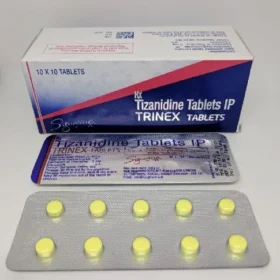 Trinex
Въпроси и отговори
Trinex
Свързани продукти







Отзиви
Все още няма отзиви