







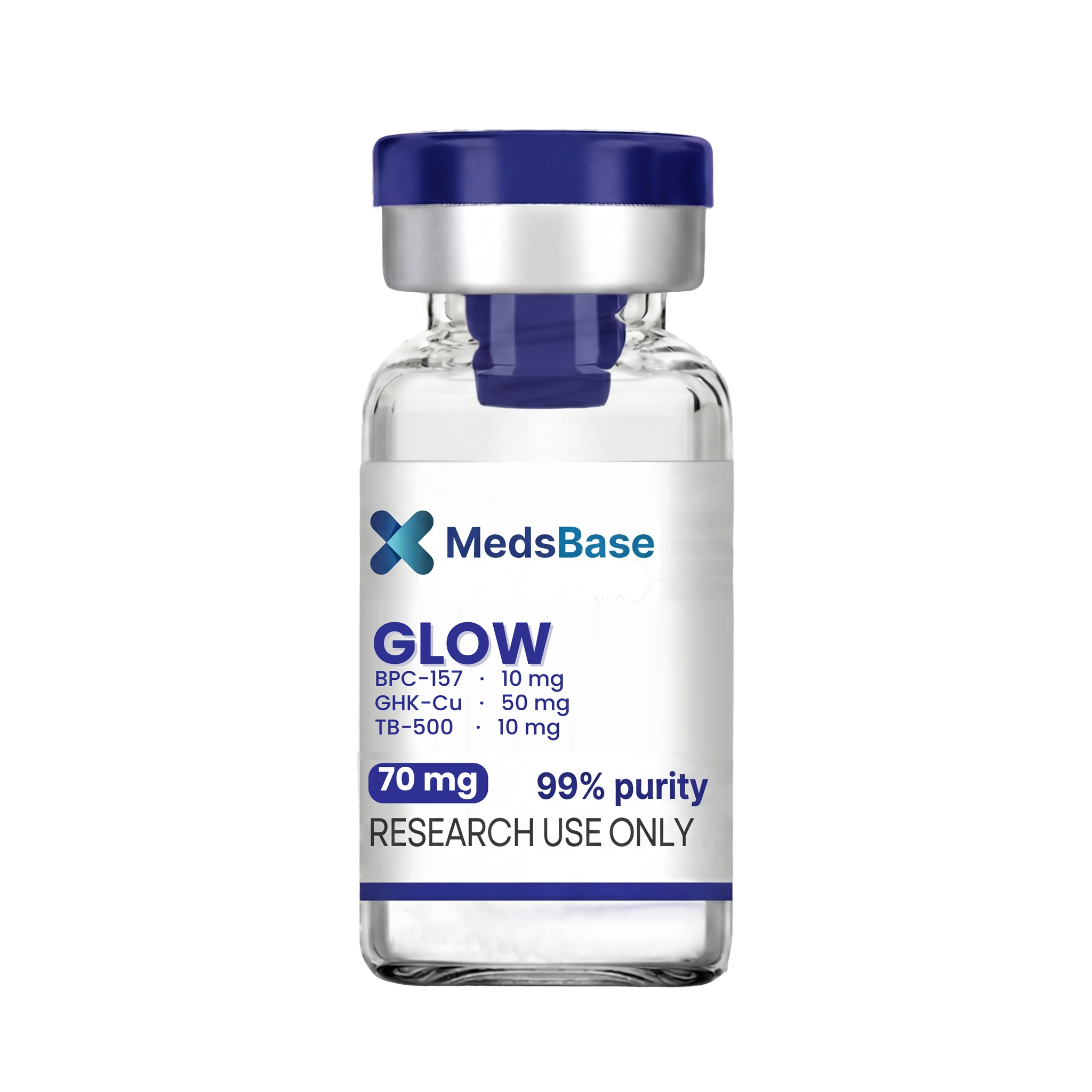
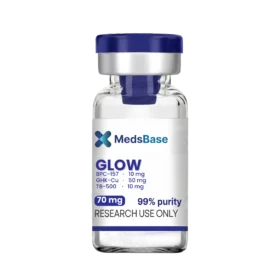
GLOW Blend (BPC-157 10 mg + GHK-Cu 50 mg + TB-500 10 mg)
✅ Трипептидна ко-формулирана регенеративна смес
✅ BPC-157 (10mg) + GHK-Cu (50mg) + TB-500 (10mg)
✅ Локална ангиогенеза + дермален ремоделинг + системна клетъчна миграция
✅ Една флаконка, едно разтваряне
✅ Общо 70mg пептиди на флакон
GLOW е ко-формулирана пептидна смес.
✓ Медицински преглед от Morgan Ellis — Фармацевтичен изследовател · 8 години опит · Последен преглед: май 2026 г.
Бърз отговор — Какво е GLOW?
GLOW е комбинирана смес от три пептида, която обединява BPC-157 10 mg, GHK-Cu 50 mg, и TB-500 10 mg в една лиофилизирана флакон. Комбинацията покрива три взаимодопълващи се регенеративни механизма при едно прилагане: локалната ангиогенна и сигнализация на фактори на растежа на BPC-157, медено-опосредваната дермална ремоделация на GHK-Cu и системната миграция на тъкани, свързана с G-актин на TB-500. Всеки флакон съдържа 70 mg общ пептид, предназначен само за лабораторни изследвания.
📦 Всяка поръчка е покрита от нашата Политика за повторна изпратка — ако вашата пратка не пристигне в рамките на 20 работни дни, ние я изпращаме отново.
| Спецификация | Детайл |
|---|---|
| Състав | BPC-157 10 mg + GHK-Cu 50 mg + TB-500 10 mg на флакон (масово съотношение 1:5:1, комбинирана формула) |
| Общо пептиди на флакон | 70 mg обща маса на пептидите |
| CAS номера на компонентите | 137525-51-0 (BPC-157) / 49557-75-7 (GHK-Cu) / 77591-33-4 (TB-500 / тимозин бета-4) |
| Профил на механизма | VEGF-опосредвана ангиогенеза (BPC-157) + медено-опосредвана дермална ремоделация (GHK-Cu) + системна миграция на тъкани, свързана с G-актин (TB-500) — три взаимодопълващи се регенеративни пътя |
| Форма | Лиофилизиран комбиниран прах (светлосиньо оцветяване от свързаната Cu2+) |
| Чистота | ≥99% (всеки компонент проверен чрез HPLC, сертификат за анализ при поискване) |
| Съхранение | Лиофилизиран: 2–8 °C (хладилник) за работен запас; −20 °C за дългосрочно съхранение на неотворени флакони. Рекоституиран: 2–8 °C, използвайте в рамките на ~30 дни. Защитавайте от светлина. Не замразявайте и размразявайте рекоституирания разтвор. |
| Разтворимост | Бактериостатична вода (препоръчителна). И трите пептида се реконституират едновременно от един и същ флакон; реконституираният разтвор трябва да запази леко синьо оцветяване от свързаната Cu2+ на GHK-Cu. |
| За изследователска употреба | Само за лабораторни изследвания. Не за диагностична или терапевтична употреба при хора или животни. |
Какво е GLOW?
GLOW е изследователска комбинирана смес от три пептида, която обединява BPC-157 (Съединение за защита на тялото 157), GHK-Cu (Глицил-Хистидил-Лизин меден(II) комплекс), и TB-500 (Тимозин Бета-4 фрагмент) в една лиофилизирана флакон с масово съотношение 1:5:1 — 10 mg BPC-157, 50 mg GHK-Cu и 10 mg TB-500 на флакон, общо 70 mg пептидна маса. Трите пептида представляват три от най-цитираните съединения в регенеративните изследвания в публикуваната литература, като всеки действа по различен молекулярен механизъм: BPC-157 върху локалната ангиогенеза и сигнализирането на фактори на растежа, GHK-Cu върху мед-опосредованата дермална ремоделация и антиоксидантното сигнализиране, и TB-500 върху системното свързване на G-актин и клетъчната миграция.
Стратегическата логика за сместа GLOW е допълващи се, непресичащи се механизми по три регенеративни оси. Всеки компонентен пептид има различен молекулярен таргет и модел на тъканно разпределение, така че съвместното им прилагане обхваща по-широк спектър от изследователски цели в сравнение с всеки отделен компонент. Сместа е предназначена за изследвания, които се възползват от едновременната активация на трите пътя — случай на употреба, различен от изследователските дизайни, изискващи независимо дозиране на всеки компонентен пептид.
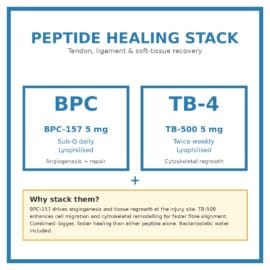
За изследвания, които изискват независимо дозиране на всеки пептид (различни дози, различни схеми, различни формулировки на носители), компонентите са достъпни и като отделни флакони: BPC-157, GHK-Cu, и TB-500. Отделна група от три флакона — Комплекс за регенерация с пептиди (BPC-157 + TB-500 + бактериостатична вода, изпратени заедно като три отделни флакона) — предоставя друга алтернатива за изследвания, изискващи гъвкавост в дозирането на компонентите. Ко-формулацията GLOW е специално предназначена за изследвания при фиксираното масово съотношение 1:5:1 с реконституиране от един флакон.
GLOW се доставя като високочиста лиофилизирана смес за реконституиране с бактериостатична вода. Реконституираният разтвор запазва лек син оттенък от свързаната Cu2+ на компонента GHK-Cu — полезен качествен индикатор, че медната координация е запазена през лиофилизацията и реконституцията. GLOW е неодобрен от FDA, EMA, MHRA или друг голям регулаторен орган за терапевтична употреба при хора като комбинация или като някой от съставните пептиди. Изследователският продукт GLOW, продаван тук, се доставя само за лабораторни изследвания и не е предназначен за човешка или ветеринарна употреба.
Механизъм на действие — Три взаимно допълващи се регенеративни пътища
Това, което прави ко-формулацията GLOW фармакологично отличителна, е триосен механизъм на действие — всеки компонент активира фундаментално различен регенеративен път, като трите са несвързани на молекулярно ниво. Публикуваните изследвания за всеки компонент са установили механизма в детайли; комбинацията просто доставя и трите с едно приложение:
- BPC-157 (10 mg) — VEGF/NO/GH-рецепторна сигнализация за локална тъканна репарация — 15-аминокиселинният пентадекапептид, получен от стомашен сок, увеличава експресията на VEGFR2 (стимулира образуването на нови капиляри на местата на нараняване), подобрява активността на ендотелната азотна оксид синтаза (защитава сърдечно-съдовия ендотел) и увеличава експресията на рецепторите за растежен хормон при фибробласти и теноцити (стимулира синтеза на колаген). Най-цитираният изследователски сигнал: възстановяване на сухожилия, лигаменти, чревна бариера и скелетни мускули. Действа по-локално отколкото системно на мястото на инжектиране.
- GHK-Cu (50 mg) — мед-опосредвана дермална ремоделация и антиоксидантна сигнализация — Cu2+— координираният трипептид доставя мед като кофактор за ензимите лизил оксидаза (кръстосано свързване на колаген/еластин) и супероксид дисмутаза (буфериране на оксидативен стрес), като едновременно сигнализира към дермалните фибробласти и кератиноцити. Най-цитираният изследователски сигнал: ремоделиране на кожата, заздравяване на рани, антистареене в изследванията на съединителната тъкан, поддръжка на космени фоликули, фармакология на медния път. По-високата доза (50 mg в сместа) отразява по-големите дози, типични за изследванията на медните пептиди, в сравнение с микрограмовите дози на другите два компонента.
- TB-500 (10 mg) — G-актинова секвестрация и системна клетъчна миграция — 43-аминокиселинният тимичен пептид е каноничното системно регенеративно съединение, свързващо мономерния G-актин и модулиращо актиновата динамика за стимулиране на клетъчната миграция, особено на местата на нараняване. Най-цитираният изследователски сигнал: системно възстановяване на мускулите и сърцето, сърдечно-съдова репарация и широка системна дистрибуция, която допълва по-локализираното действие на BPC-157. Действа като ’системна ръка“ към ”локалната ръка’ на BPC-157.
Трите пътища са механично допълващи се, а не излишни: BPC-157 действа локално на мястото на нараняване, TB-500 се разпределя системно и поддържа клетъчната миграция глобално, а GHK-Cu осигурява доставка на медни кофактори и специфична за дермалната тъкан сигнализация. Съвместното прилагане на трите в изследователски модели покрива ангиогенезата (BPC-157), системното възстановяване (TB-500) и дермалната тъканна ремоделация (GHK-Cu) едновременно — по-широко покриване на изследователските крайни точки от всеки отделен компонент. И трите пептида имат добре толериран профил в публикувани преклинични изследвания, а комбинираните протоколи са описани в някои публикувани изследователски модели на многоосна тъканна регенерация.
Публикувани изследователски приложения
Изследванията на комбинираната формула GLOW се използват в лабораторни условия за изследване на:
- Изследвания на регенерацията на тъкани по множество оси — предклинични модели, комбиниращи системни и локални регенеративни крайни точки; ангиогенеза + миграция на клетки + дермално премоделиране в единични изследователски дизайни
- Изследвания на заздравяването на рани — кожни модели на рани (пълна дебелина, частична дебелина, изгаряния), кинетика на свиването на рани, образуване на гранулационна тъкан, характеризация на белезова тъкан; един от по-изчерпателните подходи по множество оси
- Възстановяване на сухожилия, лигаменти и меки тъкани — модели на пресичане на Ахилово сухожилие при гризачи, изследвания на разкъсване на медиален колатерален лигамент; публикуваната литература за BPC-157 + TB-500 е обширна, като добавянето на GHK-Cu осигурява подкрепа за медните кофактори при кръстосано свързване на колаген
- Изследвания на премоделиране на кожата и дермални изследвания — синтез на колаген и еластин, пролиферация на дермални фибробласти, изследвания на фотостареене; компонентът GHK-Cu доминира в тази изследователска област
- Сравнителни изследвания на комбинирани формули — директно сравнение с самостоятелни BPC-157, TB-500, и GHK-Cu групи; анализ на адитивни срещу синергични ефекти при комбинацията по три оси
- Изследвания на възстановяване на сърдечно-съдовата система — комбинираният ангиогенен (BPC-157) и миграционен (TB-500) сигнал е добре подходящ за модели на сърдечно-съдово възстановяване и сърдечна исхемия
- Изследвания на антистареене и дълголетие — публикувани трудове за ефектите на медните пептиди при стареене на дермалната и съединителната тъкан, особено свързани с компонента GHK-Cu; комбинирани с BPC-157 + TB-500 за по-широки изследователски дизайни върху стареенето на тъканите
- Изследвания на възпалението и оксидативния стрес — ролята на медта като кофактор за супероксид димутазата, заедно с възпалително-модулиращите ефекти на BPC-157 и TB-500, осигуряват многостранно покритие на изследванията върху възпалението.
За по-широк контекст вижте нашите индивидуални BPC-157, GHK-Cu, и TB-500 продуктови страници за фармакология на ниво компонент, Комплекс за регенерация с пептиди за алтернативния комплект от три отделни флакона (BPC-157 + TB-500 + бактериостатична вода), и сродния меден пептид AHK-Cu за изследвания върху косата. Разгледайте пълната каталог с изследователски пептиди за свързани съединения.
Налични конфигурации
MedsBase предлага сместа GLOW в една комбинирана формула: 10 mg BPC-157 + 50 mg GHK-Cu + 10 mg TB-500 на флакон (съотношение на масите 1:5:1, общо 70 mg пептиди). Флаконът е наличен в опаковки от 10 или 20 флакона с пълни указания за реконституиране:
| Състав на флакона | Типичен сценарий за изследователска употреба | Размери на опаковките |
|---|---|---|
| 10 mg BPC-157 + 50 mg GHK-Cu + 10 mg TB-500 | Стандартна триосна регенеративно-изследователска смес — ангиогенеза + дермално премоделиране + системна клетъчна миграция при еднократно прилагане | 10 или 20 флакона |
И трите компонента се доставят с ≥99% HPLC чистота (всеки проверен индивидуално) и предварително смесени в една и съща лиофилизирана флакона. Тъй като трите пептида имат различни изследователски дозови диапазони и различни роли в сместа, масовото съотношение 1:5:1 е фиксирано при производството. Изследователи, които изискват различни съотношения, трябва да използват отделните BPC-157, GHK-Cu, и TB-500 флакони. В сравнение с покупката на трите компонента поотделно, GLOW ко-формулацията предлага значителна икономия на разходи и практично удобство на еднократно реконституиране във фиксирано изследователско съотношение.
Как се сравнява — GLOW смес срещу Пептиден лечебен стек
MedsBase предлага два мулти-пептидни изследователски продукта, които комбинират същата по-широка лечебно-пептидна фармакология в различни опаковъчни формати. Изборът между тях зависи от изискванията на изследователския дизайн:
| Критерий | GLOW Blend | Комплекс за регенерация с пептиди |
|---|---|---|
| Опаковъчен формат | Един флакон, ко-формулиран | Три отделни флакона, изпратени заедно |
| Състав | BPC-157 10 mg + GHK-Cu 50 mg + TB-500 10 mg | BPC-157 5 mg + TB-500 5 mg + Бактериостатична вода |
| Брой компоненти | Три пептида (добавя меден пептид) | Два пептида + разтворител (без меден пептид) |
| Гъвкавост на дозата | Фиксирано масово съотношение 1:5:1 на флакон | Независимост на дозата за всеки компонент |
| Реконституиране | Единично реконституиране | Реконституиране на флакон |
| Сценарий на употреба | Удобство + изследвания с фиксирано съотношение; по-широко 3-осно покритие, включително дермален ремоделинг | Гъвкава доза за изследвания; класичен фокус върху заздравяването с 2 оси (само BPC + TB) |
Изследователските дизайни, които изискват гъвкаво дозиране на компоненти или които не се нуждаят от медния пептиден елемент, трябва да използват Комплекс за регенерация с пептиди. Изследователските дизайни, които се възползват от по-широкото покритие на три оси (включително дермално-тъканно ремоделиране) и които са удобни с фиксираното масово съотношение 1:5:1, трябва да използват сместа GLOW. И двата варианта са предварително подготвени за най-цитираната изследователска фармакология на лечебни пептиди — разликата е във формата на опаковката и широчината на компонентите.
Съхранение и реконституиране
Преди реконституиране: съхранявайте лиофилизираните флакони в хладилник при 2–8 °C в оригиналната опаковка за краткосрочен запас. За дългосрочно съхранение на неотворени флакони, замразете при −20 °C. Лиофилизираната ко-формулация GLOW е стабилна в хладилник до 24 месеца и при −20 °C до 36 месеца. И трите компонентни пептида имат добре съвместими профили на стабилност в лиофилизирано състояние. Избягвайте цикли на замразяване-размразяване на лиофилизирания прах.
Процедура за реконституиране: инжектирайте бактериостатична вода по стената на флакона (не директно върху лиофилизираната маса). Тъй като флаконът съдържа общо 70 mg пептидна маса, реконституиране с 2,0 mL дава работна концентрация на общите пептиди от 35 mg/mL — еквивалентно на 5 mg/mL BPC-157, 25 mg/mL GHK-Cu и 5 mg/mL TB-500. Разбъркайте леко — не не разклащайте — и оставете 2–5 минути за пълно разтваряне. Правилно реконституираният разтвор трябва да е прозрачен с лек син оттенък от свързаната мед2+ на компонента GHK-Cu — цветът е полезен качествен индикатор, че медната координация е останала непокътната при лиофилизацията и реконституирането. Мътност, утайка или липса на син оттенък показват проблем; изхвърлете и опитайте отново.
След реконституиране: съхранявайте в хладилник при 2–8°C и използвайте в рамките на 30 дни за оптимална стабилност на трите компонента. Не замразявайте реконституирания разтвор — циклите на замразяване и размразяване влошават целостта на пептидите и могат да повлияят на координацията на медта. Защитавайте от пряка светлина по всяко време. Изхвърлете всяка флаконка, която показва мътеност, утайка или обезцветяване, извън очаквания бледо син оттенък.
Често задавани въпроси
За какво се използва GLOW в изследванията?
GLOW се използва в лабораторни изследвания за изследване на мулти-осова тъканна регенерация — специално протоколи, които се възползват от едновременната активация на три допълващи се регенеративни пътя (BPC-157 ангиогенеза + GHK-Cu дермално ремоделиране + TB-500 системна клетъчна миграция) в една администрация. Често срещани изследователски контексти включват модели на заздравяване на рани, възстановяване на сухожилия и меки тъкани, ремоделиране на кожата, сърдечно-съдови поправки, изследвания на съединителната тъкан против стареене и сравнителна фармакология на ко-формулиране. Изследователският GLOW, продаван тук, е не Одобрен от FDA и се доставя строго за лабораторни изследвания.
Какво съдържа флакон GLOW?
Each vial contains 10 mg BPC-157, 50 mg GHK-Cu и 10 mg TB-500, ко-формулирани и лиофилизирани заедно като единичен прах. Обща маса на пептидите във флакон: 70 mg. Масовото съотношение 1:5:1 отразява различните изследователски значими дози на трите компонента (BPC-157 и TB-500 се използват в микрограм до ниски милиграм дози; GHK-Cu се използва в ниски до средни милиграм дози). И трите пептида се реконституират едновременно при добавяне на бактериостатична вода.
Двата продукта комбинират сродни лечебни пептиди, но в различни опаковъчни формати.
е един флакон с три пептида (BPC-157 + GHK-Cu + TB-500) ко-формулирани заедно в фиксирано съотношение 1:5:1. The. GLOW е единичен флакон с три пептида (BPC-157 + GHK-Cu + TB-500), коформулирани заедно във фиксирано съотношение 1:5:1. Той Комплекс за регенерация с пептиди са три отделни флакона (BPC-157 + TB-500 + бактериостатична вода), изпратени в една пратка. GLOW добавя меден пептид и обединява реконституцията; Peptide Healing Stack предлага независимост на дозирането за всеки компонент без меден пептид. Изберете въз основа на това дали изследванията ви изискват дермално-ремоделираща ос (GLOW) или гъвкавост в дозирането на компоненти (Peptide Healing Stack).
Как се различава GLOW от отделните пептидни компоненти?
Компонентите са достъпни и като самостоятелни продукти: BPC-157, GHK-Cu, и TB-500. Самостоятелните флакони позволяват контрол на дозата за всеки компонент, различни графици за всеки пептид и различни формулировки на носител за всеки пептид. Ко-формулацията GLOW фиксира съотношението на дозите в масово съотношение 1:5:1, но предлага удобство (една реконституция, една инжекция) и умерени икономии в сравнение с закупуването на трите компонента поотделно.
Каква е типичната изследователска доза на GLOW?
Дозата зависи от изследователската цел. Консервативните протоколи използват 0,04 mL от реконституиран разтвор с концентрация 35 mg/mL (~200 mcg BPC-157 + 1 mg GHK-Cu + 200 mcg TB-500 на администрация) няколко пъти седмично. Протоколите с по-високи дози увеличават пропорционално в рамките на фиксираното съотношение 1:5:1. Изследователи, които изискват различни съотношения, трябва да използват самостоятелните компоненти вместо сместа.
GLOW одобрен ли е от FDA?
Не. GLOW не е одобрен от FDA, EMA, MHRA или друг голям регулатор като комбиниран продукт. Нито един от трите отделни компонента (BPC-157, GHK-Cu, TB-500) няма одобрение от FDA за терапевтична употреба при хора. GHK-Cu е включен в някои козметични продукти в рамките на козметичните регулации, но нито един от трите пептида не е одобрен като лекарство. Целият GLOW, продаван от доставчици само за изследователска употреба, е предназначен за лабораторни изследвания и не трябва да се прилага на хора.
Защо разтворът GLOW има син оттенък?
Слабият син оттенък идва от свързания Cu2+ на компонента GHK-Cu — по-специално от d-d електронните преходи на медта в квадратно-плоската координационна среда, създадена от трипептида Gly-His-Lys. Цветът е полезен качествен индикатор за непокътнатата медена координация: правилно реконституиран разтвор GLOW трябва да показва слаб видим син оттенък; безцветен или блед разтвор би означавал загуба на мед или разграждане на компонента GHK-Cu. Другите два пептида (BPC-157, TB-500) не допринасят за цвета.
Как трябва да се съхранява GLOW?
Лиофилизирани флакони: охлаждани при 2–8 °C за краткосрочно съхранение на работен запас, или при −20 °C за дългосрочно съхранение на неотворени флакони. Реконституиран разтвор: охлажда се при 2–8 °C, използва се в рамките на 30 дни. Не замразявайте реконституиран разтвор — циклите на замразяване и размразяване влошават целостта на пептидите и могат да повлияят непропорционално върху медената координация или стабилността на пептидната верига. Защитавайте от пряка светлина по всяко време.
Как да реконституирам GLOW?
Следвайте процедурата за реконституиране по-горе. Добавете бактериостатична вода по стената на флакона (не върху лиофилизираната маса), разбъркайте леко и оставете за 2–5 минути за пълно разтваряне. Не не Разклатете флакона. И трите пептида се реконституират едновременно от един и същ флакон. Правилно реконституиран разтвор е прозрачен със слаб син оттенък. За флакон + 2,0 mL разтворител работната концентрация е 5 mg/mL BPC-157, 25 mg/mL GHK-Cu и 5 mg/mL TB-500.
Какви конфигурации предлага MedsBase?
MedsBase предлага GLOW в една ко-формулация: 10 mg BPC-157 + 50 mg GHK-Cu + 10 mg TB-500 на флакон (общо 70 mg пептид, масово съотношение 1:5:1, лиофилизиран). Флаконът е наличен в опаковки от 10 или 20 флакона. Всеки компонент е проверен индивидуално с HPLC чистота ≥99% с сертификат за анализ, достъпен при поискване.
Мога ли да купя компонентите на GLOW поотделно?
Да — MedsBase предлага и трите пептидни компонента като самостоятелни продукти: BPC-157 в флакони по 2/5/10 mg, GHK-Cu, и TB-500 в флакони по 2/5/10 mg. Отделните флакони са полезни, ако изследователските протоколи изискват дозови съотношения, различни от фиксираното 1:5:1 съотношение на GLOW, или ако изследователите желаят различно дозиране за всеки пептид. Комбинираният GLOW продукт предлага удобство и икономия на разходи за изследвания при съотношение 1:5:1.
Предизвиква ли GLOW странични ефекти при изследвания?
И трите компонентни пептида имат добре толериран профил в публикуваните предклинични изследвания при типични изследователски дози. Най-последователният ефект при комбинацията е същият като при отделните компоненти: локални реакции на мястото на инжектиране, случайно приливане на кръв при по-високи дози и (рядко) леко оцветяване на кожата на мястото на инжектиране от отлагане на мед (от компонента GHK-Cu). Системните странични ефекти са необичайни в публикуваната предклинична литература за всеки от трите пептида.
Колко време отнема GLOW да прояви ефекти в предклинични изследвания?
Настъпването на ефекта варира в зависимост от изследователските цели. Локалните ефекти върху заздравяването на рани и възстановяването на тъкани обикновено се измерват в рамките на 7–14 дни от редовното дозиране. Ефектите върху ремоделирането на кожата (синтез на колаген, активност на дермални фибробласти) се натрупват за 4–8 седмици. Системните регенеративни ефекти, опосредвани от TB-500, се развиват за подобни периоди. Комбинираният трикомпонентен профил осигурява по-широко покритие на целите в сравнение с всеки отделен компонент, но кинетиката за всяка ос следва времевата линия на съответния пептиден компонент.
Мога ли да поръчам GLOW за международна доставка?
Да. MedsBase изпраща GLOW по целия свят от нашата специализирана мрежа за доставка на пептиди. Поръчките, съдържащи само пептиди, се квалифицират за нашата самостоятелна услуга за доставка на пептиди. Всички поръчки се изпращат в термо-контролирана опаковка с пълно проследяване и са обхванати от нашата Политика за повторна изпратка.
Други пептиди за изследвания на тъканна регенерация, заздравяване на рани и възстановяване
- BPC-157 — Body Protection Compound — локалният ангиогенезен компонент на GLOW, самостоятелни флакони
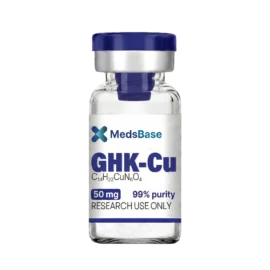
- GHK-Cu — Меден трипептид — компонентът за дермално ремоделиране на GLOW, самостоятелни флакони
- TB-500 (Тимозин Бета-4) — Системен фрагмент за заздравяване — системният компонент за миграция на клетките на GLOW
- Комплекс за регенерация с пептиди — Алтернативен комплект от три флакона (BPC + TB + BAC вода) без меден пептид
- AHK-Cu — Сестрински меднен пептид към GHK-Cu — изследователско съединение за фоликули на косата
Допълнителна информация
📖 Разгледайте изследователския ландшафт на регенеративните пептиди
Разгледайте пълната каталог с изследователски пептиди, с родствени регенеративни съединения, включително BPC-157 (локална ангиогенеза), TB-500 (системна миграция на клетки), GHK-Cu (дермално преобразуване), и алтернативния Комплекс за регенерация с пептиди пакет.
Още опции в Пептиди
Класирани според скорошния обем на поръчки в MedsBase — какво избират други клиенти в тази категория.
| Състав | 10mg BPC + 50mg GHK-Cu + 10mg TB |
|---|---|
| Количество | 10 флакона, 20 флакона |
 GLOW Blend (BPC-157 10 mg + GHK-Cu 50 mg + TB-500 10 mg)
Въпроси и отговори
GLOW Blend (BPC-157 10 mg + GHK-Cu 50 mg + TB-500 10 mg)
Свързани продукти
Отзиви
Все още няма отзиви