







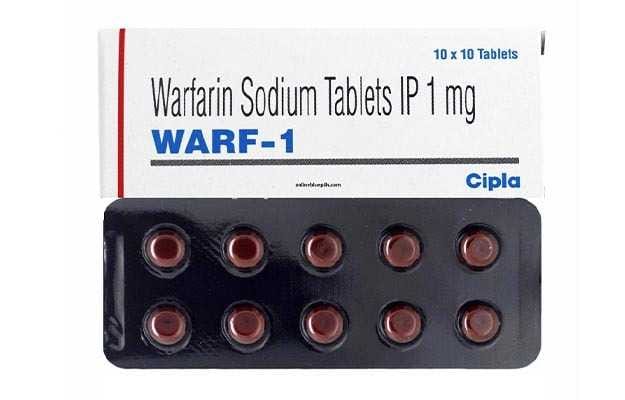
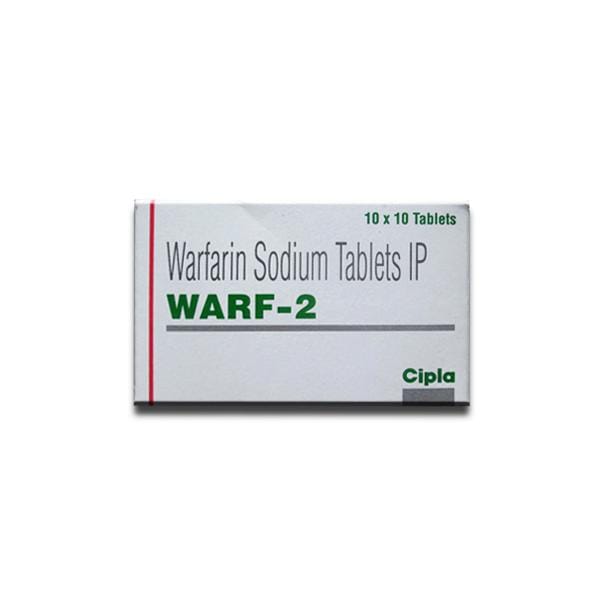
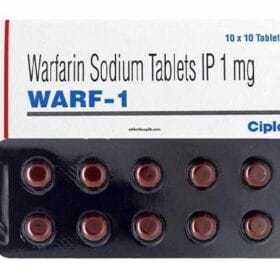
Warf
✅ Предотвратява съсирване на кръвта
✅ Намалява риска от инсулт
✅ Контролира тромбоза
✅ Предотвратява емболия
✅ Регулира кръвосъсирването
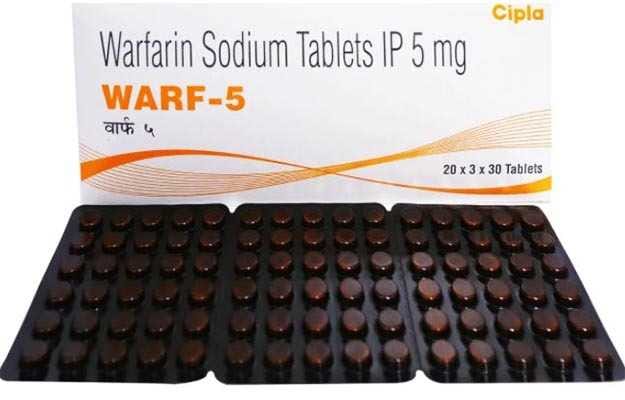
Warf съдържа Warfarin.
✓ Медицински преглед от Morgan Ellis — Фармацевтичен изследовател · 8 години опит · Последен преглед: май 2026 г.
⚡ Бърз отговор — Какво е Warf?
Warf е 1 / 2 / 5 mg таблетки варфарин от производител, сертифициран от WHO-GMP — орален антикоагулант от групата на витамин K антагонистите (VKA). Варфаринът е синтезиран за първи път от дикумарол през 1940-те и одобрен като лекарство за хора през 1954 г.; въпреки появата на DOACs, той остава първи избор при механични сърдечни клапи, умерен до тежък митрален стеноз и антифосфолипиден синдром. Механизъм на действие: блокира витамин K епоксид редуктазата (VKORC1), намалявайки активните форми на коагулационните фактори II, VII, IX, X плюс протеини C и S. Ефектът се проявява със закъснение от 3-5 дни, тъй като циркулиращите фактори трябва да се разградат. Дозата е силно индивидуализирана и базирана на INR — целеви INR е 2.0-3.0 при повечето показания, 2.5-3.5 за механични митрални или по-стари аортни протези. Дневният прием на витамин K (зелени листни зеленчуци) трябва да бъде постоянен, а не избягван. Рискът от тежко кървене е ~1-3%/година при терапевтични дози варфарин. Обръщане на ефекта: орален или в/в витамин K плюс 4-факторен протромбинов комплексен концентрат при тежко кървене. Надзор от специалист или личен лекар е стандарт.
📦 Всяка поръчка е покрита от нашата Политика за повторна изпратка — ако вашата пратка не пристигне в рамките на 20 работни дни, ние я изпращаме отново.
Защо да поръчвате от MedsBase
Нашите генерични лекарства се доставят от производители, сертифицирани от WHO-GMP, и се изпращат по целия свят в дискретна, обикновена опаковка — без име на лекарството външно на пратката. Плащанията с карта се обработват чрез регулиран процесор (описанието на извлечението включва регулиран процесор за плащане с карта — никога “MedsBase” или име на лекарство). Приемат се също криптовалути и банков превод SEPA. Всяка поръчка е подкрепена от нашата политика за гарантирано преизпращане.
Какво е Warf?
Warf е 1 / 2 / 5 mg таблетки варфарин натрий от производител, сертифициран от WHO-GMP, доставяни в опаковки от 30-180 таблетки. Варфаринът е най-широко използваният орален антикоагулант в света. Въпреки въвеждането на директните орални антикоагуланти (DOACs), варфаринът остава първи избор при механични сърдечни клапи, ревматичен митрален стеноз, антифосфолипиден синдром и избрани високорискови пациенти, при които доказателствата за DOACs са слаби.
Как действа Варфарин
Варфаринът инхибира витамин К епоксид редуктазата (VKORC1) в хепатоцитите, блокирайки рециклирането на витамин К. Това изчерпва активните γ-карбоксилирани форми на фактори II, VII, IX и X, както и естествените антикоагуланти протеин C и S. Антикоагулантният ефект се забавя с 3-5 дни, тъй като съществуващите циркулиращи фактори се катаболизират — при необходимост от бърза антикоагулация е необходимо свързване с парентерален хепарин или LMWH.
Одобрени употреби
- Механични сърдечни клапи — варфаринът е единственият приемлив перорален вариант (DOAC са контраиндикирани; изследване RE-ALIGN)
- Умерено до тежко (ревматично) митрално стенозиране — с или без предсърдно мъждене
- Антифосфолипиден синдром (тройно позитивен) — варфарин с INR 2-3 превъзхожда ривароксабана (TRAPS, 2018)
- Предсърдно мъждене — когато DOAC са контраиндикирани, непоносими или недостъпни; установена превенция на инсулт
- Венозна тромбоемболия (DVT и PE) — лечение и продължена вторична превенция
- Тромб в лявата камера, мурален тромб след инфаркт на миокарда, дилатативна кардиомиопатия с тромб
Дозиране и INR цели
Дозата на варфарин е силно индивидуализирана и се титрира според международното нормализирано съотношение (INR). Типичната поддържаща доза е 2-10 mg дневно, но може да варира от 15 mg.
| Показание | Целево INR | Бележки |
|---|---|---|
| Предсърдно мъждене | 2.0–3.0 | Целево 2.5 |
| ВТЕ (ДВТ/ТЕ) | 2.0–3.0 | Целево 2.5; минимум 3 месеца |
| Механична аортна клапа (модерна двулистна) | 2.0–3.0 | Целево 2.5 |
| Механична митрална или по-стара аортна клапа | 2.5–3.5 | Целево 3.0; +аспирин при много висок риск |
| Антифосфолипиден синдром (тройно позитивен) | 2.0–3.0 | 2.5–3.5 при рецидивиране при терапевтично INR |
| Рецидивираща венозна тромбоемболия при терапевтична доза варфарин | 2.5–3.5 | Специалист по индивидуален подход |
INR се проверява ежедневно по време на инициацията, след това седмично до стабилизиране, а след това на всеки 4-12 седмици за дългосрочен период. Времето в терапевтичния диапазон (TTR) над 65-70% е качественият стандарт.
Фармакогеномика: VKORC1 и CYP2C9
Пациенти, носещи VKORC1 -1639 G>A (чувствителни) или CYP2C9 *2/*3 (бавни метаболизатори), изискват по-ниски начални и поддържащи дози. Генотип-насоченото дозиране намалява времето до стабилен INR, но не е рутинна практика в повечето центрове.
Храна, алкохол и начин на живот
Странични ефекти
- Кървене (носни кървения, венци кървене, натъртвания, стомашно-чревно кървене, интракраниално кървене)
- Некроза на кожата — рядко; дни 3-8 от инициацията, особено при дефицит на протеин C; използвайте хепарин за смекчаване
- Синдром на лилавия пръст (холестеролови микроемболи) — рядко
- Опадане на косата, обрив
- Повишени чернодробни ензими
Противопоказания
- Активно сериозно кървене (пептична язва, интракраниално кървене)
- Бременност — тератогенен ефект през първия триместър (ембриопатия от варфарин), риск от кървене в ЦНС по-късно. Използвайте НМХВ вместо това
- Тежка неконтролирана хипертония
- Тежко чернодробно увреждане
- Скорошна неврохирургия, офталмологична операция или голяма травма с риск от кръвоизлив
- Неспособност за спазване на мониторинг на INR
Лекарствени взаимодействия (избрани)
Варфаринът има стотици клинично значими взаимодействия. Винаги проверявайте преди да започнете, спрете или промените дозата на който и да е лекарствен препарат.
- Повишаване на INR: амиодарон, флуконазол/вориконазол/итраконазол, метронидазол, триметоприм-сулфаметоксазол, ципрофлоксацин, макролиди (кларитромицин, еритромицин), високи дози парацетамол, омепразол, флувастатин, боровинки, грейпфрут, рибено масло, НСПВС (също допълнителен риск от кръвоизлив).
- Понижаване на INR: рифампицин, карбамазепин, фенитоин, фенобарбитал, зверобой, витамин К (мултивитамини, ентерални храни), големи количества листни зеленчуци.
- Допълнителен риск от кръвоизлив: аспирин, клопидогрел, НСПВС, ССРИ/СНРИ, хепарини.
Обръщане на антикоагулантния ефект
| Сценарий | Действие |
|---|---|
| INR 4,5–10, без кръвоизлив | Спрете варфарина; прием на витамин К 1–2,5 mg само при висок риск от кръвоизлив; препроверете |
| INR >10, без кръвоизлив | Спрете варфарина; прием на витамин К 2,5–5 mg; препроверете |
| Всякакво INR с голям кръвоизлив | Спрете варфарина; витамин К 5–10 mg в/в + комплекс протромбинов концентрат с 4 фактора (4F-PCC); FFP ако PCC не е наличен |
| Спешна операция | Витамин К в/в + 4F-PCC за незабавна обратна реакция; план за преход след операцията |
Хирургия и зъболекарски процедури
При повечето операции спрете варфарина 5 дни преди. Преминете с LMWH само при висок тромбоемболичен риск (механична митрална клапа, скорошен VTE <3 месеца, CHA2DS2-VASc ≥6). Повечето прости зъболекарски процедури могат да се извършват при терапевтичен INR без спиране на варфарина. Възобновете вечерта на операцията, ако хемостазата е осигурена.
Бременност и кърмене
Бременност: варфаринът е тератогенен през първия триместър (ембриопатия от варфарин: носова хипоплазия, пунктирани епифизи) и преминава през плацентата с риск от кървавене в ЦНС на плода по-късно. LMWH е за предпочитане през цялата бременност, освен при пациенти с механични сърдечни клапи, където се прилагат индивидуализирани специализирани планове. Кърмене: варфаринът не преминава в кърмата в клинично значими количества — безопасен.
Съхранение
Съхранявайте Warf под 25°C в оригиналната блистерна опаковка, защитени от светлина. Дръжте извън обсега на деца — предозирането с варфарин е най-честото остро отравяне с антикоагуланти при деца.
Често задавани въпроси
Защо Warf започва да действа след няколко дни?
Варфаринът блокира производството на нови коагулационни фактори, но не инактивира циркулиращите. Клиничният ефект се натрупва в рамките на 3-5 дни, докато съществуващите фактори се катаболизират. Когато е необходима незабавна антикоагулация, се използва парентерален хепарин или LMWH, докато INR стане терапевтичен.
Защо са необходими толкова чести INR тестове в началото?
Дозата, която дава ефект, варира значително между хората поради генетиката на CYP2C9 и VKORC1. INR се проверява ежедневно, докато не се постигне целевия диапазон, след това седмично, а след това на всеки 4-12 седмици дългосрочно, след като се стабилизира.
Мога ли да ям зелени зеленчуци, докато приемам Warf?
Да — правилото е постоянство, а не избягване. Яжте обичайното количество всеки ден. Внезапните големи промени (седмица с много салати, след това две седмици без) са това, което дестабилизира INR.
Какво трябва да направя, ако INR ми е твърде високо?
Пропуснете следващата доза, свържете се с клиниката за антикоагулантна терапия и наблюдавайте за кървене. INR >10 или всяко активно кървене изисква спешна медицинска помощ в същия ден — витамин K перорално или венозно и евентуално 4-факторен PCC.
Мога ли да приемам Warf с парацетамол?
Спорадичен парацетамол е допустим. Редовната употреба на парацетамол >2 g/ден в продължение на няколко дни повишава INR и изисква мониторинг на INR.
А какво да кажем за ибупрофен или други NSAID?
Избягвайте — NSAID повишават INR и добавят независим риск от кървене поради инхибиране на тромбоцитите. Ако е необходима дългосрочна облекчаваща болката терапия, парацетамолът е за предпочитане и трябва да се обмисли прикриване с PPI.
Защо не мога да премина към DOAC?
В много случаи можете. DOAC (апиксабан, ривароксабан, дабигатран) вече са първи избор при неклапанна фибрилация на предсърдията и венозна тромбоемболия. Варфаринът остава единственият приемлив перорален избор за механични сърдечни клапи, ревматична митрална стеноза и трипъл-позитивен антифосфолипиден синдром — DOAC са контраиндикирани или по-слаби в тези случаи.
Мога ли да пия алкохол, докато приемам Warf?
Умерена и постоянна консумация на алкохол (1-2 напитки/ден) е допустима. Прекалената консумация дестабилизира INR и увеличава риска от кървене и падания; въздържанието или много умерен прием е по-безопасен.
Ами ако се наложи операция?
Спрете варфарина 5 дни преди процедурата; преход с LMWH се запазва за пациенти с висок тромбоемболичен риск (механична митрална клапа, скорошна венозна тромбоемболия). Повечето прости зъболекарски процедури не изискват спирането на варфарина.
Къде мога да купя Warf онлайн?
Можете да закупите Warf (1 / 2 / 5 mg варфарин натриев, 30-180 таблетки) от MedsBase с дискретна опаковка и доставка по целия свят.
Други антикоагуланти и антитромбоцитни средства
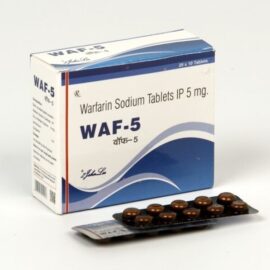
- Варф-5 — Варфарин 5 mg
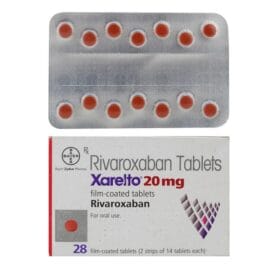
- Ксарелто 20 — Ривароксабан 20 mg
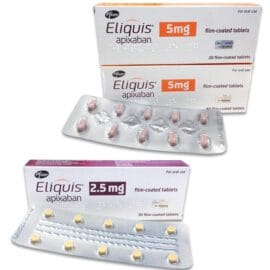
- Eliquis — Apixaban 2.5/5 mg
- Plavix — Clopidogrel 75 mg (Sanofi)
- Деплат — Клопидогрел 75 mg (Torrent)
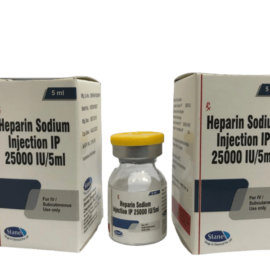
- Stanhep 25 — Хепарин натриев IV 25,000 IU
- Разгледайте всички антикоагуланти и антиагреганти
Свързани алтернативи
Други продукти в Общо здраве които клиентите също разглеждат:
Още опции в Антикоагуланти
Класирани според скорошния обем на поръчки в MedsBase — какво избират други клиенти в тази категория.
| Сила | 1 mg, 2 mg, 5 mg |
|---|---|
| Количество | 30 Таблетки, 60 Таблетки, 90 Таблетки, 180 Таблетки |
 Warf
Warf
Въпроси и отговори
Warf
Свързани продукти



Отзиви
Все още няма отзиви