








Φυματίωση (TB) παραμένει μια από τις πιο θανατηφόρες λοιμώξεις παγκοσμίως — ο ΠΟΥ εκτιμά ότι 10,6 εκατομμύρια άνθρωποι αρρώστησαν με TB το 2022 και 1,3 εκατομμύριο πέθαναν, συμπεριλαμβανομένων 167.000 με συγχρονισμένη λοίμωξη HIV. Η ασθένεια προκαλείται από Mycobacterium tuberculosis, ένα βακτήριο αργής ανάπτυξης που επηρεάζει κυρίως τους πνεύμονες αλλά μπορεί να εμπλέξει σχεδόν οποιοδήποτε οργανικό σύστημα. Η σύγχρονη θεραπεία της TB με σύντομο κύκλο είναι πλήρως θεραπευτική — αλλά μόνο όταν χρησιμοποιείται σωστά: ο σωστός συνδυασμός φαρμάκων, στη σωστή δόση, για την πλήρη διάρκεια, υπό την εποπτεία ειδικού. Αυτή η σελίδα παραθέτει τα αντιφυματικά φάρμακα που διατίθενται στο MedsBase. Δεν είναι οδηγός αυτοθεραπείας για ενεργή TB.
Το τετρα-φαρμακο συνδυαστικό σχήμα RIPE
Το πρότυπο σχήμα του ΠΟΥ για νέα, φαρμακοευαίσθητη πνευμονική φυματίωση είναι έξι μήνες σε δύο φάσεις:
Εντατική φάση — 2 μήνες: Ριφαμπικίνη + Ισονιαζίδη + Πυραζιναμίδη + Ethambutol (RIPE), και τα τέσσερα φάρμακα καθημερινά.Συνέχεια φάσης — 4 μήνες: Ριφαμπικίνη + Ισονιαζίδη (RH), συνέχιση καθημερινά.
Οι μακρότερες θεραπευτικές αγωγές (9–12 μήνες) εφαρμόζονται στη μηνιγγίτιδα ΤΒ, ΤΒ οστών και αρθρώσεων, και στη διάχυτη νόσο. Η θεραπεία είναι υπό επίβλεψη — άμεσα παρατηρούμενη θεραπεία (DOT) συνιστάται στα περισσότερα εθνικά προγράμματα για να διασφαλιστεί η συμμόρφωση και να αποφευχθεί η εμφάνιση πολυανθεκτικής ΤΒ (MDR-TB).
Γιατί η συνδυαστική θεραπεία είναι υποχρεωτική
Η θεραπεία με μόνο ένα φάρμακο στην ενεργή ΤΒ επιλέγει αναπόφευκτα ανθεκτικούς οργανισμούς. Το βακτηριακό φορτίο σε μια πνευμονική κοιλότητα είναι τεράστιο (έως 109 βακίλλια) και φυσικές μεταλλάξεις ανθεκτικότητας υπάρχουν σε χαμηλή συχνότητα για κάθε φάρμακο. Η χρήση ενός φαρμάκου σκοτώνει την ευαίσθητη πλειοψηφία και αφήνει την ανθεκτική μειοψηφία να πολλαπλασιαστεί — αποτυχία θεραπείας με έναν πλέον ανθεκτικό στελεχος. Συνδυαστική θεραπεία λειτουργεί επειδή η πιθανότητα ένας οργανισμός να είναι ταυτόχρονα ανθεκτικός σε πολλαπλά φάρμακα είναι εξαιρετικά μικρή. Αυτός είναι ο λόγος για τον οποίο κάθε σελίδα σε αυτήν την κατηγορία φέρει μια σαφή προειδοποίηση ότι η αγορά μονοθεραπείας είναι κατάλληλη μόνο για τη συνέχιση μιας υπό επίβλεψη αγωγής, λανθάνουσα λοίμωξη ΤΒ (μονοθεραπεία ριφαμπικίνης 4 μηνών), ή συγκεκριμένες μη-ΤΒ ενδείξεις όπως η λέπρα, MAC, ή προφύλαξη μηνιγγοκόκκου.
Πολυανθεκτική ΤΒ — μια προειδοποίηση
MDR-TB — αντοχή τουλάχιστον στη ριφαμπικίνη και ισονιαζίδη — επηρέασε περίπου 410,000 άτομα παγκοσμίως το 2022. Η MDR-TB απαιτεί μακροχρόνια θεραπεία (9–20 μήνες) με δευτερογενή φάρμακα όπως φθοροκινολόνες (λεβοφλοξασίνη, μοξιφλοξασίνη), λινεζολίδη, μπεντακουιλίνη, και κλοφαζιμίνη. Η MDR-TB είναι το αναμενόμενο αποτέλεσμα μερικής, ακανόνιστης ή μονοθεραπείας της φαρμακοευαίσθητης φυματίωσης. Η θεραπεία είναι δυνατή αλλά πιο δύσκολη, πιο ακριβή και πιο τοξική από την πρώτης γραμμής θεραπεία — γι' αυτό είναι σημαντικό να επιλέγεται σωστά το αρχικό σχήμα και να ολοκληρώνεται.
Αντιφυματικώς φάρμακα διαθέσιμα στο MedsBase
Αυτή η κατηγορία περιλαμβάνει δύο από τα τέσσερα φάρμακα πρώτης γραμμής:
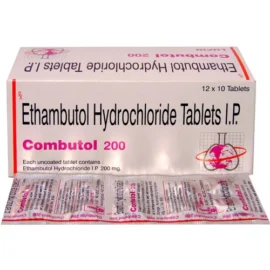
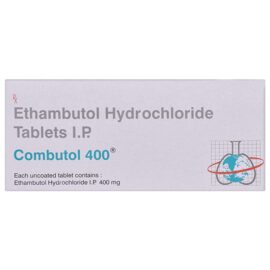
R-Cin — ριφαμπικίνη 300/450/600 mg (Cipla). Το πιο σημαντικό στείρωσης φάρμακο στη θεραπεία της φυματίωσης. Χρησιμοποιείται επίσης ως μονοθεραπεία 4 μηνών για λανθάνουσα φυματιώδη λοίμωξη (σχήμα 4R), σε πολυφαρμακοθεραπεία για πολυβακτηριακή λέπρα, για προφυλακτική αγωγή επαφών με μηνιγγοκόκκο, και σε σοβαρές λοιμώξεις οστών, αρθρώσεων ή προτεθειμένων συσκευών από σταφυλόκοκκο. Η ριφαμπικίνη είναι ισχυρός επαγωγέας CYP3A4 / CYP2C9 / CYP2C19 — μειώνει την αποτελεσματικότητα δεκάδων συγχρόνων φαρμάκων, συμπεριλαμβανομένων των ορálních αντισυλληπτικών, της warfarin, των DOACs, των στατίνων, της μεθαδόνης, των ανοσοκατασταλτικών μεταμοσχεύσεων, των αντιρετροϊικών και πολλών άλλων. Αποκαλύπτετε πάντα κάθε ταυτόχρονη φαρμακευτική αγωγή πριν από την έναρξη. Προκαλεί πορτοκαλί-κόκκινο χρωματισμό στα ούρα, τον ιδρώτα, τα δάκρυα και το σάλιο (αβλαβής αλλά μπορεί να κηλιδώσει μόνιμα τις μαλακές φακούς επαφής).Combutol — ethambutol HCl 200/400/800 mg (Lupin). Βακτηριοστατικό παράγοντα του οποίου ο ρόλος στο θεραπευτικό σχήμα είναι να καταστέλλει την εμφάνιση ανθεκτικότητας στα βακτηριοκτόνα φάρμακα συνεργάτες. Επίσης βασικό παράγοντα για τη λοίμωξη από Mycobacterium avium complex (MAC) στον HIV. Η χαρακτηριστική τοξικότητα είναι οπτική νευρίτιδα που εξαρτάται από τη δόση: απώλεια οπτικής οξύτητας και διακριτικότητας κόκκινου-πράσινου χρώματος, συνήθως αναστρέψιμη εάν το φάρμακο διακοπεί με το πρώτο σύμπτωμα αλλά ενδεχομένως μόνιμη εάν δεν διακοπεί. Η βασική οφθαλμολογική αξιολόγηση + μηνιαίοι οπτικοί έλεγχοι είναι υποχρεωτικοί. Η προσαρμογή της δόσης για νεφρική δυσλειτουργία είναι απαραίτητη.
Οι άλλοι δύο παράγοντες πρώτης γραμμής — isoniazid και pyrazinamide — δεν είναι προς το παρόν διαθέσιμα στο MedsBase. Οι ασθενείς σε πλήρη θεραπεία RIPE θα χρειαστεί να προμηθευτούν αυτά τα φάρμακα από άλλον προμηθευτή, από φαρμακείο νοσοκομείου ή από το εθνικό πρόγραμμα φυματίωσης της χώρας τους. Τα εθνικά προγράμματα φυματίωσης στις περισσότερες χώρες παρέχουν τα φάρμακα πρώτης γραμμής δωρεάν.
Υποχρεωτική παρακολούθηση κατά τη θεραπεία της φυματίωσης
Λειτουργία του ήπατος — βασική αξιολόγηση και τουλάχιστον μηνιαία. Η ριφαμπικίνη, η ισονιαζίδη και η πυραζιναμίδη είναι όλες ηπατοτοξικές· ο συνδυασμός τους προκαλεί κλινικά σημαντική ηπατίτιδα σε περίπου 5% των ασθενών. Διακόψτε τη θεραπεία και ζητήστε επανεξέταση σε περίπτωση ίκτερου, σκούρου ούρων ή πόνου στην δεξιά πάνω κοιλιακή χώρα.Οπτική οξύτητα και αντίληψη χρωμάτων — βασική αξιολόγηση και μηνιαία κατά τη λήψη εθαμβουτόλης. Διακόψτε την εθαμβουτόλη την ίδια μέρα σε οποιαδήποτε νέα οπτική παράπονο.Έλεγχος πτύελου και καλλιέργεια — ο κύριος δείκτης αποτελεσματικότητας για ενεργή πνευμονική φυματίωση· η μετατροπή σε αρνητική καλλιέργεια μέσα σε 2 μήνες υποδηλώνει καλή απόκριση.Νεφρική λειτουργία και ουρικό οξύ στο αίμα — η εκ clearance της εθαμβουτόλης εξαρτάται από τη νεφρική λειτουργία· η πυραζιναμίδη αυξάνει τα επίπεδα ουρικού οξέος και μπορεί να προκαλέσει ουρική αρθρίτιδα.Κατάσταση HIV — η συνεπίδραση φυματίωσης-HIV αλλάζει τη θεραπευτική αγωγή, τις αλληλεπιδράσεις φαρμάκων και την πρόγνωση. Κάθε ασθενής με ενεργή φυματίωση θα πρέπει να προσφέρεται για δοκιμή HIV.
Για ποιους δεν προορίζεται αυτή η κατηγορία
Εάν έχετε υποψία ενεργής φυματίωσης (χρόνιος βήχας > 3 εβδομάδες, απώλεια βάρους, νυχτερινοί ιδρώτες, αιματηρό πτύελο), χρειάζεστε ειδικό φυματίωσης, εξέταση πτύελου, δοκιμή ευαισθησίας, ιχνηλάτηση επαφών και συνδυαστική θεραπεία υπό άμεση παρακολούθηση — όχι μονοθεραπεία με ένα μόνο φάρμακο. Η αντιμετωπιζόμενη ή μερικώς αντιμετωπιζόμενη ενεργή φυματίωση είναι μεταδοτική, σκοτώνει περίπου το μισό των ατόμων που έχουν μολυνθεί και είναι ο πιο συνηθισμένος παράγοντας για την ανθεκτική σε πολλά φάρμακα φυματίωση (MDR-TB). Χρησιμοποιήστε αυτή τη σελίδα για επαναπλήρωση και συνέχιση ενός υπάρχοντος εποπτευόμενου θεραπευτικού σχήματος, για θεραπεία λανθάνουσας φυματίωσης ή για τις συγκεκριμένες μη φυματικές ενδείξεις που αναφέρονται σε κάθε σελίδα προϊόντος.
