










Η χρόνια δυσκοιλιότητα επηρεάζει περίπου το 16% των ενηλίκων και το 33% των ατόμων άνω των 60 ετών, με σημαντική επίδραση στην ποιότητα ζωής. Οι σύγχρονες κατευθυντήριες οδηγίες προτείνουν σταδιακή θεραπεία ξεκινώντας με μέτρα διαβίωσης και διατροφής (υγρά, φυτικές ίνες, άσκηση), έπειτα με ογκογόνους καθαρτικούς, στη συνέχεια με ωσμωτικά και διεγερτικά καθαρτικά, με νεότερα σεκρεταγωγά για ανθεκτικές περιπτώσεις. Ο κατάλογος Φαρμάκων για Δυσκοιλιότητα της MedsBase διαθέτει ολόκληρο το φαρμακολογικό εύρος, παρεχόμενο από WHO-GMP πιστοποιημένους κατασκευαστές.
Ωσμωτικά καθαρτικά — φαρμακοθεραπεία πρώτης γραμμής. Η λακτουλόζη (ένα μη απορροφώμενο δισάκχαρο που προσελκύει νερό στο κόλο και μεταβολίζεται από βακτήρια παράγοντας ωσμωτικά ενεργά λιπαρά οξέα βραχείας αλύσου — επίσης μειώνει την αμμωνία στην ηπατική εγκεφαλοπάθεια) διατίθεται ως Σιρόπι Duphalac. Έναρξη δράσης 24–48 ώρες· προσαρμόστε τη δόση (ξεκινήστε με 15 ml ημερησίως, αυξήστε σε 15 ml δύο φορές ημερησίως) βάσει της παραγωγής κοπράνων. Η μακρογόλη / πολυαιθυλενογλυκόλη (PEG) 3350 — καλύτερα ανεκτή από τη λακτουλόζη, λιγότερο φούσκωμα — διατίθεται ως Σακέτα Movicol. Αναμείξτε ένα σακέτι σε νερό, μπορείτε να πάρετε 1–3 σακέτα ημερησίως.
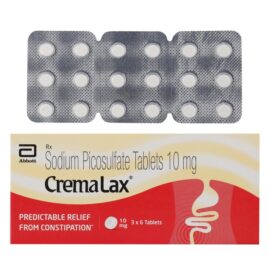
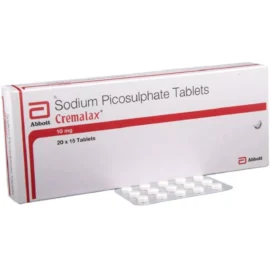
Διεγερτικά καθαρτικά — για βραχυπρόθεσμη χρήση ή ως συμπλήρωμα. Το βισακοδύλη 5 mg (διεγείρει άμεσα την περισταλτική κίνηση του κόλου) διατίθεται ως Dulcoflex. Πάρτε το το βράδυ για ενεργητικότητα του εντέρου το πρωί (έναρξη δράσης 6–12 ώρες). Χρήσιμο για προετοιμασία εντέρου πριν από επεμβάσεις, μετεγχειρητική δυσκοιλιότητα, δυσκοιλιότητα που προκαλείται από οπιοειδή. Το Cremalax (συνδυασμός φυτικού-καθαρτικού) ως Cremalax. Η μακροπρόθεσμη ημερήσια χρήση διεγερτικών καθαρτικών (μήνες/έτη) θεωρούνταν παλιά ότι προκαλούσε “τεμπέλικο έντερο” — τα σύγχρονα στοιχεία δεν το υποστηρίζουν αυτό, αλλά τα ογκογόνα και ωσμωτικά καθαρτικά παραμένουν προτιμότερα για χρόνια χρήση.
Λουμπιπροστόνη — για ανθεκτική IBS-C και χρόνια ιδιοπαθή δυσκοιλιότητα. Η λουμπιπροστόνη (ένας ενεργοποιητής καναλιού χλωρίου-2 που διεγείρει την έκκριση εντερικού υγρού) έχει εγκριθεί από τον FDA για χρόνια ιδιοπαθή δυσκοιλιότητα, IBS-C (σε γυναίκες) και δυσκοιλιότητα που προκαλείται από οπιοειδή. Πάρτε 24 mcg δύο φορές ημερησίως με φαγητό (μικρότερη δόση 8 mcg για IBS-C σε γυναίκες). Διατίθεται ως Lubowel 24. Παρενέργεια: ναυτία (ελαττώνεται με τη λήψη τροφής).
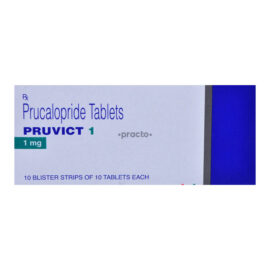
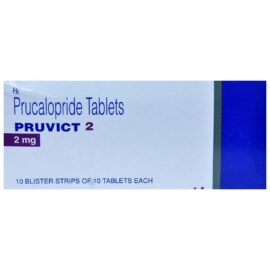
Prucalopride — επιλεκτικός αγωνιστής 5-HT4 για χρόνια δυσκοιλιότητα. Το Prucalopride 2 mg ημερησίως είναι επιλεκτικός αγωνιστής υποδοχέα 5-HT4 που διεγείρει την κινητικότητα του παχέος εντέρου — χρήσιμο για χρόνια δυσκοιλιότητα που αντιστέκεται σε καθαρτικά. Διατίθεται ως Pruvict. Καθαρότερο προφίλ καρδιακής ασφάλειας σε σύγκριση με παλαιότερους αγωνιστές 5-HT4 (cisapride, tegaserod). Ιδιαίτερα χρήσιμο σε δυσκοιλιότητα που προκαλείται από οπιοειδή και σε ηλικιωμένους.
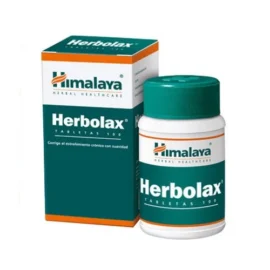
Βοτανικά συμπληρώματα. Η συνταγή Himalaya Herbolax (που περιέχει trivanga bhasma, kasani, sat isabgol — ισοδύναμο ψύλλιου, και άλλα βοτανικά συστατικά) παρέχει όγκο + ήπιο διεγερτικό αποτέλεσμα. Διατίθεται ως Herbolax.
Πώς να επιλέξετε. Ηπια δυσκοιλιότητα, χωρίς παράγοντες κινδύνου → πρώτα αλλαγή στον τρόπο ζωής (ινώδη 25–30 g/ημέρα, υγρά 1,5–2 L/ημέρα, τακτική φυσική δραστηριότητα), έπειτα παράγοντες που αυξάνουν τον όγκο (ψύλλιο / μεθυλοκυτταρίνη). Ανεπαρκής απόκριση → οσμωτικό καθαρτικό (λακτουλόζη ή PEG/macrogol). Επιπλέον για επεισόδια → διεγερτικό (bisacodyl). Χρόνια ανθεκτική → lubiprostone ή prucalopride. Δυσκοιλιότητα από οπιοειδή → πρώτα οσμωτικό + διεγερτικό· ειδικοί ανταγωνιστές οπιοειδών (naloxegol, methylnaltrexone) όπου διατίθενται. Ηλικιωμένοι με πολλαπλά φάρμακα → αναθεώρηση πολυφαρμακείας (αντιχολινεργικά, οπιοειδή, αναστολείς ασβεστιακών καναλιών, σίδηρος) για συντελεστές δυσκοιλιότητας.
Σημαντικό. Νεοεμφανιζόμενη δυσκοιλιότητα σε ενήλικες άνω των 50 ετών (ειδικά με απώλεια βάρους, ορθική αιμορραγία, οικογενειακό ιστορικό καρκίνου εντέρου ή εναλλασσόμενη συνήθεια του εντέρου) απαιτεί αξιολόγηση για καρκίνο του παχέος εντέρου παρά εμπειρική χρήση καθαρτικού — συμβουλευτείτε τον γιατρό σας για εξέταση FIT ή παραπομπή για κολονοσκόπηση. Σοβρός κοιλιακός πόνος, εμετοί ή απόλυτη δυσκοιλιότητα (χωρίς αέρια ή κόπρανα) υποδηλώνει απόφραξη εντέρου και αποτελεί έκτακτη ανάγκη. Εγκυμοσύνη: καθαρτικά που αυξάνουν τον όγκο, λακτουλόζη και macrogol είναι πρώτης γραμμής· διεγερτικά προορίζονται για βραχυπρόθεσμη χρήση. Παιδιά: PEG με ηλεκτρολύτες (PEG 4000 / Macrogol με ηλεκτρολύτες) είναι η σύγχρονη θεραπεία πρώτης γραμμής.
Όλα τα προϊόντα MedsBase για δυσκοιλιότητα αποστέλλονται από WHO-GMP πιστοποιημένους κατασκευαστές με διακριτική συσκευασία και καλύπτονται από την Πολιτική Εγγύησης Επαναποστολής.