













Το MedsBase διαθέτει 14 φάρμακα για αλλεργία και γριππώδη συνάχι από κορυφαίους κατασκευαστές με πιστοποίηση WHO-GMP — καλύπτοντας κάθε μεγάλη κατηγορία που χρησιμοποιείται για τον έλεγχο του φταρνίσματος, της ρινόρροιας, του κνησμού στα μάτια, της κνίδωσης (κνίδωσης) και ολόκληρου του φάσματος της αλλεργικής ρινίτιδας/ρινο-επισκληρίτιδας. Οι περισσότεροι ασθενείς ελέγχουν τα καθημερινά συμπτώματα με ένα μόνο αντιισταμινικό δεύτερης γενιάς που λαμβάνεται από το στόμα, προχωρώντας σε ενδορινικό κορτικοστεροειδές για τη ρινική συμφόρηση που ένα αντιισταμινικό μόνο του δεν μπορεί να ανακουφίσει.
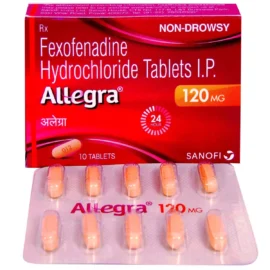
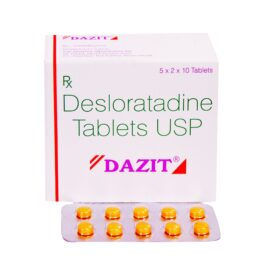
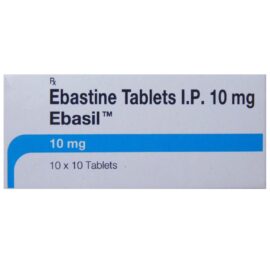
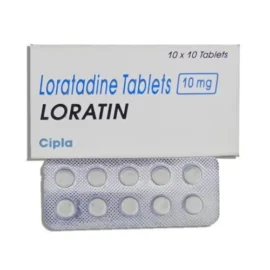
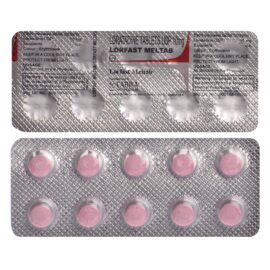
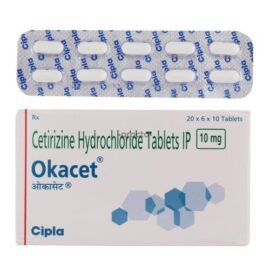
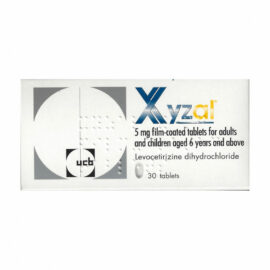
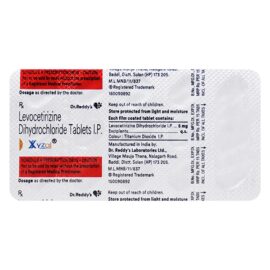
Αντιισταμινικά δεύτερης γενιάς (μη ναρκωτικά) που λαμβάνονται από το στόμα — πρώτη γραμμή για τον καθημερινό έλεγχο των συμπτωμάτων: Loratin και Lorfast Meltab (λοραταδίνη), Okacet (κετιριζίνη), Xyzal (λεβοκετιριζίνη), Allegra (φεξοφεναδίνη), Dazit (δεσλοραταδίνη) και Ebasil (εμπαστίνη). Μία δόση την ημέρα, ελάχιστη νάρκωση, καμία αντιχολινεργική επιβάρυνση και καλή ανοχή για μακροχρόνια εποχική ή διαχρονική χρήση.
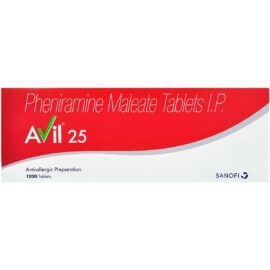
Αντιισταμινικά πρώτης γενιάς (ναρκωτικά) που λαμβάνονται από το στόμα — βραχυπρόθεσμα, για σοβαρό κνησμό, συμπτώματα που διαταράσσουν τον ύπνο ή συγκεκριμένες κλινικές ενδείξεις: Avil 25 (φενιραμίνη), Ciplactin και App-Up (κυπροεπταδίνη, η οποία χρησιμοποιείται επίσης ως ορεξιογόνο και για την πρόληψη της ημικρανίας). Ισχυρότερη αναστολή H1 από τα νεότερα παράγωγα αλλά διασχίζουν τον αιματοεγκεφαλικό φραγμό, επομένως προκαλούν υπνηλία και πρέπει να αποφεύγονται πριν από την οδήγηση ή τη χρήση μηχανημάτων.
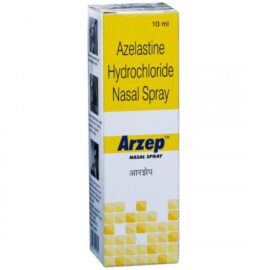
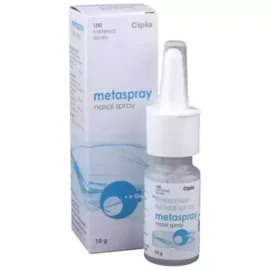
Ενδορινικά σπρέι — για ρινική συμφόρηση, καταρροή από την ρινική κοιλότητα και επίμονη ρινόρροια που ένα αντιισταμινικό που λαμβάνεται από το στόμα δεν μπορεί να φτάσει: Meta Spray (μομεταζόνη φουροϊκή, ένα ενδορινικό κορτικοστεροειδές μίας δόσης την ημέρα — η πιο αποτελεσματική μονοθεραπεία για μέτρια έως σοβαρή αλλεργική ρινίτιδα) και Arzep Nasal Spray (αζελαστίνη + φλουτικαζόνη σε σταθερή συνδυασμένη δόση, αντιισταμινικό συν κορτικοστεροειδές σε μια συσκευή, ταχύτερη έναρξη συμπτωμάτων από κάθε συστατικό ξεχωριστά). Η ενδορινική θεραπεία δρα μόνο στο σημείο εφαρμογής — συνδυάστε με αντιισταμινικό που λαμβάνεται από το στόμα όταν υπάρχει και κνησμός στα μάτια.
Αλλεργική επισκληρίτιδα — κνησμός, ερυθρότητα, δάκρυα στα μάτια: Ocurest-AH Eye Drops (ναφαζολίνη αποσυμφορητικό + φενιραμίνη αντιισταμινικό) παρέχουν τοπική ανακούφιση απευθείας στον επιπεφυκότα για βραχυπρόθεσμο έλεγχο των επιδείνωσης.
Συστημικό κορτικοστεροειδές — βραχυπρόθεσμη διάσωση για σοβαρές οξείες επιδείνωσεις, επαφής δερματίτιδα, σοβαρή κνίδωση ή στεροειδή ευαίσθητες αλλεργικές καταστάσεις όπου οι αντιισταμινικές μόνες δεν είναι επαρκείς: Ivepred (μεθυλπρεδνιζολόνη 16 mg). Ένα ευρέος φάσματος από του στόματος κορτικοστεροειδές — όχι μια ρουτίνα θεραπεία για αλλεργική ρινίτιδα, αλλά χρήσιμο για βραχυπρόθεσμες θεραπείες με σταδιακή μείωση υπό κλινική επίβλεψη.
Πώς να επιλέξετε: Ξεκινήστε με μια μη ναρκωτική αντιισταμινική δεύτερης γενιάς που λαμβάνεται τακτικά κατά τη διάρκεια της περιόδου γύρης· προσθέστε ένα ενδορινικό κορτικοστεροειδές σπρέι αν η ρινική απόφραξη επιμένει· προσθέστε σταγόνες για αλλεργία στα μάτια αν τα συμπτώματα του επιπεφυκότα παραμένουν· κρατήστε τις ναρκωτικές αντιισταμινικές για νυχτερινό κνησμό ή βραχυπρόθεσμη χρήση, και κρατήστε τα από του στόματος κορτικοστεροειδή μόνο για βραχυπρόθεσμες θεραπείες διάσωσης. Παγκόσμια αποστολή· προσδιορίστε την εποχή της γύρης, της μούχλας ή της σκόνης για την περιοχή σας και ξεκινήστε την ημερήσια θεραπεία δύο εβδομάδες πριν από την κορύφωση της έκθεσης για τον ισχυρότερο έλεγχο.