








Η διαχείριση της αϋπνίας ξεκινά με μέτρα υγιεινής ύπνου (σταθερό πρόγραμμα ύπνου, αποφυγή οθονών και καφεΐνης πριν τον ύπνο, σκοτεινό και δροσερό υπνοδωμάτιο, τακτική ημερήσια δραστηριότητα) και γνωστικο-συμπεριφορική θεραπεία για αϋπνία (CBT-I) — η πιο αποτελεσματική μακροπρόθεσμη παρέμβαση. Οι φαρμακολογικές επιλογές προορίζονται για βραχυπρόθεσμη χρήση (λιγότερο από 4 εβδομάδες) λόγω κινδύνων εξάρτησης, ανοχής και ανάκαμψης αϋπνίας.
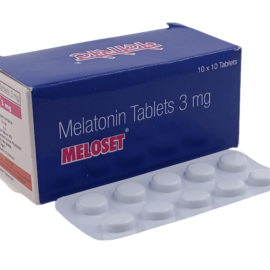
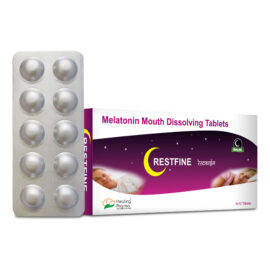
Διαθέσιμες επιλογές. Η μελατονίνη (η φυσική ορμόνη έναρξης ύπνου του οργανισμού — χρήσιμη για διαταραχή καθυστερημένης φάσης ύπνου, τζετ λαγκ και επιλεγμένες πρωτογενείς αϋπνίες, ειδικά σε ηλικία άνω των 55 ετών) είναι διαθέσιμη ως Meloset. Λάβετε 1–3 mg 30–60 λεπτά πριν από τον ύπνο. Καθαρότερο προφίλ ασφάλειας σε σύγκριση με τις βενζοδιαζεπίνες και τα Z-φάρμακα· μη εθιστικό· μέτρια αποδεικτικά στοιχεία για τυπική αϋπνία. Μια υψηλότερη δόση μελατονίνης (10 mg) για διαταραχή καθυστερημένης φάσης ύπνου, σοβαρή εργασία βάρδιων και ασθενείς ηλικίας 55+ που δεν ανταποκρίθηκαν σε χαμηλότερες δόσεις είναι διαθέσιμη ως Restfine. Οι περισσότεροι ενήλικες με τυπική βραχυπρόθεσμη αϋπνία ανταποκρίνονται καλά σε 1–3 mg.
Για συγκεκριμένες κατηγορίες διαταραχών ύπνου — δείτε τους σχετικούς καταλόγους. Η Τραζοδόνη (μια off-label χαμηλής δόσης υπνωτική ουσία — το πιο συνταγογραφούμενο off-label υπνωτικό παγκοσμίως) βρίσκεται στον Κατάλογο Αντικαταθλιπτικών & Αντιψυχωσικών Φαρμάκων μας. Η Μιρταζαπίνη (κατασταλτικό τετρακυκλικό αντικαταθλιπτικό χρήσιμο όταν συνυπάρχουν κατάθλιψη και αϋπνία) βρίσκεται επίσης εκεί. Η Διφενυδραμίνη και η Προμεθαζίνη (κατασταλτικά H1 αντιισταμινικά διαθέσιμα χωρίς συνταγή σε πολλές χώρες) δεν είναι προς το παρόν διαθέσιμα ξεχωριστά.
Οδηγίες χρήσης. Βραχυπρόθεσμη αϋπνία (jet lag, πένθος, παροδικό στρες) — μελατονίνη 1–3 mg 30–60 λεπτά πριν τον ύπνο για 1–2 εβδομάδες. Διαταραχή καθυστερημένης φάσης ύπνου (ειδικά σε εφήβους και εργαζόμενους βάρδιων) — μελατονίνη 0.5–1 mg 4–6 ώρες πριν την επιθυμητή έναρξη ύπνου. Χρόνια αϋπνία (περισσότερο από 3 μήνες) — CBT-I ως πρώτη γραμμή· φαρμακολογικές επιλογές για επιλεγμένες περιπτώσεις υπό ιατρική επίβλεψη.
Σημαντικό. Παροδική αϋπνία, ειδικά με ημερήσια δυσλειτουργία, απαιτεί αξιολόγηση για υποκείμενες αιτίες — κατάθλιψη, άγχος, άπνοια ύπνου, σύνδρομο ανήσυχων ποδιών, χρόνιο πόνο, περιμενοπαύση, καρδιαγγειακή νόσο, υπερθυρεοειδισμός. Αποφύγετε τον συνδυασμό υπνωτικών με αλκοόλ ή άλλα κατασταλτικά του ΚΝΣ. Τα Z-φάρμακα (ζολπιδέμη, ζοπικλόνη, ζαλεπλόνη) και οι βενζοδιαζεπίνες (τεμαζεπάμη, λοραζεπάμη, νιτραζεπάμη) δεν βρίσκονται σε ρουτίνα στοκ μας — απαιτούν συνταγή στις περισσότερες δικαιοδοσίες και φέρουν σημαντικό κίνδυνο εξάρτησης και πτώσεων σε ηλικιωμένους. Όλα τα προϊόντα MedsBase αποστέλλονται από WHO-GMP πιστοποιημένους κατασκευαστές με διακριτική συσκευασία και καλύπτονται από την Πολιτική Εγγύησης Επαναποστολής.