







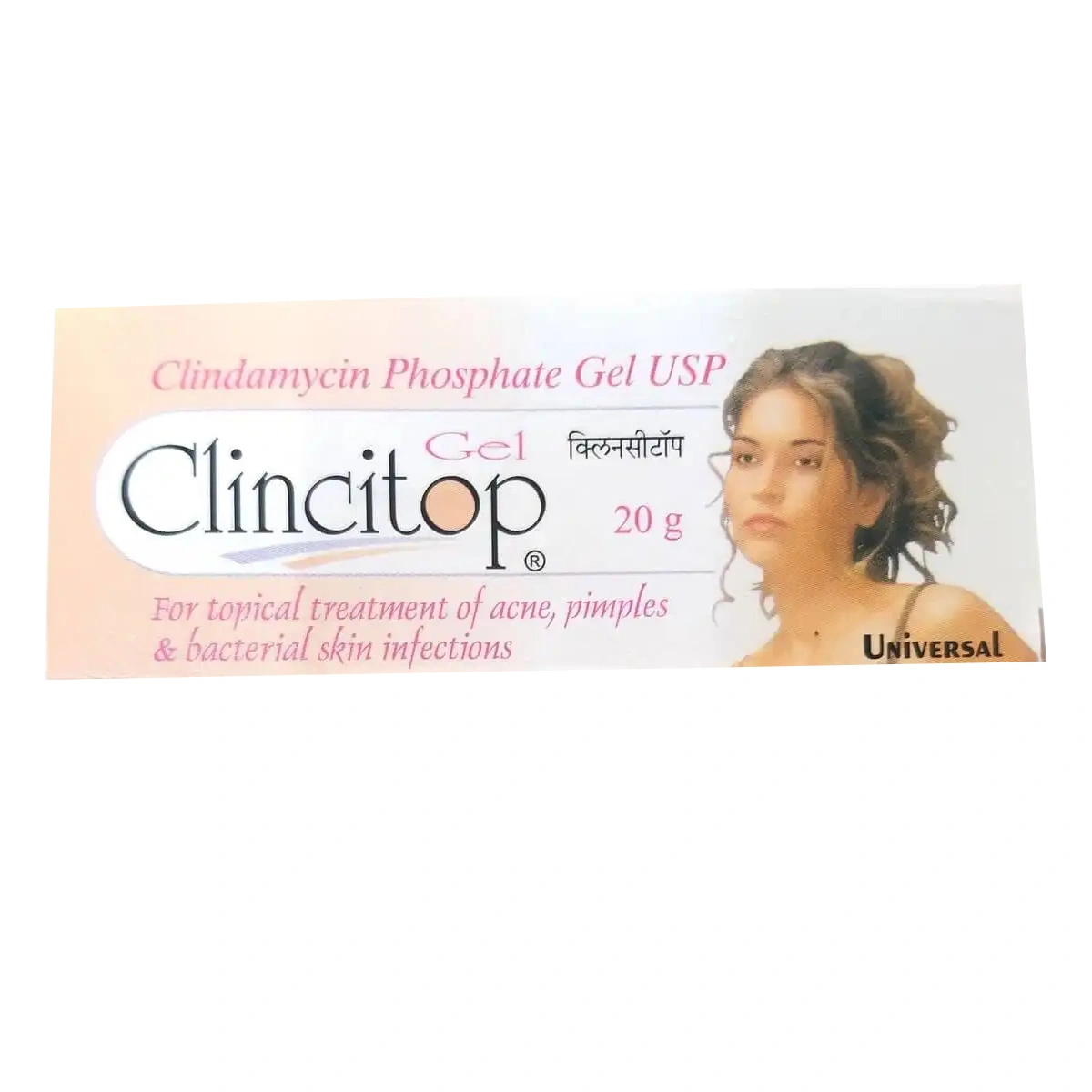
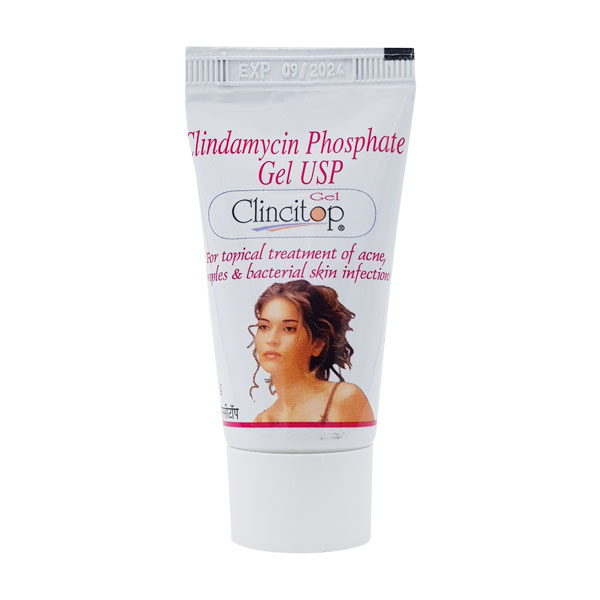
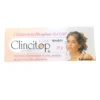
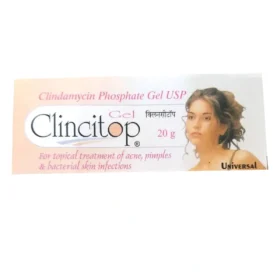
Clincitop Γέλη



✅ Καθαρίζει την ακμή
✅ Μειώνει τη φλεγμονή
✅ Ελέγχει την παραγωγή σμηγμάτων
✅ Αποτρέπει μελλοντικές εμφανίσεις ακμής
✅ Βελτιώνει την υφή του δέρματος
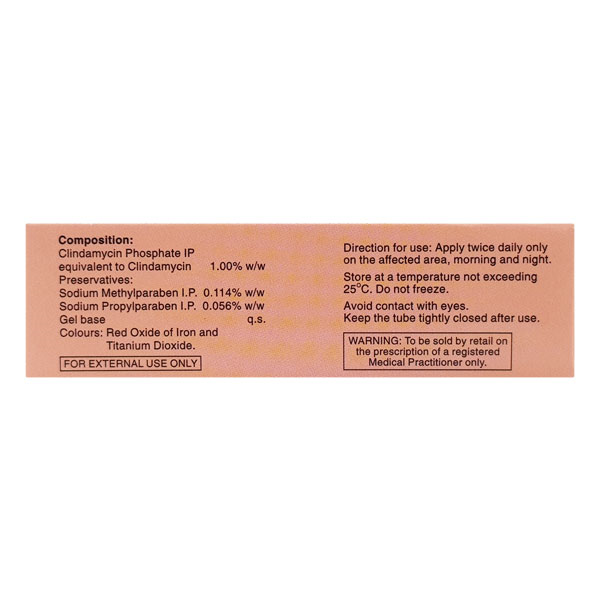
Το Clincitop Gel περιέχει Clindamycin Phosphate.
✓ Ιατρικά ελεγμένο από Morgan Ellis — Ερευνητής Φαρμακευτικής · 8 χρόνια εμπειρία · Τελευταία αναθεώρηση: Μάιος 2026
⚡ Γρήγορη Απάντηση — Τι είναι το Clincitop Gel;
Clincitop Γέλη είναι ένα τοπικό κλινδαμυκίνη 1% αντιβιοτικό γελ από τη Cipla για ήπια έως μέτρια φλεγμονώδη ακμή (ερυθρά παπύλες και φλύκταινες). Εφαρμόστε μια λεπτή στρώση σε καθαρό, ξηρό δέρμα δύο φορές την ημέρα. Η τοπική κλινδαμυκίνη δεν πρέπει να χρησιμοποιείται ως μονοθεραπεία — οι οδηγίες για βακτηριακή αντοχή προβλέπουν συνδυασμό με υπεροξείδιο του βενζοϊλίου ή ένα τοπικό ρετινοειδές (όπως η αδαπαλένη ή η τρετινοΐνη). Αναμένετε ορατή βελτίωση σε 4–8 εβδομάδες, μέγιστη επίδραση σε 12 εβδομάδες. Περιορίστε τη συνολική θεραπεία 3 μήνες για να αποφευχθεί η αντοχή.
📦 Κάθε παραγγελία καλύπτεται από την Πολιτική Εγγύησης Επαναποστολής — εάν το δέμα σας δεν φτάσει εντός 20 εργάσιμων ημερών, το επαναποστέλλουμε.
Γιατί να παραγγείλετε από τη MedsBase
Τα γενόσημα φάρμακά μας προέρχονται από κατασκευαστές που πιστοποιούνται από την WHO-GMP και αποστέλλονται παγκοσμίως σε διακριτική, απλή συσκευασία — χωρίς όνομα φαρμάκου στο εξωτερικό του δέματος. Οι πληρωμές με κάρτα δρομολογούνται μέσω ρυθμισμένου επεξεργαστή (οι περιγραφές εκκαθάρισης περιλαμβάνουν ρυθμισμένο επεξεργαστή πληρωμών με κάρτα — ποτέ “MedsBase” ή οποιοδήποτε όνομα φαρμάκου). Γίνονται δεκτές και πληρωμές με κρυπτονομίσματα και τραπεζική μεταφορά SEPA. Κάθε παραγγελία καλύπτεται από την Πολιτική Επαναποστολής Εξασφαλίσεώς μας.
Τι είναι το Clincitop Gel;
Το Clincitop Gel είναι ένα τοπικό αντιβιοτικό γελ από τη Cipla που περιέχει clindamycin phosphate 1%. Η κλινδαμυκίνη είναι ένα αντιβιοτικό λινκοσαμιδών που δρα ενάντια Cutibacterium acnes (παλαιότερα Propionibacterium acnes) — το βακτήριο που προκαλεί τη φλεγμονή στις ερυθρές, πυώδεις ακμές. Το φωσφορικό εστέρα στο γελ μετατρέπεται σε ενεργή κλινδαμυκίνη από τα ένζυμα στην επιφάνεια του δέρματος.
Η τοπική κλινδαμυκίνη είναι μια από τις ασφαλέστερες και καλύτερα ανεκτές θεραπείες ακμής, αλλά έχει μια κρίσιμη προϋπόθεση: η μονοθεραπεία δεν συνιστάται πλέον από κανένα μεγάλο δερματολογικό οδηγό (AAD, BAD, EDF, IDA) λόγω αυξανόμενης C. acnes ανθεκτικότητας. Το Clincitop Gel πρέπει πάντα να συνδυάζεται με υπεροξείδιο του βενζοϊλίου (π.χ. Epiduo) ή ένα τοπικό ρετινοειδές (π.χ. Retino-A Cream).
Πώς Λειτουργεί το Clincitop Gel;
Η κλινδαμυκίνη δεσμεύεται στο 50S ριβοσωμική υπομονάδα των βακτηρίων και μπλοκάρει τη σύνθεση πρωτεϊνών, σταματώντας την C. acnes αντιγραφή μέσα στον πιλοσηβατικό θύλακα. Οι επακόλουθες επιδράσεις που βλέπετε στον καθρέφτη σε 4–8 εβδομάδες:
- Αντιφλεγμονώδες — η μείωση του βακτηριακού φορτίου μειώνει την παραγωγή προ-φλεγμονωδών ελεύθερων λιπαρών οξέων και κυτοκινών που προκαλούν ερυθρά παπύλες και φλύκταινες.
- Μείωση πύου — οι φλύκταινες στεγνώνουν πιο γρήγορα και νέες σχηματίζονται λιγότερο συχνά.
- Άμεση αντιφλεγμονώδης δράση — η κλινδαμυκίνη έχει επίσης εγγενείς αντιφλεγμονώδεις επιδράσεις στη χημειοταξία των ουδετερόφιλων, ανεξάρτητα από την αντιβακτηριακή της δράση.
Η κλινδαμυκίνη δεν δεν δρα στα κωμώδη (μαύρες και λευκές κεφαλίδες) — αυτό απαιτεί μια ρετινοειδή θεραπεία. Δεν είναι πρωτογενής θεραπεία για ακμή το 2026· είναι συμπληρωματική σε μια θεραπεία με ρετινοειδή ή BPO.
Χρήσεις και ενδείξεις
- Ηπια έως μέτρια φλεγμονώδης κοινή ακμή — ερυθρά παπύλες, φλύκταινες, μικτή ακμή
- Συμπληρωματική θεραπεία με τοπικό ρετινοειδές — κλινδαμυκίνη το πρωί, ρετινοειδές το βράδυ
- Συμπληρωματική θεραπεία με βενζοϋλο υπεροξείδιο — ο συνδυασμός με BPO μειώνει C. acnes την ανάπτυξη αντοχής
- Θεραπεία ακμής κατάλληλη για εγκυμοσύνη — η τοπική κλινδαμυκίνη ανήκει στην Κατηγορία Εγκυμοσύνης B της FDA (χωρίς στοιχεία βλάβης σε ανθρώπους)
- Εκτός ενδείξεων: υδραδενίτιδα, περιστοματική δερματίτιδα, φολλικουλίτιδα
Το Clincitop Gel είναι δεν πρώτη γραμμή για κωμωδική ακμή (μαύρες/λευκές κεφαλίδες — χρησιμοποιήστε τοπικό ρετινοειδές), σοβαρή κοιλιακή ακμή (χρησιμοποιήστε από του στόματος isotretinoin), ή ροδόχρου.
Δοσολογία και Τρόπος Εφαρμογής του Clincitop Gel
Το Clincitop Gel διατίθεται σε σωληνάρια 20 g με 1% φωσφορική κλινδαμυκίνη.
Πώς να Εφαρμόσετε Σωστά το Clincitop Gel
- Πλύνετε απαλά με ένα ήπιο καθαριστικό χωρίς αφρό, στη συνέχεια στεγνώστε με μια καθαρή πετσέτα.
- Εφαρμόστε μια ποσότητα στο μέγεθος μπιζελιού στην πληγείσα περιοχή — ολόκληρο το πρόσωπο δεν χρειάζεται περισσότερο από αυτό. Περισσότερο τζελ δεν δρα πιο γρήγορα.
- Απλώστε λεπτό στρώμα σε όλες τις ζώνες επιρρεπείς σε ακμή, όχι μόνο σε μεμονωμένα σημεία. Θεραπεύστε την περιοχή, όχι την βλάβη.
- Δύο φορές ημερησίως — το πρωί και το βράδυ, ιδανικά με διαφορά 12 ωρών.
- Συνδυάστε με ρετινοειδές ή BPO. Τα τυπικά πρωτόκολλα συνδυασμού: Clincitop Gel το πρωί + tretinoin το βράδυ, Ή Clincitop Gel το πρωί + συνδυασμός αδαπαλένης-BPO το βράδυ.
- Καθημερινή SPF 30+ το πρωί — όχι επειδή η κλινδαμυκίνη προκαλεί φωτοευαισθησία, αλλά επειδή οι θεραπείες ακμής λειτουργούν καλύτερα με προστασία από τον ήλιο.
- Μέγιστη διάρκεια θεραπείας: 12 εβδομάδες ως μονοθεραπεία. Με BPO ή ρετινοειδή στο σχήμα, μπορεί να παραταθεί περισσότερο υπό την επίβλεψη δερματολόγου.
Παρενέργειες του Clincitop Gel
Συχνές (ήπιες, συνήθως εξασθενούν):
- Ξηρότητα δέρματος, ελαφριά απολέπιση
- Κάψιμο ή τσούξιμο κατά την εφαρμογή
- Ήπια ερυθρότητα
- Λιπαρό δέρμα ή λιπαρότητα στην περιοχή που υποβάλλεται σε θεραπεία (παραδόξως, σε ορισμένους χρήστες)
- Αυξημένη ευαισθησία στον ήλιο (ήπια)
Λιγότερο συχνές:
- Δερματίτιδα επαφής
- Φολλικουλίτιδα (τα γραμμοαρνητικά βακτήρια μερικές φορές αναπτύσσονται υπερβολικά με τη μακροχρόνια χρήση κλινδαμυκίνης — ένας ακόμη λόγος να περιοριστεί η διάρκεια της θεραπείας)
Σπάνιες αλλά σοβαρές:
- Ψευδομεμβρανώδης κολίτιδα (C. difficile λοίμωξη) — υπάρχουν περιπτώσεις που αναφέρονται ακόμη και με τοπική κλινδαμυκίνη σε ασυνήθιστες συνθήκες. Σταματήστε και ζητήστε άμεση ιατρική βοήθεια εάν εμφανίσετε σοβαρή διάρροια, κοιλιακούς σπασμούς ή αιματηρή κόπρανα κατά τη διάρκεια ή λίγο μετά τη χρήση.
Προειδοποιήσεις και προφυλάξεις
- Ανθεκτικότητα στα αντιβιοτικά: ποτέ μην χρησιμοποιείτε ως μονοθεραπεία για περισσότερο από 12 εβδομάδες. Πάντα συνδυάζεται με BPO ή ρετινοειδή.
- Εγκυμοσύνη: Κατηγορία εγκυμοσύνης FDA B — μία από τις λίγες θεραπείες ακμής που θεωρούνται ασφαλείς κατά την εγκυμοσύνη. Συζητήστε με τον γυναικολόγο σας.
- Θηλασμός: ελάχιστη συστημική απορρόφηση· γενικά θεωρείται αποδεκτή αλλά εφαρμόζεται μετά το σιτίσμα και όχι πριν, και αποφεύγεται η επαφή με τις θηλές.
- Ιστορικό φλεγμονώδους νόσου του εντέρου (Νόσος Crohn, ελκώδης κολίτιδα) ή ψευδομεμβρανώδους κολίτιδας: προσοχή· πολύ σπάνια αλλά τεκμηριωμένη συστημική απορρόφηση με τοπική χρήση.
- Μάτια, στόμα, ρουθούνια: αποφύγετε — το τζελ κλινδαμυκίνης προκαλεί σημαντικό τσούξιμο στις βλεννογόνους μεμβράνες.
- Άλλα τοπικά ερυθρομυκινικής κατηγορίας: μην συνδυάζετε — διασταυρωμένη αντοχή.
Αντενδείξεις — Ποιος ΔΕΝ Πρέπει να Χρησιμοποιεί το Clincitop Gel
- Γνωστή υπερευαισθησία σε κλινδαμυκίνη, λινκομυκίνη ή οποιοδήποτε συστατικό της βάσης του τζελ
- Ιστορικό περιφερειακής εντέρου, ελκώδους κολίτιδας ή αντιβιοτικής κολίτιδας
- Ενεργό έκζεμα ή κλαυστή δερματίτιδα στην περιοχή που θα θεραπευτεί
- Παιδιά κάτω των 12 ετών (η αποτελεσματικότητα και η ασφάλεια δεν έχουν τεκμηριωθεί)
Αλληλεπιδράσεις φαρμάκων και δερματικής φροντίδας
| Συνδυάζεται με | Αποτέλεσμα | Τι να κάνετε |
|---|---|---|
| Βενζοϋλοπεροξείδιο (π.χ. Epiduo) | Το BPO καταστέλλει C. acnes την αντοχή στην κλινδαμυκίνη — συνιστάται ο συνδυασμός | Χρησιμοποιήστε BPO το πρωί, κλινδαμυκίνη το βράδυ (ή αντίστροφα). Πολλές οδηγίες συνιστούν προ-αναμεμειγμένους συνδυασμούς. |
| Τοπικά ρετινοειδή (τρετινοΐνη, αδαπαλένη, ταζαροτένης) | Συνεργιστική δράση για φλεγμονώδη και κωμωδική ακμή | Κλινδαμυκίνη το πρωί, ρετινοειδές το βράδυ. |
| Τοπική ερυθρομυκίνη | Διασταυρούμενη αντοχή — κανένα όφελος | Μην συνδυάζετε. Επιλέξτε ένα αντιβιοτικό. |
| Αντιβιοτικά για από του στόματος χορήγηση (τετρακυκλίνες, μακρολίδες) | Η συσσώρευση έκθεσης σε αντιβιοτικά αυξάνει την ανάπτυξη αντοχής | Χρησιμοποιήστε ένα κάθε φορά· εάν ξεκινήσει αντιβιοτικό από του στόματος, σκεφτείτε να διακόψετε την τοπική κλινδαμυκίνη. |
| Νευρομυϊκά αποφρακτικά μέσα (πολύ σπάνια σχετικότητα) | Θεωρητική ενίσχυση εάν συμβεί συστημική απορρόφηση | Ενημερώστε τον αναισθησιολόγο σας για την τοπική χρήση πριν από τη χειρουργική επέμβαση. |
Οδηγίες Αποθήκευσης
- Φυλάξτε σε θερμοκρασία δωματίου, 15–25°C. Μην το ψύχετε ή το καταψύχετε.
- Κρατήστε το σωλήνα σφιχτά κλειστό. Αποφύγετε τη θερμότητα και την άμεση ηλιακή ακτινοβολία.
- Απορρίψτε 3 μήνες μετά το πρώτο άνοιγμα (η δραστικότητα του γελ κλινδαμυκίνης φωσφορικού μειώνεται σε ανοιχτούς σωλήνες).
- Κρατήστε μακριά από παιδιά και κατοικίδια.
Σχετικές Εναλλακτικές Λύσεις στο MedsBase
Άλλες τοπικές και από του στόματος θεραπείες ακμής που διατίθενται στο MedsBase:
- Epiduo Gel (adapalene + benzoyl peroxide)
- Deriva CMS Ζελέ (αδαπαλένη + κλινδαμυκίνη + ενυδατικό)
- Saslic Αφρώδες Πλύσιμο Προσώπου (salicylic acid 2%)
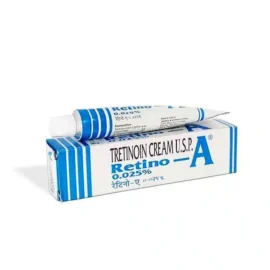
- Retino-A Κρέμα (tretinoin 0.025% / 0.05%)
- Retino-A Micro Gel (μικροσφαίρες τρετινοΐνης 0,04% / 0,1%)
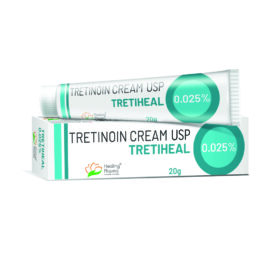
- Tretiheal Κρέμα (tretinoin 0.025% / 0.05% / 0.1%)
- Tazret Forte Κρέμα (tazarotene 0.1%)
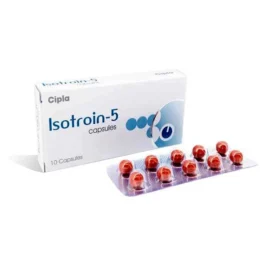
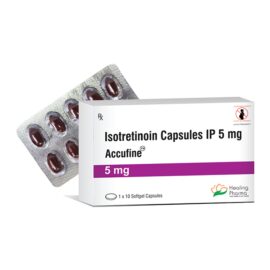
- Isotroin (ισοτρετινοΐνη από το στόμα 5/10/20/30 mg)
Χρήσιμη ανάγνωση: Κρέμα τρετινοΐνης έναντι γέλης · Ισοτρετινοΐνη έναντι τρετινοΐνης · Όλα όσα θέλετε να γνωρίζετε για την ακμή.
Συχνές Ερωτήσεις
Γιατί δεν μπορώ να χρησιμοποιήσω το Clincitop Gel μόνο του;
Η μονοθεραπεία με κλινδαμυκίνη οδηγεί γρήγορα σε βακτηριακή αντοχή — C. acnes ανθεκτικά στελέχη στην κλινδαμυκίνη και την ερυθρομυκίνη αναφέρονται τώρα σε 50–75% των ασθενών σε πολλές περιοχές. Όλα τα μεγάλα δερματολογικά πρωτόκολλα (AAD 2024, BAD, EDF) απαιτούν συνδυασμένη θεραπεία με υπεροξείδιο του βενζοϊλίου ή ένα τοπικό ρετινοειδές. Ο συνδυασμός και λειτουργεί καλύτερα και μειώνει την ανάπτυξη αντοχής.
Είναι το Clincitop Gel ασφαλές κατά την εγκυμοσύνη;
Ναι — η τοπική κλινδαμυκίνη ανήκει στην Κατηγορία Εγκυμοσύνης B της FDA (ένα από τα λίγα φάρμακα για ακμή που θεωρούνται ασφαλή κατά την εγκυμοσύνη). Η συστημική απορρόφηση από ένα τοπικό τζελ είναι ελάχιστη. Συζητήστε με τον γυναικολόγο σας, αλλά είναι μια λογική θεραπεία για ακμή κατά την εγκυμοσύνη όταν συνδυάζεται με αζελαϊκό οξύ (επίσης ασφαλές στην εγκυμοσύνη). Οι τοπικές ρετινοειδείς και η από του στόματος ισοτρετινοΐνη αποτελούν απόλυτες αντενδείξεις κατά την εγκυμοσύνη.
Πότε θα δω αποτελέσματα από το Clincitop Gel;
Ορατή μείωση των ερυθρών παπουλών και πασουλών σε 4–8 εβδομάδες; · μέγιστη επίδραση σε 12 εβδομάδες. Οι κωμίδωνες (μαύρες κηλίδες/λευκές κηλίδες) δεν θα βελτιωθούν — χρειάζεστε ρετινοειδές για αυτό. Εάν μετά από 12 εβδομάδες συνεπούς χρήσης συν ρετινοειδούς δεν έχετε δει βελτίωση, αλλάξτε πρωτόκολλο (σκεφτείτε από του στόματος αντιβιοτικό + ρετινοειδές, ή προχωρήστε σε από του στόματος isotretinoin).
Μπορώ να χρησιμοποιήσω το Clincitop Gel στην πλάτη και το στήθος μου;
Ναι — ίδιο σχήμα μια ή δύο φορές την ημέρα. Η ακμή στο σώμα συνήθως χρειάζεται περισσότερο χρόνο (12+ εβδομάδες). Για ευρύτερη κάλυψη στην πλάτη/στήθος, ένας φορέας αφρού ή λοσιόν μπορεί να είναι προτιμότερος από το τζελ.
Γιατί το Clincitop Gel μερικές φορές καίει ή τσούζει;
Ο φορέας προπυλενογλυκόλης στα τζελ φωσφορικής κλινδαμυκίνης μπορεί να τσούζει, ειδικά σε σπασμένο ή πρόσφατα απολεπισμένο δέρμα. Αυτό συνήθως σταματάει μέσα σε μια εβδομάδα. Εφαρμόστε σε πλήρως στεγνό δέρμα (περιμένετε 20–30 λεπτά μετά το πλύσιμο) για να ελαχιστοποιήσετε το τσούξιμο.
Μπορώ να χρησιμοποιήσω το Clincitop Gel με το ρετινοειδές μου;
Ναι — αυτός είναι ο τυπικός συνδυασμός. Εφαρμόστε το Clincitop Gel το πρωί και το τοπικό ρετινοειδές το βράδυ. Μην τα εφαρμόζετε ταυτόχρονα (η προπυλενογλυκόλη μπορεί να μειώσει την απορρόφηση της ρετινοειδούς ουσίας). Ο συνδυασμός θεραπείας είναι πιο αποτελεσματικός από τη μονοθεραπεία και μειώνει την αντοχή στην κλινδαμυκίνη.
Θα προκαλέσει το Clincitop Gel αντοχή στα αντιβιοτικά;
Ναι — η απομονωμένη μονοθεραπεία με κλινδαμυκίνη πέραν των 12 εβδομάδων οδηγεί αξιόπιστα σε αντοχή. Η λύση είναι απλή: συνδυάστε πάντα με υπεροξείδιο του βενζοϊλίου. Το BPO σκοτώνει C. acnes με οξειδωτικούς μηχανισμούς (δεν είναι δυνατή αντοχή) και αποτρέπει την αλλαγή πληθυσμού που δημιουργεί στελέχη ανθεκτικά στην κλινδαμυκίνη. Το Epiduo (αδαπαλένη + BPO) το βράδυ + Clincitop Gel το πρωί είναι ένας συνδυασμός σύμφωνα με τις οδηγίες.
Μπορώ να πίνω αλκοόλ ενώ χρησιμοποιώ το Clincitop Gel;
Ναι — η τοπική κλινδαμυκίνη έχει ελάχιστη συστημική απορρόφηση. Το αλκοόλ δεν αλληλεπιδρά σημαντικά με το τοπικό τζελ κλινδαμυκίνης. Η τυπική συμβουλή για τη δερματολογική φροντίδα ισχύει: το αλκοόλ μπορεί να αφυδατώσει το δέρμα και να επιδεινώσει την εμφάνιση της ακμής με το πέρασμα του χρόνου.
Clincitop Gel έναντι της στοματικής ισοτρετινοΐνης — ποιο είναι το σωστό για μένα;
Η τοπική κλινδαμυκίνη (σε συνδυασμό με BPO ή ρετινοειδή) είναι η σωστή επιλογή για ήπια έως μέτρια φλεγμονώδη ακμή. Η ισοτρετινοΐνη από το στόμα (Isotroin) είναι δεσμευμένη για σοβαρή κοιλωματική ακμή, την ουλωτική ακμή ή την ακμή που δεν έχει ανταποκριθεί σε 6+ μήνες βελτιστοποιημένης τοπικής θεραπείας και στοματικών αντιβιοτικών. Το Clincitop Gel δεν θα εξαλείψει τη σοβαρή κυστική ακμή — μην χάσετε 12 εβδομάδες για να το διαπιστώσετε.
Σχετικές Εναλλακτικές
Άλλα προϊόντα σε Θεραπεία για την Ακμή που οι πελάτες εξετάζουν επίσης:
Περισσότερες επιλογές στην Αντιμετώπιση Ακμής
Ταξινομημένα σύμφωνα με τον όγκο παραγγελιών στο MedsBase — τι επιλέγουν άλλοι πελάτες σε αυτήν την κατηγορία.
| Ισχύς | 20 g |
|---|---|
| Ποσότητα | 1 Σωληνάριο/ς, 2 Σωληνάρια/ς, 3 Σωληνάρια/ς, 6 Σωληνάρια/ς |
 Clincitop Γέλη
Ερωτήσεις & Απαντήσεις
Clincitop Γέλη
Σχετικά προϊόντα


Κριτικές
Δεν υπάρχουν ακόμη κριτικές