







Dorzox Αυτιοστάγματα
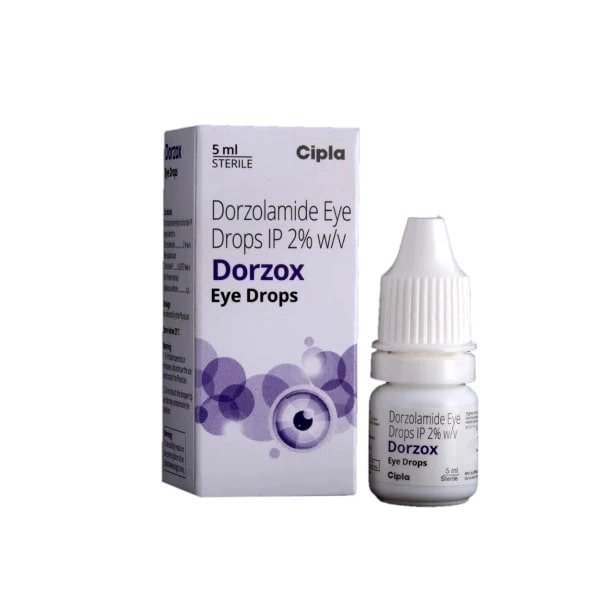
Dorzox (dorzolamide 2%) — τρεις φορές ημερησίως οφθαλμικές σταγόνες αναστολέα ανθρακικής ανυδράσης για ανοιχτόγωνιο γλαύκωμα. Προσοχή σε διέγερση σουλφωνιούρειας· συχνή μεταλλική γεύση.
✓ Ιατρικά ελεγμένο από Morgan Ellis — Ερευνητής Φαρμακευτικής · 8 χρόνια εμπειρία · Τελευταία αναθεώρηση: Μάιος 2026
⚡ Γρήγορη απάντηση — Τι είναι το Dorzox Αυτιοστάγματα;
Το Dorzox Αυτιοστάγματα περιέχει Dorzolamide HCl 2%, έναν αναστολέα ανθρακικής ανυδράσης (CAI) που μειώνει την ενδοφθάλμια πίεση κατά 18–22% με τη μείωση της παραγωγής υγρού του οφθαλμού. Χρησιμοποιείται τρεις φορές ημερησίως ως μονοθεραπεία ή δύο φορές ημερησίως ως συμπληρωματική θεραπεία. Αποφύγετε σε σοβαρή αλλεργία σε σουλφονιούρες.
📦 Κάθε παραγγελία καλύπτεται από την Πολιτική Εγγύησης Επαναποστολής — εάν το δέμα σας δεν φτάσει εντός 20 εργάσιμων ημερών, το επαναποστέλλουμε.
Γιατί να παραγγείλετε από τη MedsBase
Το Dorzox Αυτιοστάγματα προέρχεται από έναν κατασκευαστή πιστοποιημένο από τον WHO-GMP και αποστέλλεται παγκοσμίως σε απλή, διακριτική συσκευασία. Κάθε παραγγελία καλύπτεται από την Πολιτική Εγγύησης Επαναποστολής — εάν δεν έχει φτάσει μετά από 20 εργάσιμες ημέρες, το ξαναστέλνουμε χωρίς επιπλέον κόστος. Υποστηρίζεται από πάνω από 1,400 επαληθευμένες κριτικές πελατών.
Τι είναι το Dorzox Αυτιοστάγματα;
Το Dorzox Αυτιοστάγματα κατασκευάζεται από την Cipla και περιέχει Dorzolamide HCl 2% ως στείρη οφθαλμική διαυγή λύση. Είναι τοπικός αναστολέας ανθρακικής ανυδράσης που χρησιμοποιείται για τη μείωση της ενδοφθάλμιας πίεσης στο γλαύκωμα. Το Dorzolamide είναι διαυγής λύση. Ορισμένοι ασθενείς αναφέρουν μια παροδική πικρή γεύση από την αποστράγγιση στο λαιμό και ελαφρύ τσούξιμο από το όξινο pH (pH 5.6).
Πώς Λειτουργεί
Το Dorzolamide HCl αναστέλλει την ισοένζυμο ανθρακικής ανυδράσης II στο κιρσοειδές επιθήλιο, επιβραδύνοντας το σχηματισμό διττανθρακικού και την επακόλουθη ροή νατρίου και νερού στην οπίσθια θάλαμο. Το αποτέλεσμα είναι μειωμένη παραγωγή υγρού του οφθαλμού και χαμηλότερη ενδοφθάλμια πίεση. Οι τοπικοί CAIs φτάνουν σημαντικές ενδοφθάλμιες συγκεντρώσεις χωρίς τις συστημικές παρενέργειες του στοματικού ακεταζολαμίδη (παραισθησία, νεφρικές πέτρες, διαταραχή γεύσης).
Ενδείξεις & Χορήγηση
| Ενδείξεις | Δόση |
|---|---|
| Μονοθεραπεία | 1 σταγόνα στο(α) προσβεβλημένο(α) μάτι(α) τρεις φορές ημερησίως |
| Προσθήκη σε βήτα-αναστολέα ή PGA | 1 σταγόνα δύο φορές την ημέρα |
| Εάν είναι αιώρηση | Δεν ισχύει — η ντοροζολαμίδη είναι διαυγές διάλυμα |
| Πολλαπλές σταγόνες | Περιμένετε 5 λεπτά μεταξύ διαφορετικών προϊόντων |
Παρενέργειες
Τοπικά: θολή όραση (λιγότερο συχνή), τσούξιμο κατά την εγκατάσταση (συχνό, ειδικά με ντοροζολαμίδη), πικρή γεύση στο στόμα (εκροή μέσω ρινοδακρυϊκού πόρου), υπεραιμία του επιπεφυκότος, οφθαλμικός κνησμός, αντιδράσεις των βλεφάρων.
Συστημικά: πονοκέφαλος, κόπωση (σπάνια), νεφρολιθίαση (πολύ σπάνια με τοπική χρήση, σε αντίθεση με την από του στόματος ακεταζολαμίδη).
Ειδοποιήσεις & Αντενδείξεις
- Σοβαρή υπερευαισθησία σε σουλφοναμίδες
- Σοβαρή νεφρική δυσλειτουργία (CrCl < 30 mL/min) — πιθανή συσσώρευση
- Σοβαρή ηπατική δυσλειτουργία
- Ταυτόχρονη χορήγηση από του στόματος αναστολέων ανθρακικής ανυδράσης (ακεταζολαμίδη, μεθαζολαμίδης) — πρόσθετη αλλά περιορισμένη επιπλέον ωφέλεια
- Δυσλειτουργία ενδοθηλίου κερατοειδούς (δυστροφία Fuchs, μετά από μεταμόσχευση κερατοειδούς) — οι αναστολείς ανθρακικής ανυδράσης μπορεί να επιδεινώσουν το οίδημα του κερατοειδούς
- Κατηγορία εγκυμοσύνης C — αποφύγετε εκτός αν τα οφέλη υπερτερούν των κινδύνων
Αποθήκευση
Αποθηκεύστε σε θερμοκρασία 15–25°C. Απορρίψτε 28 ημέρες μετά την πρώτη άνοιξη. Κρατήστε το μπουκάλι σφιχτά κλειστό μεταξύ των χρήσεων.
Συχνές Ερωτήσεις
Ποια είναι η διαφορά μεταξύ δορζολαμίδης HCl και ακεταζολαμίδης;
Και τα δύο στοχεύουν την ίδια ενζύμη. Η τοπική δορζολαμίδη HCl παρέχει θεραπευτικά επίπεδα στο μάτι με ελάχιστη συστηματική έκθεση. Η από του στόματος ακεταζολαμίδη προκαλεί συστημικές παρενέργειες (παραισθησία, αλλαγές στη γεύση, νεφρολιθίαση, μεταβολική οξέωση) που συχνά περιορίζουν τη μακροπρόθεσμη χρήση.
Μπορώ να χρησιμοποιήσω τα σταγόνες Dorzox αν είμαι αλλεργικός σε αντιβιοτικά σουλφοναμίδης;
Εάν είχατε σύνδρομο Stevens-Johnson ή αναφυλαξία σε σουλφοναμίδη, αποφύγετε τους τοπικούς αναστολείς ανθρακικής ανυδράσης. Ένα ήπιο εξάνθημα με σουλφαμεθοξαζόλη δεν αποτελεί απόλυτη αντίθεση, αλλά συζητήστε με τον οφθαλμίατρό σας πριν ξεκινήσετε.
Γιατί οι σταγόνες Dorzox κάνουν το στόμα μου να έχει πικρή γεύση;
Μετά την εγκατάσταση, η σταγόνα απορροφάται μέσω του νασοδακρυϊκού πόρου στον λαιμό. Η δορζολαμίδη έχει μια αναγνωρίσιμη πικρή γεύση. Η πιεσματική απόφραξη (πιέζοντας την εσωτερική γωνία του ματιού σας για 1–2 λεπτά) μειώνει το φαινόμενο.
Πόσο γρήγορα δρουν οι σταγόνες Dorzox;
Η μείωση της ενδοφθάλμιας πίεσης ξεκινά εντός 1 ώρας από την πρώτη δόση· σταθερή επίδραση σε 1–2 εβδομάδες. Η μέση μείωση είναι 18–22% από την αρχική τιμή ως μονοθεραπεία.
Είναι φυσιολογική η θολή όραση μετά από την εγκατάσταση των σταγόνων Dorzox Eye Drop;
Η ήπια και προσωρινή θολή όραση που διαρκεί λίγα λεπτά είναι συνηθισμένη καθώς η σταγόνα απλώνεται στον κερατοειδή. Αν η θολή όραση παραμένει πέρα από τα 10–15 λεπτά, επικοινωνήστε με τον οφθαλμολόγο σας.
Μπορώ να συνδυάσω τα σταγόνες Dorzox Eye Drop με άλλα σταγόνια για γλαύκωμα;
Ναι — οι αναστολείς ανθρακικής ανυδράσης (CAIs) είναι συμπληρωματικοί με β-αναστολείς, αναλόγα προσταγλανδινών και α-2 αγωνιστές. Περιμένετε 5 λεπτά μεταξύ διαφορετικών φιαλιδών. Υπάρχουν σταθεροί συνδυασμοί όπως η δορζολαμίδη+τιμολόλη για καλύτερη συμμόρφωση.
Τι γίνεται αν ξεχάσω μια δόση;
Πάρτε το μόλις το θυμηθείτε, εκτός αν η επόμενη προγραμματισμένη δόση είναι κοντά — τότε παραλείψτε τη χαμένη δόση. Μην πάρετε διπλή δόση.
Μπορώ να χρησιμοποιήσω το Dorzox Eye Drop κατά τη διάρκεια της εγκυμοσύνης;
Κατηγορία C. Οι τοπικοί αναστολείς ανθρακικής ανυδράσης διασχίζουν τον πλακούντα σε μικρές ποσότητες. Αποφύγετε την χρήση εκτός αν ο οφθαλμολόγος σας κρίνει ότι το όφελος ξεκάθαρα υπερβαίνει τον κίνδυνο. Συζητήστε εναλλακτικές λύσεις όπως η μπριμονιδίνη ή η επιλεκτική τραβεκουλοπλαστική με λέιζερ.
Γιατί τρεις φορές την ημέρα αντί για δύο;
Όταν χρησιμοποιείται ως μονοθεραπεία, η δορζολαμίδη HCl έχει διάρκεια δράσης 8 ωρών, επομένως η χορήγηση τρεις φορές την ημέρα διατηρεί τον έλεγχο της ενδοφθάλμιας πίεσης (IOP) για 24 ώρες. Όταν προστίθεται σε έναν υπάρχοντα β-αναστολέα ή προσταγλανδίνη, αρκούν δύο φορές την ημέρα επειδή το συμπληρωματικό φάρμακο παρέχει επιπλέον κάλυψη.
Τι να κάνω αν το μάτι μου γίνει κόκκινο ή με φαγούρα;
Η ήπια ερυθρότητα του επιπεφυκότος είναι συχνή τις πρώτες 1–2 εβδομάδες και συνήθως εξαφανίζεται. Η επίμονη ερυθρότητα, οι πρησμένοι βλεφαρόκοιποι ή η φαγούρα μπορεί να υποδηλώνουν αλλεργική αντίδραση — σταματήστε τις σταγόνες και επικοινωνήστε με τον οφθαλμολόγο σας.
Άλλα Φάρμακα για τη Φροντίδα των Ματιών
Οι πελάτες που βλέπουν αυτό το προϊόν εξετάζουν επίσης αυτές τις εναλλακτικές λύσεις στην Φροντίδα Ματιών ποικιλία μας:
- Xalatan Eye Drop (latanoprost)
- Azopt Eye Drops (brinzolamide)
- Alphagan P Drop (brimonidine)
- Iotim Eye Drops (timolol)
- Careprost (bimatoprost)
Ιατρική Αποποίηση Ευθύνης
Οι πληροφορίες σε αυτή τη σελίδα προορίζονται μόνο για εκπαιδευτικούς σκοπούς και δεν αποτελούν υποκατάστατο ιατρικής συμβουλής από έναν προσόντα οφθαλμίατρο ή οπτομετρία. Οι παθήσεις των ματιών μπορούν να απειλήσουν γρήγορα την όραση — η ξαφνική απώλεια όρασης, ο σοβαρός πόνος ή το τραύμα αποτελούν οφθαλμολογική έκτακτη ανάγκη. Συμβουλευτείτε πάντα έναν επαγγελματία φροντίδας των ματιών πριν ξεκινήσετε, διακόψετε ή αλλάξετε οποιαδήποτε θεραπεία.
Περισσότερες επιλογές στη Φροντίδα Ματιών
Ταξινομημένα σύμφωνα με τον όγκο παραγγελιών στο MedsBase — τι επιλέγουν άλλοι πελάτες σε αυτήν την κατηγορία.
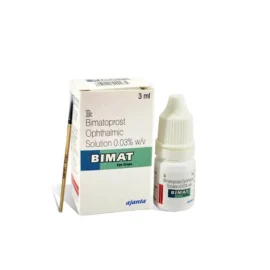
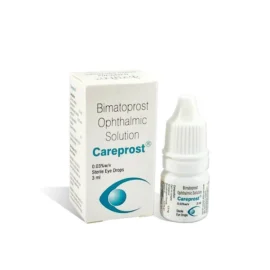
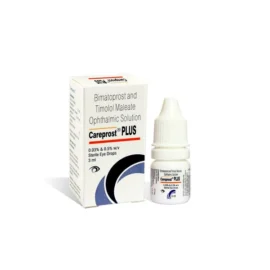
| Ισχύς | 2% (5 ml) |
|---|---|
| Ποσότητα | 1 Μπουκάλι/α, 3 Μπουκάλια, 6 Μπουκάλια |
| Φαρμακευτική Μορφή | Τα σταγονίδια ματιού |
| Κατασκευαστής | Cipla Inc |
| Θεραπεία | Γλαύκωμα |
| Γενόσημη μάρκα | Το Dorzolamide |
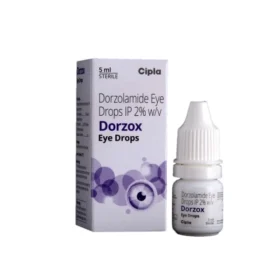 Dorzox Αυτιοστάγματα
Ερωτήσεις & Απαντήσεις
Dorzox Αυτιοστάγματα
Σχετικά προϊόντα



Κριτικές
Δεν υπάρχουν ακόμη κριτικές