







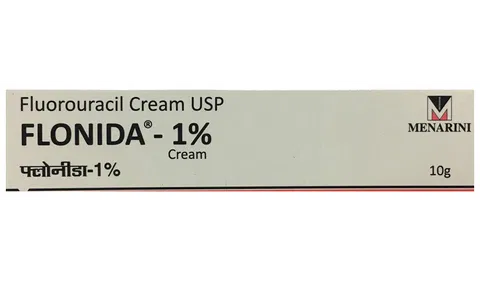
Flonida Cream
✅ Θεραπεύει δερματικές εξαυλώσεις
✅ Διαχειρίζεται ακτινική κεράτωση
✅ Ελέγχει δερματικό καρκίνο
✅ Μειώνει δερματικές βλάβες
✅ Ελαχιστοποιεί την εμφάνιση κονδυλωμάτων
Η Flonida Κρέμα περιέχει Fluorouracil.
✓ Ιατρικά ελεγμένο από Morgan Ellis — Ερευνητής Φαρμακευτικής · 8 χρόνια εμπειρία · Τελευταία αναθεώρηση: Μάιος 2026
⚡ Γρήγορη Απάντηση — Τι είναι η Flonida Κρέμα;
Flonida Cream περιέχει φθοριοουρακίλη (5-FU) 5% w/w ως τοπική κρέμα από την Yash Pharma — ένα κυτταροτοξικό χημειοθεραπευτικό παράγοντα χρησιμοποιείται τοπικά για τη θεραπεία ακτινικών (ηλιακών) κεράτων, επιφανειακού βασικοκυτταρικού καρκίνου, και νόσου Bowen (επιθήλιο καρκίνωμα in situ) που έχουν επιβεβαιωθεί από κλινικό γιατρό. Το 5-FU αναστέλλει τη θυμιδυλική συνθάση και καταστρέφει επιλεκτικά τα γρήγορα διαιρούμενα δυσπλαστικά δερματικά κύτταρα. Η θεραπεία προκαλεί μια εσκεμμένη φλεγμονώδη αντίδραση (ερυθρότητα → έκφυση → κρούστα → επούλωση) σε 2-6 εβδομάδες — αυτός ΕΙΝΑΙ ο μηχανισμός, όχι μια δυσμενής αντίδραση. Απόλυτες αντενδείξεις: κύηση (Κατηγορία X), θηλασμός, γνωστή ανεπάρκεια DPD (διϋδροπυριμιδινικής δεϋδρογονάσης), χρήση σε βλεννογόνους, χρήση σε βλάβες χωρίς βιοψιακή επιβεβαίωση. Αυστηρή αποφυγή ηλιακής έκθεσης κατά τη διάρκεια της θεραπείας και για 1-2 μήνες μετά. Δεν αποτελεί υποκατάστατο της χειρουργικής εκτομής από οζώδη ή εισχωρητικά καρκινώματα του δέρματος — Το Flonida Cream είναι κατάλληλο μόνο για επιφανειακά, βιοψία-επιβεβαιωμένα εδάφια υπό την καθοδήγηση ειδικού δερματολόγου.
📦 Κάθε παραγγελία καλύπτεται από την Πολιτική Εγγύησης Επαναποστολής — εάν το δέμα σας δεν φτάσει εντός 20 εργάσιμων ημερών, το επαναποστέλλουμε.
Γιατί να παραγγείλετε από τη MedsBase
Τα γενόσημα φάρμακά μας προέρχονται από κατασκευαστές που πιστοποιούνται από την WHO-GMP και αποστέλλονται παγκοσμίως σε διακριτική, απλή συσκευασία — χωρίς όνομα φαρμάκου στο εξωτερικό του δέματος. Οι πληρωμές με κάρτα δρομολογούνται μέσω ρυθμισμένου επεξεργαστή (οι περιγραφές εκκαθάρισης περιλαμβάνουν ρυθμισμένο επεξεργαστή πληρωμών με κάρτα — ποτέ “MedsBase” ή οποιοδήποτε όνομα φαρμάκου). Γίνονται δεκτές και πληρωμές με κρυπτονομίσματα και τραπεζική μεταφορά SEPA. Κάθε παραγγελία καλύπτεται από την Πολιτική Επαναποστολής Εξασφαλίσεώς μας.
Τι είναι το Flonida Cream;
Το Flonida Cream είναι μια τοπική φθοριοουρακίλη (5-FU) 5% w/w κρέμα από την Yash Pharma, που παρέχεται σε σωληνάριο 10 g. Η φθοριοουρακίλη είναι ένα χημειοθεραπευτικό φάρμακο αντιμεταβολίτη πυριμιδίνης που συνθετίστηκε για πρώτη φορά το 1957 και χρησιμοποιείται ευρέως ως ενδοφλέβιος κυτταροτοξικός για γαστρεντερικούς, μαστικούς και καρκίνους κεφαλής-τραχήλου. Η τοπική διαμορφωτική του εισήχθη τη δεκαετία του 1960 μετά την παρατήρηση ότι η ενδοφλέβια 5-FU εξάλειψε τις ακτινικές κεράτωσεις σε δέρμα εκτεθειμένο στον ήλιο. Διεθνώς εμπορική ως Efudix (ΗΒ, ΕΕ), Efudex (ΗΠΑ), Adrucil (ενδοφλέβια μορφή), Carac, Tolak, Fluoroplex, και γενόσημα. Παραμένει η πιο χρησιμοποιούμενη τοπική χημειοθεραπεία για καρκίνο και προ-καρκίνο δέρματος με εδάφια επίδραση.
Πώς λειτουργεί το Flonida Cream;
- Μεταβολίζεται σε 5-φθοροδεοξυουριδίνη μονοφωσφορική (FdUMP), η οποία αναστέλλει την θυμιδυλική συνθάση (TS) — το ένζυμο που μετατρέπει το dUMP σε dTMP. Χωρίς dTMP, η σύνθεση του DNA σταματά.
- Επίσης ενσωματώνεται στο RNA ως FUTP και στο DNA ως FdUTP, διαταράσσοντας τη μεταγραφή και προκαλώντας απόπτωση σε γρήγορα διαιρούμενα κύτταρα.
- Επιλεκτικά καταστρέφει τα δυσπλαστικά και κακοήθη κερατινοκύτταρα που πολλαπλασιάζονται γρήγορα, διαφειγόμενα τα φυσιολογικά, αργά διαιρούμενα κερατινοκύτταρα. Η επιλεκτικότητα δεν είναι τέλεια, γι' αυτό και το φυσιολογικό δέρμα στη περιοχή της θεραπείας φλεγμονιάζει επίσης.
- Ελάχιστη συστημική απορρόφηση από τοπική εφαρμογή σε άθικτο δέρμα (<10% της εφαρμοσμένης δόσης), αλλά η απορρόφηση αυξάνεται απότομα όταν εφαρμόζεται σε μεγάλες επιφάνειες, εξογκωμένο ή εξελκωμένο δέρμα, ή όταν καλύπτεται με επίδεσμο.
- Μεταβολισμός: το συστημικό 5-FU καταβολίζεται από την διϋδροπυριμιδινική δεϋδρογενάση (DPD). Οι ασθενείς με πλήρη ή μερική έλλειψη DPD (~3-5% του πληθυσμού για μερική έλλειψη· ~0,2% πλήρης) δεν μπορούν να αποβάλλουν το 5-FU και υποφέρουν από σοβαρή συστημική τοξικότητα ακόμη και από τοπική εφαρμογή — αυτό είναι απόλυτη αντίθεση.
Η αναμενόμενη ορατή ακολουθία αντίδρασης κατά τη διάρκεια μιας θεραπείας 2-6 εβδομάδων: ήπια ερυθρότητα (εβδομάδα 1) → έντονη ερυθρότητα και καύση (εβδομάδες 2-3) → εξογκώματα, κρούστες, έκκριση (εβδομάδες 3-4) → επούλωση και επαναεπιθηλιοποίηση (εβδομάδες 4-6) → υπολειπόμενο δέρμα πιο ροζ από το περιβάλλον, που εξασθενεί σε 1-2 μήνες. Αυτή η ακολουθία είναι ο μηχανισμός δράσης και ΔΕΝ είναι δυσμενής αντίδραση. Οι ασθενείς συχνά το βρίσκουν ανησυχητικό· η προηγούμενη εκπαίδευση είναι απαραίτητη. Η διακοπή νωρίς επειδή το δέρμα “φαίνεται άσχημο” είναι ο πιο συνηθισμένος λόγος αποτυχίας της θεραπείας — η ορατή αντίδραση σηματοδοτεί ότι το φάρμακο λειτουργεί.
Όταν Χρησιμοποιείται η Κρέμα Flonida
Άδειες χρήσης (υπό την επίβλεψη δερματολόγου και μετά από βιοψία όπου είναι κατάλληλο):
- Ακτινικές κεράτωσεις (ηλιακές κεράτωσεις) — προκαρκινικές βλάβες που προκαλούνται από τον ήλιο στο πρόσωπο, το τριχωτό της κεφαλής, τα αυτιά, το ράχι των χεριών, τους πήχεις. Το τοπικό 5-FU είναι η πρώτη γραμμή θεραπείας για ευρεία περιοχή (πολλαπλές βλάβες σε μεγάλη έκταση).
- Επιφανειακό καρκίνωμα βασικών κυττάρων (sBCC) — επιβεβαιωμένο με βιοψία, στον κορμό ή τα άκρα (όχι στο κεφάλι/λαιμό εκτός εάν ορίζεται συγκεκριμένα), όπου η χειρουργική εξαίρεση είναι μη πρακτική ή κοσμητικά ανεπιθύμητη.
- νόσου Bowen (επιθήλιο καρκίνωμα in situ) — επιβεβαιωμένο με βιοψία, καλά οριοθετημένο, στον κορμό ή τα άκρα.
- Κερατοακάνθωμα (ειδική χρήση, μόνο συγκεκριμένοι υποτύποι)
Η Κρέμα Flonida είναι ΟΧΙ για:
- Οζώδες ή εισχωρητικό καρκίνωμα βασικών κυττάρων — απαιτεί χειρουργική εξαίρεση, χειρουργική Mohs ή ακτινοθεραπεία
- Εισχωρητικό καρκίνωμα πλακωδών κυττάρων — απαιτεί χειρουργική εξαίρεση
- Μελάνωμα ή ύποπτες βλάβες για μελάνωμα
- Βλάβες χωρίς ιστολογική διάγνωση — πρέπει πρώτα να επιβεβαιωθεί ο τύπος του δερματικού καρκίνου με βιοψία· το τοπικό 5-FU μπορεί να εξομαλύνει και να θεραπεύσει εν μέρει έναν επεμβατικό καρκίνο αρκετά για να καθυστερήσει τη χειρουργική διάγνωση ενώ η βαθύτερη νόσος προχωρά
- Κανονικές ρυτίδες, ηλιακή βλάβη ή χρωματισμός (αισθητική χρήση) — πρόκειται για χημειοθεραπευτικό φάρμακο, όχι για καλλυντικό
- Δερματικές πτυχές ή βλεννογόνες περιοχές
Δοσολογία και πρωτόκολλα θεραπείας της Flonida Cream
Τυπικό πρωτόκολλο για ενεργητική κέρωση (πρόσωπο, τριχωτή κεφαλή)
- Πλύνετε την περιοχή θεραπείας με ήπιο σαπούνι και χλιαρό νερό· στεγνώστε με ελαφριά πίεση.
- Εφαρμόστε μια λεπτό στρώμα Flonida Cream απευθείας στην πληγείσα περιοχή και μια μικρή περιθώριο (1-2 cm) του περιβάλλοντος δέρματος· τρίψτε απαλά με γαντεμένο δάχτυλο ή βαμβακερό μπατονέ.
- Πλύνετε καλά τα χέρια μετά την εφαρμογή. Μην αγγίζετε τα μάτια, τα χείλη, το εσωτερικό των ρουθουνιών ή τις βλεννογόνες μεμβράνες με μολυσμένα με κρέμα χέρια.
- Εφαρμόστε δύο φορές ημερησίως για 2-4 εβδομάδες. στο πρόσωπο και το τριχωτό της κεφαλής. Η διάρκεια της θεραπείας προσαρμόζεται ανάλογα με την κλινική αντίδραση — μόλις επιτευχθεί η επιθυμητή φλεγμονώδης/δακρυώδης αντίδραση, ο στόχος έχει επιτευχθεί και η θεραπεία μπορεί να διακοπεί.
- Χωρίς αποκλειστικά επίδεσμα. Η κρέμα αφήνεται ακάλυπτη στον αέρα — η κάλυψη αυξάνει την απορρόφηση και τη σοβαρότητα της αντίδρασης πέρα από το επιθυμητό επίπεδο.
- Μετά τη διακοπή, το δέρμα συνεχίζει να επουλώνεται για 2-6 εβδομάδες. Εφαρμόστε ένα ήπιο ενυδατικό (πετρελαιόζελη, ενυδατική κρέμα με βάση παραφίνη) κατά τη φάση της επούλωσης. ΟΧΙ καλλυντικά, ΟΧΙ έκθεση στον ήλιο.
Πρωτόκολλο Επιφανειακού BCC / Νόσου Bowen
- Πρέπει πρώτα να επιβεβαιωθεί η διάγνωση με βιοψία. Μόνο για επιφανειακό BCC στον κορμό/άκρα, ή νόσο Bowen — υπό την καθοδήγηση ειδικού δερματολόγου.
- Εφαρμόστε δύο φορές ημερησίως για 3-6 εβδομάδες.
- Η θεραπεία συχνά φαίνεται χειρότερη και διαρκεί περισσότερο από τη θεραπεία της AK — αναμένεται έντονη φλεγμονή, δακρύωση και έκκριση για 2-3 εβδομάδες, ακολουθούμενη από αργή φάση επούλωσης.
- Επαναληπτική βιοψία σε 8-12 εβδομάδες συχνά συνιστάται για την επιβεβαίωση της εξάλειψης. Οι ποσοστές υποτροπής σε 5 έτη είναι 10-30% — η ετήσια παρακολούθηση από δερματολόγο για 5 έτη είναι το πρότυπο.
Εναλλακτικά Πρόγραμματα
Ο δερματολόγος σας μπορεί να συνιστά ένα πρόγραμμα παλμών (π.χ. 2 εβδομάδες ενεργό, 2 εβδομάδες παύση, επανάληψη· ή μόνο τα σαββατοκύριακα για εκτεταμένες περιόδους) για τη μείωση της σοβαρότητας της φλεγμονώδους αντίδρασης σε ασθενείς που δεν ανέχονται την τυπική 4-εβδομάδα θεραπεία. Ο συνδυασμός με calcipotriol (4-ήμερη θεραπεία) ή διαδοχική imiquimod χρησιμοποιείται για σοβαρή διάχυτη νόσο. Αυτά τα πρωτόκολλα ανήκουν στην ειδικευμένη δερματολογία — μην τα τροποποιείτε μόνοι σας.
Αναμενόμενη Χρονοδιάγραμμα Αντίδρασης — Τι να Περιμένετε
| Φάση | Αυτό που βλέπετε |
|---|---|
| Ημέρες 1-7 (αρχική) | Ήπια ερυθρότητα και ελαφρύ μούδιασμα. Οι βλάβες που ήταν προηγουμένως αόρατες μπορεί να γίνουν ορατές καθώς ανταποκρίνονται. |
| Ημέρες 7-14 (αντίδραση) | Έντονη ερυθρότητα, καύση, ευαισθησία, τσούξιμο. Το δέρμα αισθάνεται ζεστό. Οι βλάβες σκουραίνουν και γίνονται πιο εμφανείς. |
| Ημέρες 14-28 (διάβρωση) | Διάβρωση, υγρασία, κρούστα. Το δέρμα φαίνεται εμφανώς γυμνό. Αυτό είναι το σημάδι ότι το φάρμακο δρα στα στοχευμένα κύτταρα. |
| Ημέρες 28-42 (επούλωση) | Ξεκινά η επαναεπιθηλιοποίηση. Μόνο ήπια ενυδατική κρέμα· όχι καλλυντικά, όχι ήλιο. Ροζ νέο δέρμα αντικαθιστά τη διάβρωση. |
| Εβδομάδες 6-12 (επίλυση) | Το ροζ δέρμα ξεθωριάζει προς το φυσιολογικό χρώμα. Η υπολειπόμενη ερυθρότητα μπορεί να παραμείνει για αρκετούς μήνες. Μπορεί να εμφανιστεί υπερ- ή υπο-χρωματισμός και είναι συνήθως μόνιμος. |
Παρενέργειες
- Αναμενόμενα (ΟΛΟΙ οι ασθενείς): ερυθρότητα, καύση, τσούξιμο, διάβρωση, κρούστα, υγρασία, ευαισθησία στην περιοχή της θεραπείας — αυτές ΕΙΝΑΙ η θεραπευτική αντίδραση
- Συχνές: πόνος, φαγούρα, ξηρότητα, φωτοευαισθησία, τοπικό οίδημα, προσωρινός υπερ- ή υπο-χρωματισμός
- Ασυνήθιστες: αλλεργική επαφής δερματίτιδα, σχηματισμός μιλίων κατά την επούλωση, υπολειπόμενη τηλεγγεκτασία στην περιοχή της θεραπείας, ουλή (συνήθως ήπια)
- Σπάνια: Σύνδρομο Stevens-Johnson, φωτο-ονυχόλυση εάν εκτεθούν τα νύχια, βλάβη του κερατοειδούς εάν η κρέμα φτάσει στο μάτι
- Σοβαρές (ασθενείς με έλλειψη DPD, ή εκτεταμένη έκθεση): σοβαρή βλεννίτιδα, διάρροια, καταστολή μυελού των οστών, νευροτοξικότητα — η συστηματική τοξικότητα από 5-FU μπορεί να προκύψει ακόμη και από τοπική εφαρμογή σε ασθενείς με έλλειψη DPD και απαιτεί νοσηλευτική διαχείριση
Αντενδείξεις & Προειδοποιήσεις
- Εγκυμοσύνη (Κατηγορία X) — ΑΠΟΛΥΤΗ. Το 5-FU είναι τερατογόνο. Οι γυναίκες σε αναπαραγωγική ηλικία πρέπει να χρησιμοποιούν αποτελεσματική αντισύλληψη κατά τη διάρκεια και για τουλάχιστον 3 μήνες μετά τη θεραπεία. Η διενέργεια τεστ εγκυμοσύνης πριν από την έναρξη είναι υποχρεωτική.
- Γαλουχία — ΑΠΟΛΥΤΗ ΑΠΑΓΟΡΕΥΣΗ. Μην γαλουχείτε κατά τη διάρκεια της θεραπείας.
- Γνωστή ή ύποπτη ανεπάρκεια DPD (διυδροπυριμιδινικής δεϋδρογενάσης) — ΑΠΟΛΥΤΗ ΑΠΑΓΟΡΕΥΣΗ. Ασθενείς με οικογενειακό ιστορικό σοβαρών αντιδράσεων αβέβαιης αιτιολογίας σε φθοροπυριμιδίνες (καπεσιταβίνη, συστημικό 5-FU) πρέπει να ελεγχθούν πριν από τοπική εφαρμογή 5-FU.
- Γνωστή υπερευαισθησία στη φθοροουρακίλη ή σε οποιοδήποτε βοηθητικό συστατικό
- Εφαρμογή σε βλεννογόνους, χείλη, βλέφαρα, εσωτερικό των ρουθουνιών — η απορρόφηση από βλεννογόνους είναι πολύ υψηλότερη από τη δερματική και μπορεί να προκαλέσει σοβαρές αντιδράσεις
- Μη επιβεβαιωμένες με βιοψία βλάβες — η τοπική θεραπεία μη διαγνωσμένης βλάβης μπορεί να αποκρύψει την παρουσία εισχωρικού καρκίνου από κάτω
- Κόμβωμα ή εισχωρητικό BCC ή εισχωρητικό SCC — αυτές οι περιπτώσεις απαιτούν χειρουργική αντιμετώπιση
- Παιδιά — δεν ενδείκνυται σε παιδιατρικές δερματικές παθήσεις
- Ασθενείς με ανοσοκαταστολή μετά από μεταμόσχευση — απόφαση ειδικού δερματολόγου· κίνδυνος καθυστερημένης επούλωσης και συστημικής απορρόφησης
- Οκλυσικά επίδεσμα — μην πραγματοποιείτε οκλασία εκτός εάν ορίζεται συγκεκριμένα· η οκλασία αυξάνει δραματικά την απορρόφηση και τη σοβαρότητα της αντίδρασης
Αλληλεπιδράσεις Φαρμάκων
- Συστημικές φθοροπυριμιδίνες (καπεσιταμπίνη, συστημική 5-FU, τεγαφούρη) — μην χρησιμοποιείτε ταυτόχρονα· κίνδυνος σοβαρής τοξικότητας
- Μπριβουδίνη, σοριβουδίνη (αντιιικά) — αναστέλλουν την DPD και μπορούν να προκαλέσουν θανατηφόρα συστημική τοξικότητα 5-FU ακόμη και από τοπική εφαρμογή· ΑΠΟΛΥΤΗ ΑΠΟΦΥΓΗ
- Άλλα τοπικά κυτταροτοξικά ή ανοσοτροποποιητικά μέσα (ιμικουιμόδη, ινγενόλη μεβουτάτη, τζελ δικλοφαινάκης) — μην εφαρμόζετε στην ίδια περιοχή χωρίς ειδική οδηγία· η διαδοχική χρήση είναι πρότυπο σε ορισμένες πρωτοκόλλους θεραπείας πεδίου
- Τοπικά κορτικοστεροειδή — καταστέλλουν την θεραπευτική φλεγμονώδη αντίδραση· γενικά αποφεύγονται κατά τη διάρκεια της ενεργής θεραπείας, μπορεί να χρησιμοποιηθούν σύντομα για ανυπόφορες αντιδράσεις υπό ειδική οδηγία
- Βαρφαρίνη — η ενδοφλέβια 5-FU ενισχύει σημαντικά την δράση της βαραφίνης· η τοπική 5-FU έχει ελάχιστη συστημική επίδραση σε κανονική χρήση αλλά παρακολουθήστε το INR πιο στενά εάν ο ασθενής λαμβάνει βαραφίνη και χρησιμοποιεί εκτεταμένη τοπική 5-FU
- Φαινυτοΐνη — η συστημική 5-FU αυξάνει τα επίπεδα φαινυτοίνης· η τοπική χρήση σπάνια έχει κλινική σημασία
Κανόνες Έκθεσης στον Ήλιο
Αυστηρή αποφυγή ηλιακής έκθεσης κατά τη διάρκεια της θεραπείας και για 1-2 μήνες μετά:
- Μείνετε μακριά από την άμεση ηλιακή ακτινοβολία όσο είναι δυνατόν κατά τη διάρκεια της θεραπείας. Εάν βρίσκεστε έξω, φορέστε ένα πλατύγυρο καπέλο και καλύψτε πλήρως την περιοχή που θεραπεύεται.
- ΜΗΝ χρησιμοποιείτε αντηλιακό απευθείας στην φλεγμονή/διαβρωμένη περιοχή θεραπείας κατά τη διάρκεια της ενεργής αντίδρασης — τα συστατικά του αντηλιακού μπορεί να προκαλέσουν έντονο τσούξιμο και να παρεμβαίνουν στην επούλωση. Χρησιμοποιήστε φυσική προστασία (καπέλο, ρούχα) αντί αυτού.
- Μόλις το δέρμα έχει επαναεπιθηλιοποιηθεί πλήρως και έχει επουλωθεί (συνήθως 6-8 εβδομάδες από την έναρξη της θεραπείας), συνεχίστε με καθημερινό αντηλιακό ευρέος φάσματος SPF 50+ — το θεραπευμένο δέρμα είναι πιο ευαίσθητο στον ήλιο για 1-2 μήνες και η μακροπρόθεσμη αποφυγή ηλιακής έκθεσης είναι ο ακρογωνιαίος λίθος στην πρόληψη μελλοντικών ακτινικών κεράτων και δερματικού καρκίνου.
- Απαγορεύονται οι λάμπες ηλιοθεραπείας, πάντα, σε ασθενείς με ιστορικό ακτινικών κεράτων ή μη-μελανωματικού δερματικού καρκίνου.
Αποθήκευση και Διάρκεια Ζωής
Φυλάξτε την Κρέμα Flonida στους 15-25°C στο πρωτότυπο σωληνάριο, μακριά από την άμεση ηλιακή ακτινοβολία. ΜΗΝ την καταψύχετε. Κλείνετε καλά το καπάκι μετά από κάθε χρήση. Κρατήστε μακριά από παιδιά και κατοικίδια — πρόκειται για κυτταροτοξικό φάρμακο και η τυχαία κατάποση ή επαφή με τα μάτια απαιτεί άμεση ιατρική προσοχή. Απορρίψτε τα άδεια σωληνάρια σύμφωνα με τους τοπικούς κανονισμούς για κυτταροτοξικά απόβλητα (σε πολλές δικαιοδοσίες, επιστρέψτε τα σε φαρμακείο — όχι σε οικιακά απόβλητα).
Συχνές Ερωτήσεις
Γιατί το δέρμα μου φαίνεται χειρότερο ενώ χρησιμοποιώ την Κρέμα Flonida;
Η ορατή φλεγμονώδης αντίδραση — ερυθρότητα, καύση, διάβρωση, κρούστα, έκκριση — ΕΙΝΑΙ ο θεραπευτικός μηχανισμός. Το 5-FU καταστρέφει δυσπλαστικά κύτταρα, και η ανοσολογική απομάκρυνση των υπολειμμάτων προκαλεί τη φλεγμονή. Οι ασθενείς που δεν έχουν καλή αντίδραση συνήθως δεν έχουν καλό κλινικό αποτέλεσμα. Η διακοπή νωρίς επειδή “φαίνεται άσχημα” είναι ο πιο συνηθισμένος λόγος αποτυχίας της θεραπείας. Ο δερματολόγος σας θα σας καθοδηγήσει για το πόσο έντονη αντίδραση να επιδιώξετε και πότε να σταματήσετε.
Μπορώ να χρησιμοποιήσω την Κρέμα Flonida σε ένα σημείο που νομίζω ότι μπορεί να είναι δερματικός καρκίνος, χωρίς βιοψία;
Όχι. Η θεραπεία μιας μη διαγνωσμένης βλάβης με τοπικό 5-FU μπορεί να εξομαλύνει και να καθαρίσει εν μέρει έναν εισβλητικό καρκίνο αρκετά για να καλύψει την εμφάνισή του ενώ η βαθύτερη νόσος εξελίσσεται ανεξέλεγκτα. Όλες οι ύποπτες βλάβες δερματικού καρκίνου χρειάζονται βιοψία και ιστολογική διάγνωση πριν από τη θεραπεία — το τοπικό 5-FU δεν είναι κατάλληλο για κομβικό BCC, εισβλητικό SCC, μελάνωμα ή οποιαδήποτε βλάβη αβέβαιης διάγνωσης.
Τι είναι η έλλειψη DPD και γιατί έχει σημασία για μια τοπική κρέμα;
Η διυδροπυριμιδινική δεϋδρογονάση (DPD) είναι το ένζυμο που αποτοξινώνει συστημικά το 5-FU. Περίπου 3-5% των ανθρώπων έχουν μερική ανεπάρκεια· 0,2% έχουν πλήρη ανεπάρκεια. Σε ασθενείς με ανεπάρκεια, ακόμη και η μικρή ποσότητα 5-FU που απορροφάται από τοπική εφαρμογή μπορεί να συσσωρευτεί σε τοξικά επίπεδα, προκαλώντας σοβαρή βλεννόγονου πάθηση, διάρροια, ανεπάρκεια μυελού των οστών και νευροτοξικότητα. Οικογενειακό ιστορικό σοβαρών αντιδράσεων σε οποιοδήποτε φθοροπυριμιδινικό φάρμακο (καπεσιταβίνη, συστημικό 5-FU, τεγαφούρη) είναι μια κόκκινη σημαία — κάντε έλεγχο πριν ξεκινήσετε τοπικό 5-FU. Σε περίπτωση αμφιβολίας, συζητήστε με τον δερματολόγο ή ογκολόγο σας.
Μπορώ να χρησιμοποιώ μακιγιάζ ή αντηλιακό κατά τη διάρκεια της θεραπείας;
Όχι καλλυντικά στην περιοχή που θεραπεύεται κατά τη διάρκεια της ενεργής θεραπείας — μπορεί να συσσωρευτούν σε ερωτισμένο δέρμα, να αυξήσουν την ερεθισμό και να αναστείλουν την επούλωση. Ούτε αντηλιακό απευθείας στην περιοχή θεραπείας· χρησιμοποιήστε φυσική προστασία από τον ήλιο (καπέλο, μακριά μανίκια, ομπρέλα) αντί αυτού. Μόλις ολοκληρωθεί η επούλωση (6-8 εβδομάδες), ξεκινήστε καθημερινό αντηλιακό ευρέος φάσματος SPF 50+ ως μακροπρόθεσμη πρόληψη.
Τι γίνεται αν χάσω μια δόση;
Εφαρμόστε την επόμενη δόση στην κανονικά προγραμματισμένη ώρα. Μην διπλασιάσετε τη δόση. Η περιστασιακή παράλειψη μιας δόσης δεν επηρεάζει σημαντικά τη συνολική πορεία.
Είναι η εγκυμοσύνη πραγματικά απόλυτη αντένδειξη — είναι μόνο μια κρέμα για το δέρμα;
Ναι, απολύτως. Αρκετό 5-FU απορροφάται από την τοπική εφαρμογή για να είναι τερατογόνο σε μελέτες με ζώα, και υπάρχουν περιπτώσεις εμβρυϊκών δυσμορφιών μετά από έκθεση κατά την εγκυμοσύνη. Το 5-FU ανήκει Κατηγορία εγκυμοσύνης X — στην υψηλότερη κατηγορία κινδύνου, που σημαίνει ότι ο κίνδυνος κατά την εγκυμοσύνη υπερβαίνει κάθε πιθανό όφελος. Η αποτελεσματική αντισύλληψη είναι υποχρεωτική κατά τη διάρκεια και για τουλάχιστον 3 μήνες μετά τη θεραπεία. Εάν μείνετε έγκυος κατά τη διάρκεια της θεραπείας, διακόψτε αμέσως και επικοινωνήστε με τον γιατρό σας.
Μπορεί κάποιος άλλος να αγγίξει το δέρμα μου που θεραπεύεται;
Αποφύγετε την επαφή δέρμα με δέρμα της περιοχής που θεραπεύεται με άλλους ανθρώπους — ειδικά παιδιά και έγκυες γυναίκες — μέχρι να πλύνετε την περιοχή θεραπείας και τα χέρια σας. Πλύνετε τα χέρια σας μετά από κάθε εφαρμογή. Τα υπολείμματα στα ρούχα ή τα σεντόνια δεν αποτελούν σημαντικό κίνδυνο έκθεσης για άλλους.
Ποιες είναι οι εναλλακτικές λύσεις της Flonida Cream;
Για ακτινικές κερατόσεις: κρυοθεραπεία (υγρό άζωτο), αλοιφή ιμικουιμόδης, τζελ δικλοφενάκης 3%, φωτοδυναμική θεραπεία (PDT), μεβουτάτη ινγενόλη. Για επιφανειακό BCC: ιμικουιμόδη, PDT, χειρουργική εκτομή, κύρηση και ηλεκτροξήλωση, μικρογραφική χειρουργική Mohs. Για εισχωρητικό καρκίνο του δέρματος: χειρουργική επέμβαση (εκτομή ή Mohs), ακτινοθεραπεία. Ο δερματολόγος σας θα συνιστά την καλύτερη επιλογή με βάση τον τύπο της βλάβης, το μέγεθος, τη θέση, τον τύπο του δέρματός σας, άλλες ιατρικές παθήσεις και τη λογιστική της θεραπείας.
Πού μπορώ να παραγγείλω την αλοιφή Flonida online;
Μπορείτε να παραγγείλετε την αλοιφή Flonida από το MedsBase σε τυπικές συσκευασίες (σωληνάριο 10 g). Οι παραγγελίες αποστέλλονται παγκοσμίως με διακριτική συσκευασία. Η τοπική φθοριοουρακίλη είναι ένα κυτταροτοξικό φάρμακο υπό ειδικευμένη επίβλεψη σε όλες τις δικαιοδοσίες· χρησιμοποιείται μόνο υπό την επίβλεψη δερματολόγου και μετά από διάγνωση που επιβεβαιώνεται με βιοψία.
Σχετικά Προϊόντα Δερματολογίας στο MedsBase
- Tenovate Κρέμα (clobetasol) — πολύ ισχυρή τοπική κορτικοστεροειδής αλοιφή για φλεγμονώδεις δερματοπάθειες (ΔΕΝ προορίζεται για χρήση σε θέσεις θεραπείας με 5-FU)
- A-Ret Gel (τρετινοΐνη) — τοπική ρετινοειδής αλοιφή που χρησιμοποιείται για φωτοβλάβη, ήπιες ακτινικές κερατόσεις και συμπληρωματική φροντίδα ηλιοκατεστραμμένου δέρματος
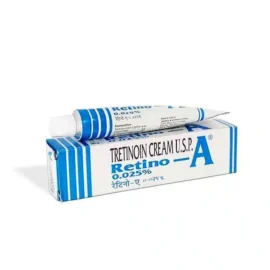
- Retino-A Cream (τρετινοΐνη) — αλοιφή τρετινοίνης για ηλιοκατεστραμμένο δέρμα
- Αλοιφή T-Bact (μουπιροκίνη) — τοπικό αντιβιοτικό εάν αναπτυχθεί δευτερογενής λοίμωξη κατά τη διάρκεια της ερωτικής φάσης της θεραπείας με 5-FU
Χρήσιμη ανάγνωση: Κριτικές πελατών MedsBase.
Σχετικές Εναλλακτικές
Άλλα προϊόντα σε Γενική Υγεία που οι πελάτες εξετάζουν επίσης:
Περισσότερες επιλογές στην κατηγορία Ομορφιά & Φροντίδα Δέρματος
Ταξινομημένα σύμφωνα με τον όγκο παραγγελιών στο MedsBase — τι επιλέγουν άλλοι πελάτες σε αυτήν την κατηγορία.


| Ισχύς | 10 g |
|---|---|
| Ποσότητα | 1 Σωληνάριο/ς, 2 Σωληνάρια/ς, 3 Σωληνάρια/ς, 6 Σωληνάρια/ς |
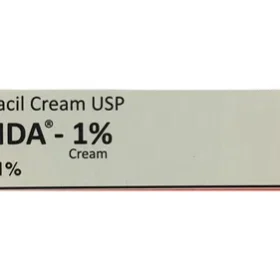 Flonida Cream
Ερωτήσεις & Απαντήσεις
Flonida Cream
Σχετικά προϊόντα



Κριτικές
Δεν υπάρχουν ακόμη κριτικές