








Granicip
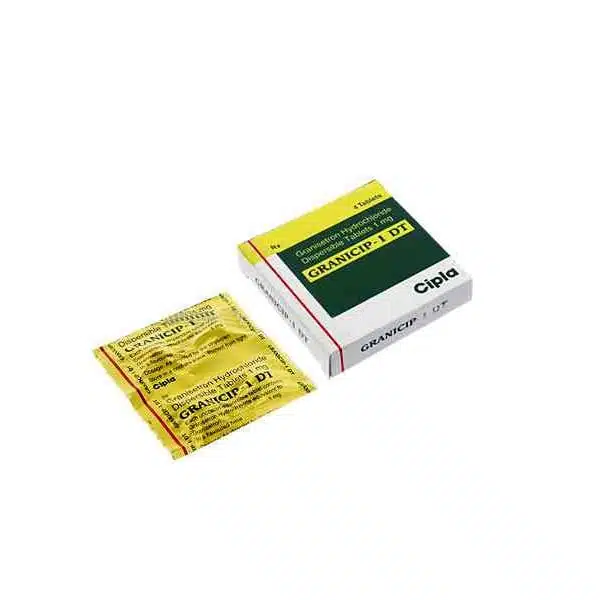
Granicip (Granisetron 1 mg / 2 mg) — ανταγωνιστής 5-HT3 δεύτερης γενιάς για καθημερινή χρήση σε χημειοθεραπεία, ακτινοθεραπεία και PONV. Μεγαλύτερος χρόνος ημιζωής (~9 ώρες) σε σύγκριση με τον ondansetron.
✓ Ιατρικά ελεγμένο από Morgan Ellis — Ερευνητής Φαρμακευτικής · 8 χρόνια εμπειρία · Τελευταία αναθεώρηση: Μάιος 2026
⚡ Γρήγορη απάντηση — Τι είναι το Granicip;
Granicip περιέχει granisetron 1 mg / 2 mg, ένα ανταγωνιστής των υποδοχέων 5-HT3 δεύτερης γενιάς ανήκει στην ίδια κατηγορία με το ondansetron αλλά με μεγαλύτερη ημιζωή (~9 ώρες έναντι 4 ωρών). Χρησιμοποιείται για την πρόληψη επαγόμενης από χημειοθεραπεία, επαγόμενης από ακτινοθεραπεία, και ναυτίας και εμέτου μετά από εγχείρηση. Η μεγαλύτερη ημιζωή σημαίνει ότι η από του στόματος χορήγηση μία φορά την ημέρα ή η ενδοφλέβια χορήγηση μίας δόσης παρέχει κάλυψη για 24 ώρες σε μέτρια εμετογόνα σχήματα χημειοθεραπείας. Παράγεται από τη Cipla σύμφωνα με τα πρότυπα WHO-GMP.
📦 Κάθε παραγγελία καλύπτεται από την Πολιτική Εγγύησης Επαναποστολής — εάν το δέμα σας δεν φτάσει εντός 20 εργάσιμων ημερών, το επαναποστέλλουμε.
Γιατί να παραγγείλετε από τη MedsBase
Τα γενόσημα φάρμακά μας προέρχονται από κατασκευαστές που πιστοποιούνται από την WHO-GMP και αποστέλλονται παγκοσμίως σε διακριτική, απλή συσκευασία — χωρίς όνομα φαρμάκου στο εξωτερικό του δέματος. Οι πληρωμές με κάρτα δρομολογούνται μέσω ρυθμισμένου επεξεργαστή (οι περιγραφές εκκαθάρισης περιλαμβάνουν ρυθμισμένο επεξεργαστή πληρωμών με κάρτα — ποτέ “MedsBase” ή οποιοδήποτε όνομα φαρμάκου). Γίνονται δεκτές και πληρωμές με κρυπτονομίσματα και τραπεζική μεταφορά SEPA. Κάθε παραγγελία καλύπτεται από την Πολιτική Επαναποστολής Εξασφαλίσεώς μας.
Granisetron vs ondansetron — πότε να επιλέξετε granisetron
Και τα δύο μόρια μπλοκάρουν τον υποδοχέα 5-HT3 και έχουν παρόμοια μέγιστη αποτελεσματικότητα. Οι κλινικά σημαντικές διαφορές:
- Ημιζωή: granisetron ~9 h, ondansetron ~4 h. Μία μόνο δόση granisetron καλύπτει καλύτερα μια 24ωρη ημέρα χημειοθεραπείας.
- Καρδιακό σήμα: το ondansetron έχει το μεγαλύτερο καρδιακό σήμα (όριο δόσης FDA 16 mg IV). Το granisetron είναι ενδιάμεσο. Το palonosetron είναι το πιο ασφαλές.
- Συχνότητα δόσης: το granisetron συνήθως χορηγείται μια φορά την ημέρα από το στόμα ή μια φορά ενδοφλέβια· το ondansetron χορηγείται κάθε 8 ώρες.
- Δυσκοιλιότητα: παρόμοια και στα δύο, αλλά ελαφρώς λιγότερο συχνή με το granisetron.
- Κόστος: το ondansetron είναι φθηνότερο και πιο ευρέως διαθέσιμο· το granisetron προτιμάται όταν η μία ημερήσια δόση απλοποιεί τη συμμόρφωση.
Γιατί να παραγγείλετε από τη MedsBase
Το Granicip παρέχεται από ένα πιστοποιημένο από τη WHO-GMP κατασκευαστή. Κάθε παραγγελία αποστέλλεται διακριτικά παγκοσμίως και καλύπτεται από την Πολιτική Εγγύησης Επαναποστολής — εάν δεν φτάσει εντός 20 εργάσιμων ημερών, το ξαναστέλνουμε χωρίς επιπλέον κόστος. Το granisetron είναι ο ανταγωνιστής 5-HT3 μιας φοράς την ημέρα που προτιμάται όταν η συμμόρφωση σε ένα πρόγραμμα πολλαπλών δόσεων είναι ανησυχία, και είναι μια χρήσιμη εναλλακτική για ασθενείς που ανέχονται κακώς το ondansetron.
Μηχανισμός δράσης
Το granisetron είναι ένας πολύ επιλεκτικός ανταγωνιστής του υποδοχέα σεροτονίνης 5-HT3 στους περιαιρετικούς αφερείς (περιφερειακά) και στη ζώνη ενεργοποίησης χημειοϋποδοχέα στην περιοχή postrema (κεντρικά). Η χημειοθεραπεία και η ακτινοθεραπεία προκαλούν στα κύτταρα enterochromaffin του εντέρου να απελευθερώνουν σεροτονίνη, η οποία διαφορετικά θα προκαλούσε εμετό μέσω του κέντρου εμέτου του μυελού. Με το μπλοκάρισμα του υποδοχέα 5-HT3, το granisetron διακόπτει αυτό το σήμα τόσο περιφερειακά όσο και κεντρικά. Δεν δένεται με τους υποδοχείς D2, H1, μουσκαρινικούς ή α-αδρενοϋποδοχείς — εξ ου και η απουσία καταστολής, εξωπυραμιδικών αντιδράσεων και αντιχολινεργικών παρενεργειών.
Ενδείξεις
- CINV (προκαλούμενος από χημειοθεραπεία): μέτρια και υψηλά εμετογόνος χημειοθεραπεία — συνήθως συνδυάζεται με dexamethasone ± έναν ανταγωνιστή NK1 (aprepitant) για υψηλά εμετογόνα σχήματα.
- Ναυτία που προκαλείται από ακτινοβολία: ολική σωματική ακτινοβολία, υψηλή δόση κοιλιακής ακτινοβολίας.
- Μετεγχειρητική ναυτία και εμετός (PONV): μονόδρομη ενδοφλέβια δόση κατά την επαγωγή ή το τέλος της επέμβασης.
- Δυσανεξία στη χημειοθεραπεία που αντιστέκεται στη θεραπεία: μετά την αποτυχία ονδασετρόνης (η διασταυρούμενη ανοχή είναι ελλιπής — η εναλλαγή μπορεί να σώσει ορισμένους ασθενείς).
Δόση
| Ενδείξεις | Δόση |
|---|---|
| CINV (από του στόματος, ενήλικες) | 2 mg από του στόματος 1 ώρα πριν από τη χημειοθεραπεία, έπειτα 2 mg ημερησίως για έως 5 ημέρες (ή 1 mg δύο φορές ημερησίως) |
| CINV (ενδοφλέβια) | 10 mcg/kg (ή σταθερή δόση 1 mg) ενδοφλέβια 30 λεπτά πριν από τη χημειοθεραπεία |
| PONV | 1 mg ενδοφλέβια κατά την επαγωγή ή το τέλος της επέμβασης (μονόδρομη δόση) |
| Παιδιατρική (CINV) | 10–40 mcg/kg ενδοφλέβια (μέγιστη δόση 3 mg ανά δόση)· υπό ειδική παρακολούθηση |
| Νεφρική/ηπατική δυσλειτουργία | Δεν απαιτείται τακτική μείωση δόσης· η σοβαρή ηπατική δυσλειτουργία μπορεί να επιμηκύνει την κάθαρση |
Παρενέργειες
- Πολύ συχνές: πονοκέφαλος (~14–21%), δυσκοιλιότητα (~3–9%)
- Συχνές: ζάλη, κόπωση, ασθένεια, παροδική αύξηση AST/ALT, αϋπνία, ήπια διαταραχή γεύσης
- Λιγότερο συχνές: υπέρταση, υποτασία, κοιλιακός πόνος, εξάνθημα
- Σπάνιες αλλά σοβαρές: επίμηκες QT/στροφές, σύνδρομο σεροτονίνης (με SSRIs/τριπτάνες), σοβαρή υπερευαισθησία
Αλληλεπιδράσεις φαρμάκων
- Φάρμακα που επιμηκύνουν το QT: αποφύγετε την ταυτόχρονη χρήση με αζιθρομυκίνη, φθοροκινολόνες, κιταλοπράμ, μεθαδόνη, αντιψυχωσικά (ειδικά σε ασθενείς με ηλεκτρολυτική διαταραχή).
- Σεροτονινεργά φάρμακα (SSRIs, SNRIs, MAOIs, τριπτάνες, τραμαδόλη, φαιντανύλη, λινεζολίδη): σπάνια αναφέρεται σύνδρομο σεροτονίνης.
- Ισχυροί επαγωγείς CYP3A4 (ριφαμπικίνη, φαινυτοΐνη, καρβαμαζεπίνη, χόρτο του Αγίου Ιωάννη): μπορεί να μειώσει τα επίπεδα γρανισετρόνης.
- Ισχυροί αναστολείς CYP3A4 (κετοκοναζόλη, ριτοναβίρη, κλαριθρομυκίνη): μπορεί να αυξήσει ελαφρά τα επίπεδα — η κλινική επίπτωση είναι μικρή.
Συχνές Ερωτήσεις
Πώς διαφέρει το Granicip από το Ondem (ονδανσετρόνη);
Και τα δύο είναι ανταγωνιστές 5-HT3, αλλά η γρανισετρόνη έχει μεγαλύτερο χρόνο ημιζωής (~9 h έναντι ~4 h), οπότε μια μόνο δόση από του στόματος καλύπτει μια ημέρα χημειοθεραπείας. Η ονδανσετρόνη απαιτεί χορήγηση κάθε 8 ώρες. Η ονδανσετρόνη έχει ελαφρώς υψηλότερο σήμα QT και ένα ανώτατο όριο δόσης FDA 16 mg IV. Για απλή ναυτία η ονδανσετρόνη είναι φθηνότερη· για συμμόρφωση κατά τη χημειοθεραπεία η γρανισετρόνη απλοποιεί το πρόγραμμα.
Πότε αρχίζει να δρα το Granicip;
Η έναρξη δράσης είναι 30–60 λεπτά από του στόματος και εντός 5–10 λεπτών IV. Πάρτε τη δόση από του στόματος 1 ώρα πριν από τη χημειοθεραπεία για την καλύτερη προστασία.
Είναι ασφαλές το granisetron κατά την εγκυμοσύνη;
Το granisetron ανήκει στην κατηγορία B της FDA (μελέτες σε ζώα δεν έδειξαν βλάβη· περιορισμένα δεδομένα σε ανθρώπους). Προορίζεται για ανθεκτική ναυτία ή υπερέμεση που προκαλείται από χημειοθεραπεία όταν τα πρώτης γραμμής φάρμακα έχουν αποτύχει· συνιστάται εποπτεία από ειδικό.
Μπορώ να πάρω Granicip για ναυτία κίνησης ή εγκυμοσύνης;
Όχι. Το granisetron προορίζεται για ναυτία από χημειοθεραπεία, ακτινοθεραπεία και μετά από εγχείρηση. Η ναυτία κίνησης είναι ισταμινεργική/χολινεργική — χρησιμοποιήστε προμεθαζίνη (Avomine), κιναριζίνη ή μεκλοζίνη. Για ναυτία εγκυμοσύνης πρώτης γραμμής είναι η δοξυλαμίνη + B6 (Doxinate, Pregnidoxin NU).
Προκαλεί υπνηλία το Granicip;
Όχι. Όπως και τα άλλα ανταγωνιστές 5-HT3, το granisetron δεν προκαλεί υπνηλία, εξωπυραμιδικές αντιδράσεις ή αντιχολινεργικές παρενέργειες. Η κεφαλαλγία και η δυσκοιλιότητα είναι οι κύριες παρενέργειες.
Μπορώ να πίνω αλκοόλ ενώ παίρνω Granicip;
Μικρές περιστασιακές ποσότητες είναι απίθανο να αλληλεπιδράσουν φαρμακολογικά, αλλά το αλκοόλ μπορεί να επιδεινώσει την ναυτία και την αφυδάτωση κατά τη χημειοθεραπεία — αποφύγετε κατά τους ενεργούς κύκλους θεραπείας.
Τι γίνεται αν η ναυτία μου δεν ελέγχεται;
Προσθέστε δεξαμεθαζόνη, ανταγωνιστή NK1 (aprepitant) ή ολανζαπίνη για ιδιαίτερα εμετογόνα σχήματα χημειοθεραπείας. Η εναλλαγή σε διαφορετικό 5-HT3 (palonosetron) ή κατηγορία (ανταγωνιστής D2) είναι λογική όταν ένα μόριο έχει αποτύχει.
Είναι η δυσκοιλιότητα πρόβλημα;
Ναι — η δυσκοιλιότητα εμφανίζεται σε έως και 1 στους 11 χρήστες σε πολυήμερες θεραπείες. Διατηρήστε ενυδάτωση, φυτικές ίνες και προφυλακτικά καθαρτικά (senna/bisacodyl/movicol) κατά τους κύκλους χημειοθεραπείας.
Πώς αποθηκεύεται το Granicip;
Φυλάξτε τα δισκία σε θερμοκρασία δωματίου (κάτω από 30°C), προστατευμένα από το φως. Κρατήστε μακριά από παιδιά. Μην χρησιμοποιείτε μετά την ημερομηνία λήξης που αναγράφεται στη συσκευασία.
Είναι οι ανταγωνιστές 5-HT3 η μόνη επιλογή για τη ναυτία της χημειοθεραπείας;
Όχι. Τα σύγχρονα θεραπευτικά σχήματα για την CINV σύμφωνα με τις οδηγίες συνδυάζουν έναν ανταγωνιστή 5-HT3 + δεξαμεθαζόνη + (για ιδιαίτερα εμετογόνες χημειοθεραπείες) έναν ανταγωνιστή NK1 όπως ο aprepitant. Η ολανζαπίνη είναι επίσης χρήσιμη για ανθεκτικές περιπτώσεις. Ο μονοθεραπευτικός ανταγωνιστής 5-HT3 χρησιμοποιείται κυρίως για μέτρια εμετογόνα σχήματα.
Άλλες Θεραπείες για Ναυτία
- Ondem (δισκίο ondansetron)
- Emeset 4 ODT (ondansetron για στοματική διάλυση)
- Ondem Injection (ondansetron IV/IM)
- Dompewal (domperidone — ανταγωνιστής D2)
- Stemetil MD (prochlorperazine ODT)
- Περιήγηση σε όλες τις θεραπείες για ναυτία
Περισσότερες επιλογές στη θεραπεία της ναυτίας
Ταξινομημένα σύμφωνα με τον όγκο παραγγελιών στο MedsBase — τι επιλέγουν άλλοι πελάτες σε αυτήν την κατηγορία.


| Ισχύς | 1 mg |
|---|---|
| Ποσότητα | 28 Δισκία, 56 Δισκία, 84 Δισκία |
| Φαρμακευτική Μορφή | Δισκία |
| Κατασκευαστής | Cipla Inc |
| Θεραπεία | Ναυτία, Εμετός |
| Γενόσημη μάρκα | Granisetron |
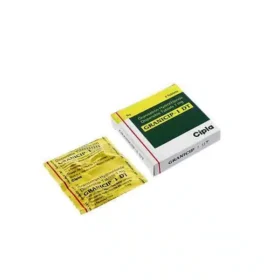 Granicip
Ερωτήσεις & Απαντήσεις
Granicip
Σχετικά προϊόντα





Κριτικές
Δεν υπάρχουν ακόμη κριτικές