







Σταγόνες Οφθαλμών Latoprost
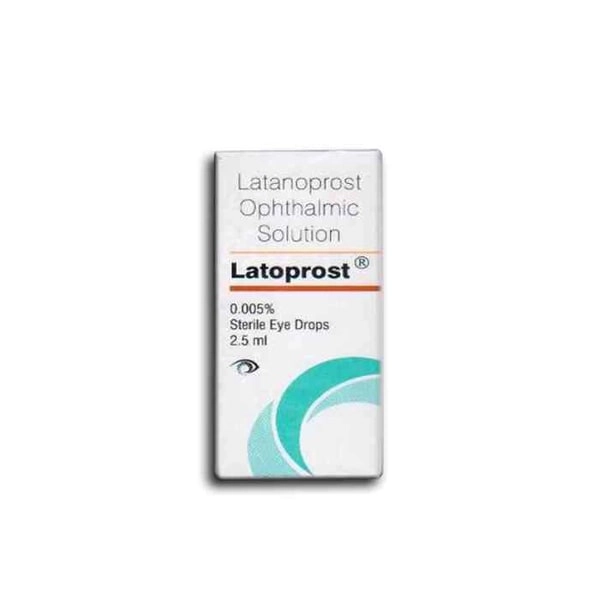
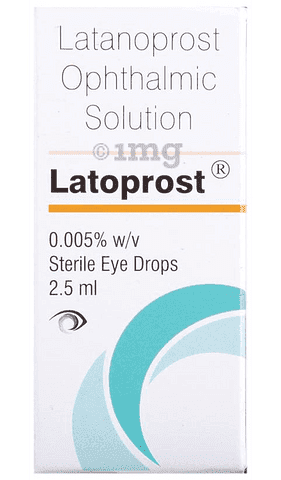
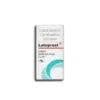
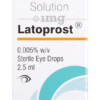
Λατοπροστ (λατανόπροστ 0.005%) — μια φορά την ημέρα προσταγλανδίνη για ανοιχτόγωνη γλαύκωμα και οφθαλμική υπέρταση. Πρώτης γραμμής μονοθεραπεία για μείωση της ενδοφθάλμιας πίεσης. Δόση πριν τον ύπνο.
✓ Ιατρικά ελεγμένο από Morgan Ellis — Ερευνητής Φαρμακευτικής · 8 χρόνια εμπειρία · Τελευταία αναθεώρηση: Μάιος 2026
⚡ Γρήγορη Απάντηση — Τι είναι τα σταγόνων Latoprost;
Τα σταγόνων Latoprost είναι Λατανόπροστ 0.005%, μια φορά την ημέρα σταγόνων που μειώνουν την πίεση του οφθαλμού 25–33% στη γλαύκωμα. Εφαρμόστε μια σταγόνα σε κάθε επηρεαζόμενο μάτι το βράδυ. Παρατηρήστε σκούρισμα της ίριδας και ανάπτυξη των βλεφαρίδων.
📦 Κάθε παραγγελία καλύπτεται από την Πολιτική Εγγύησης Επαναποστολής — εάν το δέμα σας δεν φτάσει εντός 20 εργάσιμων ημερών, το επαναποστέλλουμε.
Γιατί να παραγγείλετε από τη MedsBase
Τα σταγόνων Latoprost προέρχονται από έναν κατασκευαστή πιστοποιημένο από τον WHO-GMP και αποστέλλονται παγκοσμίως σε απλή, διακριτική συσκευασία. Κάθε παραγγελία καλύπτεται από την Πολιτική Εγγύησης Επαναποστολής — εάν δεν έχει φτάσει μετά από 20 εργάσιμες ημέρες, το ξαναστέλνουμε χωρίς επιπλέον κόστος. Υποστηρίζεται από πάνω από 1,400 επαληθευμένες κριτικές πελατών.
Τι είναι το Latoprost Eye Drop;
Το Latoprost Eye Drop παράγεται από την Ajanta Pharma και περιέχει Λατανοπρόστη 0,005% ως στείρη οφθαλμική διάλυση. Το Latoprost Eye Drop 0,005% είναι ένα ανάλογο προσταγλανδίνης F2α που χρησιμοποιείται για τη μείωση της αυξημένης ενδοφθάλμιας πίεσης (ΕΦΠ) στο ανοιχτόγωνιο γλαύκωμα και την οφθαλμική υπέρταση. Είναι μια από τις πιο ισχυρές οφθαλμικές σταγόνες για μείωση της ΕΦΠ — η τυπική μείωση είναι 25–33% από την αρχική τιμή. Το φιαλίδιο των 3 mL περιέχει συντηρητικό χλωριούχο βενζαλκώνιο — οι ασθενείς με σημαντική ευαισθησία θα πρέπει να εξετάσουν εναλλακτικές λύσεις χωρίς συντηρητικά.
Πώς λειτουργεί το Latanoprost
Το Latanoprost είναι ένα συνθετικό δομικό ανάλογο της προσταγλανδίνης F2α. Δένεται στον FP προστανοειδή υποδοχέα στο κιρσοειδές σώμα, αυξάνοντας την ουδεοσκληρωτική εκροή (η δευτερεύουσα οδός αποστράγγισης του υδατώδους υγρού). Επειδή λειτουργεί στην πλευρά της εκροής παρά στη μείωση της παραγωγής υγρού, είναι προσθετικό με β-αναστολείς, α-2 αγωνιστές και αναστολείς ανθρακικής ανυδράσης. Η επίδραση στην ανάπτυξη των βλεφαρίδων προέρχεται από την ενεργοποίηση του FP-υποδοχέα στον δερματικό θηλή της βλεφαρίδας, που επιμηκύνει τη φάση ανάγενσης και παχύνει τις μεμονωμένες τρίχες.
Ενδείξεις
- Ανοιγόματο γλαύκωμα: πρώτης γραμμής μονοθεραπεία για νεοδιαγνωσθέν πρωτοπαθή ανοιχτόγωνιο γλαύκωμα (POAG) σύμφωνα με το AAO Preferred Practice Pattern 2020.
- Οφθαλμική υπέρταση: όταν η ενδοφθάλμια πίεση (IOP) είναι σταθερά > 21 mmHg με παράγοντες κινδύνου (λεπτό κερατοειδές, οικογενειακό ιστορικό, αφρικανική ή ισπανική καταγωγή).
- Υποτριχία βλεφάρων (μόνο bimatoprost — ένδειξη Latisse): αισθητική ενίσχυση βλεφαροτριχώματος.
- Συμπληρωματική θεραπεία όταν το φάρμακο πρώτης γραμμής δεν επιτυγχάνει την επιθυμητή ενδοφθάλμια πίεση — προσθετική δράση με timolol, brimonidine, dorzolamide.
Δοσολογία & Χορήγηση
| Ενδείξεις | Δόση |
|---|---|
| POAG / οφθαλμική υπέρταση | 1 σταγόνα στο(α) προσβεβλημένο(α) μάτι(α) μία φορά ημερησίως, το βράδυ |
| Εάν παραλειφθεί μια δόση | Παραλείψτε και συνεχίστε με το κανονικό πρόγραμμα την επόμενη βραδινή δόση — μην διπλασιάσετε τη δόση |
| Περισσότερες από μία σταγόνες; | Η προσθήκη δεύτερης σταγόνας δεν αυξάνει την μείωση της ενδοφθάλμιας πίεσης — μειώνει στην πραγματικότητα την αποτελεσματικότητα με κορεσμό των υποδοχέων. Αυστηρά μία σταγόνα ανά μάτι. |
| Πολλαπλές σταγόνες ματιών | Περιμένετε τουλάχιστον 5 λεπτά μεταξύ διαφορετικών προϊόντων σταγόνων για τα μάτια για να αποφύγετε την ξέπλυση |
| Φακοί επαφής | Αφαιρέστε πριν από την εγκατάσταση· επανατοποθετήστε 15 λεπτά μετά |
Παρενέργειες
Συχνά (5–15%): ερυθρότητα των ματιών (υπεραιμία της συνισχίας), πάχυνση/επιμήκυνση/σκοτάδιση των βλεφαρίδων, κνησμός των ματιών, ελαφρύ τσούξιμο κατά την εγκατάσταση, αίσθηση ξηρού ματιού.
Αισθητικά αξιοσημείωτα:
- Χρωματισμός της ίριδας (1–2% σε μήνες έως χρόνια): μόνιμο σκοτάδιση των ανοιχτόχρωμων (μπλε, πράσινων, καστανών) ιρίδων με την τόνωση των μελανοκυττάρων του στρώματος της ίριδας. Οι καφέ ίριδες συνήθως δεν επηρεάζονται. Οι βλεφαρίδες και το δέρμα γύρω από τα μάτια μπορεί επίσης να σκουρύνουν.
- Ατροφία του περιορβιτικού λίπους / προσταγλανδινο-συσχετιζόμενη περιορβιτοπάθεια (PAP): βάθυνση της άνω βλεφαρικής αύλακας, πτώση των βλεφάρων, ενοφθαλμία. Η πλειοψηφία των αναφορών αφορά το bimatoprost > travoprost > latanoprost. Συνήθως αντιστρέψιμη 3–6 μήνες μετά τη διακοπή.
- Πιγμέντιση του περιορβιτικού δέρματος: αντιστρέψιμο σκούραμα του δέρματος των βλεφάρων/περιορβιτικής περιοχής από διαρροή φαρμάκου.
Λιγότερο συχνές: κυστεώδης μακουλική οίδημα (CME) — ειδικά σε ψευδοφακικά μάτια ή σε αυτά με παθολογία της ωχράς κηλίδας; επανενεργοποίηση ουαΐτιδας σε ασθενείς με ιστορικό ουαΐτιδας; επανενεργοποίηση κερατίτιδας από απλό έρπητα.
Ειδοποιήσεις & Αντενδείξεις
- Ενεργή ουαΐτιδα ή ιρίτιδα — σχετική αντένδειξη· μπορεί να επανενεργοποιήσει ενδοφθάλμια φλεγμονή
- Ψευδοφακικά μάτια με σχισμένη οπίσθια κάψα, αφακία ή γνωστός κίνδυνος μακουλικού οιδήματος — αυξημένος κίνδυνος κυστεώδους μακουλικού οιδήματος
- Ενεργή κερατίτιδα από απλό έρπητα — μπορεί να επανενεργοποιήσει την ιογενή νόσο
- Εγκυμοσύνη / θηλασμός — Κατηγορία C· αποφύγετε εκτός εάν το όφελος ξεκάθαρα υπερτερεί του κινδύνου (θεωρητική δραστηριότητα στις λείες μύες της μήτρας)
- Παιδιά < 16 ετών — η ασφάλεια δεν έχει τεκμηριωθεί για αισθητική χρήση στις βλεφαρίδες
Αποθήκευση
Αποθηκεύστε σε θερμοκρασία δωματίου (15–25°C / 59–77°F) μακριά από άμεση ηλιακή ακτινοβολία. Μην το καταψύχετε. Απορρίψτε 28 ημέρες μετά το πρώτο άνοιγμα. Κρατήστε το μπουκάλι σφιχτά κλειστό μεταξύ των χρήσεων για να αποφύγετε τη μόλυνση.
Συχνές Ερωτήσεις
Πόσο καιρό χρειάζεται μέχρι να δω αποτελέσματα από το Latoprost Eye Drop;
Για το γλαύκωμα, η μείωση της ενδοφθάλμιας πίεσης ξεκινά εντός 4 ωρών από την πρώτη δόση με μέγιστη επίδραση στις 8–12 ώρες· η σταθερή κατάσταση επιτυγχάνεται σε 4 εβδομάδες. Για την ανάπτυξη των βλεφαρίδων (μπιματοπρόστ), ορατό πάχυνμα σε 4 εβδομάδες και πλήρης ανάπτυξη σε 16 εβδομάδες.
Τι γίνεται αν ξεχάσω μια δόση;
Παραλείψτε τη δόση που ξεχάσατε και συνεχίστε το κανονικό σας πρόγραμμα μια φορά τη νύχτα. Μην διπλασιάσετε τη δόση — η χρήση δύο σταγόνων ταυτόχρονα μειώνει την αποτελεσματικότητα λόγω κορεσμού των υποδοχέων.
Γιατί το Latanoprost σκουραίνει το χρώμα των ματιών;
Το Latanoprost ενεργοποιεί τον FP προστανοειδή υποδοχέα στους μελανοκύτταρες του ίριδα, διεγείροντας την παραγωγή μελανίνης. Τα πιο ανοιχτόχρωμα ίριδα (μπλε, πράσινα, καστανά) περιέχουν λιγότερη μελανίνη και επομένως εμφανίζουν αλλαγή πιο εύκολα. Το αποτέλεσμα είναι μόνιμο και μπορεί να είναι ασύμμετρο αν θεραπεύεται μόνο το ένα μάτι.
Μπορώ να χρησιμοποιήσω το Latoprost Eye Drop αν φοράω φακούς επαφής;
Ναι, αλλά αφαιρέστε τους φακούς πριν από την εφαρμογή και περιμένετε 15 λεπτά πριν τους ξαναβάλετε. Το συντηρητικό βενζαλκώνιο χλωρίδιο μπορεί να απορροφηθεί από τους μαλακούς φακούς και να προκαλέσει ερεθισμό.
Είναι ασφαλές το Latoprost Eye Drop κατά την εγκυμοσύνη;
Κατηγορία C. Θεωρητικές ανησυχίες σχετικά με τις επιδράσεις των προσταγλανδινών στον μυομήτριο. Συζητήστε με τον οφθαλμίατρό σας — οι περισσότεροι κλινικοί αλλάζουν σε βήτα-αναστολέα ή μπριμονιδίνη κατά τη διάρκεια της εγκυμοσύνης ή διακόπτουν εντελώς τη χρήση για κοσμητικούς σκοπούς.
Τι συμβαίνει αν σταματήσω να χρησιμοποιώ το Latoprost Eye Drop;
Για το γλαύκωμα, η ενδοφθάλμια πίεση επιστρέφει στα αρχικά επίπεδα εντός 4 εβδομάδων από τη διακοπή. Για τη κοσμητική χρήση, οι βλεφαρίδες επιστρέφουν στο μήκος και την πυκνότητα πριν από τη θεραπεία σε 4–8 εβδομάδες. Η σκούρανση του ίριδα, ωστόσο, είναι μόνιμη.
Μπορώ να χρησιμοποιήσω το Latoprost Eye Drop στις κάτω βλεφαρίδες μου;
Όχι. Το προϊόν εγκρίνεται μόνο για εφαρμογή στην άνω γραμμή των βλεφαρίδων. Η εφαρμογή στις κάτω βλεφαρίδες προκαλεί υπερβολική εκροή στο μάγουλο, αυξάνοντας τον κίνδυνο ανεπιθύμητης ανάπτυξης τριχών στο δέρμα και αλλαγές στη χρωστική του δέρματος.
Προκαλεί το Latoprost Eye Drop αλλαγές στην περιορβιτική περιοχή;
Ναι — η προσταγλανδινο-συσχετιζόμενη περιορβιτοπάθεια (PAP) περιγράφει το σύνδρομο της εμβάθυνσης της άνω βλεφαρικής αύλακας, πτύωσης και ενοφθαλμίας που παρατηρείται στο 5–25% των χρηστών μακράς διάρκειας. Το Bimatoprost έχει τον υψηλότερο αναφερόμενο ρυθμό· το latanoprost τον χαμηλότερο. Συνήθως αντιστρέψιμο 3–6 μήνες μετά τη διακοπή.
Μπορεί το Latoprost Eye Drop να συνδυαστεί με άλλες σταγόνες για γλαύκωμα;
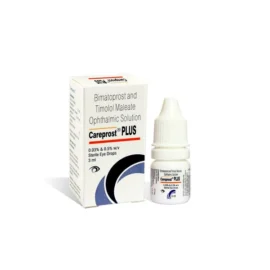
Ναι — τα προσταγλανδινοαναλόγωτα είναι προσθετικά με β-αναστολείς, α-2 αγωνιστές και αναστολείς ανθρακικής ανυδράσης επειδή στοχεύουν στην πλευρά εκροής. Περιμένετε 5 λεπτά μεταξύ διαφορετικών σταγόνων. Υπάρχουν σταθεροί συνδυασμοί όπως bimatoprost+timolol για καλύτερη συμμόρφωση.
Ποια είναι η διαφορά μεταξύ Latanoprost και άλλων προσταγλανδινών;
Και τα τρία (latanoprost, travoprost, bimatoprost) μειώνουν την ενδοφθάλμια πίεση κατά 25–33%. Το Latanoprost έχει το πιο ήπιο προφίλ παρενεργειών. Το Travoprost έχει ελαφρώς υψηλότερο ποσοστό απόκρισης. Το Bimatoprost είναι το πιο δραστικό τόσο για την ενδοφθάλμια πίεση όσο και για την ανάπτυξη βλεφαρίδων, αλλά με τον υψηλότερο ρυθμό υπεραιμίας του επιπεφυκότος και PAP.
Άλλα Φάρμακα για τη Φροντίδα των Ματιών
Οι πελάτες που βλέπουν αυτό το προϊόν εξετάζουν επίσης αυτές τις εναλλακτικές λύσεις στην Φροντίδα Ματιών ποικιλία μας:
- Xalatan Eye Drop (latanoprost)
- Azopt Eye Drops (brinzolamide)
- Alphagan P Drop (brimonidine)
- Iotim Eye Drops (timolol)
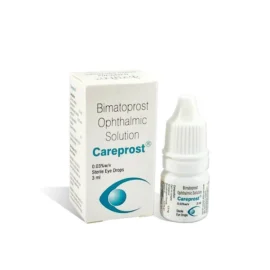
- Careprost (bimatoprost)
Ιατρική Αποποίηση Ευθύνης
Οι πληροφορίες σε αυτή τη σελίδα προορίζονται μόνο για εκπαιδευτικούς σκοπούς και δεν αποτελούν υποκατάστατο ιατρικής συμβουλής από έναν προσόντα οφθαλμίατρο ή οπτομετρία. Οι παθήσεις των ματιών μπορούν να απειλήσουν γρήγορα την όραση — η ξαφνική απώλεια όρασης, ο σοβαρός πόνος ή το τραύμα αποτελούν οφθαλμολογική έκτακτη ανάγκη. Συμβουλευτείτε πάντα έναν επαγγελματία φροντίδας των ματιών πριν ξεκινήσετε, διακόψετε ή αλλάξετε οποιαδήποτε θεραπεία.
Περισσότερες επιλογές στη Φροντίδα Ματιών
Ταξινομημένα σύμφωνα με τον όγκο παραγγελιών στο MedsBase — τι επιλέγουν άλλοι πελάτες σε αυτήν την κατηγορία.
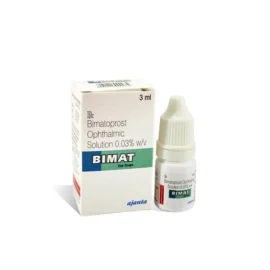
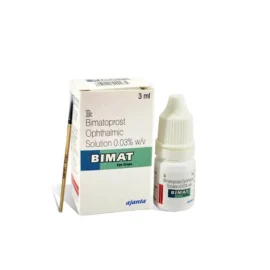
| Ισχύς | 2.5ml(0.005%) |
|---|---|
| Ποσότητα | 1 Μπουκάλι/α, 3 Μπουκάλια, 6 Μπουκάλια |
| Φαρμακευτική Μορφή | Τα σταγονίδια ματιού |
| Κατασκευαστής | Sun Pharma |
| Θεραπεία | Γλαύκωμα, Οφθαλμική υπέρταση |
| Γενόσημη μάρκα | Λατανοπρόστη + Χλωριούχο βενζαλκώνιο |
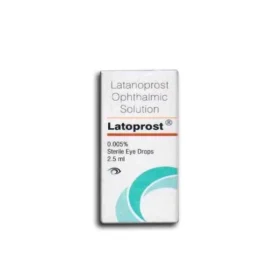 Σταγόνες Οφθαλμών Latoprost
Ερωτήσεις & Απαντήσεις
Σταγόνες Οφθαλμών Latoprost
Σχετικά προϊόντα






Κριτικές
Δεν υπάρχουν ακόμη κριτικές