







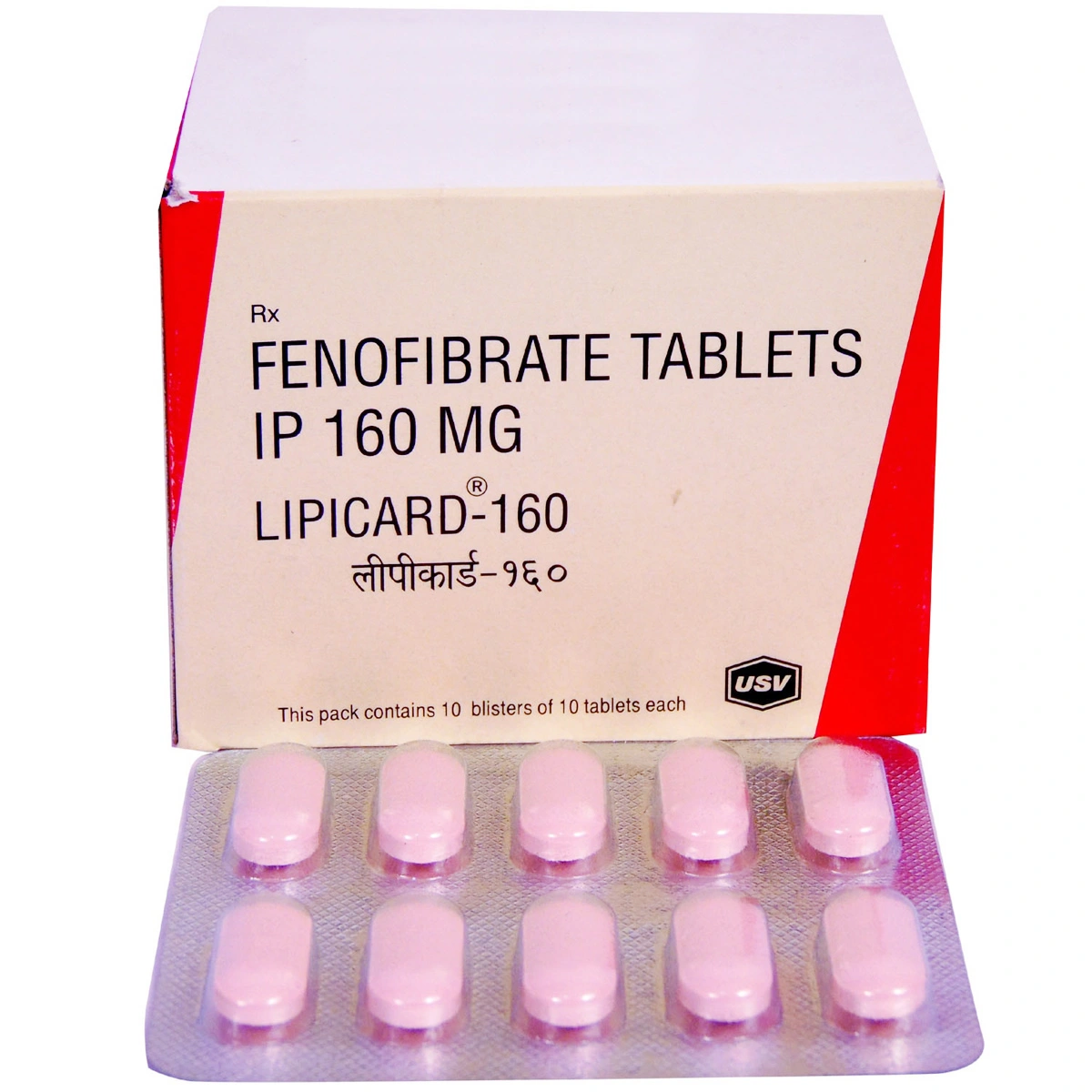
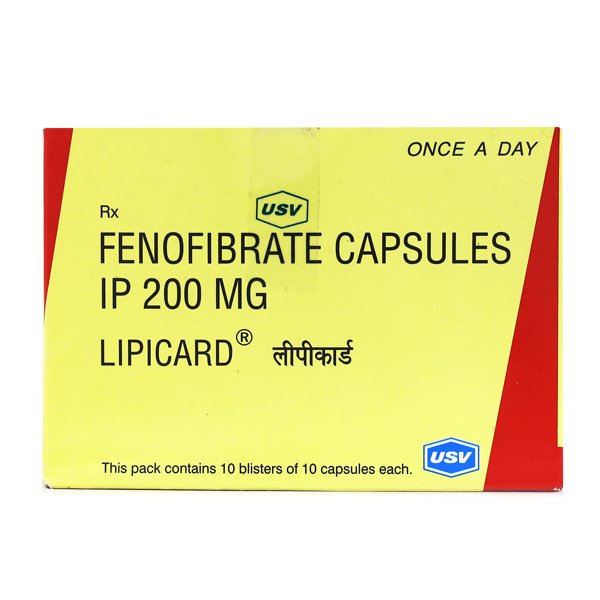
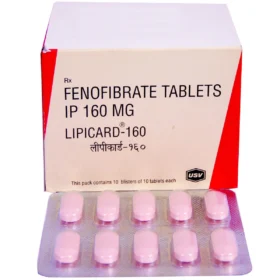
Lipicard
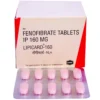
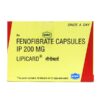
✅ Μειώνει τα επίπεδα χοληστερόλης
✅ Μειώνει τις τριγλυκερίδες
✅ Πρόληψη καρδιακών παθήσεων
✅ Συνταγογραφείται από γιατρούς
✅ Επιλογή από του στόματος φαρμάκου
Το Lipicard περιέχει Fenofibrate.
✓ Ιατρικά ελεγμένο από Morgan Ellis — Ερευνητής Φαρμακευτικής · 8 χρόνια εμπειρία · Τελευταία αναθεώρηση: Μάιος 2026
⚡ Γρήγορη Απάντηση — Τι είναι το Lipicard;
Lipicard περιέχει φαινοφιβράτη (160 mg ή 200 mg), ένα φιβράτο (PPAR-α αγωνιστής) χρησιμοποιείται κυρίως για τη μείωση τριγλυκεριδίων και την αύξηση HDL-χοληστερόλης. Τυπική επίδραση: τριγλυκερίδια μείωση 30–50%, HDL αύξηση 10–20%, μέτρια μείωση LDL (0–15%). Δεν αποτελεί υποκατάστατο στατίνης — οι στατίνες μειώνουν το LDL πολύ περισσότερο και έχουν ισχυρότερα στοιχεία για καρδιαγγειακά συμβάντα. Τα φιβράτα χρησιμοποιούνται όταν τα τριγλυκερίδια είναι πολύ υψηλά (> 500 mg/dL / 5.6 mmol/L) για την πρόληψη παγκρεατίτιδας, ή ως συμπλήρωμα σε στατίνη σε μικτή δυσλιπιδαιμία με υψηλά τριγλυκερίδια και χαμηλό HDL (ειδικά σε ασθενείς με διαβήτη). Συνήθης δόση: 160 mg ή 200 mg μια φορά την ημέρα με το κύριο γεύμα. Μην συνδυάζετε με γεμφιμπροζίλη (αντικατευθυντικό με στατίνες)· ο φαινοφιβράτης + στατίνη είναι ασφαλέστερος αλλά παρακολουθήστε CK και νεφρική λειτουργία. Αποφύγετε σε σοβαρή νεφρική ή ηπατική δυσλειτουργία.
📦 Κάθε παραγγελία καλύπτεται από την Πολιτική Εγγύησης Επαναποστολής — εάν το δέμα σας δεν φτάσει εντός 20 εργάσιμων ημερών, το επαναποστέλλουμε.
Γιατί να παραγγείλετε από τη MedsBase
Τα γενόσημα φάρμακά μας προέρχονται από κατασκευαστές που πιστοποιούνται από την WHO-GMP και αποστέλλονται παγκοσμίως σε διακριτική, απλή συσκευασία — χωρίς όνομα φαρμάκου στο εξωτερικό του δέματος. Οι πληρωμές με κάρτα δρομολογούνται μέσω ρυθμισμένου επεξεργαστή (οι περιγραφές εκκαθάρισης περιλαμβάνουν ρυθμισμένο επεξεργαστή πληρωμών με κάρτα — ποτέ “MedsBase” ή οποιοδήποτε όνομα φαρμάκου). Γίνονται δεκτές και πληρωμές με κρυπτονομίσματα και τραπεζική μεταφορά SEPA. Κάθε παραγγελία καλύπτεται από την Πολιτική Επαναποστολής Εξασφαλίσεώς μας.
Τι Είναι το Lipicard;
Το Lipicard είναι ένα από του στόματος φάρμακο τροποποίησης των λιπιδίων που περιέχει φαινοφιβράτη (160 mg ή 200 mg), κατασκευασμένο από την USV Pharma. Προσφέρεται σε συσκευασίες των 30, 60, 90 ή 180 καψουλών. Το Fenofibrate ανήκει στην κατηγορία των παραγώγων της φιβρικής οξύος (φιβράτες), η οποία περιλαμβάνει επίσης το gemfibrozil και το bezafibrate.
Πρωτότυπο εμπορικό σήμα: Tricor / Lipanthyl (Abbott / AbbVie). Σε κλινική χρήση από τη δεκαετία του 1970, με πολλές αναμορφώσεις που βελτίωσαν τη βιοδιαθεσιμότητα (μικροδομημένο fenofibrate 200 mg ≈ νανοκρύσταλλο 160 mg).
Για Τι Χρησιμοποιείται το Lipicard;
- Σοβαρή υπερτριγλυκεριδαιμία (> 500 mg/dL / 5.6 mmol/L) — κυρίως για την πρόληψη οξείας παγκρεατίτιδας
- Μικτή δυσλιπιδαιμία με αυξημένα τριγλυκερίδια και χαμηλά HDL σε ασθενείς που ήδη λαμβάνουν βέλτιστη θεραπεία με στατίνες
- Διαβητική δυσλιπιδαιμία — υψηλά TG + χαμηλά HDL (μέτρια ένδειξη καρδιαγγειακού οφέλους στις υποομάδες ανάλυσης των FIELD και ACCORD-Lipid)
- Οικογενής υπερτριγλυκεριδαιμία και ορισμένες σπάνιες δυσλιπιδαιμίες
- Πρόοδος διαβητικής αμφιβληστροειδοπάθειας — η φενοφιβράτη επιβράδυνε την πρόοδο στις μελέτες FIELD και ACCORD-Eye, ανεξάρτητα από τις λιπιδαιμικές επιδράσεις· πλέον αποτελεί ενδείκτη σε ορισμένες χώρες
Το Lipicard είναι δεν μια θεραπεία πρώτης γραμμής για υψηλή LDL χοληστερόλη — οι στατίνες κυριαρχούν σε αυτόν τον τομέα. Οι φιβράτες συμπληρώνουν τις στατίνες παρά να τις αντικαθιστούν.
Πώς Λειτουργεί το Lipicard;
Η φενοφιβράτη είναι PPAR-α (υποδοχέας που ενεργοποιείται από τα πολλαπλασιαστικά του περοξισώματος άλφα) αγωνιστής. Η ενεργοποίηση του PPAR-α στο ήπαρ μεταβάλλει τη μεταγραφή δεκάδων γονιδίων στον λιπιδικό μεταβολισμό:
- στο ήπαρ — μειωμένη παραγωγή τριγλυκεριδίων in the liver — less triglyceride production
- Αυξάνει τη λιποπρωτεΐνη λιπάση (LPL) δραστηριότητα — ταχύτερη εκκαθάριση των VLDL πλούσιων σε τριγλυκερίδια
- Μειώνει την έκφραση της apoC-III — η apoC-III αναστέλλει κανονικά τη LPL
- Αυξάνει την apoA-I και apoA-II — αυξάνει το HDL
- Μετατοπίζει το μέγεθος των σωματιδίων LDL από μικρά πυκνά (αθηρογόνα) προς μεγαλύτερα, λιγότερο πυκνά σωματίδια
- Αντιφλεγμονώδεις επιδράσεις στο ενδοθήλιο και τον λείο μυ των αγγείων
Συνολική επίδραση στα λιπίδια: τριγλυκερίδια μειωμένα 30–50%, HDL αυξημένο 10–20%, LDL ελαφρώς μειωμένο (μπορεί παράδοξα να αυξηθεί σε σοβαρή υπερτριγλυκεριδαιμία καθώς τα VLDL μετατρέπονται σε LDL). Έναρξη: 2–4 εβδομάδες· πλήρης επίδραση σε 2 μήνες.
Δοσολογία και Χορήγηση
Τυπική δόση: 160 mg ή 200 mg μία φορά την ημέρα με το κύριο γεύμα (συνήθως δείπνο). Το μικροδομημένο φενοφιβράτη 200 mg είναι βιοισοδύναμο με το νανοκρυσταλλικό 160 mg — παρέχουν την ίδια έκθεση στο ενεργό φάρμακο.
- Λήψη με τροφή — το φενοφιβράτη είναι λιπόφιλο και απορροφάται πολύ καλύτερα με γεύμα που περιέχει λίπος.
- Κατάπιτε τις κάψουλες ή τα δισκία ολόκληρα.
- Χάσατε μια δόση — πάρτε τη το συντομότερο δυνατό, εκτός αν είναι κοντά στην επόμενη· μην πάρετε διπλή δόση.
- Χορήγηση σε νεφρική δυσλειτουργία: μειώστε τη δόση κατά ~50% αν eGFR 30–60· αποφύγετε αν eGFR < 30. Το φενοφιβράτη προκαλεί μικρή αναστρέψιμη αύξηση της ορού κρεατινίνης (έως 0,1 mg/dL / 10 μmol/L)· αυτό δεν είναι βλάβη στα νεφρά.
- Παρακολούθηση: λιπιδική προφίλ στη βάση και 6–8 εβδομάδες μετά την έναρξη ή την αλλαγή δόσης· LFTs και U&Es στη βάση, έπειτα περιοδικά.
Παρενέργειες
Συχνές:
- Δυσπεψία, κοιλιακός πόνος, ναυτία
- Μικρή αύξηση των τρανσαμινάσεων (συνήθως ασυμπτωματική)
- Αναστρέψιμη αύξηση της ορού κρεατινίνης (0,05–0,1 mg/dL)· δεν πρόκειται για πραγματική νεφρική δυσλειτουργία
- Μικρή φωτοευαισθησία
Σπάνια αλλά σημαντικά:
- Μυϊκός πόνος, μυοσίτιδα, ραβδομυόλυση — σπάνια σε μονοθεραπεία· ο κίνδυνος αυξάνεται με συνδυασμό στατίνης (ειδικά με γεμφιμπροζίλη, που είναι αντενδεικτικό)
- Χολολιθίαση (χολόλιθοι) — η φενοφιβράτη αυξάνει την έκκριση χοληστερόλης στη χολή· αυξάνει ελαφρά τον κίνδυνο χολόλιθων
- Παγκρεατίτιδα — σπάνια ιδιοσυγκρασιακή αντίδραση (ειρωνικό, δεδομένου ότι η φενοφιβράτη προλαμβάνει παγκρεατίτιδα από τριγλυκερίδια)
- Πνευμονική ίνωση / διαστρωματική πνευμονοπάθεια — πολύ σπάνια
- Υπερευαισθησία, σύνδρομο Stevens-Johnson — πολύ σπάνια
- Εξάρθρωση της αντιπηκτικής δράσης της βαρφαρίνης (αυξάνει το INR)
Αλληλεπιδράσεις Φαρμάκων
- Βαρφαρίνη — αυξάνει σημαντικά το INR· μειώστε τη δόση βαρφαρίνης ~30% και παρακολουθήστε στενά.
- Στατίνες — ο συνδυασμός φενοφιβράτης + στατίνη είναι η ασφαλέστερη φιβράτη συνδυασμός (πολύ ασφαλέστερος από gemfibrozil + στατίνη)· παρακολούθηση CK και συμπτωμάτων. Ποτέ να μην συνδυάζετε το gemfibrozil με οποιαδήποτε στατίνη.
- Σεκουστριάδες χολικών οξέων (cholestyramine, colestipol) — μειώνουν την απορρόφηση της fenofibrate· λαμβάνετε fenofibrate τουλάχιστον 1 ώρα πριν ή 4 ώρες μετά.
- Cyclosporine — πρόσθετος κίνδυνος νεφροτοξικότητας· παρακολούθηση νεφρικής λειτουργίας.
- Repaglinide — αυξημένα επίπεδα με gemfibrozil (δεν είναι τυπικό πρόβλημα της fenofibrate).
- Αιματογλυκαμικά από του στόματος, ινσουλίνη — μέτρια επιπλέον μείωση γλυκόζης.
Ποιος Δεν Πρέπει να Λάβει το Lipicard;
- Σοβαρή νεφρική δυσλειτουργία (eGFR < 30)
- Ενεργή ηπατική νόσος, συμπεριλαμβανομένης της χολικής κίρρωσης
- Προϋπάρχουσα νόσος της χοληδόχου κύστης
- Γνωστή υπερευαισθησία στη φενοφιβράτη
- Εγκυμοσύνη και θηλασμός
- Παιδιά — η ασφάλεια δεν έχει τεκμηριωθεί
- Ταυτόχρονη χρήση με γεμφιμπροζίλη (ποτέ να μην συνδυάζονται φιμπράτες)
Αποθήκευση
Φυλάξτε το Lipicard κάτω από 25°C σε ξηρό μέρος, στην αρχική του συσκευασία. Κρατήστε μακριά από παιδιά.
Συχνές Ερωτήσεις
Είναι το Lipicard υποκατάστατο μιας στατίνης;
Όχι. Οι στατίνες είναι η πρώτη γραμμή θεραπείας για υψηλή LDL χοληστερόλη και έχουν τη ισχυρότερη απόδειξη για μείωση καρδιακών προσβολών και εγκεφαλικών. Οι φιμπράτες μειώνουν καλά τις τριγλυκερίδες αλλά έχουν πολύ ασθενέστερη συνολική απόδειξη για καρδιαγγειακά αποτελέσματα. Η φενοφιβράτη χρησιμοποιείται επιπλέον της στατίνης όταν οι τριγλυκερίδες είναι υψηλές και το HDL χαμηλό παρά τη βέλτιστη θεραπεία με στατίνες, ή ως μονοθεραπεία όταν οι τριγλυκερίδες είναι πολύ υψηλές (> 500 mg/dL) για την πρόληψη παγκρεατίτιδας.
Μπορώ να πάρω Lipicard με στατίνη;
Ναι — η φενοφιβράτη + στατίνη είναι ο τυπικός συνδυασμός φιμπράτης-στατίνης. Είναι πολύ ασφαλέστερος από τον συνδυασμό γεμφιμπροζίλη + στατίνη (ο οποίος είναι αντενδεικτικός λόγω κινδύνου σοβαρής μυοπάθειας). Παρακολουθήστε την CK εάν εμφανιστούν νέα μυϊκά συμπτώματα, και παρακολουθήστε τη νεφρική λειτουργία.
Γιατί αυξήθηκε η κρεατινίνη μου με το Lipicard;
Η φενοφιβράτη προκαλεί μια μικρή, αναστρέψιμη αύξηση της ορού κρεατινίνης (τυπικά 0,05–0,1 mg/dL) μέσω των επίδρασης στους σωληνίσκους, δεν πραγματική νεφρική βλάβη. Η μετρούμενη GFR παραμένει αμετάβλητη. Αναστρέφεται με τη διακοπή. Εάν η κρεατινίνη αυξηθεί σημαντικά (> 0,3 mg/dL) ή εμφανιστούν κλινικές ανησυχίες, ερευνήστε άλλες αιτίες.
Θα μειώσει το Lipicard τη LDL χοληστερόλη μου;
Μόνο μέτρια (0–15%) και μερικές φορές καθόλου (σε σοβαρή υπερτριγλυκεριδαιμία, η LDL μπορεί να αυξηθεί καθώς το VLDL μετατρέπεται). Οι στατίνες παραμένουν το φάρμακο επιλογής για τη μείωση της LDL.
Βοηθά το Lipicard στην πρόληψη καρδιακών προσβολών;
Τα στοιχεία είναι μέτρια και εξαρτώνται από τον πληθυσμό. Οι δοκιμές FIELD και ACCORD-Lipid δεν έδειξαν σαφές συνολικό καρδιαγγειακό όφελος από την προσθήκη φενοφιβράτης στη θεραπεία με στατίνες, αλλά οι αναλύσεις υποομάδων υποδηλώνουν όφελος σε ασθενείς με υψηλά τριγλυκερίδια (> 200 mg/dL) και χαμηλή HDL (< 40 mg/dL) — το κλασικό μοτίβο διαβητικής δυσλιπιδαιμίας. Επίσης μείωσε την πρόοδο της διαβητικής αμφιβληστροειδοπάθειας ανεξάρτητα από τα λιπίδια.
Πού μπορώ να αγοράσω Lipicard online;
Μπορείτε να παραγγείλετε Lipicard (160 mg ή 200 mg) από το MedsBase σε συσκευασίες των 30, 60, 90 ή 180 καψουλών. Αποστέλλουμε παγκοσμίως με διακριτική συσκευασία και γνήσια αποθέματα από κατασκευαστές πιστοποιημένους από την WHO-GMP.
Σχετικά Φάρμακα για τη Χοληστερίνη
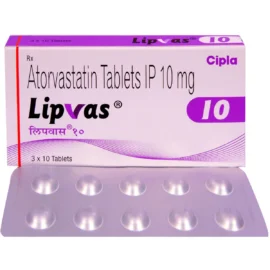
- Lipvas — Atorvastatin
- Crestor — Rosuvastatin 5/10/20 mg (AstraZeneca)
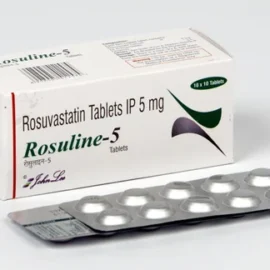
- Rosuline — Rosuvastatin
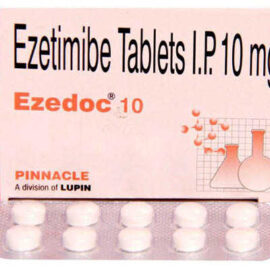
- Ezedoc — Ezetimibe (συμπλήρωμα στατινών)
- Simvotin — Simvastatin
- Choltran — Cholestyramine (απορροφητικό χολικών οξέων)
- Περιήγηση σε όλα τα Φάρμακα για Υψηλή Χοληστερίνη
Γιατί να παραγγείλετε από τη MedsBase
Το Lipicard παρέχεται από έναν κατασκευαστή πιστοποιημένο από την WHO-GMP με πλήρη τεκμηρίωση COA. Αποστέλλουμε παγκοσμίως σε απλή, διακριτική συσκευασία και κάθε παραγγελία καλύπτεται από την Πολιτική Εγγύησης Επαναποστολής. Ο τίτλος χρέωσης στην κάρτα σας εμφανίζει τον ρυθμιζόμενο επεξεργαστή πληρωμών (έναν ρυθμιζόμενο επεξεργαστή πληρωμών με κάρτα), ποτέ “MedsBase” ή οποιοδήποτε όνομα φαρμάκου.
Σχετικές Εναλλακτικές
Άλλα προϊόντα σε Χρόνιες Παθήσεις που οι πελάτες εξετάζουν επίσης:
Περισσότερες επιλογές σε Θεραπείες Υψηλής Χοληστερόλης
Ταξινομημένα σύμφωνα με τον όγκο παραγγελιών στο MedsBase — τι επιλέγουν άλλοι πελάτες σε αυτήν την κατηγορία.

| Ισχύς | 160 mg, 200 mg |
|---|---|
| Ποσότητα | 30 Καψάκια, 60 Καψάκια, 90 Καψάκια, 180 Καψάκια |
 Lipicard
Ερωτήσεις & Απαντήσεις
Lipicard
Σχετικά προϊόντα





Κριτικές
Δεν υπάρχουν ακόμη κριτικές