







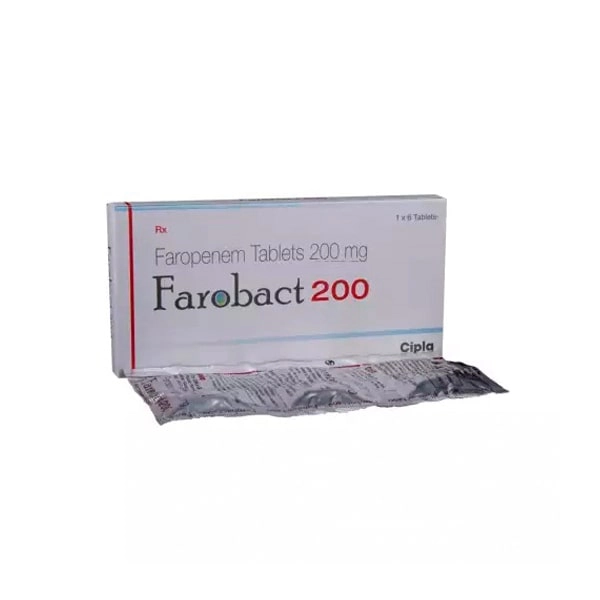
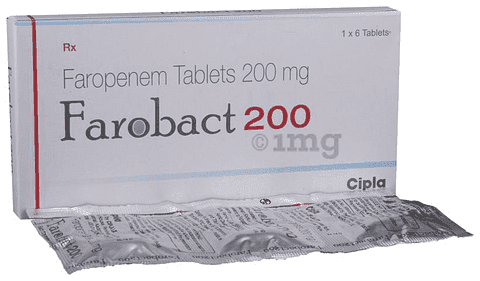
Farobact
✅ Καταπολεμά βακτηριακές λοιμώξεις
✅ Ενισχύει την ανοσοαπόκριση
✅ Μειώνει τη φλεγμονή
✅ Προωθεί ταχύτερη ανάρρωση
✅ Ασφαλές για κατανάλωση
✓ Ιατρικά ελεγμένο από Morgan Ellis — Ερευνητής Φαρμακευτικής · 8 χρόνια εμπειρία · Τελευταία αναθεώρηση: Μάιος 2026
⚡ Γρήγορη απάντηση — Τι είναι το Farobact;
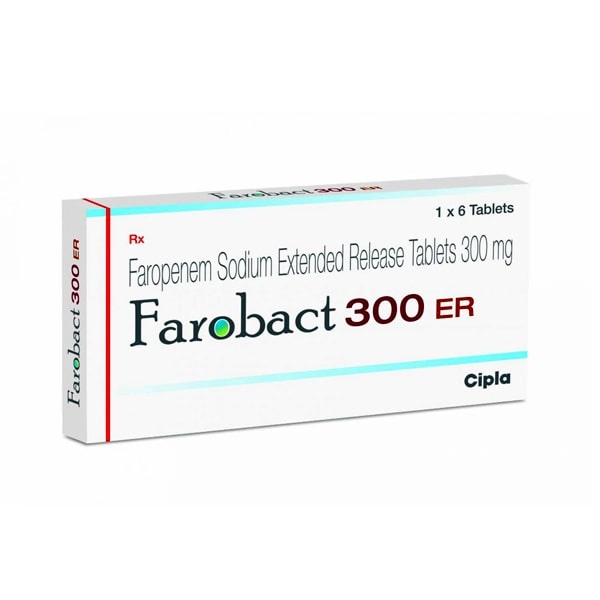
Το Farobact είναι ένα δισκίο faropenem (200 mg / 300 mg, Cipla) — ένα αντιβιοτικό πενέμ για από του στόματος χορήγηση με ευρεία κάλυψη, συμπεριλαμβανομένων ορισμένων παθογόνων που παράγουν βeta-λακταμάση. Κρατήστε το για τεκμηριωμένες ανθεκτικές λοιμώξεις — η ρουτίνα χρήση επιταχύνει την ανάπτυξη ανθεκτικότητας στα καρβαπενέματα τελευταίας γραμμής.
📦 Κάθε παραγγελία καλύπτεται από την Πολιτική Εγγύησης Επαναποστολής — εάν το δέμα σας δεν φτάσει εντός 20 εργάσιμων ημερών, το επαναποστέλλουμε.
Γιατί να παραγγείλετε από τη MedsBase
Τα γενόσημα φάρμακά μας προέρχονται από κατασκευαστές που πιστοποιούνται από την WHO-GMP και αποστέλλονται παγκοσμίως σε διακριτική, απλή συσκευασία — χωρίς όνομα φαρμάκου στο εξωτερικό του δέματος. Οι πληρωμές με κάρτα δρομολογούνται μέσω ρυθμισμένου επεξεργαστή (οι περιγραφές εκκαθάρισης περιλαμβάνουν ρυθμισμένο επεξεργαστή πληρωμών με κάρτα — ποτέ “MedsBase” ή οποιοδήποτε όνομα φαρμάκου). Γίνονται δεκτές και πληρωμές με κρυπτονομίσματα και τραπεζική μεταφορά SEPA. Κάθε παραγγελία καλύπτεται από την Πολιτική Επαναποστολής Εξασφαλίσεώς μας.
Πώς λειτουργεί το Farobact
Το Farobact περιέχει faropenem sodium, ένα αντιβιοτικό πενέμ για από του στόματος χορήγηση δομικά σχετικό με τα καρβαπενέματα αλλά πιο σταθερό σε πολλές βeta-λακταμάσες. Δένεται σε πρωτεΐνες που δέουν την πενικιλλίνη για να αναστείλει τη σύνθεση του βακτηριακού τοιχώματος. Το φάσμα δράσης είναι ευρύ: οι περισσότερες Στρεπτόκοκκοι, Staphylococcus aureus ευαίσθητοι στη μεθικιλλίνη, Haemophilus influenzae, Moraxella catarrhalis, Enterobacteriaceae (συμπεριλαμβανομένων ορισμένων παραγόντων ESBL), και αναερόβια βακτήρια του στόματος. Είναι ΔΕΝ ενεργεί κατά του Pseudomonas, MRSA ή καρβαπενεμό-ανθεκτικών Enterobacteriaceae. Το Faropenem έχει αρκετά ευρεία έγκριση στην Ινδία και την Ιαπωνία, αλλά περιορισμένη ρυθμιστική παρουσία στις ΗΠΑ και την ΕΕ.
Το Faropenem είναι δομικά συγγενές με τα καρβαπενέματα και μοιράζεται ορισμένους μηχανισμούς ανθεκτικότητας. Η ρουτίνα χρήση για μη περίπλοκες λοιμώξεις που ανταποκρίνονται σε αμοξικιλλίνη / κο-αμοξικλαβ / κεφαλοσπορίνες αποθαρρύνεται έντονα — επιταχύνει την ανθεκτικότητα στα καρβαπενέματα τελευταίας γραμμής που χρησιμοποιούνται για ESBL και πολυανθεκτικές λοιμώξεις. Κρατήστε το faropenem για τεκμηριωμένες παθογόνους που παράγουν β-λακταμάσες και δεν ανταποκρίνονται σε θεραπείες πρώτης γραμμής, και μόνο μετά από απόφαση που βασίζεται σε καλλιέργεια.
Ενδείξεις & δοσολογία
| Ενδείξεις | Δόση | Διάρκεια |
|---|---|---|
| Οξεία βακτηριακή ιγμορίτιδα / ωτίτιδα (ανθεκτική) | 300 mg τρεις φορές την ημέρα | 7–10 ημέρες |
| Ηπία–μέτρια πνευμονία που αποκτήθηκε στην κοινότητα (ανθεκτική ή αποτυχία αμοξικλαβ) | 300 mg τρεις φορές την ημέρα | 7–14 ημέρες |
| Περίπλοκη ουρολοίμωξη (ευαίσθητη) | 300 mg τρεις φορές την ημέρα | 7–14 ημέρες |
| Μη περίπλοκη λοίμωξη δέρματος / μαλακών ιστών | 300 mg τρεις φορές την ημέρα | 7–14 ημέρες |
Λήψη με τροφή για μείωση των γαστρεντερικών παρενεργειών. Ρυθμίση δόσης σε CrCl < 30.
Παρενέργειες
- Διάρροια (πιο συχνή, ~10%); ναυτία, κοιλιακός πόνος.
- Υπερευαισθησία — εξάνθημα, κνίδωση, αναφυλαξία (διασταυρούμενη αντιδραστικότητα με πενικιλλίνες / κεφαλοσπορίνες / καρβαπενέματα).
- Κολίτιδα από C. difficile.
- Αύξηση ενζύμων ήπατος (σπάνια).
- Καντιντίαση / στοματική καντιντίαση.
Αντενδείξεις
- Γνωστή αναφυλαξία σε β-λακταμικά (πενικιλλίνη / κεφαλοσπορίνη / καρβαπενέμα).
- Σοβαρή νεφρική δυσλειτουργία χωρίς προσαρμογή δόσης.
- Παιδιά < 6 μηνών — περιορισμένα δεδομένα ασφάλειας.
Αλληλεπιδράσεις φαρμάκων
| Φάρμακο | Αποτέλεσμα | Δράση |
|---|---|---|
| Προβενεσίδη | Αυξάνει τα επίπεδα στον ορό | Χωρίς ρουτίνα προσαρμογής |
| Βαλπροϊκό | Η κατηγορία καρβαπενέμης μειώνει τα επίπεδα βαλπροϊκού οξέος — το φαρopenem μπορεί να έχει παρόμοια επίδραση | Αποφύγετε συνδυασμό |
| Βαρφαρίνη | Μεταβλητή επίδραση στο INR | Ελέγξτε το INR στη μέση της θεραπείας. |
Εγκυμοσύνη & Θηλασμός
Περιορισμένα δεδομένα για εγκυμοσύνη σε ανθρώπους. Χρησιμοποιείτε κατά την εγκυμοσύνη και τον θηλασμό μόνο όταν δεν υπάρχουν εναλλακτικές λύσεις.
Αποθήκευση
Αποθηκεύστε σε θερμοκρασία κάτω από 25 °C, μακριά από άμεση ηλιακή ακτινοβολία και υγρασία. Διατηρείστε στην αρχική συσκευασία. Κρατήστε μακριά από παιδιά. Απορρίψτε τυχόν αχρησιμοποίητα δισκία μετά την ημερομηνία λήξης που αναγράφεται — τα υποβαθμισμένα αντιβιοτικά μπορεί να χάσουν την ισχύ τους ή να απελευθερώσουν προϊόντα διάσπασης.
Αυτό το φάρμακο είναι αποτελεσματικό μόνο κατά των βακτηριακών λοιμώξεων. Μην το χρησιμοποιείτε για ιογενείς ασθένειες (κοινό κρυολόγημα, οι περισσότεροι πονόλαιμοι, γρίπη, COVID-19), μην το διακόπτετε νωρίς όταν αισθάνεστε καλύτερα και μην κρατάτε υπόλοιπα για μελλοντικές λοιμώξεις. Η κατάχρηση οδηγεί σε ανθεκτικά βακτήρια όπως MRSA, ESBL και CRE — ο ΠΟΥ κατατάσσει την αντοχή στα αντιμικροβιακά μεταξύ των 10 κορυφαίων παγκόσμιων απειλών για τη δημόσια υγεία.
Συχνές Ερωτήσεις
Γιατί το φαρopenem δεν είναι πρώτης γραμμής για μια συνηθισμένη λοίμωξη;
Το φαρopenem ανήκει στην κατηγορία των καρβαπενεμών. Η ρουτίνα χρήση για λοιμώξεις που θα ανταποκρίνονταν σε αμοξικιλλίνη ή συν-αμοξικιλλίνη οδηγεί σε ανθεκτικότητα στις καρβαπενέμες — τελευταίας γραμμής για απειλητικές για τη ζωή Γραμ-αρνητικές λοιμώξεις. Κρατήστε το για τεκμηριωμένες ανθεκτικές παθογόνους.
Σε τι διαφέρει από ένα κανονικό αντιβιοτικό από του στόματος;
Το φαρopenem έχει ευρύτερη κάλυψη για Γραμ-αρνητικά βακτήρια από την αμοξικιλλίνη και αντιστέκεται σε πολλές β-λακταμάσες που καταστρέφουν την αμοξικιλλίνη / κεφαλοσπορίνες πρώτης γενιάς. Ανταλλαγή: υψηλότερη πίεση ανθεκτικότητας στην κατηγορία των καρβαπενεμών.
Πρέπει να το πάρω με φαγητό;
Ναι — η λήψη με τρόφιμα μειώνει τη ναυτία και επιβραδύνει ελαφρώς αλλά δεν μειώνει τη συνολική απορρόφηση.
Θα καλύψει το Pseudomonas;
Όχι. Το faropenem δεν έχει χρήσιμη δράση κατά του Pseudomonas.
Θα καλύψει τον MRSA;
Όχι. Χρησιμοποιήστε κλινδαμυκίνη / δοξυκυκλίνη / TMP-SMX / λινεζολίδη με βάση τα τοπικά δεδομένα ευαισθησίας.
Μπορώ να το πάρω αν είμαι αλλεργικός στην πενικιλλίνη;
Υπάρχει διασταυρούμενη ευαισθησία σε όλη την κατηγορία των β-λακτάμων. Με αναφυλακτική αλλεργία στην πενικιλλίνη, αποφύγετε το faropenem. Με ήπιες καθυστερημένες εξανθήματα, συζητήστε με έναν κλινικό — η χρήση πενέμ μπορεί να είναι αποδεκτή υπό ειδικευμένη καθοδήγηση.
Πόσο καιρό πρέπει να διαρκεί η θεραπεία;
Οι περισσότερες αναπνευστικές και ουρολογικές ενδείξεις χρησιμοποιούν 7–14 ημέρες. Οι σύντομες θεραπείες (5 ημέρες) σπάνια υποστηρίζονται από κλινικά δεδομένα.
Μπορώ να πίνω αλκοόλ;
Καμία άμεση αλληλεπίδραση. Η ελαφριά κοινωνική χρήση είναι εντάξει· η υπερβολική κατανάλωση αλκοόλ αποδυναμώνει την ανοσοαπόκριση.
Θα αλληλεπιδράσει με την warfarin μου;
Πιθανόν — το INR μπορεί να αλλάξει προς οποιαδήποτε κατεύθυνση. Ελέγξτε το INR εντός 3–5 ημερών και συμβουλέψτε για σημάδια αιμορραγίας.
Γιατί το faropenem είναι πιο διαθέσιμο στην Ινδία / Ιαπωνία παρά στις ΗΠΑ;
Το faropenem ολοκλήρωσε τις δοκιμές Φάσης III στις ΗΠΑ αλλά το FDA ζήτησε πρόσθετα δεδομένα μη κατωτερότητας έναντι των συνηθισμένων συγκριτικών. Παραμένει ευρέως χρησιμοποιούμενο στην Ινδία και σε μέρη της Ασίας, όπου τα τοπικά μοτίβα ευαισθησίας και η κουλτούρα συνταγογράφησης διαφέρουν.
Άλλα Αντιβιοτικά & Αντιμικροβιακά Φάρμακα
- Augmentin (Αμοξικιλλίνη + Κλαβουλανικό οξύ) — εναλλακτική β-λακτάμης
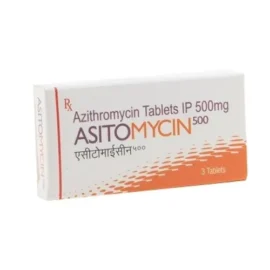
- Azee (Azithromycin) — κάλυψη για άτυπα παθογόνα
- Levomac (Λεβοφλοξασίνη) — αναπνευστική φθοροκινολόνη
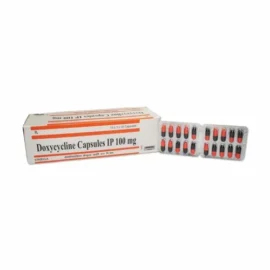
- Doxt (Δοξυκυκλίνη) — ατυπική πνευμονία / ΣΜΝ
- Mox (Amoxicillin) — πρώτη γραμμή για πολλές κοινωνικές λοιμώξεις
Περισσότερες επιλογές σε Αντιβιοτικά
Ταξινομημένα σύμφωνα με τον όγκο παραγγελιών στο MedsBase — τι επιλέγουν άλλοι πελάτες σε αυτήν την κατηγορία.

| Ισχύς | 200 mg, 300 mg |
|---|---|
| Ποσότητα | 12 Μπουκάλια, 24 Δισκία, 48 Δισκία |
| Φαρμακευτική Μορφή | Δισκία |
| Κατασκευαστής | Cipla Inc |
| Θεραπεία | Σοβαρές βακτηριακές λοιμώξεις |
| Γενόσημη μάρκα | Faropenem |
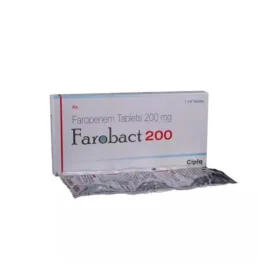 Farobact
Ερωτήσεις & Απαντήσεις
Farobact
Σχετικά προϊόντα


Κριτικές
Δεν υπάρχουν ακόμη κριτικές