







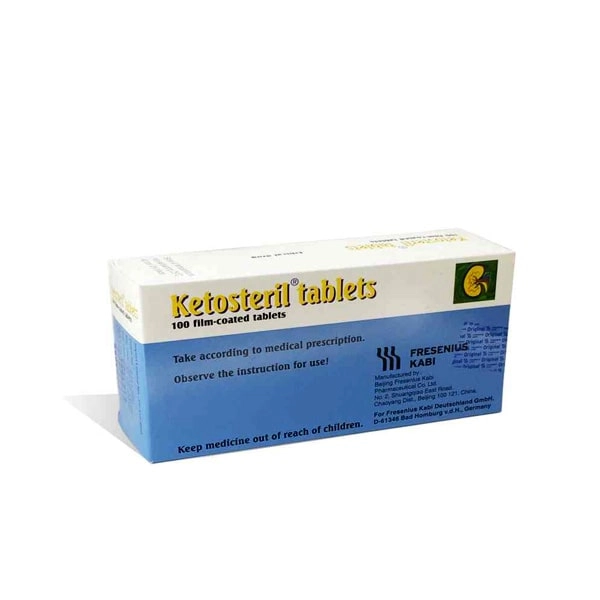
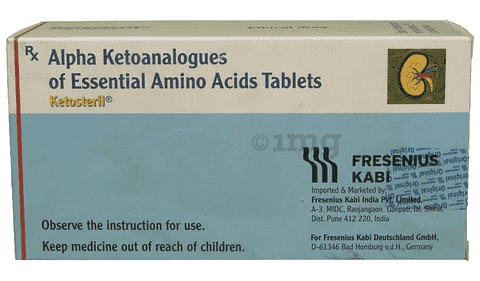
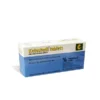
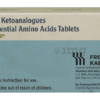
Ketosteril
✅ Βελτιώνει τη λειτουργία των νεφρών
✅ Μειώνει τα ουραιμικά συμπτώματα
✅ Βελτιώνει τον μεταβολισμό των πρωτεϊνών
✅ Μειώνει την κρεατινίνη του ορού
✅ Διαχειρίζεται τη χρόνια νεφρική νόσο
✓ Ιατρικά ελεγμένο από Morgan Ellis — Ερευνητής Φαρμακευτικής · 8 χρόνια εμπειρία · Τελευταία αναθεώρηση: Μάιος 2026
Γρήγορη απάντηση
Ketosteril περιέχει κετοαναλόγα + απαραίτητα αμινοξέα 630 mg παραγωγής Fresenius Kabi. Χρησιμοποιείται για διατροφική υποστήριξη στη χρόνια νεφρική νόσο (CKD) όταν χρησιμοποιείται παράλληλα με δίαιτα χαμηλής πρωτεϊνικής περιεκτικότητας για να καθυστερήσει την εξέλιξη της νόσου και να μειώσει τα ουραιμικά συμπτώματα. Λαμβάνετε ακριβώς όπως ορίζει ο κλινικός σας — μην προσαρμόζετε τη δόση μόνοι σας.
📦 Κάθε παραγγελία καλύπτεται από την Πολιτική Εγγύησης Επαναποστολής — εάν το δέμα σας δεν φτάσει εντός 20 εργάσιμων ημερών, το επαναποστέλλουμε.
Γιατί να παραγγείλετε από τη MedsBase
Κάθε παρτίδα προέρχεται από ένα πιστοποιημένο από τη WHO-GMP κατασκευαστή. Οι παραγγελίες αποστέλλονται σε απλή συσκευασία χωρίς εμπορική σήμανση από τους συνεργάτες μας και καλύπτονται από την Πολιτική Εγγύησης Επαναποστολής. Έχουμε εξυπηρετήσει 1,400+ επαληθευμένους πελάτες με 4.9/5 μέσο όρο αξιολόγησης σε περισσότερα από 600 φάρμακα.
⚠ Σημαντικό — πρόκειται για συμπλήρωμα διατροφής, όχι για απλό αναστολέα ή φάρμακο για υπερπλασία προστάτη
Το Ketosteril είναι ένα συμπλήρωμα διατροφής για νεφρικά προβλήματα, δεν είναι θεραπεία για διευρυμένη προστάτη ή υπερδραστήρια ουροδόχο κύστη. Χρησιμοποιείται σε ενήλικες με CKD σταδίου 3–5 σε δίαιτα με περιορισμό πρωτεΐνης (~0,4–0,6 g/kg/ημέρα). Αν ψάχνετε για φάρμακο για συμπτώματα προστάτη ή ουροδόχου κύστης, παρακαλούμε χρησιμοποιήστε τον πίνακα εναλλακτικών στο κάτω μέρος αυτής της σελίδας.
Τι είναι το Ketosteril και πώς λειτουργεί
Το Ketosteril περιέχει ένα σταθερό μείγμα κετοαναλόγων (αζωτούχων αναλόγων των απαραίτητων αμινοξέων) και μια μικρότερη ποσότητα απαραίτητων αμινοξέων. Στο CKD, ο περιορισμός της διατροφικής πρωτεΐνης μειώνει τη δημιουργία ουραιμικών τοξινών αλλά εγκυμονεί κίνδυνο υποσιτισμού. Τα κετοανάλογα επιτρέπουν στο σώμα να συνθέσει αμινοξέα προσθέτοντας τα δικά του κυκλοφορούντα αζωτούχα απόβλητα — έτσι διατηρείται η απαραίτητη διατροφή ενώ μειώνονται το φορτίο ουρίας και τα ουραιμικά συμπτώματα (ναυτία, κόπωση, φαγούρα).
Ο συνδυασμός σχεδιάστηκε για χρήση παράλληλα με μια δίαιτα χαμηλής πρωτεΐνης (τυπικά 0,4–0,6 g/kg/ημέρα υπό την επίβλεψη διατροφολόγου). Δεν είναι αποτελεσματικός και μπορεί ακόμη να επιδεινώσει την κατάσταση σε κανονική δίαιτα πρωτεΐνης επειδή τότε φορτώνεται πάλι περίσσεια αζώτου.
Δοσολογία και τρόπος χορήγησης
| Ομάδα ασθενών | Συνιστώμενη δοσολογία |
|---|---|
| Ενήλικες > 70 kg με CKD σταδίου 3–5 σε δίαιτα χαμηλής πρωτεΐνης | 4–8 δισκία τρεις φορές ημερησίως με τα κύρια γεύματα (12–24 δισκία/ημέρα) σύμφωνα με το σχέδιο διατροφολόγου/νεφρολόγου |
| Ενήλικες 40–70 kg | 1 δισκίο ανά 5 kg σωματικού βάρους ημερησίως, κατανεμημένα στα γεύματα |
| Παιδιά > 3 ετών (υπό ειδικευμένη παρακολούθηση) | 1 δισκίου ανά 5 kg/ημέρα |
| Τελικό στάδιο χρόνιας νεφρικής ανεπάρκειας σε αιμοκάθαρση | Υπό ειδικευμένη καθοδήγηση· συνήθως συνδυάζεται με ενδοδιαλυτική αντιστοίχιση πρωτεϊνών |
Καταπιείτε ολόκληρο με το κύριο γεύμα, ώστε τα αμινοξέα να είναι διαθέσιμα παράλληλα με τις διατροφικές πηγές αζώτου. Μη συνθλίβετε ή μασάτε τα δισκία. Τα δισκία είναι μεγάλα· ορισμένοι χρήστες προτιμούν να τα καταναλώνουν σταδιακά κατά τη διάρκεια του γεύματος αντί να τα πάρουν όλα ταυτόχρονα. Βεβαιωθείτε ότι πίνετε αρκετό νερό, εκτός αν ο νεφρολόγος σας έχει περιορίσει την υγρή πρόσληψη.
Παρακολούθηση
- Ορός ασβεστίου — τα κετοαναλόγου περιέχουν ασβέστιο· ελέγξτε στην αρχή και κάθε 1–3 μήνες. Διακόψτε σε περίπτωση υπερκαλσιναιμίας (> 2,6 mmol/L)
- Ορός φωσφορικών, PTH, eGFR, BUN/ουρία — ρουτίνα παρακολούθησης CKD
- Βάρος σώματος, MUAC και πρόσληψη διαιτητικής πρωτεΐνης — μέσω διαιτολόγου για επιβεβαίωση της διατήρησης επαρκούς διατροφής
- Αλβουμίνη, προαλβουμίνη — εάν υπάρχει υποψία κακής διατροφής
Παρενέργειες
| Παρενέργεια | Συχνότητα | Σημειώσεις |
|---|---|---|
| Υπερκαλσιναιμία | Σπάνιο — διακοπή εάν > 2,6 mmol/L | Ελέγξτε το ασβέστη περιοδικά |
| Γαστρεντερική δυσφορία (ναυτία, πλήρωση) | Συχνό στην αρχή | Λήψη με τροφή· κατανομή δόσεων |
| Δυσκοιλιότητα | Ασυνήθιστες | Επαρκής υγρά (εντός νεφρικών ορίων) και ίνες |
| Υπερευαισθησία (εξάνθημα, κνησμός) | Σπάνιες | Διακοπή και επανεξέταση |
Αλληλεπιδράσεις φαρμάκων
| Συνδυασμός | Αποτέλεσμα | Δράση |
|---|---|---|
| Αντιόξινα με αλουμίνιο | Ο ασβέστης μπορεί να αυξήσει την απορρόφηση του αλουμινίου | Αποφύγετε ταυτόχρονη χορήγηση — χωρίστε κατά 2 ώρες |
| Τετρακυκλίνες, φθοροκινολόνες, λεβοθυροξίνη, σιδηροθεραπεία από του στόματος, διφωσφονικά | Η σύμπλεξη του ασβεστίου μειώνει την απορρόφηση των συγχρόνως χορηγούμενων φαρμάκων | Χωρίστε κατά 2 ώρες. |
| Καρδιακά γλυκοζίδια (διγοξίνη) | Το υψηλό ασβέστιο αυξάνει την ευαισθησία στη διγοξίνη | Παρακολούθηση· αποφυγή ταυτόχρονης χορήγησης συμπληρωμάτων ασβεστίου |
| Ανάλογα βιταμίνης D, συμπληρώματα ασβεστίου | Προστιθέμενος κίνδυνος υπερασβεστιαιμίας | Επίβλεψη ειδικού |
Ποιος δεν πρέπει να λαμβάνει Ketosteril
- Υπερασβεστιαιμία (διορθωμένο ορικό ασβέστιο > 2,6 mmol/L)
- Διαταραχές του μεταβολισμού των αμινοξέων (π.χ. νόσος ούρου σιρόπι σφενδάμου, κληρονομική φαινυλοκετονουρία)
- Ασθενείς που ΔΕΝ ακολουθούν δομημένη δίαιτα χαμηλής πρωτεΐνης (χωρίς όφελος και πιθανή υπερφόρτωση αζώτου)
- Σοβαρή δυσανεξία στη γαλακτόζη / έλλειψη λακτάσης Lapp (βοηθητική ουσία)
- Υπερευαισθησία σε οποιοδήποτε συστατικό
Συχνές Ερωτήσεις
Είναι το Ketosteril θεραπεία για προβλήματα προστάτη ή ουροδόχου κύστης;
Όχι. Είναι διατροφικό συμπλήρωμα για νεφρικές παθήσεις — κετοανάλογα συν απαραίτητα αμινοξέα — προς χρήση με δίαιτα χαμηλής πρωτεΐνης για την καθυστέρηση της εξέλιξης της χρόνιας νεφρικής νόσου και τη μείωση των ουραιμικών συμπτωμάτων. Τα φάρμακα για ουροδόχο κύστη/πρόστατη αναφέρονται στον πίνακα εναλλακτικών στο κάτω μέρος αυτής της σελίδας.
Πώς η δίαιτα χαμηλής πρωτεΐνης συν Ketosteril επιβραδύνει πραγματικά τη χρόνια νεφρική νόσο (CKD);
Η μειωμένη διατροφική άζωτο σημαίνει λιγότερη παραγωγή ουρίας· τα νεφρά χειρίζονται λιγότερα απόβλητα· η υπερδιήθηση των σωληναρίων μειώνεται. Η προσθήκη κετοαναλόγων επιτρέπει στο σώμα να συνεχίσει να συνθέτει απαραίτητα αμινοξέα χρησιμοποιώντας κυκλοφορούντα άζωτα από απόβλητα, έτσι η διατροφική κατάσταση παραμένει επαρκής. Οι κλινικές μελέτες δείχνουν ότι η πτώση της eGFR επιβραδύνεται στα στάδια 3–5 της CKD με μια δομημένη δίαιτα περιορισμένης πρωτεΐνης συν κετοαναλόγους.
Πόσα δισκία την ημέρα;
Περίπου 1 δισκίο ανά 5 κιλά σωματικού βάρους την ημέρα, κατανεμημένα στα τρία κύρια γεύματα. Ένας ενήλικας 70 κιλών συνήθως παίρνει 4–5 δισκία σε κάθε γεύμα (~12–14/ημέρα). Ο νεφρολόγος ή ο διατροφολόγος σας θα προσαρμόσει την δοσολογία.
Γιατί με τα γεύματα;
Τα κετοαναλόγα χρειάζονται άμεση πηγή αζώτου για να μετατραπούν σε απαραίτητα αμινοξέα. Η λήψη τους με τα γεύματα παρέχει αυτό το άζωτο και βελτιώνει τη βιοδιαθεσιμότητα.
Θα πάρω βάρος ή μυϊκή μάζα από αυτό;
Το Ketosteril παρέχει δομικά στοιχεία αμινοξέων αλλά δεν είναι ένα υψηλόθερμο συμπλήρωμα. Η διατήρηση του βάρους και της μυϊκής μάζας σε μια δίαιτα χαμηλής πρωτεΐνης εξαρτάται από την επαρκή θερμιδική πρόσληψη συνολικά. Ένας νεφρολογικός διατροφολόγος θα σχεδιάσει τις θερμίδες γύρω από τον περιορισμό της πρωτεΐνης.
Τι γίνεται με τη dialysis — χρειάζομαι ακόμα;
Τα περισσότερα προγράμματα αιμοκάθαρσης αντιστοιχούν σε μια πιο ελεύθερη διατροφική πρόσληψη πρωτεΐνης (1.0–1.2 g/kg/ημέρα) για τις απώλειες αμινοξέων στο dialysate. Απαιτείται εξειδικευμένη επίβλεψη· μην κάνετε αυτορρύθμιση.
Μπορώ να σταματήσω τον δεσμευτή φωσφορικού;
Όχι. Το Ketosteril δεν δεσμεύει τον φωσφορικό της διατροφής. Συνεχίστε τον συνταγογραφημένο δεσμευτή (σεβελαμέρη, οξικό ασβέστιο, λανθάνιο) κατά τη διάρκεια των γευμάτων, εκτός αν ο νεφρολόγος σας δώσει άλλες οδηγίες.
Πώς μετράται και παρακολουθείται το ασβέστιο;
Το διορθωμένο ορικό ασβέστιο ελέγχεται στην αρχή και κάθε 1–3 μήνες. Αν ανέβει πάνω από 2,6 mmol/L, η δόση μειώνεται ή διακόπτεται. Αποφύγετε τα συμπληρώματα ασβεστίου παράλληλα, εκτός αν ο ειδικός σας το συνιστά.
Υπάρχουν εναλλακτικές αν δεν αντέχω το Ketosteril;
Ναι — δομημένες δίαιτες χαμηλής πρωτεΐνης χωρίς κετοαναλόγα, ή μείγματα α-κετοξέων με διαφορετικές αναλογίες. Η απόφαση εξαρτάται από τον ασθενή· συμβουλευτείτε τον νεφρολογικό διατροφολόγο σας.
Ποια άλλα φάρμακα πρέπει να πάρω σε διαφορετικό χρόνο από αυτό;
Τετρακυκλίνες, φθοροκινολόνες, λεβοθυροξίνη, σιδηρούχα σκευάσματα από το στόμα, διφωσφονικά και αντιόξινα με αλουμίνιο πρέπει να λαμβάνονται τουλάχιστον 2 ώρες μετά το Ketosteril λόγω της δέσμευσης ασβεστίου.
Άλλα φάρμακα για την ουροδόχο κύστη και τον προστάτη
- Silofast (silodosin) — α-αναστολέας για την υπερτροφία του προστάτη
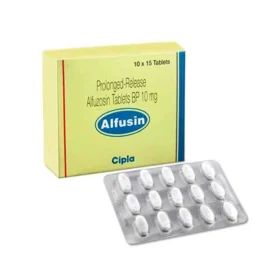
- Alfusin (alfuzosin 10 mg ER) — α-αναστολέας για την υπερπλασία του προστάτη
- Cystone — φυτικό σκεύασμα για την ουροποιητική υποστήριξη και συμπλήρωμα για νεφρικές πέτρες
- Urotel XL (tolterodine ER) — για τα συμπτώματα υπερδραστήριας ουροδόχου κύστης
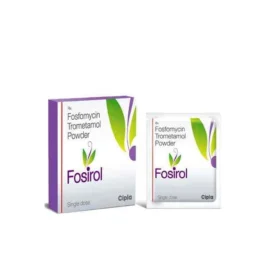
- Fosirol 3 g (fosfomycin) — για μια επεισοδιακή ουρολομίαση
Ιατρική αποποίηση ευθυνών. Οι πληροφορίες σε αυτή τη σελίδα είναι μόνο για γενικούς εκπαιδευτικούς σκοπούς και δεν αποτελούν υποκατάστατο της συμβουλής ενός καταρτισμένου κλινικού. Συζητήστε κάθε νέο φάρμακο ή αλλαγή δόσης με τον γιατρό ή τον φαρμακοποιό σας, ειδικά εάν είστε έγκυος, θηλάζετε, έχετε άλλες ιατρικές παθήσεις ή παίρνετε άλλα φάρμακα.
Περισσότερες επιλογές στην ουροδόχο κύστη και τον προστάτη
Ταξινομημένα σύμφωνα με τον όγκο παραγγελιών στο MedsBase — τι επιλέγουν άλλοι πελάτες σε αυτήν την κατηγορία.
| Ποσότητα | 100 δισκία, 200 δισκία, 300 δισκία |
|---|---|
| Φαρμακευτική Μορφή | Δισκία |
| Κατασκευαστής | Fresenius Kabi |
| Θεραπεία | Χρόνια Νεφρική Νόσος στην προδιαλυτική περίοδο |
| Γενόσημη μάρκα | Κετοαναλόγα + Απαραίτητα Αμινοξέα |
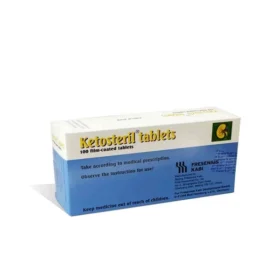 Ketosteril
Ερωτήσεις & Απαντήσεις
Ketosteril
Σχετικά προϊόντα


Κριτικές
Δεν υπάρχουν ακόμη κριτικές