








Nemdaa
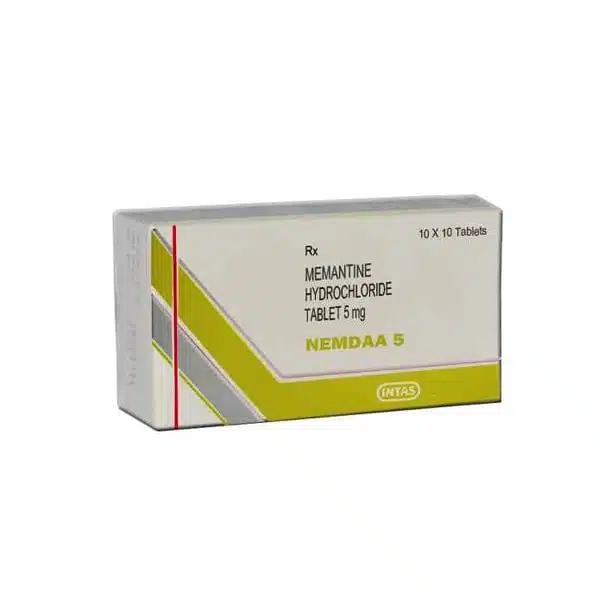
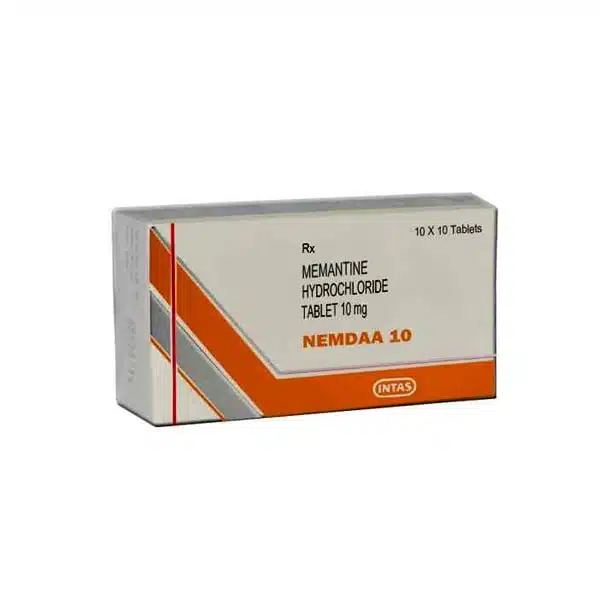
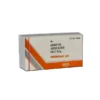
Nemdaa (Memantine 5/10 mg) — Intas Pharma μη ανταγωνιστικός ανταγωνιστής NMDA-υποδοχέα για μέτρια έως σοβαρή νόσο Alzheimer. Αργή αυξομείωση έως 10 mg δύο φορές ημερησίως· προσαρμογή δόσης για νεφρική δυσλειτουργία.
✓ Ιατρικά ελεγμένο από Morgan Ellis — Ερευνητής Φαρμακευτικής · 8 χρόνια εμπειρία · Τελευταία αναθεώρηση: Μάιος 2026
Γρήγορη απάντηση
Nemdaa — memantine 5/10 mg (Intas Pharma). Μη ανταγωνιστικός ανταγωνιστής NMDA-υποδοχέα χαμηλής συγγένειας για μέτρια έως σοβαρή νόσο Alzheimer. Συχνά συνδυάζεται με αναστολέα χολινεστεράσης (donepezil). Μέτρια συμπτωματική βελτίωση· απαιτείται προσαρμογή δόσης για νεφρική δυσλειτουργία.
Αυτό που λαμβάνετε με την MedsBase:
- πιστοποιημένο από τη WHO-GMP κατασκευαστή
- Συσκευασία σε απλό φάκελο χωρίς ενδείξεις
- Παγκόσμια αποστολή
- Αξιολογήθηκε από 1,400+ πελάτες (διαβάστε κριτικές)
📦 Εγγύηση Επαναποστολής: αν η παραγγελία σας δεν έχει φτάσει μέσα σε 20 εργάσιμες ημέρες από την αποστολή, την επαναποστέλλουμε χωρίς πρόσθετο κόστος. Διαβάστε την πολιτική.
Γιατί να παραγγείλετε από τη MedsBase
Το Nemdaα αποστέλλεται από έναν κατασκευαστή πιστοποιημένο από τον WHO-GMP σε απλή συσκευασία, χρεώνεται μέσω ρυθμιζόμενου επεξεργαστή πληρωμών (η περιγραφή στη δήλωση αναφέρει έναν ρυθμιζόμενο επεξεργαστή πληρωμών με κάρτα — ποτέ MedsBase ή οποιοδήποτε όνομα φαρμάκου). Κάθε παραγγελία συνοδεύεται από την Εγγύηση Επαναποστολής 20 εργάσιμων ημερών μας.
Πώς λειτουργεί η memantine
Στη νόσο Alzheimer, η γλουταμική συσσωρεύεται στη συναπτική σχισμή και υπερενεργοποιεί χρόνια τους υποδοχείς NMDA, συμβάλλοντας στην εξωτοξικότητα και τη γνωστική παρακμή. Η memantine είναι ένας μη ανταγωνιστικός ανταγωνιστής NMDA χαμηλής συγγένειας — μπλοκάρει την παθολογική τονική σηματοδότηση γλουταμικού χωρίς να μπλοκάρει τα σήματα υψηλής έντασης που απαιτούνται για τη φυσιολογική μάθηση και τη μνήμη. Αυτή η επιλεκτικότητα είναι που την διαφοροποιεί από τους παλαιότερους ανταγωνιστές NMDA (ketamine, MK-801) οι οποίοι μπλοκάρουν όλη τη δραστηριότητα NMDA και δεν είναι ανεκτοί ως γνωστικά φάρμακα.
Χορήγηση — αργή τιτλοποίηση
| Εβδομάδα | Δόση |
|---|---|
| 1 | 5 mg μία φορά ημερησίως (πρωί) |
| 2 | 5 mg δύο φορές ημερησίως (πρωί + βράδυ) |
| 3 | 10 mg πρωί + 5 mg βράδυ |
| 4 και άνω | 10 mg δύο φορές ημερησίως (στόχος δόσης) |
Η αργή τιτλοποίηση ελαχιστοποιεί τις παρενέργειες του ΚΝΣ (ζάλη, σύγχυση, καταστολή). Η φόρμουλα XR (28 mg μία φορά ημερησίως, όπου διατίθεται) τιτλοποιείται επίσης εβδομαδιαία.
Η μεμαντίνη εκκρίνεται νεφρικά. Ρυθμίστε τη δόση ανάλογα με την κρεατινινική κάθαρση:
• CrCl >50 mL/min: τυπική χορήγηση (στόχος 10 mg BID)
• CrCl 30-50 mL/min: στόχος 5 mg BID (10 mg/ημέρα συνολικά)
• CrCl 5-29 mL/min: 5 mg BID (υπό ειδική παρακολούθηση)
• Διάλυση: δεν έχει μελετηθεί επαρκώς — χρησιμοποιείται μόνο εάν το όφελος υπερβαίνει σαφώς τον κίνδυνο
Παρενέργειες
- Συχνές: ζάλη, πονοκέφαλος, δυσκοιλιότητα, υπνηλία, αύξηση βάρους
- Λιγότερο συχνές: σύγχυση, ψευδαισθήσεις, υπέρταση, άγχος
- Σπάνιες: σπασμοί, ψύχωση (συνήθως με προϋπάρχουσα προδιάθεση)
Αλληλεπιδράσεις φαρμάκων
- Άλλοι ανταγωνιστές NMDA (αμανταδίνη, κεταμίνη, δεξτρομεθορφάν): πρόσθετες επιδράσεις ΚΝΣ — αποφυγή
- Ουρικοί αλκαλιωτές (διττανθρακικό νάτριο, ακεταζολαμίδη): μειώνουν την νεφρική κάθαρση — παρακολούθηση
- Υδροχλωροθειαζίδη: μειώνει τα επίπεδα υδροχλωροθειαζίδης κατά ~20% — συνήθως δεν είναι κλινικά σημαντικά
- Κιμετιδίνη, ρανιτιδίνη, κινιδίνη, νικοτίνη: μικρές αλληλεπιδράσεις μέσω κοινής νεφρικής μεταφοράς κατιόντων
Συχνές Ερωτήσεις
Πότε πρέπει να προστεθεί μεμαντίνη;
Η μεμαντίνη εγκρίνεται για μέτρια έως σοβαρή νόσο Alzheimer (τυπικά MMSE ≤19 ή μετά από σαφές λειτουργικό πλατώ σε δονεπεζίλη μόνο). Ο συνδυασμός δονεπεζίλη + μεμαντίνη σε μέτρια-σοβαρή νόσο έχει πρόσθετο όφελος.
Παρενέργειες;
Γενικά καλά ανεκτή. Συχνά: ζάλη, πονοκέφαλος, δυσκοιλιότητα, υπνηλία. Λιγότερο συχνά: παραισθήσεις, ανησυχία, σύγχυση (συνήθως παροδική). Η αργή τιτλοποίηση βοηθά.
Μπορεί να συνδυαστεί με δονεπεζίλη;
Ναι — ο συνδυασμός είναι πρότυπο για μέτρια-σοβαρή νόσο. Τα δύο φάρμακα στοχεύουν σε διαφορετικά νευροδιαβιβαστικά συστήματα (ακετυλοχολίνη vs γλουταμίνη) και έχουν πρόσθετη γνωστική ωφέλεια χωρίς σημαντικές φαρμακολογικές αλληλεπιδράσεις.
Τι γίνεται με τη νεφρική λειτουργία;
Η μεμαντίνη εκκρίνεται νεφρικά. Μειώστε τη δόση αν CrCl <50 mL/min. Πάντα παρακολουθείτε τη νεφρική λειτουργία σε ηλικιωμένους ασθενείς σε μακροχρόνια θεραπεία.
Θα σταματήσει ή θα επιβραδύνει τη νόσο;
Όχι — η μεμαντίνη είναι συμπτωματική, όχι τροποποιητική της νόσου. Μπορεί να επιβραδύνει τη λειτουργική εξασθένηση μετρίως και να μειώσει τα ορόσημα φροντίδας, αλλά δεν αλλάζει την υποκείμενη νευροεκφύλιση.
Εκτός ετικέτας χρήσεις;
Η μεμαντίνη έχει μελετηθεί εκτός ετικέτας για αγγειακή άνοια, ενίσχυση OCD, νευροπαθητικό πόνο, διαταραχή χρήσης αλκοόλ και πρόληψη ημικρανίας — τα στοιχεία είναι ανάμεικτα και οι περισσότερες χρήσεις είναι μόνο για έρευνα.
Αλληλεπιδράσεις φαρμάκων;
Λίγες κλινικά σημαντικές αλληλεπιδράσεις. Αποφύγετε τον συνδυασμό με άλλους ανταγωνιστές NMDA (αμανταδίνη, κεταμίνη, δεξτρομεθορφάνη) — αθροιστικές επιδράσεις στο ΚΝΣ. Τα ουρικά αλκαλικά (διττανθρακικό νάτριο, ακεταζολαμίδη) μειώνουν την κάθαρση της μεμαντίνης και αυξάνουν τα επίπεδα.
Τι γίνεται αν ξεχάσετε μια δόση;
Παραλείψτε τη χαμένη δόση και συνεχίστε το κανονικό πρόγραμμα. Εάν έχουν χαθεί πολλές ημέρες, ξεκινήστε ξανά στη χαμηλότερη αρχική δόση και επαναπροσαρμόστε για να αποφύγετε παρενέργειες στο ΚΝΣ.
Πότε πρέπει να διακοπεί;
Επαναξιολογήστε κάθε 6 μήνες. Διακόψτε εάν δεν υπάρχει αντιληπτό όφελος, εάν οι παρενέργειες υπερτερούν του οφέλους ή σε προχωρημένο στάδιο της νόσου όπου οι στόχοι μετατοπίζονται σε φροντίδα με επίκεντρο την άνεση.
Μπορώ να οδηγήσω;
Η αρχική προσαρμογή της δόσης προκαλεί ζάλη και υπνηλία σε ορισμένους ασθενείς — μην οδηγείτε μέχρι να σταθεροποιηθείτε στη συντηρητική δόση. Οι περισσότεροι ασθενείς με σταθερή θεραπεία μπορούν να οδηγούν χωρίς περιορισμούς.
Άλλα Φάρμακα για Αλτσχάιμερ & Άνοια
- Donamem — σταθερός συνδυασμός donepezil + memantine
- Alzil — donepezil 5/10 mg
- Donep — donepezil 5/10 mg — εμπορική ονομασία Alkem
- Donecept — donepezil 5/10 mg — εμπορική ονομασία Cipla
- Ashvagandha — Αγιουρβεντικό προσαρμογόνο — συμπληρωματική χρήση μόνο, ΔΕΝ αποτελεί υποκατάστατο για θεραπεία άνοιας με συνταγογράφηση
Περισσότερες επιλογές στη θεραπεία του Αλτσχάιμερ
Ταξινομημένα σύμφωνα με τον όγκο παραγγελιών στο MedsBase — τι επιλέγουν άλλοι πελάτες σε αυτήν την κατηγορία.

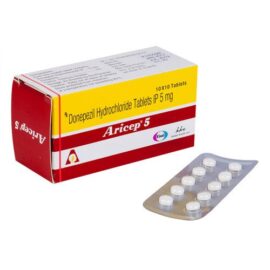
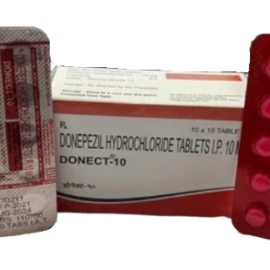

| Ισχύς | 5 mg, 10 mg |
|---|---|
| Ποσότητα | 30 Δισκία, 60 Δισκία, 90 Δισκία |
| Φαρμακευτική Μορφή | Δισκία |
| Κατασκευαστής | Intas Pharma |
| Θεραπεία | Νόσος Αλτσχάιμερ |
| Γενόσημη μάρκα | Memantine |
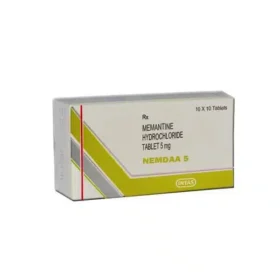 Nemdaa
Ερωτήσεις & Απαντήσεις
Nemdaa
Σχετικά προϊόντα


Κριτικές
Δεν υπάρχουν ακόμη κριτικές