








Optipress Eye Drop
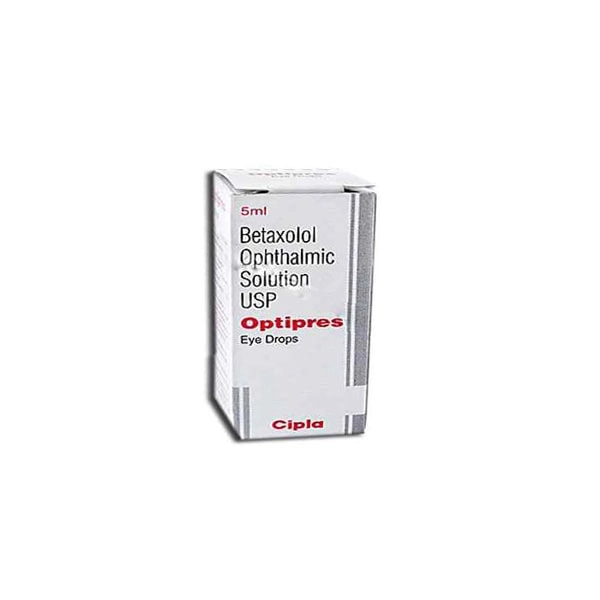
Optipress (betaxolol 0.5%) — επιλεκτικός βήτα-1 αναστολέας για το ανοιχτόγωνιο γλαύκωμα. Διπλής ημερήσιας δόσης για έλεγχο της ενδοφθάλμιας πίεσης· ασφαλέστερος από το timolol σε ήπια άσθμα/ΧΑΠ.
✓ Ιατρικά ελεγμένο από Morgan Ellis — Ερευνητής Φαρμακευτικής · 8 χρόνια εμπειρία · Τελευταία αναθεώρηση: Μάιος 2026
⚡ Γρήγορη Απάντηση — Τι είναι το Optipress Αυτί Οφθαλμού;
Το Optipress Αυτί Οφθαλμού περιέχει Betaxolol HCl 0.5%, ένα τοπικό βήτα-αναστολέα που μειώνει την ενδοφθάλμια πίεση 20–25% στο γλαύκωμα με τη μείωση της παραγωγής υγρού του οφθαλμού. Επιλεκτικός βήτα-1 — ασφαλέστερος από το μη επιλεκτικό timolol σε ήπια άσθμα, αλλά να αποφεύγεται σε ενεργό βρογχόσπασμο. Χρησιμοποιείται 1–2 φορές ημερησίως.
📦 Κάθε παραγγελία καλύπτεται από την Πολιτική Εγγύησης Επαναποστολής — εάν το δέμα σας δεν φτάσει εντός 20 εργάσιμων ημερών, το επαναποστέλλουμε.
Γιατί να παραγγείλετε από τη MedsBase
Το Optipress Αυτί Οφθαλμού προέρχεται από εργοστάσιο πιστοποιημένο WHO-GMP και αποστέλλεται παγκοσμίως σε απλή, διακριτική συσκευασία. Κάθε παραγγελία καλύπτεται από την Πολιτική Εγγύησης Επαναποστολής — εάν δεν έχει φτάσει μετά από 20 εργάσιμες ημέρες, το ξαναστέλνουμε χωρίς επιπλέον κόστος. Υποστηρίζεται από πάνω από 1,400 επαληθευμένες κριτικές πελατών.
Τι είναι το Optipress Αυτί Οφθαλμού;
Το Optipress Αυτί Οφθαλμού παράγεται από την Cipla και περιέχει Betaxolol HCl 0.5% ως στείρη οφθαλμική διάλυση. Το betaxolol είναι ένας καρδιο-επιλεκτικός βήτα-1 αναστολέας — αναστέλλει προτιμησιακά τους βήτα-1 υποδοχείς με ελάχιστη επίδραση στους βρογχικούς βήτα-2 υποδοχείς. Αυτό το καθιστά τον προτιμώμενο τοπικό βήτα-αναστολέα για ασθενείς με γλαύκωμα και ήπια άσθμα ή ελεγχόμενη ΧΑΠ, όπου το μη επιλεκτικό timolol θα ήταν επικίνδυνο.
Πώς Λειτουργεί
Το Betaxolol HCl αναστέλλει τους βήτα-αδρενοϋποδοχείς στο κιλιάρειο επιθήλιο, μειώνοντας τον ρυθμό έκκρισης του υγρού του οφθαλμού. Αυτό μειώνει τον όγκο του υγρού στην πρόσθια θάλαμο και μειώνει την ενδοφθάλμια πίεση κατά περίπου 20–25%. Σε αντίθεση με τα προσταγλανδινικά ανάλογα (που δρουν στην εκροή), οι βήτα-αναστολείς δρουν στην πλευρά της παραγωγής — κάτι που τα καθιστά συμπληρωματικά με τις προσταγλανδίνες και τα αναστολείς της ανθρακικής ανυδράσης.
Ενδείξεις & Χορήγηση
| Ενδείξεις | Δόση |
|---|---|
| Ανοιχτόγωνη γλαύκωμα | 1 σταγόνα στο(α) πληγέντα μάτι(α) δύο φορές ημερησίως (πρωί και βράδυ) |
| Οφθαλμική υπέρταση | 1 σταγόνα δύο φορές την ημέρα — ίδια με POAG |
| Μορφές μίας ημερήσιας δόσης (timolol XE / γελοποιητική) | Διαφορετικά μπουκάλια — ακολουθήστε την ετικέτα |
Παρενέργειες
Τοπικά (μάτι): τσούξιμο κατά την εγκατάσταση, ξηρό μάτι, θολή όραση, υπεραιμία της επιπεφυκότος, κηραιδική αναισθησία (σπάνιο).
Συστημικά (από απορρόφηση): βραδυκαρδία, υπόταση, κόπωση, κατάθλιψη, μειωμένη άσκηση ανοχής, μειωμένη λίμπιντο, περιστασιακός βρογχοσπασμός σε υψηλές δόσεις, κάλυψη των σημείων υπογλυκαιμίας σε διαβητικούς.
Ειδοποιήσεις & Αντενδείξεις
- Ευαίσθητα αναπνευστικά νοσήματα — χρησιμοποιήστε με προσοχή· το μη επιλεκτικό τιμολόλ είναι αντενδείκνυτο, το βεταξολόλ είναι αποδεκτό σε ελεγχόμενο άσθμα
- Κολπική βραδυκαρδία, AV αποκλεισμός δεύτερου/τρίτου βαθμού, αποκωδικοποιημένη καρδιακή ανεπάρκεια
- Ταυτόχρονα από του στόματος β-αναστολείς — πρόσθετη βραδυκαρδία
- Εγκυμοσύνη/θηλασμός — συζητήστε με ειδικό
- Διαβήτης — ο β-αποκλεισμός μπορεί να καλύψει την ταχυκαρδία της υπογλυκαιμίας
- Σοβαρή περιφερική αγγειακή νόσος — σχετική αντίθεση
Αποθήκευση
Αποθηκεύστε σε θερμοκρασία δωματίου 15–25°C προστατευμένο από το φως. Μην το παγώσετε. Απορρίψτε 28 ημέρες μετά την πρώτη άνοιξη.
Συχνές Ερωτήσεις
Πόσο γρήγορα μειώνει η σταγόνα ματιού Optipress την πίεση του ματιού;
Η μείωση της ενδοφθάλμιας πίεσης (IOP) ξεκινά εντός 30 λεπτών από την πρώτη δόση και φθάνει σε σχεδόν μέγιστη επίδραση σε 1–2 ώρες. Η σταθερή κατάσταση της IOP επιτυγχάνεται σε 4 εβδομάδες.
Μπορώ να χρησιμοποιήσω το Optipress Eye Drop μαζί με το φάρμακο για την καρδιά μου;
Ενημερώστε τον γιατρό σας εάν παίρνετε από του στόματος β-αναστολείς, αναστολείς ασβεστιακών καναλιών (διλτιαζέμη, βεραπαμίλη) ή διγοξίνη. Ο συνδυασμός μπορεί να προκαλέσει πρόσθετη βραδυκαρδία και αποκλεισμούς αγωγιμότητας.
Είναι το Optipress Eye Drop ασφαλές στην άσθμα;
Η βεταξολόλη (β-1 εκλεκτική) είναι γενικά αποδεκτή σε ελεγχόμενη ήπια έως μέτρια άσθμα. Ο ενεργός βρογχόσπασμος παραμένει μια αντίθεση. Η μη εκλεκτική τιμολόλη είναι επικίνδυνη σε οποιαδήποτε νόσο αντιδραστικών αεροφόρων οδών.
Ποια είναι η μακροπρόθεσμη επίδραση της ταχυφυλαξίας;
Ορισμένοι ασθενείς εμφανίζουν μειωμένη απόκριση μετά από εβδομάδες έως μήνες συνεχούς χρήσης (‘μακροπρόθεσμη παρέκκλιση’). Εάν η IOP επιστρέψει σε υψηλότερα επίπεδα, ο οφθαλμίατρος σας μπορεί να προσθέσει ένα δεύτερο παράγοντα αντί να αυξήσει τη δόση.
Μπορώ να πάρω Optipress Eye Drop αν είμαι διαβητικός;
Ναι, αλλά με προσοχή. Οι β-αναστολείς μειώνουν την απόκριση της καρδιακής συχνότητας στην υπογλυκαιμία, κάνοντας πιο δύσκολη την αναγνώριση της χαμηλής σακχάρου στο αίμα. Η εφίδρωση παραμένει ένα αξιόπιστο σημάδι προειδοποίησης. Παρακολουθήστε προσεκτικά τη γλυκόζη του αίματος κατά την έναρξη της θεραπείας.
Γιατί η μία φορά την ημέρα δεν είναι αρκετή;
Οι περισσότερες σταγόνες βήτα-αναστολέων έχουν διάρκεια δράσης 8–12 ωρών, επομένως η χορήγηση δύο φορές την ημέρα διατηρεί τον έλεγχο της ενδοφθάλμιας πίεσης (ΕΦΠ) για 24 ώρες. Ορισμένες παρασκευές που σχηματίζουν τζελ (όπως το timolol XE) επεκτείνουν τη διάρκεια και χορηγούνται μία φορά την ημέρα.
Τι συμβαίνει αν σταματήσω ξαφνικά;
Η ΕΦΠ επιστρέφει στα βασικά επίπεδα εντός 1–2 εβδομάδων. Δεν υπάρχει οφθαλμικό σύνδρομο στέρησης. Ωστόσο, εάν παίρνετε και από του στόματος βήτα-αναστολείς, μην τα διακόψετε απότομα χωρίς συμβουλή καρδιολόγου.
Μπορώ να φορέσω φακούς επαφής;
Αφαιρέστε τους φακούς επαφής πριν από την εγκατάσταση (το συντηρητικό είναι χλωριούχο βενζαλκώνιο που μπορεί να απορροφηθεί από τους μαλακούς φακούς) και περιμένετε 15 λεπτά πριν τους επανατοποθετήσετε.
Τι είναι η κερατοαναισθησία;
Ορισμένοι βήτα-αναστολείς προκαλούν ήπια μείωση της αίσθησης της κερατοειδούς. Αυτό είναι σπάνιο αλλά μπορεί να καλύψει τη δυσφορία από κερατοειδή εκδορές ή ξένα σώματα. Αναφέρετε αμέσως οποιοδήποτε ασυνήθιστο πόνο στα μάτια.
Μπορώ να χρησιμοποιήσω τις σταγόνες Optipress μαζί με φάρμακα από του στόματος για την πίεση του αίματος;
Οι περισσότεροι συνδυασμοί είναι ασφαλείς, αλλά αναφέρετε όλα τα φάρμακα στον γιατρό σας. Οι αναστολείς ΜΕΑ, οι ARB και η αμλοδιπίνη είναι συνήθως συμβατοί. Αποφύγετε τον συνδυασμό με από του στόματος βήτα-αναστολείς χωρίς ιατρική συμβουλή.
Άλλα Φάρμακα για τη Φροντίδα των Ματιών
Οι πελάτες που βλέπουν αυτό το προϊόν εξετάζουν επίσης αυτές τις εναλλακτικές λύσεις στην Φροντίδα Ματιών ποικιλία μας:
- Xalatan Eye Drop (latanoprost)
- Azopt Eye Drops (brinzolamide)
- Alphagan P Drop (brimonidine)
- Iotim Eye Drops (timolol)
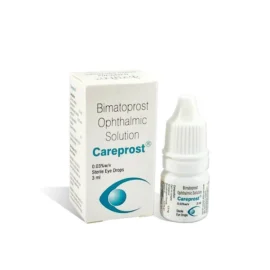
- Careprost (bimatoprost)
Ιατρική Αποποίηση Ευθύνης
Οι πληροφορίες σε αυτή τη σελίδα προορίζονται μόνο για εκπαιδευτικούς σκοπούς και δεν αποτελούν υποκατάστατο ιατρικής συμβουλής από έναν προσόντα οφθαλμίατρο ή οπτομετρία. Οι παθήσεις των ματιών μπορούν να απειλήσουν γρήγορα την όραση — η ξαφνική απώλεια όρασης, ο σοβαρός πόνος ή το τραύμα αποτελούν οφθαλμολογική έκτακτη ανάγκη. Συμβουλευτείτε πάντα έναν επαγγελματία φροντίδας των ματιών πριν ξεκινήσετε, διακόψετε ή αλλάξετε οποιαδήποτε θεραπεία.
Περισσότερες επιλογές στη Φροντίδα Ματιών
Ταξινομημένα σύμφωνα με τον όγκο παραγγελιών στο MedsBase — τι επιλέγουν άλλοι πελάτες σε αυτήν την κατηγορία.
| Ισχύς | 0.0025 |
|---|---|
| Ποσότητα | 1 Μάτι Σταγόνα/ες, 3 Μάτι Σταγόνες/ες, 6 Μάτι Σταγόνες/ες |
| Φαρμακευτική Μορφή | Τα σταγονίδια ματιού |
| Κατασκευαστής | Cipla Inc |
| Θεραπεία | Φροντίδα Ματιών |
| Γενόσημη μάρκα | Betaxolol |
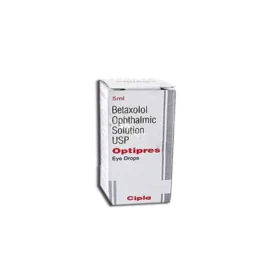 Optipress Eye Drop
Ερωτήσεις & Απαντήσεις
Optipress Eye Drop
Σχετικά προϊόντα





Κριτικές
Δεν υπάρχουν ακόμη κριτικές