








Pilocar Eye Drop
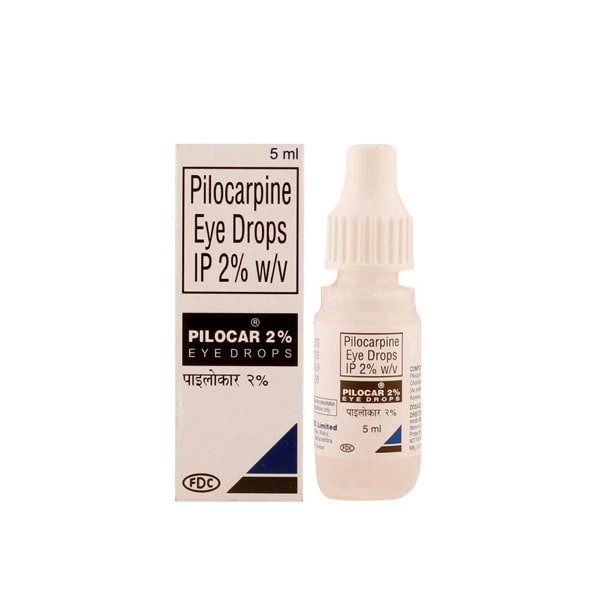
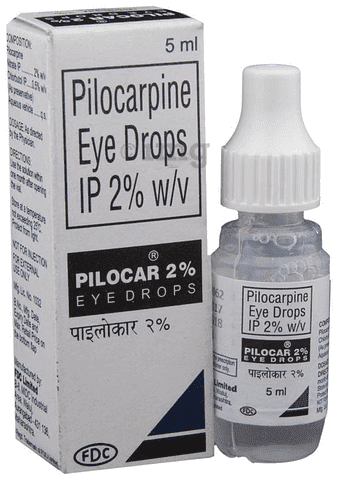

Pilocar (pilocarpine 1% / 2% / 4%) — χολινεργικό μιωτικό οφθαλμικό σταγονόραμμα. Διάσωση οξείας γωνιακής γλαυκώματος και έλεγχος χρόνιας ενδοφθάλμιας πίεσης. Προσοχή σε αποκόλληση αμφιβληστροειδούς σε υψηλή μυωπία.
✓ Ιατρικά ελεγμένο από Morgan Ellis — Ερευνητής Φαρμακευτικής · 8 χρόνια εμπειρία · Τελευταία αναθεώρηση: Μάιος 2026
⚡ Γρήγορη Απάντηση — Τι είναι οι Οφθαλμικές Στάγονες Pilocar;
Οι Οφθαλμικές Στάγονες Pilocar περιέχουν πιλοκαρπίνη 2%, μια χολινεργική μιωτική ουσία που μειώνει την πίεση του οφθαλμού με τη σύσπαση της κόρης και την απομάκρυνση της ίριδας από το τραβεκουλικό δίκτυο. Χρησιμοποιείται σε οξέα γλαύκωμα κλειστής γωνίας, μετά από ιριδοτομή και σπάνια σε χρόνια γλαύκωμα. Προκαλεί σύσπαση της κόρης, πόνο στο φρύδι και θολή όραση.
📦 Κάθε παραγγελία καλύπτεται από την Πολιτική Εγγύησης Επαναποστολής — εάν το δέμα σας δεν φτάσει εντός 20 εργάσιμων ημερών, το επαναποστέλλουμε.
Γιατί να παραγγείλετε από τη MedsBase
Οι Οφθαλμικές Στάγονες Pilocar προέρχονται από έναν κατασκευαστή πιστοποιημένο από τον WHO-GMP και αποστέλλονται παγκοσμίως σε απλή, διακριτική συσκευασία. Κάθε παραγγελία καλύπτεται από την Πολιτική Εγγύησης Επαναποστολής — εάν δεν έχει φτάσει μετά από 20 εργάσιμες ημέρες, το ξαναστέλνουμε χωρίς επιπλέον κόστος. Υποστηρίζεται από πάνω από 1,400 επαληθευμένες κριτικές πελατών.
Τι είναι οι Οφθαλμικές Στάγονες Pilocar;
Οι Οφθαλμικές Στάγονες Pilocar κατασκευάζονται από την Sunways και περιέχουν πιλοκαρπίνη HCl 2% ως στείρη οφθαλμική διάλυση. Η πιλοκαρπίνη είναι μια παρασυμπαθητομιμητική μιωτική ουσία — συστέλλει την κόρης και συστέλλει τον ακτινωτό μυ, ανοίγοντας το τραβεκουλικό δίκτυο και αυξάνοντας την έκκριση του υγρού του οφθαλμού. Ήταν το πρώτο αποτελεσματικό φάρμακο για γλαύκωμα (χρησιμοποιείται από τη δεκαετία του 1870) αλλά έχει αντικατασταθεί σε μεγάλο βαθμό από σταγόνες με καλύτερη ανοχή. Διατηρεί κρίσιμο ρόλο σε επιθέσεις οξέος γλαύκωματος κλειστής γωνίας και μετά από λέιζερ ιριδοτομή.
Πώς Λειτουργεί
Η πιλοκαρπίνη ενεργοποιεί τους μουσκαρινικούς υποδοχείς M3 στον σφιγκτήρα της ίριδας (συστολή της κόρης) και στον ακτινωτό μυ (συστολή του). Η μηχανική έλξη του συστελλόμενου ακτινωτού μυ ανοίγει τους χώρους του τραβεκουλικού δικτύου, αυξάνοντας την παραδοσιακή έκκριση του υγρού του οφθαλμού. Στο γλαύκωμα κλειστής γωνίας, η σύσπαση της κόρης επίσης απομακρύνει την περιφερειακή ίριδα από το τραβεκουλικό δίκτυο, διακόπτοντας το κλείσιμο της γωνίας.
Ενδείξεις
- Οξύ γλαύκωμα κλειστής γωνίας: επείγουσα χρήση για να διακοπεί η επίθεση ενώ κανονίζεται η οριστική λέιζερ ιριδοτομή
- Μετά ιριδοτομή σε στενόγωνη γλαύκωμα, πριν από την εκτέλεση λέιζερ
- Διαγνωστική εξέταση για τον τόνιο κόρη του Adie (χαμηλή δόση 0.1% — υπερευαισθησία απονεύρωσης)
- Χρόνια ανοιχτόγωνη γλαύκωμα: σπάνια πλέον — μόνο όταν αποτύχουν άλλες κατηγορίες και ο ασθενής ανέχεται τις παρενέργειες
- Εκτός ετικέτας για κοσμητική μείωση της κόρης (διαχείριση πρεσβυωπίας): οι χαμηλές δόσεις 1.25% είναι εγκεκριμένες από τον FDA (Vuity)
Χορήγηση
| Ενδείξεις | Δόση |
|---|---|
| Επίθεση οξείας στενογωνίας | 1 σταγόνα κάθε 5–10 λεπτά για την πρώτη ώρα, έπειτα 1 σταγόνα κάθε 1–4 ώρες. Η πιλοκαρπίνη λειτουργεί μόνο όταν η ισχαιμία της ίριδας από πολύ υψηλή ενδοφθάλμια πίεση αντιστραφεί πρώτα — επομένως η αρχική θεραπεία περιλαμβάνει χορήγηση ακεταζολαμίδης από το στόμα και τοπικό βηματοκινητήρα. |
| Χρόνια γλαύκωμα | 1 σταγόνα τέσσερις φορές ημερησίως (κάθε 6 ώρες) |
| Μετά από λέιζερ ιριδοτομή | 1 σταγόνα την ημέρα της επέμβασης, μπορεί να συνεχιστεί 1–4 φορές ημερησίως εάν η γωνία παραμένει στενή |
Παρενέργειες
Οπτικά συμπτώματα: θαμπή όραση (η συστενομένη κόρης μειώνει το φως που εισέρχεται στο μάτι — ιδιαίτερα αισθητό τη νύχτα και σε εσωτερικούς χώρους), πόνος στα φρύδια (σπασμός των ακτινικών μυών — συνήθως εξαφανίζεται μετά από 2–4 εβδομάδες συνεχούς χρήσης), επαγόμενη μυωπία (η σύσπαση του ακτινωτού μυός μεταβάλλει την προσαρμογή), μειωμένη περιφερειακή όραση.
Άλλα οφθαλμικά: υπεραιμία της επιπεφυκίας, δακρύρροια, κίνδυνος αποκόλλησης αμφιβληστροειδούς σε υψηλής μυωπίας (έλξη υαλώδους από σύσπαση κiliarικού σώματος), φολλικουλίτιδα επιπεφυκίας με χρόνια χρήση.
Συστημικά (σπάνια με οφθαλμικές σταγόνες): εφίδρωση, σιελόρροια, γαστρεντερικοί σπασμοί, βρογχόσπασμος.
Ειδοποιήσεις & Αντενδείξεις
- Οξεία ουβαιίτιδα — η σύσπαση της κόρης μπορεί να επιδεινώσει το σχηματισμό οπίσθιων συνεχιών
- Υψηλή μυωπία, εκφύλιση πλέγματος, προηγούμενη ρήξη αμφιβληστροειδούς — σχετική αντίθεση, πρώτα διασταλμένη εξέταση αμφιβληστροειδούς
- Σοβαρό άσθμα ή ΧΑΠ — πιθανός βρογχόσπασμος
- Σοβαρή βραδυκαρδία, πρόσφατο έμφραγμα του μυοκαρδίου
- Οξεία ιρίτιδα
- Εγκυμοσύνη/θηλασμός — συζητήστε με ειδικό
Αποθήκευση
Αποθήκευση σε θερμοκρασία 15–25°C προστατευμένο από το φως. Απόρριψη 28 ημέρες μετά την πρώτη άνοιξη.
Συχνές Ερωτήσεις
Γιατί η όρασή μου είναι θολή με τα σταγονόφθαλμα Pilocar;
Η πιλοκαρπίνη συστέλλει την κόρης, μειώνοντας την ποσότητα φωτός που εισέρχεται στο μάτι. Το αποτέλεσμα είναι πιο έντονο σε χαμηλό φως ή το βράδυ. Αυτό είναι αναμενόμενο και αναστρέψιμο όταν σταματήσει η χρήση των σταγόνων.
Τι είναι ο πόνος στο φρύδο;
Η πιλοκαρπίνη συστέλλει τον ακτινωτό μυ, προκαλώντας αναφερόμενο πόνο στο φρύδο που μοιάζει με πονοκέφαλο τάσης. Η δυσφορία συνήθως εξαφανίζεται μετά από 2–4 εβδομάδες συνεχούς χρήσης καθώς ο μυς προσαρμόζεται.
Μπορώ να οδηγήσω μετά τη χρήση των σταγονόφθαλμων Pilocar;
Αποφύγετε την οδήγηση μέχρι να γνωρίζετε πώς επηρεάζει την όρασή σας, ειδικά τη νύχτα. Οι συστελλόμενες κόρεις δυσκολεύουν την νυχτερινή οδήγηση — οι περισσότεροι ασθενείς με χρόνια πιλοκαρπίνη δεν μπορούν να οδηγήσουν μετά το σκοτάδι.
Πότε χρησιμοποιείται η πιλοκαρπίνη στη σύγχρονη θεραπεία του γλαυκώματος;
Σε οξεία επίθεση κλειστής γωνίας ως προσωρινό μέτρο πριν από την ιριδοτομή· σπάνιοι ασθενείς με χρόνιο γλαύκωμα που την ανέχονται· μετά την ιριδοτομή όταν η γωνία παραμένει στενή· νέες μορφές χαμηλής δόσης για πρεσβυωπία (Vuity).
Είναι τα σταγονόφθαλμα Pilocar ασφαλή κατά την εγκυμοσύνη;
Αποφύγετε εκτός αν ο οφθαλμίατρος κρίνει ότι το όφελος υπερβαίνει τον κίνδυνο. Περιορισμένα ανθρώπινα δεδομένα.
Τι είναι η επαγόμενη μυωπία;
Η σύσπαση του ακτινωτού μυ μετατοπίζει την προσαρμογή προς την κοντινή όραση, κάνοντας την μακρινή όραση θολή. Το αποτέλεσμα είναι συνήθως αναστρέψιμο.
Γιατί οι υψηλοί μυωπικοί έχουν μεγαλύτερο κίνδυνο αποκόλλησης αμφιβληστροειδούς;
Τα υψηλά μυωπικά μάτια έχουν λεπτότερη περιφερειακή αμφιβληστροειδή με περισσότερη εκφύλιση πλέγματος. Η συστολή του ακτινοειδούς σώματος μεταδίδει δύναμη στη βάση του υαλοειδούς, η οποία μπορεί να τραβήξει τον εξασθενημένο αμφιβληστροειδή και να προκαλέσει ρήξη. Κάντε μια διευρυμένη εξέταση του αμφιβληστροειδού πριν ξεκινήσετε εάν είστε ιδιαίτερα μυωπικός.
Μπορώ να χρησιμοποιήσω το Pilocar Eye Drop μαζί με άλλες σταγόνες γλαυκώματος;
Ναι — η πιλοκαρπίνη είναι προσθετική με όλες τις άλλες κατηγορίες. Περιμένετε 5 λεπτά μεταξύ των φιαλών.
Τι είναι το οξύ γλαύκωμα κλειστής γωνίας;
Μια ιατρική επείγουσα κατάσταση όπου η ίριδα μπλοκάρει ξαφνικά την εκροή υγρού στη γωνία, προκαλώντας αύξηση της ενδοφθάλμιας πίεσης στα 50–80 mmHg. Τα συμπτώματα περιλαμβάνουν έντονο πόνο στο μάτι, θολή όραση, φωτοστέφανα γύρω από τα φώτα, ναυτία και μια σταθερή μέσως διασταλμένη κόρης. Απαιτεί αξιολόγηση από οφθαλμίατρο την ίδια ημέρα και λέιζερ ιριδοτομή.
Τι γίνεται αν χάσω μια δόση;
Για χρόνια δοσολογία, πάρτε το μόλις το θυμηθείτε, εκτός αν η επόμενη δόση είναι κοντά. Για τη διαχείριση οξείας επίθεσης, ακολουθήστε τις συγκεκριμένες οδηγίες του οφθαλμίατρού σας.
Άλλα Φάρμακα για τη Φροντίδα των Ματιών
Οι πελάτες που βλέπουν αυτό το προϊόν εξετάζουν επίσης αυτές τις εναλλακτικές λύσεις στην Φροντίδα Ματιών ποικιλία μας:
- Xalatan Eye Drop (latanoprost)
- Azopt Eye Drops (brinzolamide)
- Alphagan P Drop (brimonidine)
- Iotim Eye Drops (timolol)
- Careprost (bimatoprost)
Ιατρική Αποποίηση Ευθύνης
Οι πληροφορίες σε αυτή τη σελίδα προορίζονται μόνο για εκπαιδευτικούς σκοπούς και δεν αποτελούν υποκατάστατο ιατρικής συμβουλής από έναν προσόντα οφθαλμίατρο ή οπτομετρία. Οι παθήσεις των ματιών μπορούν να απειλήσουν γρήγορα την όραση — η ξαφνική απώλεια όρασης, ο σοβαρός πόνος ή το τραύμα αποτελούν οφθαλμολογική έκτακτη ανάγκη. Συμβουλευτείτε πάντα έναν επαγγελματία φροντίδας των ματιών πριν ξεκινήσετε, διακόψετε ή αλλάξετε οποιαδήποτε θεραπεία.
Περισσότερες επιλογές στη Φροντίδα Ματιών
Ταξινομημένα σύμφωνα με τον όγκο παραγγελιών στο MedsBase — τι επιλέγουν άλλοι πελάτες σε αυτήν την κατηγορία.
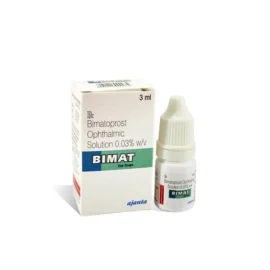
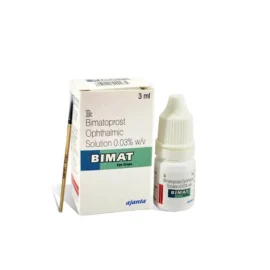


| Ισχύς | 2% (5 ml) Οφθαλμικές Στάγονες |
|---|---|
| Ποσότητα | 1 Μπουκάλι/α, 3 Μπουκάλια, 6 Μπουκάλια |
| Φαρμακευτική Μορφή | Τα σταγονίδια ματιού |
| Κατασκευαστής | Γλαύκωμα |
| Θεραπεία | Φροντίδα Ματιών |
| Γενόσημη μάρκα | Pilocarpine |
 Pilocar Eye Drop
Ερωτήσεις & Απαντήσεις
Pilocar Eye Drop
Σχετικά προϊόντα















Κριτικές
Δεν υπάρχουν ακόμη κριτικές