








Profenac Eye Drop
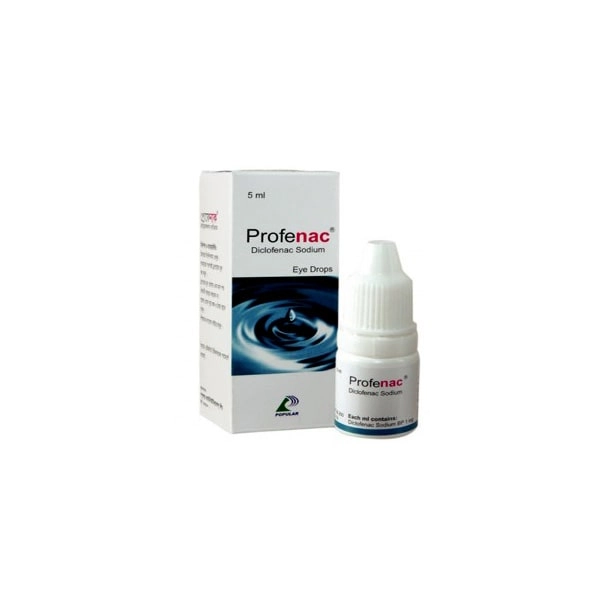
Profenac (diclofenac sodium 0.1%) — τοπική σταγόνα NSAID για φλεγμονή μετά από καταρράκτη, εποχική αλλεργική κοκκυωτίτιδα και έλεγχο πόνου μετά από διαθλαστική χειρουργική.
✓ Ιατρικά ελεγμένο από Morgan Ellis — Ερευνητής Φαρμακευτικής · 8 χρόνια εμπειρία · Τελευταία αναθεώρηση: Μάιος 2026
⚡ Γρήγορη απάντηση — Τι είναι το Profenac Eye Drop;
Το Profenac Eye Drop είναι diclofenac sodium 0.1%, μια τοπική σταγόνα NSAID για μετεγχειρητικό πόνο και φλεγμονή, αλλεργική κοκκυωτίτιδα και πρόληψη κυστοειδούς μακουλάρης οίδημα μετά από χειρουργική καταρράκτη. Χρησιμοποιείται 2–4 φορές την ημέρα.
📦 Κάθε παραγγελία καλύπτεται από την Πολιτική Εγγύησης Επαναποστολής — εάν το δέμα σας δεν φτάσει εντός 20 εργάσιμων ημερών, το επαναποστέλλουμε.
Γιατί να παραγγείλετε από τη MedsBase
Το Profenac Eye Drop προέρχεται από έναν κατασκευαστή πιστοποιημένο από τον WHO-GMP και αποστέλλεται παγκοσμίως σε απλή, διακριτική συσκευασία. Κάθε παραγγελία καλύπτεται από την Πολιτική Εγγύησης Επαναποστολής — εάν δεν έχει φτάσει μετά από 20 εργάσιμες ημέρες, το ξαναστέλνουμε χωρίς επιπλέον κόστος. Υποστηρίζεται από πάνω από 1,400 επαληθευμένες κριτικές πελατών.
Τι είναι το Profenac Eye Drop;
Το Profenac Eye Drop παράγεται από τη Sun Pharma και περιέχει δικλοφενάκη νατρίου 0.1% ως στείρη οφθαλμική διάλυση. Τοπικά ΜΣΑΦ μειώνουν τη φλεγμονή με την αναστολή των ενζύμων κυκλοοξυγενάσης (COX), μειώνοντας την παραγωγή προσταγλανδινών. Είναι μη στεροειδή και αποφεύγουν την αύξηση της ενδοφθάλμιας πίεσης, τον κίνδυνο καταρράκτη και τα ζητήματα ανοσοκαταστολής των τοπικών στεροειδών.
Πώς Λειτουργεί
Η δικλοφενάκη νατρίου αναστέλλει τόσο την COX-1 όσο και την COX-2 (άμεσα) στους οφθαλμικούς ιστούς. Το αποτέλεσμα είναι μειωμένη σύνθεση προσταγλανδινών, λιγότερη κυκλοφορία λευκοκυττάρων και μειωμένη μύωση, πόνος και φλεγμονή.
Ενδείξεις
- Μεταχειρουργική οφθαλμική φλεγμονή μετά από χειρουργική καταρράκτη, διαθλαστική χειρουργική, διασταύρωση κερατοειδούς
- Προφύλαξη κυστεώδους ωχράς κηλίδας (ΚΜΕ) μετά από χειρουργική καταρράκτη — ιδιαίτερα σε ασθενείς με διαβήτη, προηγούμενη ΚΜΕ ή επιπεταλιακή μεμβράνη
- Διατήρηση ενδοχειρουργικής μυδρίασης κατά τη διάρκεια χειρουργείου καταρράκτη (μειώνει τη μύωση από την απελευθέρωση προσταγλανδινών)
- Εποχική αλλεργική κοκκυίτιδα — όχι πρώτη γραμμή, αλλά χρήσιμο όταν τα αντιισταμινικά δεν είναι επαρκή
- Έλεγχος του πόνου μετά την επέμβαση — μειώνει τη χρήση ναρκωτικών μετά από διαθλαστική χειρουργική
Χορήγηση
| Ενδείξεις | Δόση |
|---|---|
| Φλεγμονή μετά καταρράκτη | 1 σταγόνα τέσσερις φορές ημερησίως για 2 εβδομάδες |
| Προφύλαξη CME (υψηλού κινδύνου) | Προεγχειρητικά για 1–3 ημέρες και στη συνέχεια συνέχεια για 4–6 εβδομάδες μετά την επέμβαση |
| Αλλεργική συνδεριτιτίδα | 1 σταγόνα τέσσερις φορές ημερησίως κατά ανάγκη |
Παρενέργειες
Τοπικά: τσούξιμο κατά την εγκατάσταση (πιο συχνό), υπεραιμία του συνδετικού, αίσθηση ξένου σώματος, παροδική θολή όραση, κνησμός των οφθαλμών, χρώση της κερατοειδούς με παρατεταμένη χρήση.
Υπερευαισθησία: σπάνια βρογχόσπασμος σε ασθενείς ευαίσθητους στην ασπιρίνη, κνίδωση, αγγειοοίδημα.
Ειδοποιήσεις & Αντενδείξεις
- Ασπιρίνη ή ασθμα που προκαλείται από ΜΣΑΦ — σχετική αντίθεση
- Προϋπάρχουσα νόσος της κερατοειδούς (σοβαρή ξηροφθαλμία, νευροτροφική κερατίτιδα, ερπητική νόσος) — αυξημένος κίνδυνος τήξης της κερατοειδούς
- Διαβητική κερατοπάθεια — αυξημένος κίνδυνος τήξης
- Ταυτόχρονη τοπική στεροειδής θεραπεία — πρόσθετη τοξικότητα στην κερατοειδή
- Διαθεσιμότητα αιμορραγίας ή χρήση αντιπηκτικών — μικρός κίνδυνος ενδοχειρουργικής αιμορραγίας εάν χρησιμοποιηθεί πριν από την επέμβαση
- Έκτοκος κύηση (τρίτο τρίμηνο) — αποφυγή (θεωρητικός κίνδυνος πρόωρου κλεισίματος του αρτηρίου πόρου εάν απορροφηθεί συστημικά· ελάχιστος από σταγόνες για τα μάτια)
- Παιδιά — συνήθως ασφαλές για ηλικίες άνω των 3 ετών· σπάνια χρησιμοποιείται σε μικρότερες ηλικίες
Αποθήκευση
Αποθήκευση σε θερμοκρασία 15–25°C προστατευμένο από το φως. Απόρριψη 28 ημέρες μετά την πρώτη άνοιξη.
Συχνές Ερωτήσεις
Για τι χρησιμοποιείται το Profenac Eye Drop;
Συνήθως μετά από επέμβαση καταρράκτη για να μειώσει τη φλεγμονή, να ελέγξει τον πόνο και να αποτρέψει τον κυστεώδη μακυλάριο οίδημα. Χρησιμοποιείται επίσης για αλλεργική κογιουγκτιβίτιδα, ανάκαμψη μετά από επέμβαση διαθλαστικής διόρθωσης και ως εναλλακτική λύση σε στεροειδή σε ασθενείς με ανταπόκριση σε στεροειδή.
Πώς διαφέρει το Profenac Eye Drop από ένα στεροειδές οφθαλμικό σκεύασμα;
Τα ΜΣΑΦ μπλοκάρουν τη σύνθεση των προσταγλανδινών χωρίς να επηρεάζουν την ευρύτερη ανοσιακή απόκριση. Δεν αυξάνουν την ενδοφθάλμια πίεση, δεν προκαλούν καταρράκτη και δεν προάγουν ιογενείς ή μυκητιασικές λοιμώξεις — γεγονός που τα καθιστά ασφαλέστερα για παρατεταμένη χρήση. Είναι επίσης λιγότερο ισχυρά για σοβαρή φλεγμονή· τα στεροειδή εξακολουθούν να προτιμώνται για ενεργή ουβαιίτιδα.
Γιατί χρησιμοποιείται το Profenac Eye Drop μετά από επέμβαση καταρράκτη;
Οι προσταγλανδίνες που απελευθερώνονται κατά τη διάρκεια της επέμβασης προκαλούν πόνο, μύωση και συμβάλλουν στον κυστεώδη μακυλάριο οίδημα (μια κοινή αιτία απώλειας όρασης μετά από επέμβαση καταρράκτη). Τα ΜΣΑΦ μειώνουν αυτή την απόκριση. Πολλοί οφθαλμίατροι χρησιμοποιούν ΜΣΑΦ μαζί με στεροειδή για τις πρώτες 2 εβδομάδες, στη συνέχεια συνεχίζουν μόνο με ΜΣΑΦ για 4–6 εβδομάδες σε μάτια με υψηλό κίνδυνο ΚΜΟ.
Τι είναι η τήξη της κερατοειδούς;
Σπάνια αλλά σοβαρή — το επιθήλιο της κερατοειδούς καταρρέει και το υποκείμενο στρώμα λεπταίνει, μερικές φορές προχωρώντας σε διάτρηση. Παράγοντες κινδύνου: μακροχρόνιες θεραπείες, προϋπάρχουσα νόσος της κερατοειδούς, διαβήτης, ταυτόχρονη τοπική στεροειδής θεραπεία. Διακόψτε τις σταγόνες και ζητήστε αξιολόγηση την ίδια ημέρα για οποιοδήποτε ανεξήγητο επιδείνωση του πόνου ή πτώση της όρασης.
Μπορώ να οδηγήσω μετά τη χρήση του Profenac Eye Drop;
Ήπια θόλωση της όρασης για 5–10 λεπτά μετά την εγκατάσταση. Περιμένετε μέχρι να επανέλθει η όραση.
Είναι ασφαλές το Profenac Eye Drop κατά την εγκυμοσύνη;
Η τοπική απορρόφηση είναι ελάχιστη. Αποφύγετε τη χρήση στο τρίτο τρίμηνο (θεωρητική πρόωρη κλείσιμο του ductus με συστημικά NSAIDs). Γενικά ασφαλές στις πρώιμες φάσεις της εγκυμοσύνης όταν υπάρχει σαφής ένδειξη.
Μπορώ να χρησιμοποιήσω το Profenac Eye Drop μαζί με ένα στεροειδές οφθαλμικό σκεύασμα;
Ναι, αλλά παρακολουθήστε για πιθανή τοξικότητα του κερατοειδούς. Ο συνδυασμός αυτός είναι στάνταρ μετά από επέμβαση καταρράκτη σε πολλές κλινικές. Περιμένετε 5 λεπτά μεταξύ των φιαλιδών.
Τι γίνεται αν είμαι ευαίσθητος στην ασπιρίνη;
Είναι πιθανή διασταυρούμενη αντίδραση. Αποφύγετε τα τοπικά NSAIDs αν έχετε ιστορικό άσθματος ή αναφυλαξίας που προκλήθηκε από ασπιρίνη.
Τι γίνεται αν ξεχάσω μια δόση;
Πάρτε το μόλις το θυμηθείτε, εκτός αν η επόμενη προγραμματισμένη δόση είναι κοντά.
Πόσο διαρκεί συνήθως η θεραπεία;
2–6 εβδομάδες ανάλογα με την ένδειξη. Αποφύγετε μαθήματα μεγαλύτερης διάρκειας από 6 εβδομάδες εκτός εάν υπάρχει ειδική ιατρική παρακολούθηση λόγω της συσσωρευτικής τοξικότητας του κερατοειδούς.
Άλλα Φάρμακα για τη Φροντίδα των Ματιών
Οι πελάτες που βλέπουν αυτό το προϊόν εξετάζουν επίσης αυτές τις εναλλακτικές λύσεις στην Φροντίδα Ματιών ποικιλία μας:
- Pred Forte (πρεδνιζολόνη οξικό)
- FML Eye Drop (φθορομεθολόνη)
- Lotepred Eye Drop (λοτεπρεδνόλη)
- Acular LS (κετορολάκη)
- Megabrom (bromfenac)
Ιατρική Αποποίηση Ευθύνης
Οι πληροφορίες σε αυτή τη σελίδα προορίζονται μόνο για εκπαιδευτικούς σκοπούς και δεν αποτελούν υποκατάστατο ιατρικής συμβουλής από έναν προσόντα οφθαλμίατρο ή οπτομετρία. Οι παθήσεις των ματιών μπορούν να απειλήσουν γρήγορα την όραση — η ξαφνική απώλεια όρασης, ο σοβαρός πόνος ή το τραύμα αποτελούν οφθαλμολογική έκτακτη ανάγκη. Συμβουλευτείτε πάντα έναν επαγγελματία φροντίδας των ματιών πριν ξεκινήσετε, διακόψετε ή αλλάξετε οποιαδήποτε θεραπεία.
Περισσότερες επιλογές στη Φροντίδα Ματιών
Ταξινομημένα σύμφωνα με τον όγκο παραγγελιών στο MedsBase — τι επιλέγουν άλλοι πελάτες σε αυτήν την κατηγορία.
| Ισχύς | 0.1% (5 ml ) |
|---|---|
| Ποσότητα | 1 Μπουκάλι/α, 3 Μπουκάλια, 6 Μπουκάλια |
| Φαρμακευτική Μορφή | Τα σταγονίδια ματιού |
| Κατασκευαστής | Cipla Inc |
| Θεραπεία | Φροντίδα Ματιών |
| Γενόσημη μάρκα | Δικλοφενάκη Νατρίου |
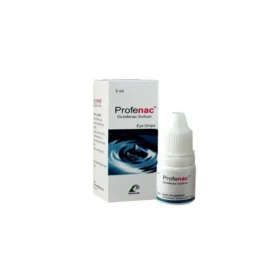 Profenac Eye Drop
Ερωτήσεις & Απαντήσεις
Profenac Eye Drop
Σχετικά προϊόντα








Κριτικές
Δεν υπάρχουν ακόμη κριτικές