









Καμπερλίνη
✅ Ρυθμίζει τα επίπεδα ορμονών
✅ Διαχειρίζεται διαταραχές προλακτίνης
✅ Θεραπεύει την υπερπρολακτιναιμία
✅ Βελτιώνει τη γονιμότητα
✅ Μειώνει το μέγεθος του όγκου
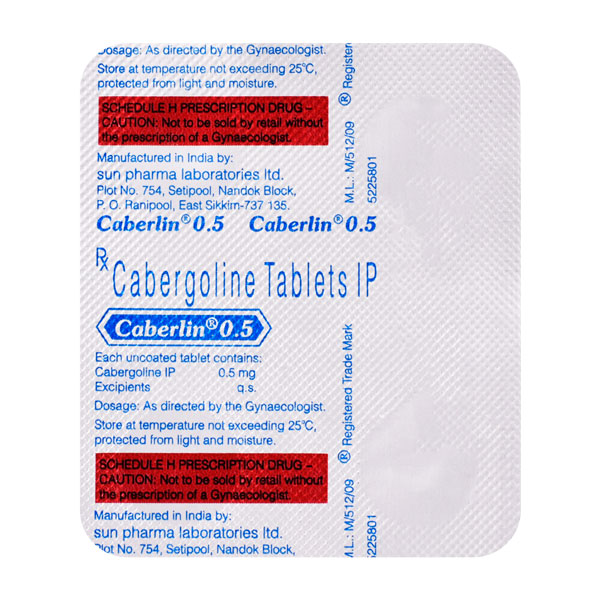
Το Caberlin περιέχει Cabergoline.
✓ Ιατρικά ελεγμένο από Morgan Ellis — Ερευνητής Φαρμακευτικής · 8 χρόνια εμπειρία · Τελευταία αναθεώρηση: Μάιος 2026
💡 Γρήγορη Απάντηση
Καμπερλίνη είναι καβεργολίνη 0,5 mg, ένας μακράς δράσης αγωνιστής του υποδοχέα ντοπαμίνης D2. Κύριες χρήσεις: υπερπρολακτιναιμία και προλακτινώματα, καταστολή της γαλακτοποίησης μετά τον τοκετό, και ως συμπληρωματικό στη νόσο του Parkinson. Λαμβάνεται δύο φορές την εβδομάδα — οι αγωνιστές ντοπαμίνης έχουν χαρακτηριστικές παρενέργειες στον έλεγχο των παρορμήσεων (παθολογικό τζόγο, υπερσεξουαλικότητα) που ο ασθενής και ο σύντροφος πρέπει να γνωρίζουν να παρακολουθούν.
📦 Κάθε παραγγελία καλύπτεται από την Πολιτική Εγγύησης Επαναποστολής — εάν το δέμα σας δεν φτάσει εντός 20 εργάσιμων ημερών, το επαναποστέλλουμε.
Γιατί να παραγγείλετε από τη MedsBase
Τα γενόσημα φάρμακά μας προέρχονται από κατασκευαστές που πιστοποιούνται από την WHO-GMP και αποστέλλονται παγκοσμίως σε διακριτική, απλή συσκευασία — χωρίς όνομα φαρμάκου στο εξωτερικό του δέματος. Οι πληρωμές με κάρτα δρομολογούνται μέσω ρυθμισμένου επεξεργαστή (οι περιγραφές εκκαθάρισης περιλαμβάνουν ρυθμισμένο επεξεργαστή πληρωμών με κάρτα — ποτέ “MedsBase” ή οποιοδήποτε όνομα φαρμάκου). Γίνονται δεκτές και πληρωμές με κρυπτονομίσματα και τραπεζική μεταφορά SEPA. Κάθε παραγγελία καλύπτεται από την Πολιτική Επαναποστολής Εξασφαλίσεώς μας.
Τι είναι το Caberlin;
Το Caberlin είναι μια επώνυμη γενόσημη έκδοση του καβεργολίνη 0,5 mg, ένας ιδιαίτερα επιλεκτικός μακράς δράσης αγωνιστής των υποδοχέων ντοπαμίνης D2. Η καβεργολίνη καταστέλλει την έκκριση προλακτίνης από τον πρόσθιο υπόφυση μιμούμενη τη φυσική ανασταλτική επίδραση της ντοπαμίνης στα λακτοτροφικά κύτταρα.
Κατασκευάζεται από τη Sun Pharma. Το πρόγραμμα δοσολογίας δύο φορές την εβδομάδα (σε σύγκριση με 2–3 φορές την ημέρα για την βρομοκρυπτίνη) και το καλύτερο προφίλ παρενεργειών το έχουν καταστήσει τον προτιμώμενο αγωνιστή ντοπαμίνης για τις περισσότερες ενδείξεις σχετικές με την προλακτίνη.
Κλινικές Εφαρμογές
- Υπερπρολακτιναιμία — αυξημένη προλακτίνη οποιασδήποτε αιτίας· αποκαθιστά τον εμμηνορρυσιακό κύκλο, θεραπεύει τη γαλακτόρροια, αποκαθιστά τη γονιμότητα.
- Προλακτινοώμα (προλακτίνη-εκκρινόμενος όγκος της υπόφυσης) — μειώνει τα μικρο- και μακροαδενώματα· συχνά η θεραπεία πρώτης γραμμής, αποφεύγοντας τη χειρουργική επέμβαση.
- Κατάπνιξη της μεταγεννητικής γαλακτοποίησης — μία δόση 1 mg εντός 24 ωρών μετά τον τοκετό (ιστορικά χρησιμοποιείται όταν η θηλασμός είναι αντενδεικτικός ή διακόπτεται).
- Συμπληρωματική θεραπεία στην νόσο του Parkinson — σε συνδυασμό με λεβοντόπα (εκτός ετικέτας/παραδοσιακή χρήση· τώρα προτιμώνται άλλοι αγωνιστές).
- Ακρομεγαλία — περιστασιακή χρήση εκτός ετικέτας σε συνδυασμό με αναλόγους σωματοστατίνης.
Πώς να Λάβετε
- Υπερπρολακτιναιμία/προλακτίνωμα: ξεκινήστε με 0,25 mg δύο φορές την εβδομάδα (π.χ. Δευτέρα και Πέμπτη βράδυ). Αυξήστε μηνιαία κατά 0,25–0,5 mg/εβδομάδα έως 0,5–1 mg δύο φορές την εβδομάδα με βάση την απόκριση της προλακτίνης.
- Κατάπαυση γαλακτορροίας μετά τον τοκετό: μονόδρομη δόση 1 mg εντός 24 ωρών από τον τοκετό.
- Λάβετε πριν τον ύπνο με φαγητό για να μειωθεί η ναυτία.
- Παρακολουθήστε την προλακτίνη κάθε 1–3 μήνες αρχικά· προσαρμόστε τη δόση για να φτάσετε τον στόχο (κανονικοποίηση της προλακτίνης).
- Μόλις η προλακτίνη κανονικοποιηθεί και ο όγκος συρρικνωθεί, μπορεί να είναι δυνατή σταδιακή μείωση της δόσης ή ακόμη και διακοπή μετά από 2+ χρόνια (αξιολογήστε με ειδικό).
Διαταραχές Ελέγχου Παρορμήσεων — Γνωρίστε τον Κίνδυνο
Όλοι οι αγωνιστές ντοπαμίνης (καβεργολίνη, βρομοκρυπτίνη, πραμιπεξόλη, ροπινιρόλη) φέρουν τεκμηριωμένο κίνδυνο διαταραχών ελέγχου παρορμήσεων — παθολογικό τζόγο, υπερφυλοτητα, ψυχαναγκαστικά ψώνια και υπερβολική κατανάλωση τροφής. Η έναρξη είναι υποχωρητική· οι ασθενείς συχνά δεν αντιλαμβάνονται οι ίδιοι την αλλαγή στη συμπεριφορά. Τα μέλη της οικογένειας και οι σύντροφοι πρέπει να γνωρίζουν ότι πρέπει να παρακολουθούν:
- Νέες συμπεριφορές τζόγου (διαδικτυακά, καζίνο, λοταρία) που φαίνονται ασυνήθιστες
- Σημαντικές αλλαγές σεξουαλικής συμπεριφοράς ή συχνότητας
- Υπερβολικές αγορές ή καταναλωτικές συμπεριφορές
- Επιδροφική διατροφή, ιδιαίτερα συγκεκριμένων τροφίμων
Εάν εμφανιστούν αλλαγές στον έλεγχο των παρορμήσεων, μειώστε τη δόση ή διακόψτε υπό κλινική επίβλεψη — οι συμπεριφορές συνήθως αντιστρέφονται με τη μείωση της δόσης.
Παρενέργειες
Συχνές (≥1%): ναυτία, πονοκέφαλος, ζάλη, ορθοστατική υποπτώση, δυσκοιλιότητα, κόπωση. Τα περισσότερα επιλύονται με σταδιακή αύξηση της δόσης και λήψη πριν τον ύπνο.
Λιγότερο συχνές: πόνος στα στήθη, εφίδρωση, αλλαγές στη διάθεση (κατάθλιψη, άγχος), ρινίτιδα.
Σπάνιες αλλά σοβαρές: διαταραχές ελέγχου παρορμήσεων (βλ. παραπάνω), καρδιακή βαλβιδοπάθεια (ειδικά με συσσωρευμένες δόσεις >3 g), πνευμονική ίνωση, ξαφνική έναρξη ύπνου.
Ποιοι δεν πρέπει να παίρνουν Caberlin
- Ιστορικό διαταραχών καρδιακών βαλβίδων (τριγλώχινας, μιτροειδής, αορτική βαλβιδοπάθεια)
- Σοβαρή υπέρταση ή υπερτασικές διαταραχές της εγκυμοσύνης
- Γνωστή υπερευαισθησία σε εργοταλικά αλκαλοειδή
- Ιστορικό πνευμονικής ίνωσης ή υστεροπεριτοναϊκής ίνωσης
- Γυναίκες με καρδιαγγειακές διαταραχές μετά τον τοκετό
- Σοβαρή ηπατική δυσλειτουργία
Αποθήκευση
Φυλάξτε σε θερμοκρασία δωματίου (κάτω από 25 °C / 77 °F). Διατηρήστε στην αρχική συσκευασία για προστασία από την υγρασία. Κρατήστε μακριά από παιδιά.
Συχνές Ερωτήσεις
Πόσο γρήγορα μειώνει η καβεργολίνη την προλακτίνη;
Η προλακτίνη συνήθως πέφτει 50–80% εντός 2–3 εβδομάδων· η ομαλοποίηση απαιτεί 1–3 μήνες. Η συρρίκνωση του όγκου (για προλακτινομές) παρατηρείται σε MRI σε 3–6 μήνες.
Μπορώ να μείνω έγκυος ενώ παίρνω καβεργολίνη;
Ναι — η καβεργολίνη συχνά αποκαθιστά την ωορρηξία και τη γονιμότητα σε γυναίκες με υπερπρολακτιναιμία. Για προγραμματισμένη εγκυμοσύνη, η καβεργολίνη συνήθως διακόπτεται μόλις επιβεβαιωθεί η εγκυμοσύνη (εκτός σε ορισμένες περιπτώσεις μακροπρολακτινομών όπου απαιτείται συνέχιση).
Τι γίνεται αν χάσω μια δόση;
Πάρτε το μόλις το θυμηθείτε, εκτός αν η επόμενη δόση είναι εντός 24 ωρών. Με δόση δύο φορές την εβδομάδα, η παράλειψη μιας δόσης είναι απίθανο να επηρεάσει σημαντικά τον έλεγχο της προλακτίνης.
Η καβεργολίνη επηρεάζει την οδήγηση;
Η καβεργολίνη μπορεί να προκαλέσει ξαφνική υπνηλία και ζάλη, ειδικά κατά τη διάρκεια της αύξησης της δόσης. Χρησιμοποιήστε προσοχή κατά την οδήγηση ή τη χρήση μηχανημάτων μέχρι να σταθεροποιηθεί η αντίδρασή σας στο φάρμακο.
Μπορεί η καβεργολίνη να προκαλέσει προβλήματα στις καρδιακές βαλβίδες;
Σε δόσεις που χρησιμοποιούνται για προλακτινομά (συνήθως ≤3 mg/εβδομάδα συνολικά), ο κίνδυνος βαλβιδοπάθειας είναι χαμηλός. Σε υψηλότερες δόσεις που χρησιμοποιούνται για την νόσο του Parkinson (έως 4,5 mg/ημέρα), ο κίνδυνος είναι κλινικά σημαντικός. Ετήσια ηχοκαρδιογραφήματα μπορεί να συνιστούνται για μακροχρόνιους χρήστες υψηλών δόσεων.
Πόσο καιρό πρέπει να παίρνω καβεργολίνη;
Για προλακτινομά: συνήθως μέχρι η προλακτίνη να έχει φυσιολογικοποιηθεί και ο όγκος να έχει μειωθεί σημαντικά στην απεικόνιση (συχνά 2+ χρόνια), έπειτα δοκιμή διακοπής. Ορισμένες γυναίκες χρειάζονται ισόβια θεραπεία· άλλες μπορούν να σταματήσουν με επιτυχία. Καθοδηγείται από ειδικό ενδοκρινολόγο.
Τι σημαίνει στην πράξη η προειδοποίηση για έλεγχο των παρορμήσεων;
Ορισμένοι ασθενείς που λαμβάνουν αγωνιστές ντοπαμίνης αναπτύσσουν τζόγο, καταναγκαστικά ψώνια, υπερσεξουαλικότητα ή υπερφαγία που δεν θα ασχολούνταν κανονικά. Οι συμπεριφορές είναι συνήθως διακριτικές στην αρχή. Η εγρήγορση της οικογένειας είναι σημαντική — η μείωση της δόσης συνήθως επιλύει το πρόβλημα.
Μπορώ να πίνω αλκοόλ με καβεργολίνη;
Το μέτριο αλκοόλ είναι γενικά αποδεκτό. Η βαριά κατανάλωση αλκοόλ μπορεί να ενισχύσει τη ναυτία, το ζάλη και την υποπίεση — καλύτερα να αποφεύγεται ειδικά κατά τη διάρκεια της αύξησης της δόσης.
Σχετικά Προϊόντα Ορμονών & Γυναικείας Υγείας
- Premarin (Συζευγμένα Οιστρογόνα)
- Premarin Κρέμα (Οιστρογόνα για κολπική χρήση)
- Progynova (Οιστραδιόλη Βαλεριανή)
- Endogest (Προγεστερόνη 100 mg)
- Gestoford (Προγεστερόνη 100 mg)
- Gestheal (Προγεστερόνη 200 mg)
- Susten Καψούλα (Προγεστερόνη)
⚕️ Ιατρική Αποποίηση Ευθυνών: Οι πληροφορίες είναι εκπαιδευτικές και δεν αντικαθιστούν ιατρική συμβουλή. Οι ορμονοθεραπείες συνεπάγονται συγκεκριμένους κινδύνους (καρκίνος του μαστού, φλεβική θρόμβωση, εγκεφαλικό επεισόδιο, καρκίνος του ενδομητρίου σε περίπτωση μη αντισταθμισμένων οιστρογόνων) — συμβουλευτείτε έναν κλινικό γιατρό πριν ξεκινήσετε, διακόψετε ή αλλάξετε οποιαδήποτε ορμονική θεραπεία. Το ατομικό όφελος-κίνδυνος εξαρτάται από το προσωπικό και οικογενειακό ιατρικό ιστορικό.
Σχετικές Εναλλακτικές
Άλλα φάρμακα ογκολογίας που διατίθενται παράλληλα με αυτό το προϊόν:
Περισσότερες επιλογές σε Αντι-Καρκινικά Φάρμακα
Ταξινομημένα σύμφωνα με τον όγκο παραγγελιών στο MedsBase — τι επιλέγουν άλλοι πελάτες σε αυτήν την κατηγορία.
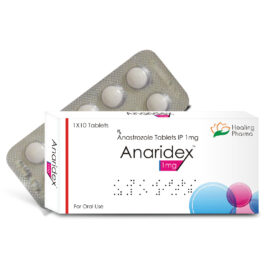

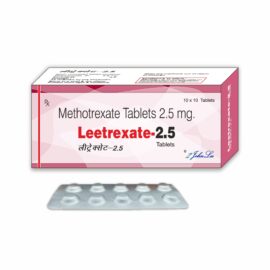
| Ισχύς | 0.5 mg |
|---|---|
| Ποσότητα | 28 δισκία, 54 δισκία, 84 δισκία, 168 δισκία |
 Καμπερλίνη
Ερωτήσεις & Απαντήσεις
Καμπερλίνη
Σχετικά προϊόντα




Κριτικές
Δεν υπάρχουν ακόμη κριτικές